




Manufacturing equipment is crucial for businesses aiming to optimize their operations and maintain a competitive edge. They can be broadly categorized into core and support equipment.
Selecting manufacturing equipment should align with a company's production goals and operational requirements. Factors such as automation level, energy consumption and maintenance needs should be considered. With technological advancements, modern equipment offers more precision, flexibility and sustainability, making them indispensable assets in any manufacturing setup.
Core manufacturing equipment for efficiency
Core equipment forms the heart of manufacturing operations, performing tasks that range from material handling to precise machining and assembly. Investing in high-quality equipment is essential for achieving streamlined production processes and superior product quality.
Key components of core manufacturing equipment include CNC machines, robotic arms and conveyor systems. CNC machines offer high precision and can perform complex tasks with minimal human intervention. Robotic arms enhance speed and accuracy in assembly lines, while conveyor systems facilitate the seamless movement of materials, reducing manual labor and errors.
The choice of equipment should be guided by production volume, product specifications and future scalability. Businesses must evaluate their specific needs and consider the benefits of automation, which can lead to reduced operational costs and improved productivity. A well-planned investment can significantly enhance a company's manufacturing capabilities and competitiveness.
Support equipment for operations
While core equipment plays a direct role in production, support equipment for manufacturing operations is equally important. These machines ensure that manufacturing processes run smoothly and efficiently by providing necessary functions such as maintenance, material handling and quality control.
Support equipment includes tools like forklifts, pallet jacks and inspection systems. Forklifts and pallet jacks facilitate the transportation of materials within the factory, enhancing logistics and reducing downtime. Inspection systems help maintain product quality by ensuring that all output meets specified standards before reaching the market.
Integrating support equipment into manufacturing operations requires careful planning and consideration of the facility's layout and workflow. Businesses must assess their operational needs and invest in tools that complement their core machinery, ultimately leading to enhanced productivity and cost savings.
Key machines
In manufacturing, certain machines stand out for their specialized capabilities and contributions to precision and quality. The microhole drilling machine and plasma surface treatment machine are two such examples.
Microhole drilling machines are designed for creating extremely small and precise holes in various materials used in electronics, aerospace and medical devices. They ensure consistent and high-quality outputs, meeting the stringent demands of these industries for precision and accuracy.
Plasma surface treatment machines are used to modify the surface properties of materials, enhancing their adhesion, wettability and overall performance. This equipment is vital in industries that require surface preparation, such as automotive and packaging. By using plasma technology, manufacturers can achieve superior bonding and coating results, improving product quality and durability.
Other manufacturing components
Nitrogen purification units, meanwhile, ensure the supply of high-purity nitrogen gas for various applications. Nitrogen is commonly used in industries such as electronics, pharmaceuticals and food packaging, where it serves functions like inerting, blanketing and preservation. These machines’ primary advantage is their ability to generate on-demand, high-purity nitrogen, reducing dependency on external suppliers and eliminating added transportation and storage expenses.
Gear-hobbing machines provide unmatched precision and efficiency in producing gears widely used in the automotive, aerospace and machinery industries. They operate by using a rotating hob to cut teeth into a gear blank, creating precise and uniform gear profiles. This process ensures high accuracy and repeatability, essential for meeting the stringent quality standards of modern industries. The versatility of these machines allows them to produce a wide range of gear types and sizes, catering to diverse manufacturing needs. Advanced models offer enhanced automation and control, leading to reduced cycle times and improved productivity.
Lifting equipment
In manufacturing environments, access to elevated work areas is often required for maintenance, installation and inspection tasks. Articulating boom lifts and self-propelled variants are two options that offer distinct advantages in such scenarios, each catering to different operational needs. The choice between these two lifts depends on factors such as workspace layout, task requirements and budget considerations.
A traditional articulating boom lift features multiple boom sections that can extend and bend, providing access to hard-to-reach areas. It is commonly used in construction and manufacturing facilities for tasks requiring flexibility and precision.
In contrast, a self-propelled articulating boom lift combines the flexibility of an articulating boom with the mobility of a self-propelled chassis. This type of lift offers enhanced maneuverability and ease of operation, making it suitable for large facilities where frequent repositioning is necessary.
Equipment parts
When it comes to maintaining and optimizing manufacturing equipment, the quality and compatibility of equipment parts play a crucial role.
Carrier rollers are among essential components in various types of manufacturing equipment. These support and guide conveyor belts, facilitating the efficient movement of materials and products within a manufacturing facility. In addition, these rollers reduce friction and wear by maintaining proper alignment and tension, enhancing machine performance and life span and minimizing the risk of operational disruptions.
Optimizing operations
From core equipment that drives production efficiency to support machinery that enhances overall workflow, each component plays a vital role in a well-functioning manufacturing setup. With careful consideration and strategic investments, manufacturers can optimize their operations, achieve greater efficiency and maintain a competitive edge in the industrial landscape.
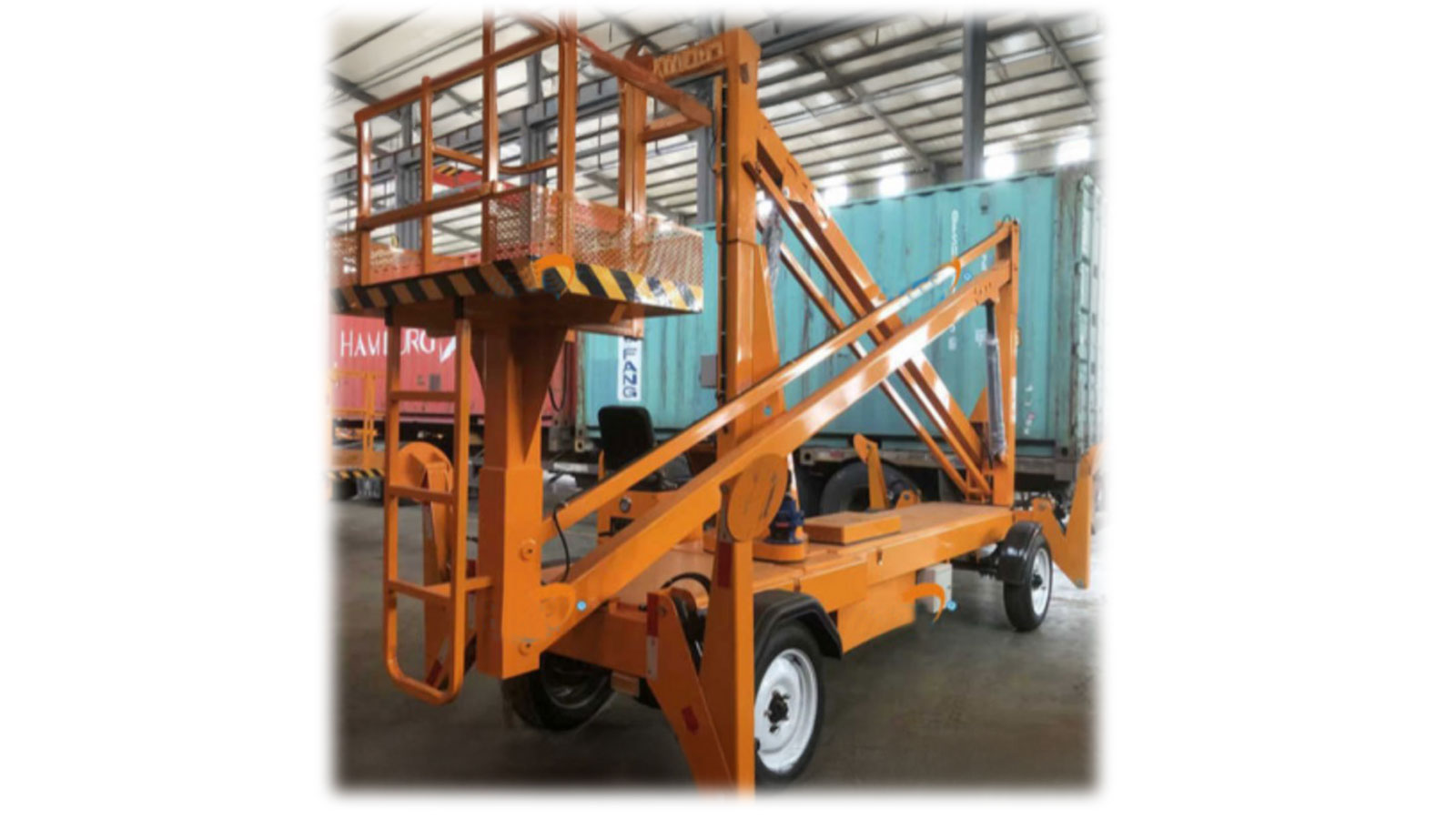
Self-propelled articulating boom lift
Company: Jinan Zhongtian International Trading Co. Ltd
Jinan Zhongtian markets the ZTQB-5150, a self-propelled articulating boom lift with an automated drive and an automatic hydraulic leg, enabling 360-degree rotation. This equipment, with a rated load of 200kg, can work without an external power supply, making it suitable for complex high-altitude construction. It is made of heavy-duty steel.
MOQ: 1 set
Lead time: 7 to 14 days
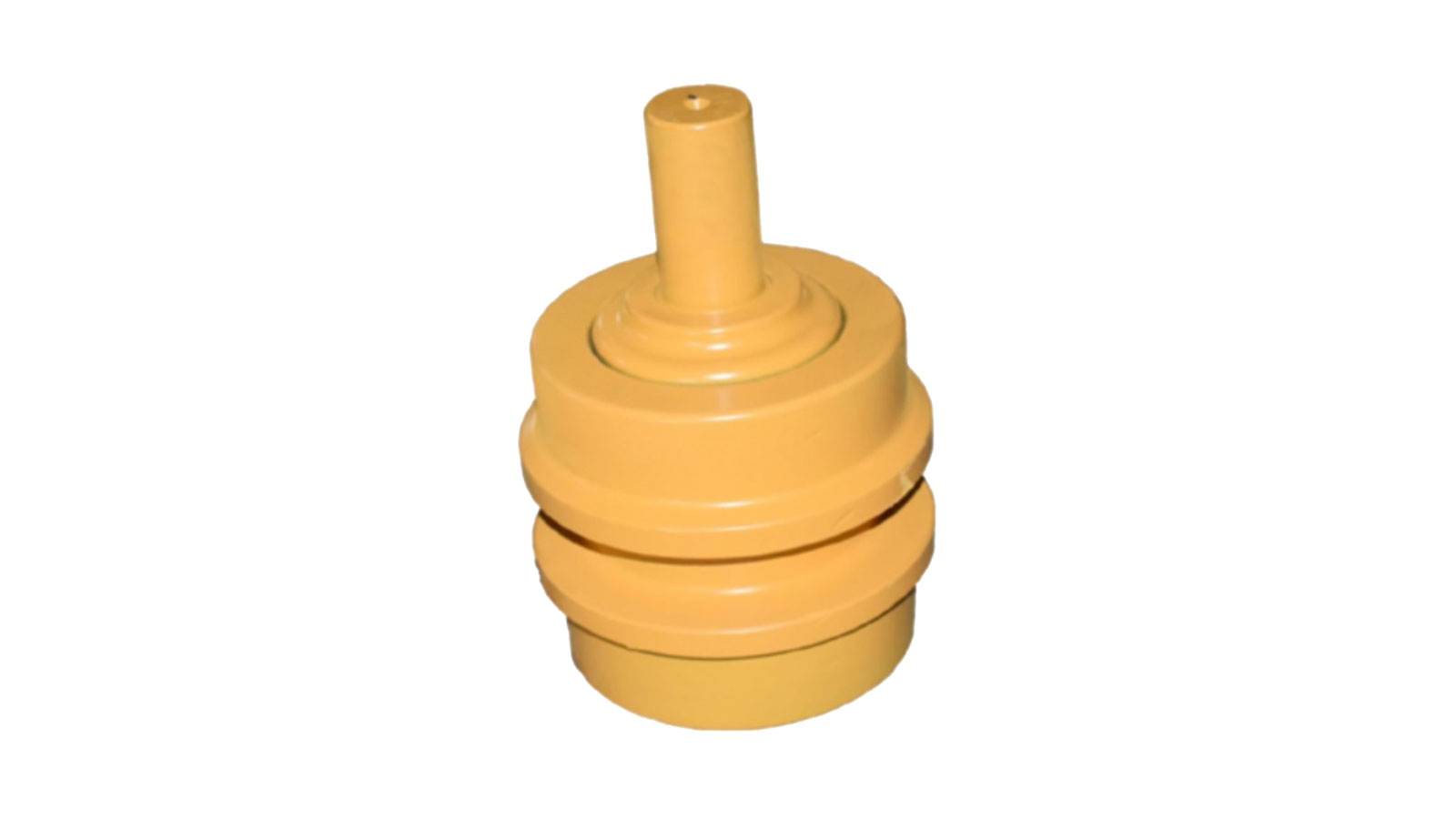
Carrier roller
Company: Ningbo Beneparts Machinery Co.
Ningbo Beneparts offers a carrier roller, with model number 207-30-00581, used in the undercarriage of manufacturing and industrial equipment. This component has a surface hardness of 52 to 58. It is made using casting or forging.
MOQ: 2 pieces
Lead time: 15 to 35 days
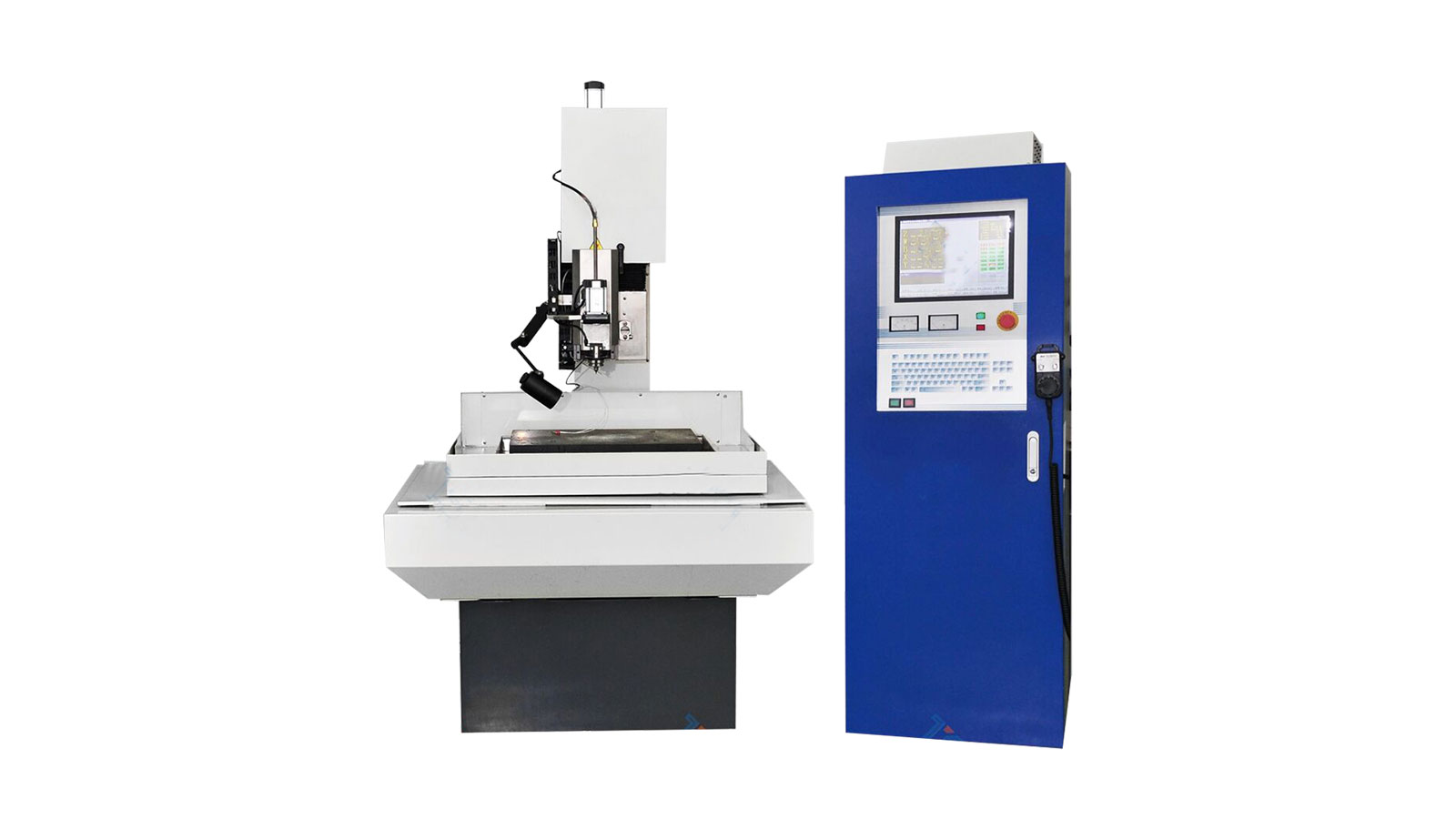
Microhole drilling machine
Company: Shanghai TechSync Innovations Co. Ltd
The Micro-Hole Parts 040-2675 from Shanghai TechSync is a microhole drilling machine with a machining diameter range of 0.08 to 0.5mm, extendable to 1.5mm, machining precision of ≤±0.002mm and reverse taper of ≤2 degrees. The maximum aspect ratio is 10:1, surface roughness Ra≤0.8μm, hole roundness less than 0.002mm and single hole machining time less than 40 seconds.
MOQ: 1 unit
Lead time: 75 to 90 days
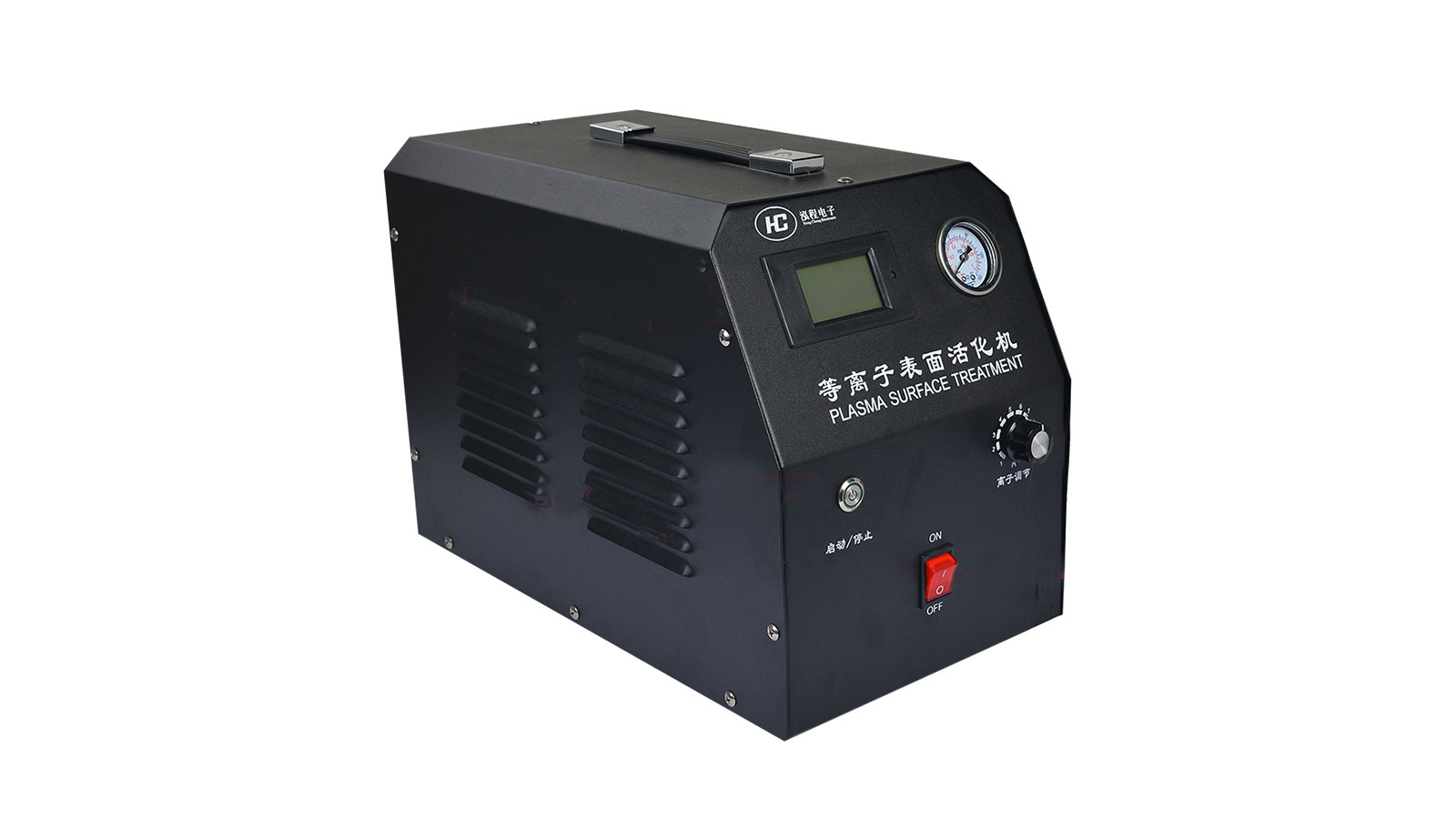
Plasma surface treatment machine
Company: Shenzhen Hongcheng Electronic Technology Co. Ltd
Shenzhen Hongcheng’s HC-X600 is a plasma surface treatment (activation) machine for industrial bonding applications in automotive, electronics, consumer goods and industrial materials manufacturing as well as printing and packaging. It meets EMC and CE standards.
MOQ: 1 set
Lead time: 1 to 5 days
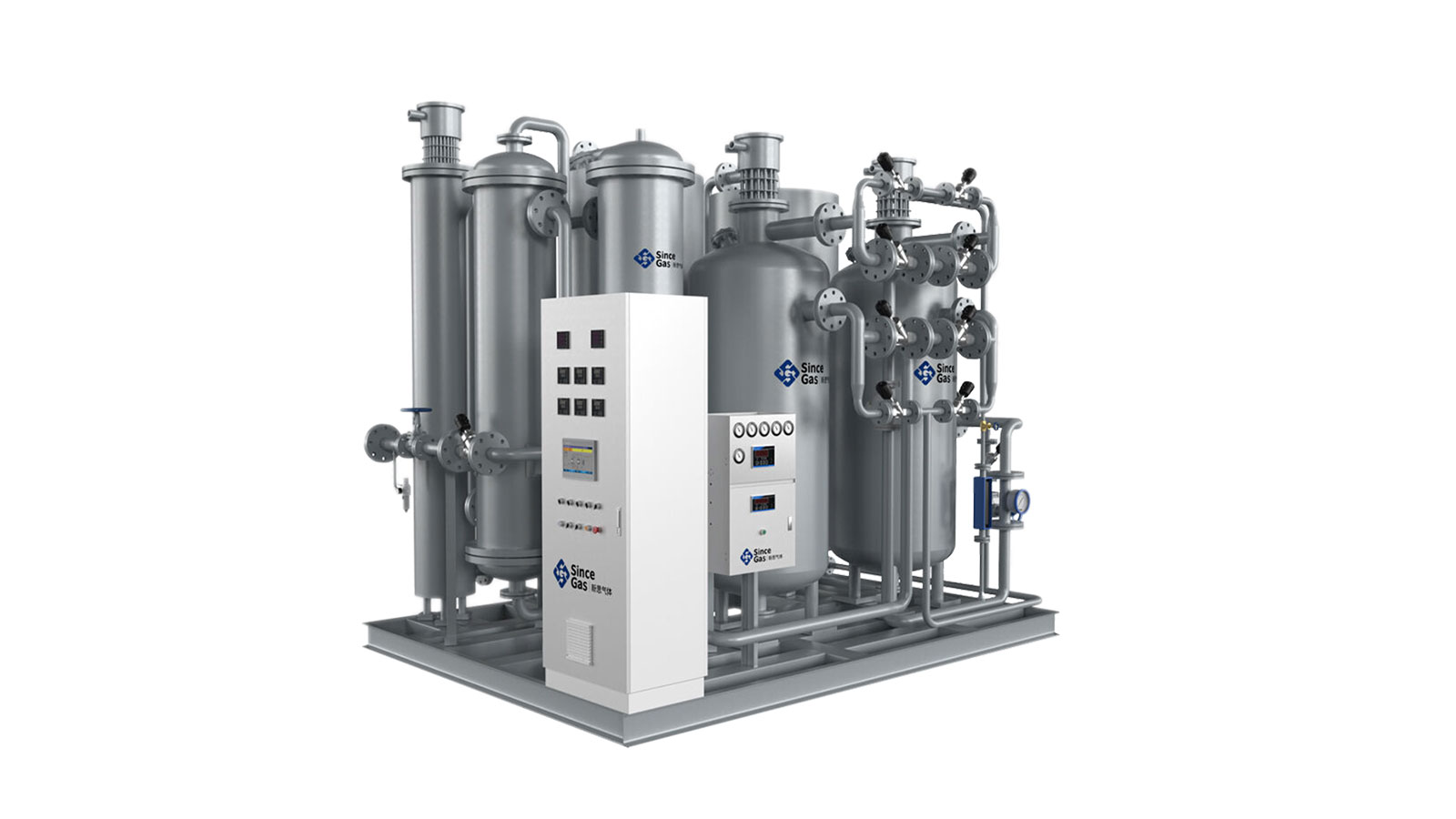
Nitrogen purification unit
Company: Suzhou Since Gas Technology Co. Ltd
From Suzhou Since, the NP-C-500 is a nitrogen purification unit that employs advanced separation and filtration techniques to remove moisture, oxygen, hydrocarbons and other impurities. The flow rate is 3 to 2,000 normal cubic meter per hour, dew point ≤-65 C, outlet pressure 0.4 to 0.6MPa and outlet pressure purity 99.999 to 99.9995 percent.
MOQ: 1 unit
Lead time: 60 to 90 days
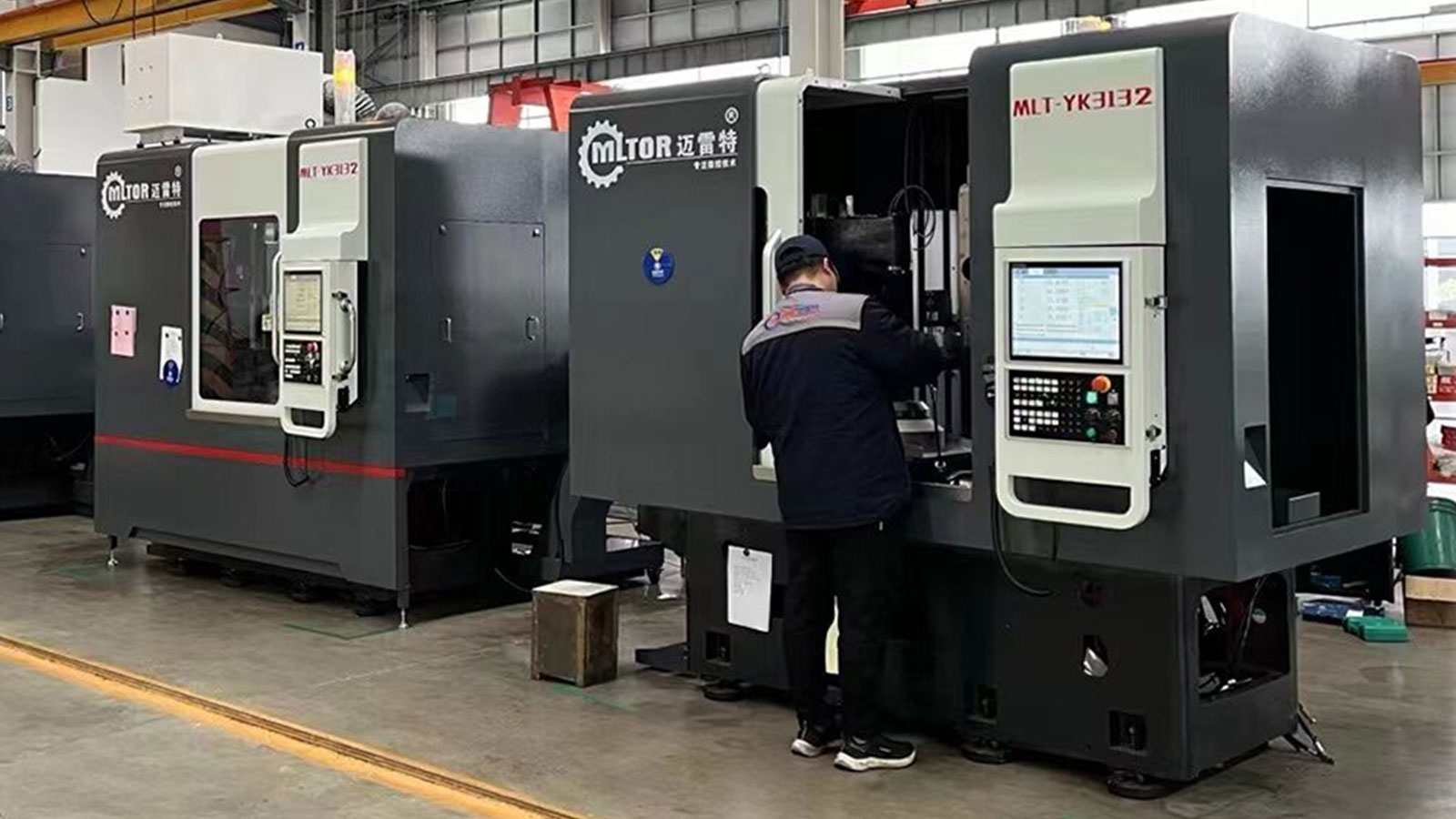
Four-axis gear-hobbing machine
Company: Zhongshan Mltor CNC Technology Co. Ltd
The YK3132-202 from Zhongshan Mltor is a four-axis gear-hobbing machine for processing spur, helical and spline types as well as worm wheels and synchronous pulleys on a 200mm-diameter turntable with 200rpm maximum speed. It has a 2 to 4mm module range and can handle up to 210mm workpiece length. This 5,000kg unit requires a factory floor space measuring 2,700x1,400x2,200mm.
MOQ: 1 unit
Lead time: 25 to 35 days

