Download App
Better Online and Trade Show Sourcing Experiences.Scan the QR code to download.
Learn More
Hot Topics
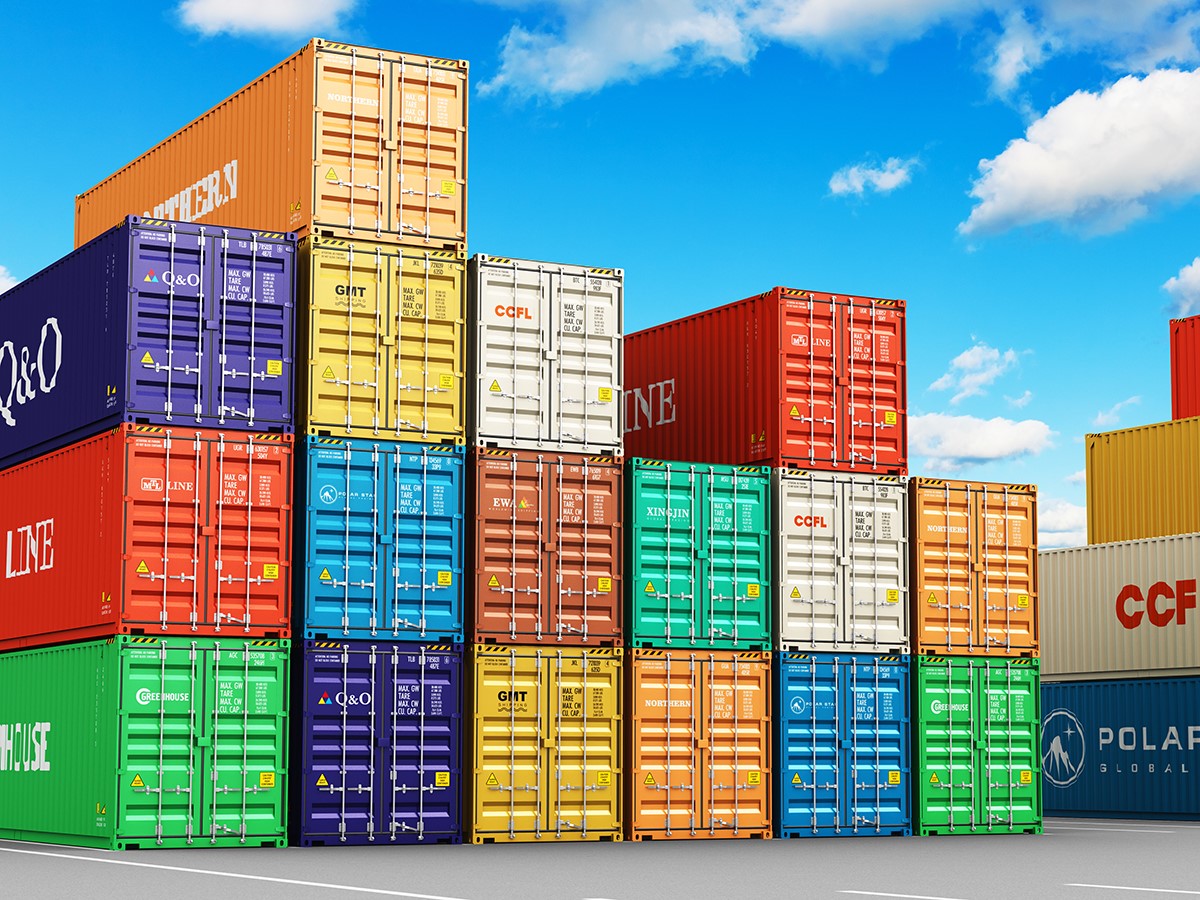
Image source: Getty
The international trade market can be demanding and knowing the export licenses and certifications necessary to sell products is fundamental. Markets worldwide have different export standards and regulations. Some countries impose specific technical restrictions – such as product testing, quality control, certification and shipping inspection requirements – which are constantly updated and expanded.
Obtaining these certifications and documents certify that products follow that recommended standards. Here are some of the marks to ensure easy market entry overseas.
The CE mark is a mandatory requirement to export products to the European Economic Area (EEA). Having the CE label means a product complies with all legal requirements and can be sold in the EEA. Manufacturers are responsible for carrying out the conformity assessment, setting up the technical file, issuing the EU declaration of conformity, and affixing the CE marking to a product.
However, not all products need to have the CE mark. It is compulsory only for most of the products covered by the New Approach Directives. Having a CE mark does not also indicate a product has been approved safe by the EU or by another authority. It does not indicate the origin of a product, either.
EU rules on Waste from Electrical and Electronic Equipment (WEEE) cover the entire supply chain and aim to promote sustainable production and consumption, as well as improve the collection, treatment and recycling of electrical and electronic equipment (EEE) at the end of its lifespan to reduce the amount of discarded electronics.
Many radio-application, communication and digital products require FCC approval to enter the US market. FCC certification covers all 50 states, the District of Columbia, and the territories of the United States. According to Title 47 of the United States Code of Federal Regulations (CFR), all electronic products entering the US must be certified for electromagnetic compatibility.
Equipment entering Australia and New Zealand must pass the applicable standard test for SAA accreditation. SAA certifies all types of electrical equipment, which must comply with AS/NZS 3820 electrical safety standards.
If the electrical equipment is regarded as Declared/Prescribed/Level 3 under the Electrical Equipment Safety Scheme (EESS), it must be approved with a Regulatory Compliance Mark (RCM). In states where RCM is mandatory, all household products must comply with the electrical equipment in the AS/NZS 4417 requirements.
Companies planning to export their products may consult with third-party inspection agencies to ensure compliance with international standards.
* Sources: European Commission, Federal Communications Commissions, SAA Approvals
More Sourcing News
Read Also

关注 “环球资源外贸” 官方微信,获取实时外贸资讯
iOS & Android
iOS & Android(Mainland China)
Copyright © 2026 Publishers Representatives Limited. All rights reserved.




