




Fences define boundaries and provide security as well as enhancing the aesthetic appeal of a property. Whether it’s for residential, commercial or industrial purposes, choosing the right fencing material is crucial. This buyer's guide will cover the various types of fencing materials available on the market, their applications and the advantages they offer.
Types of fences
There are numerous types of fences, each designed for specific purposes. Privacy fences are ideal for residential properties, providing a sense of seclusion and preventing prying eyes. Security fences, meanwhile, are commonly used in commercial and industrial settings to deter trespassing and protect valuable assets. Other popular fence types include palisade fences, wire mesh fences and bow top railings, each with its own distinct features and applications.
Metal: Known for their strength, durability and versatility, metal fences are available in various materials such as iron, aluminum and steel. They offer high security, can withstand harsh weather conditions and require minimal maintenance. Metal fences are also resistant to pests, rot and fire, and can be customized to suit specific design and height requirements. As such, these fences are commonly used in commercial and industrial settings where robustness is a top priority.
Wood: These are a classic choice for residential properties because of the timeless and rustic look they offer. Wood fences come in various styles, such as picket, privacy and split rail, and can be stained or painted. They require regular maintenance to prevent rot, warping and insect infestation, but with proper care, wooden fences can last for many years.
Vinyl: They are gaining popularity due to their durability and low maintenance requirements. Vinyl fences are resistant to fading, cracking and peeling, making them an excellent choice for areas exposed to harsh weather conditions. They come in various colors, textures and styles, requiring no painting or staining, and are easy to clean and resistant to rot, pests and moisture.
Metal fencing materials
Metal fences are widely used for their strength and security. Here are some common types and the advantages they offer:
Iron fences: They provide excellent security and are often used in historical or high-end properties. Iron fences can be customized with intricate designs and patterns, adding a touch of sophistication to any property. They offer unmatched strength and durability, ensuring long-lasting performance, and are also resistant to pests and can withstand harsh weather conditions. However, they require regular maintenance
to prevent rusting and corrosion.
Aluminum fences: They are lightweight but sturdy and are available in various styles and colors, making them widely used in both residential and commercial properties. Aluminum fences are easy to install and require minimal maintenance because they have the added advantage of rust and corrosion resistance. They are environmentally friendly as well, as the material can be repeatedly recycled.
Steel fences: Because they offer strength and security, these fences are used in high-risk areas such as industrial facilities and government sites. They are impact-resistant and can withstand extreme weather conditions. However, such fences require additional maintenance to prevent rusting.
Surface treatments used in metal fences
Various surface treatments are applied to enhance the weather resistance and extend the life span of metal fences. Here are some commonly used ones:
Galvanization: This process involves applying a protective layer of zinc to the metal surface. The coating provides excellent corrosion resistance, preventing rust and ensuring the longevity of the fence.
Powder coating: This method creates a tough and durable finish that is resistant to chipping, fading and scratching. It entails the application of a dry powder to the metal surface and then curing it with heat. Powder-coated metal fences have enhanced weather resistance and are available in a range of colors.
Epoxy coating: It forms a hard and durable layer on the metal surface, protecting it from environmental factors. Epoxy-coated metal fences are commonly used in industrial settings where resistance to chemicals and harsh conditions is essential.
What to consider when sourcing metal fencing materials in bulk
Quality and durability: Source metal fencing materials from reputable suppliers known for their quality and durability. Ensure that the materials meet industry standards and are suitable for the intended application. Conduct thorough research and read customer reviews to gauge the supplier's reliability.
Pricing: Compare prices from different suppliers for the best value, but be cautious of extremely low prices, as they may indicate subpar quality. Strike a balance between quality and affordability to make a wise investment.
Customization options: Choose a supplier that accommodates customization requests for fences based on specific requirements of your market.
Delivery and logistics: Consider the logistics of sourcing metal fencing materials in bulk. Ensure that the supplier can deliver the materials within the required timeframe and handle the logistics efficiently. Timely delivery is crucial, especially for large-scale projects.
Choosing the right material is essential for meeting your market’s preferences based on desired functionality, security and aesthetic appeal.
If you are looking for high-quality metal fencing materials, contact these verified suppliers today.
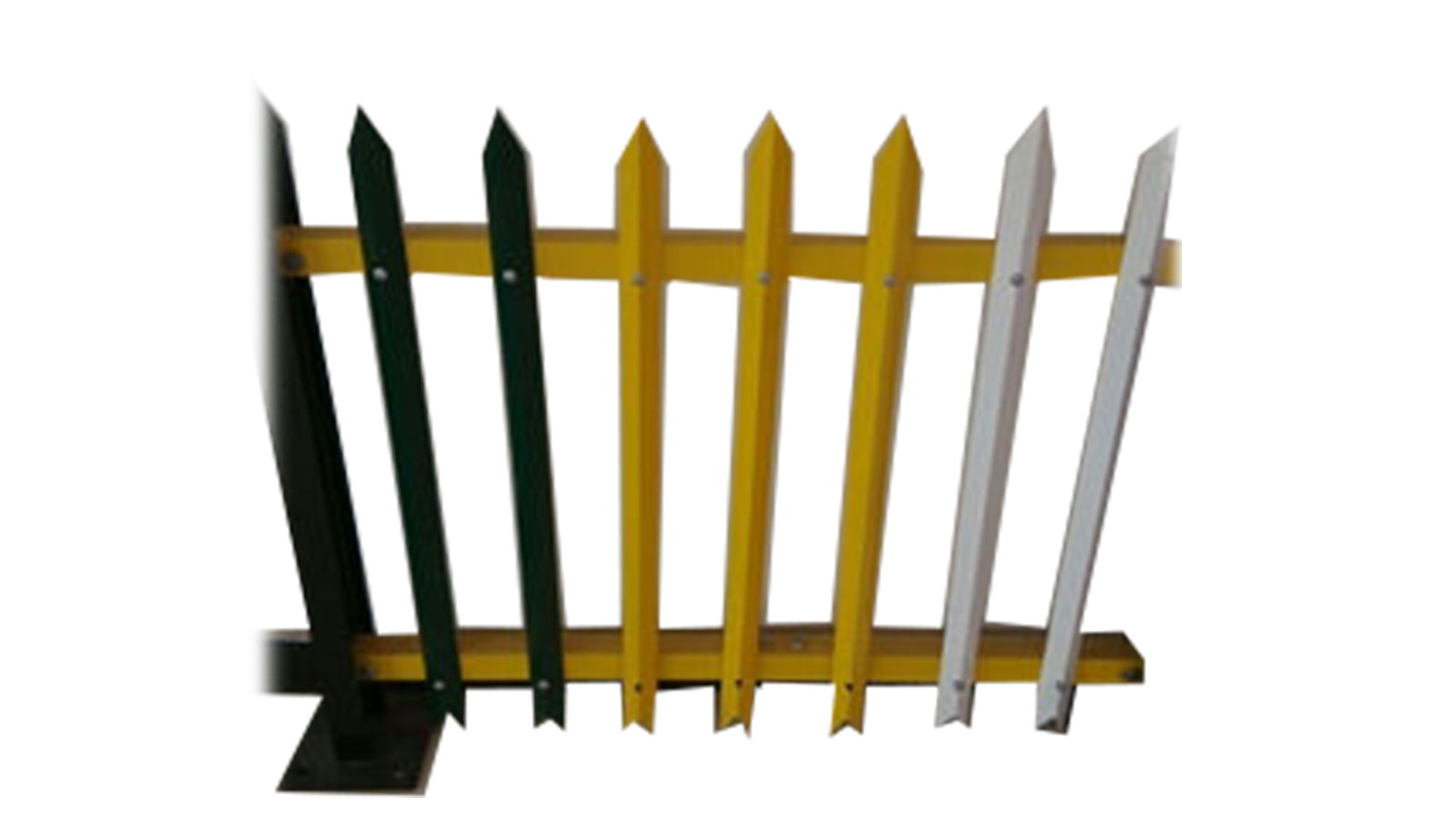
Steel palisade fence
Company: Allgood Guard Fence Ltd
The Allgood-Palisade Fence-3 from Allgood Guard Fence Ltd is made of powder-coated or hot-dip galvanized steel. It is available in variants with a pointed, triple-pointed, rounded or rounded and notched straight or bent head.
MOQ: 100sqm
Lead time: 15 to 20 days
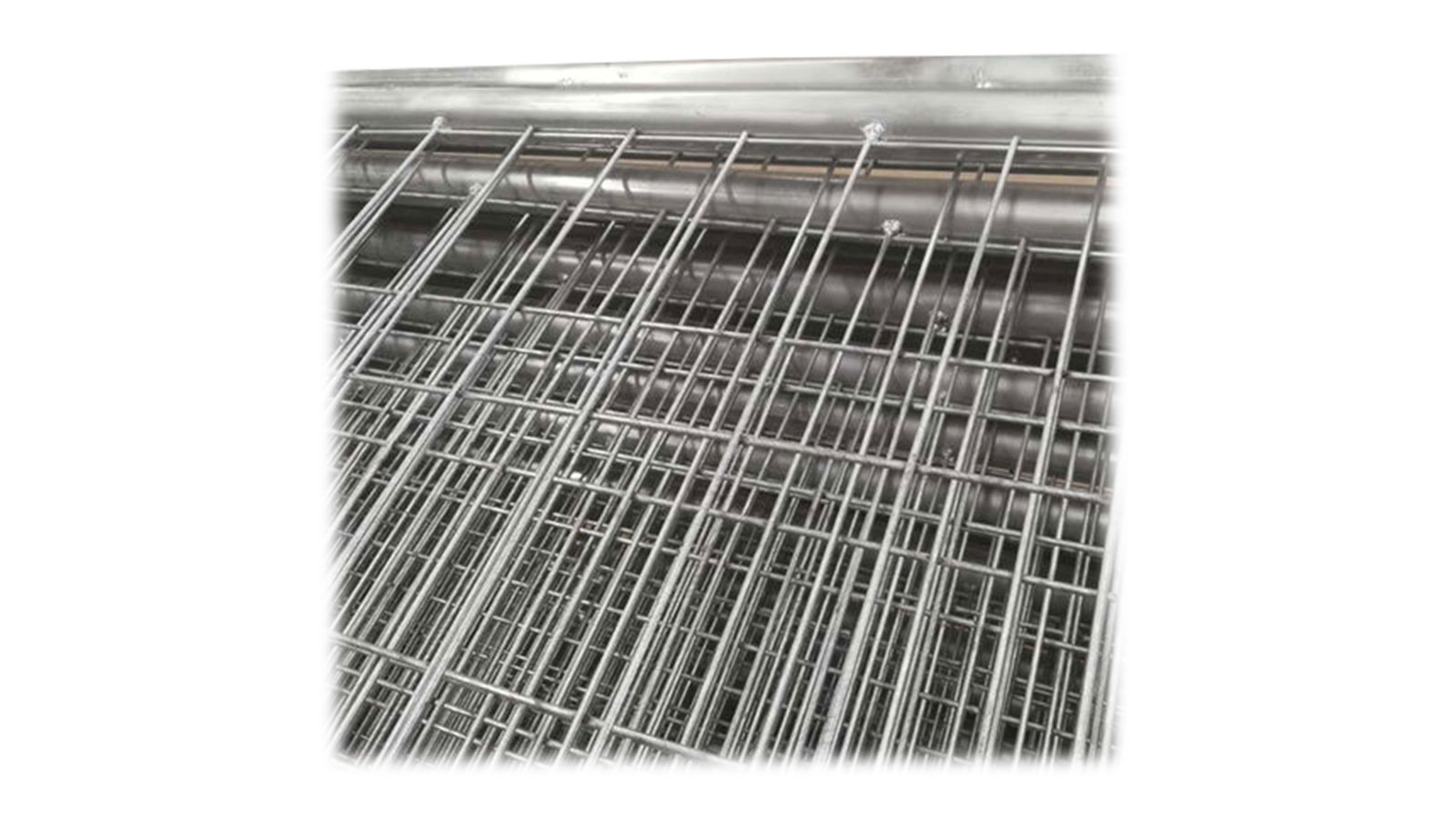
Temporary wire mesh fence
Company: Anping Sanxing Wire Mesh Fty
Anping Sanxing’s TF-001-6869 is a welded mesh fence made of SUS201, SUS304, SUS316, A2-70, A2-80, A4-80, or 4.8, 6.8, 8.8, 10.9 or 12.9 steel, which is hot-dip galvanized according to Australian standards. Its grid size is 150x60mm. This RoHS-compliant temporary fence includes stands, clips and blow-molded feet. The panel is 2,400mm long and 2,100mm high.
MOQ: 50 sets
Lead time: 15 to 25 days
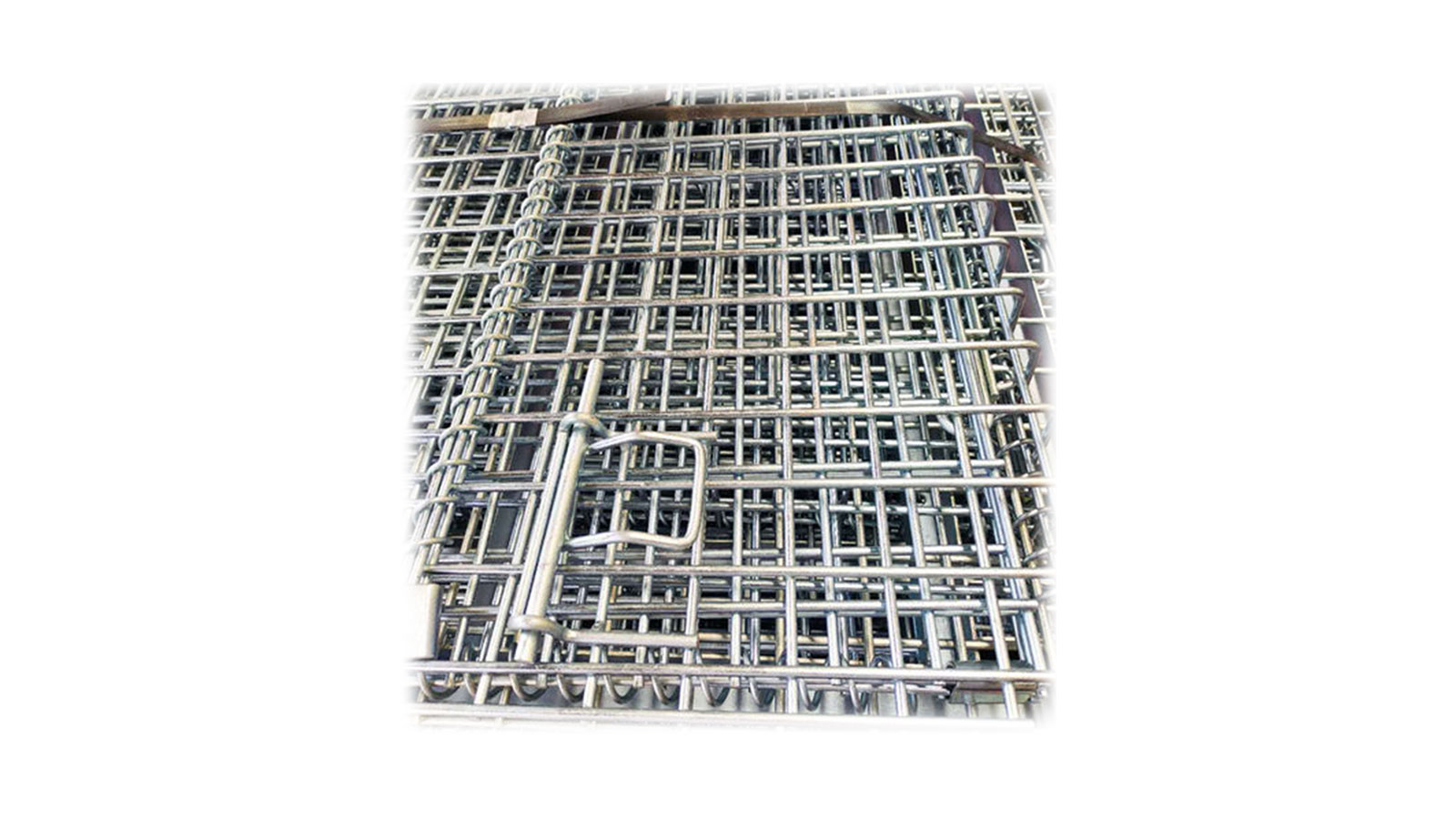
Steel mesh fence
Company: Dalian Zhong Sheng Metal Products Co. Ltd
Dalian Zhong Sheng offers model DZS076, a steel mesh fence with hot-dip galvanized surface treatment. MOQ: 10 pieces
Lead time: 30 to 40 days
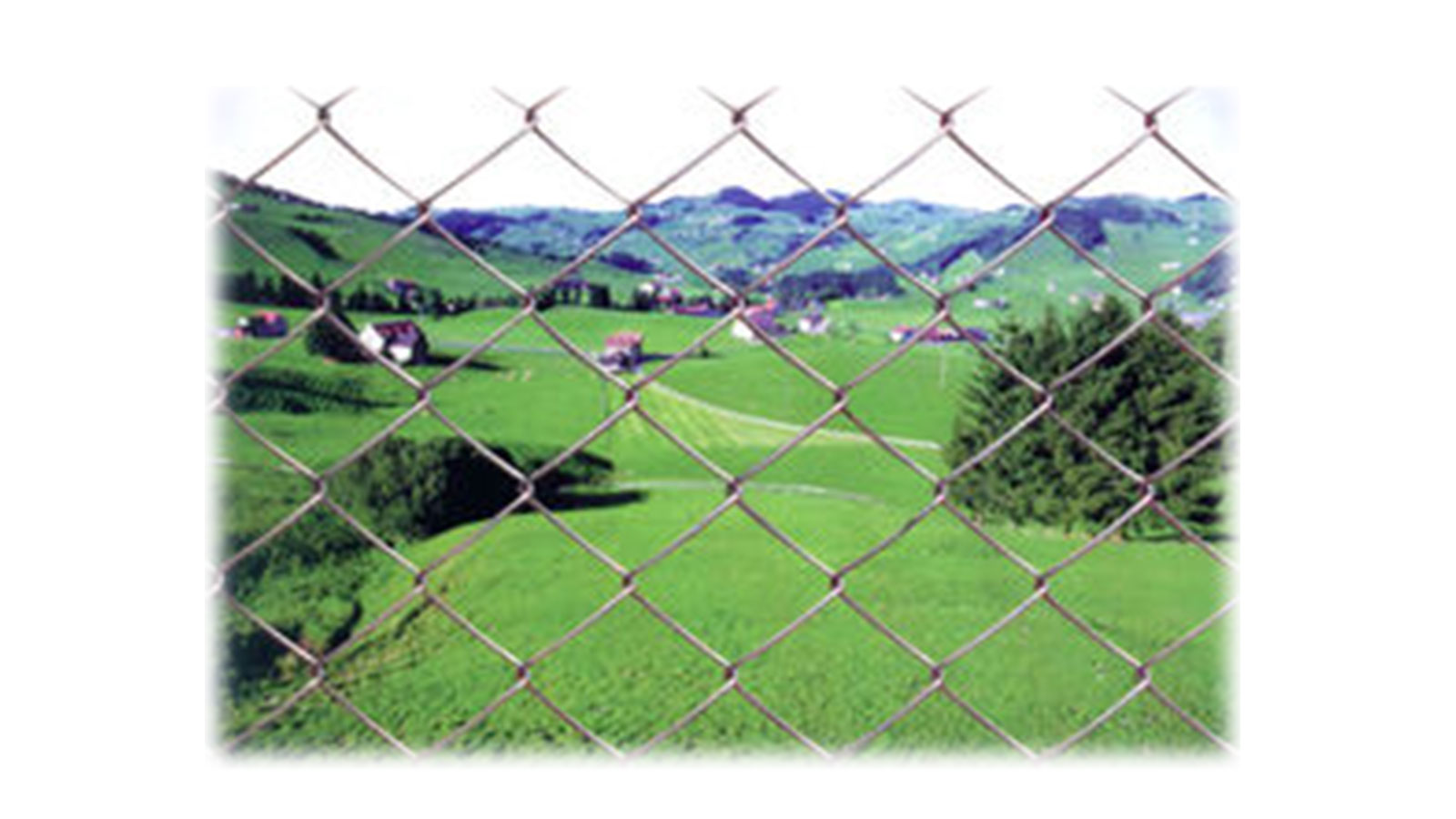
Stainless steel chain-link fence
Company: Dingzhou Huaxin Metal Products Co. Ltd
The HX-DA-2514A from Dingzhou Huaxin is a chain-link fence made of 304 or 316 stainless steel wires. The wire diameter is 1.2 to 4.5mm, the mesh opening 1, 1.5, 2, 2-1/4, 2-3/8, 2-1/2, 2-5/8, 3 or 4in and the hole opening 50x50mm, 60x60mm, 70x70mm or as requested. The fence length is 0.5 to 100m, width 0.5 to 5m and height 1 to 4m.
MOQ: 200 pieces
Lead time: 15 to 25 days
Low-carbon steel wire fence
Company: Hebei Zhengjia Wire Mesh Manufacture Co. Ltd
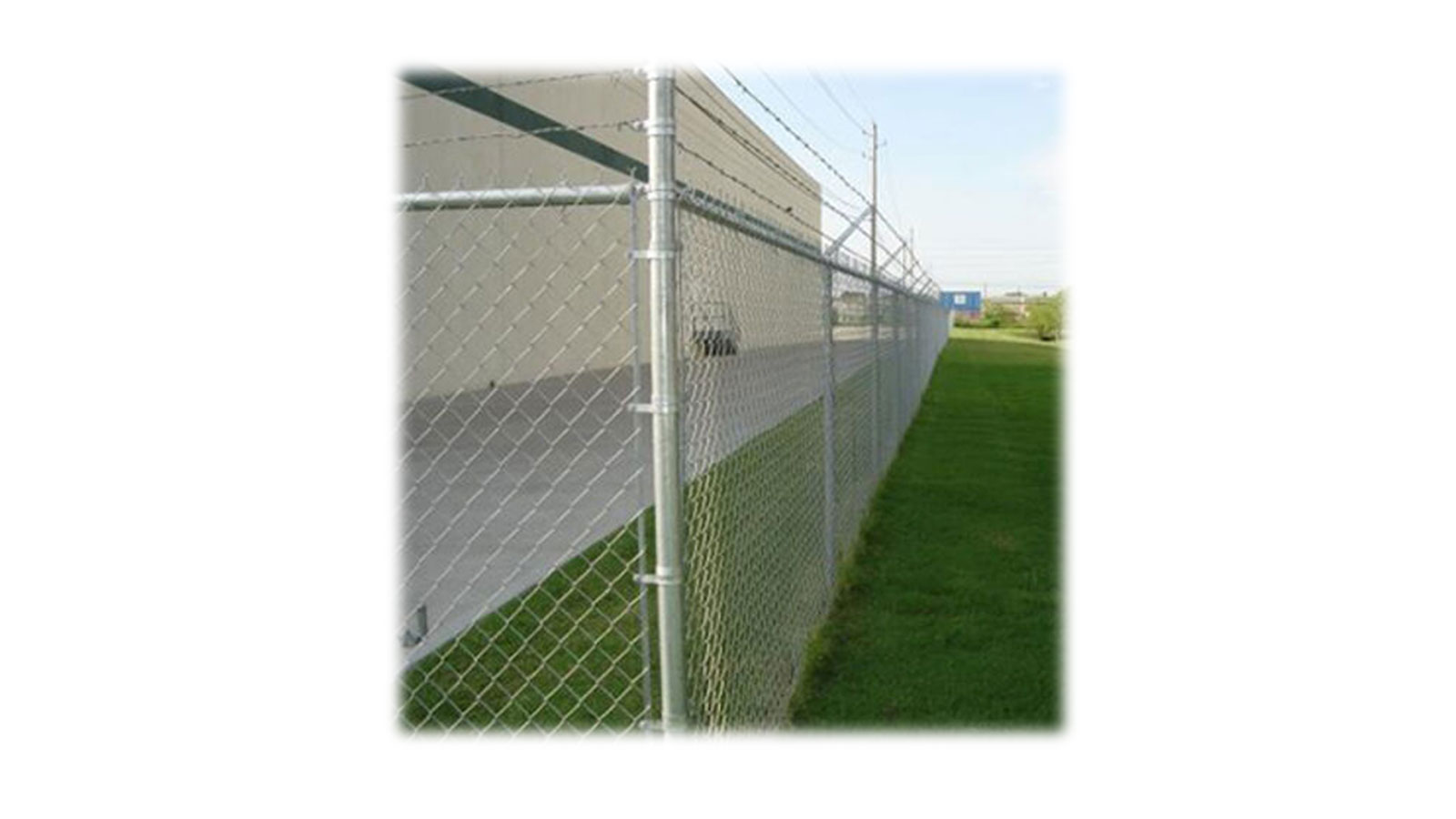
Hebei Zhengjia’s ZJ-2023-0913003 is a galvanized chain-link fence made with low-carbon steel wire. It is also available in a version with a plastic coating.
MOQ: 100 sets
Lead time: 10 to 20 days
Slat fence
Company: Shanghai Everskill Mechanical & Electric Products Co. Ltd
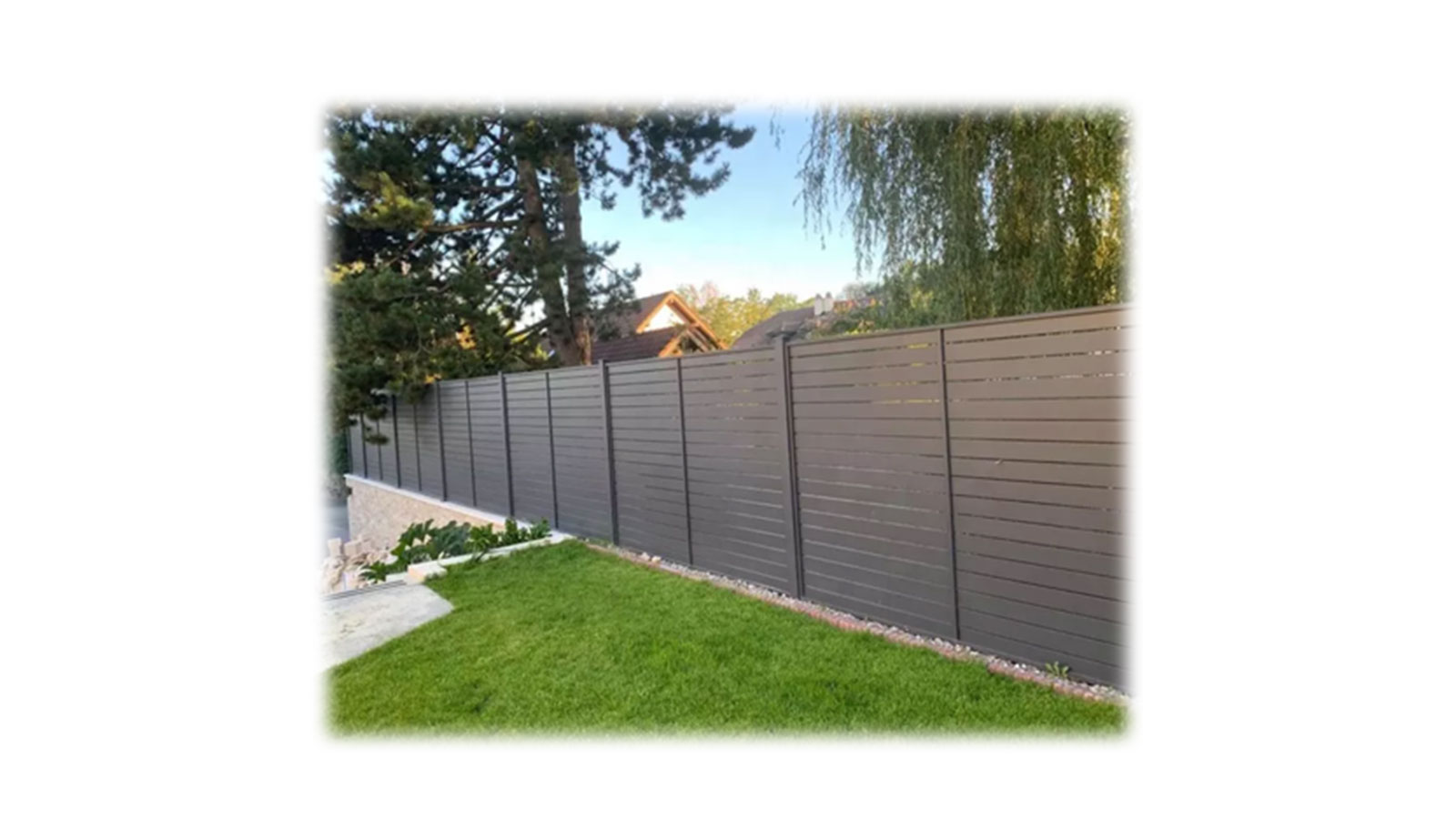
Shanghai Everskill markets the ES-AE-2022112804, a slat fence made of 6063, 6061, 6060, 6082 or 7075 aluminum alloy subjected to T5 or T6 heat treatment. This product has a mechanical polished, sandblasted or milled finish. Various sizes and styles are available and custom requirements are accepted.
MOQ: 1 piece
Lead time: 30 to 45 days

