Download App
Better Online and Trade Show Sourcing Experiences.Scan the QR code to download.
Learn More
Hot Topics
Fitness tracking built into wrist wearables and smart clothing has received a lot of attention this year at the expense of the all-purpose smart watch.
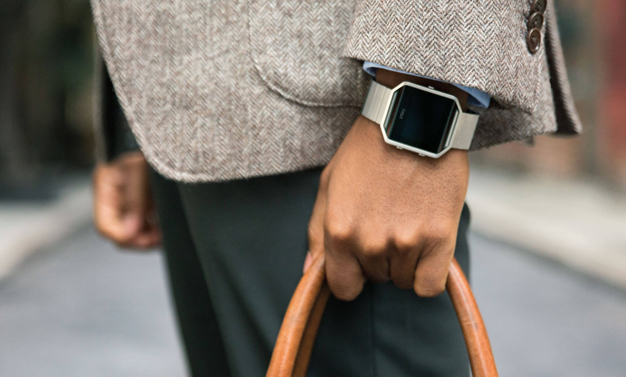
The Fitbit Blaze is billed as a “fitness watch” to define its focus and distinguish
it from competitors (Image from Fitbit)
Fitness was a big theme at the Consumer Electronics Show this year, as CNET has noted. The theme has taken different forms in wearables that include the classic wrist-worn trackers and the newer, still untested clothing wearables. CNET wonders if clothing wearables are the next big thing. Small companies such as Hexoskin and Sensoria are getting into the space, as is Samsung. CES saw shirts, leggings, socks and a sports bra that all had sensors built into them. However, the Hexoskin Smart is $399, and the OMSignal smart bra will cost $149. That is a steep starting point, but like all technology, costs will come down over time and that could make these things more enticing to consumers.
Clothing did not outshine wearables for the wrist, though. Perhaps the device getting the most attention is the Fitbit Blaze, the smart watch that is not being tagged as such. Fitbit is calling its new device a “fitness watch,” but the design still invites comparisons with the Apple Watch. It is a less capable device, though, with Fitbit emphasizing the same thing it has always focused on: fitness. The Verge seems to think this is because smart watches no longer appear so enticing, with the technology’s promise largely unfulfilled over the course of 2015. Having fewer features prolongs battery life and simplifies the experience for consumers.
Other more minimalist wrist wearables also appeared at CES. These devices include the Misfit Ray, Mira Opal and Jawbone Up2, which was actually released last year. These fitness trackers target the jewelry market more than any other. The Opal looks like a fashionable gold bracelet and Misfit has long been championing better fashion in the wearables space. The Up2 is perhaps the least fashion-conscious of the bunch, but it still uses a minimalist design that it blends well with most outfits. Fitness tracking is one of the most important functions of wearables these days, so it is no surprise that this has become the focus. Scaling down features, reducing costs and improving battery life have consumers responding positively, too. Xiaomi’s $15 Mi Band has vaulted the company into third place in the wearables market. Until its technology improves, the all-purpose smart watch might be taking a backseat to devices that emphasize health or other dedicated functions.
More Sourcing News
Read Also

关注 “环球资源外贸” 官方微信,获取实时外贸资讯
iOS & Android
iOS & Android(Mainland China)
Copyright © 2026 Publishers Representatives Limited. All rights reserved.