




Gears are essential components in various industrial and mechanical applications, from automotive transmissions to wind turbines. They have a significant impact on the performance, efficiency and reliability of any machinery. This buyer's guide will explore the fundamentals of gears, including various designs and materials, and provide insights on sourcing them in bulk to meet your market’s specific needs.
How gears work
Gears are mechanical devices that transmit rotational motion and power from one component to another. They consist of toothed wheels that mesh together, allowing for the transfer of torque and speed. This simple yet ingenious design principle has been utilized in machinery for centuries, enabling the development of complex and sophisticated systems.
These mechanical devices also enable the change in speed, torque or direction. This is achieved through the interaction of the gear teeth, which are designed to engage and disengage in a smooth and controlled manner. By varying the size, shape and number of teeth on the gears, engineers can ensure precise control of the gear ratio, which determines the relationship between the input and output speeds.
Understanding the underlying principles of gear operation is crucial when selecting the right gears for intended applications. Factors such as speed, torque and power requirements, as well as the operating environment and constraints, must be carefully considered to ensure optimal performance and reliability.
Gear designs and parts
Gears come in a variety of designs with distinct features and applications. Some of the most common types include:
Spur gears: These are the most basic and widely used type, featuring straight, parallel teeth that mesh together. Spur gears are known for their simple design, efficiency in transmitting power and low cost. They are found in industrial machinery and automotive transmissions.
Helical gears: They have teeth that are angled or helical in shape, allowing for a smoother and quieter operation compared to spur gears. Helical gears are usually used in high-speed and -load applications such as in automotive transmissions and industrial gearboxes.
Bevel gears: Used to transmit power between intersecting or nonparallel shafts, typically at a 90-degree angle, these gears are found in automotive differentials and other applications, including machine tools, requiring a change in shaft direction.
Worm gears: They consist of a screw-like gear that meshes with a gear with teeth that engage the worm. This design allows for a high gear reduction ratio and is commonly used where a large torque output is needed, such as in winches, jacks and conveyor systems.
Rack and pinion gears: It is a system consisting of a straight gear or the rack that meshes with a circular gear or the pinion. This arrangement is usually adopted in automotive steering systems and linear actuators, where the rotation of the pinion gear causes the rack to move linearly and provide the necessary steering input.
In addition to the teeth, gears are composed of parts such as the body or rim, hub and shaft. The design and manufacturing of these individual components play a crucial role as well in the overall performance and durability of the gear assembly.
Materials
The materials used in manufacturing gears are critical, as they directly impact strength, wear resistance and overall life span.
Steel is the most widely used for its high strength, durability and cost-effectiveness. Different grades, such as carbon steel, alloy steel and stainless steel, are employed depending on the specific application requirements.
Cast iron is for gears used in low-speed and -load applications. This metal is the usual choice when cost and ease of manufacturing are important factors.
Aluminum, which is inherently lightweight and corrosion-resistant, suits applications where weight reduction is a priority. It is used in gears for the aerospace and automotive industries.
Plastic gears are gaining popularity in certain applications due to their low cost and weight, and self-lubricating properties. The common materials used include nylon, acetal and PU.
Composite materials, such as fiber-reinforced polymers, are increasingly used in gear manufacturing. They combine the advantages of different materials, resulting in improved strength, durability and corrosion resistance.
The selection of the appropriate gear material depends on operating conditions, load requirements, speed and environmental factors. Manufacturers usually employ advanced heat treatment, surface finishing and other techniques to enhance the performance and life span of gear components.
Tips on sourcing gears in bulk
When sourcing gears in bulk, there are several important factors to consider. Here are some tips:
Define requirements: Establish a clear understanding of the specifications, including size, shape, material, gear ratio and any other relevant parameters. This will help you identify the appropriate gear manufacturers and suppliers.
Do research: Investigate the capabilities of potential gear manufacturers. Look for companies with a solid record of delivering high-quality products and dependable customer service. Examine their production capacity, equipment and QC processes.
Consider lead times: Check for options for expedited or rush orders if necessary. This will help you plan your production schedule and avoid delays.
Inquire about customization and modifications: Some gear manufacturers may be able to provide custom-designed or modified gears to better suit your application. Discuss specific needs and explore the possibilities for customization.
Prioritize quality and durability: While cost is an important factor, it should not be the sole decision-maker. Put a premium on the quality and durability of the gears to ensure long-term performance and reliability.
Keep up communication and collaboration: Maintain an open line of communication with your chosen gear supplier throughout the sourcing process to ensure that your requirements are clearly understood and that any problems or adjustments are dealt with promptly.
Look into discounts for purchasing in bulk: Ask about potential cost savings such as volume discounts. Ordering larger quantities may lead to more favorable pricing.
By following these tips, you can secure high-quality gears that meet your production requirements.
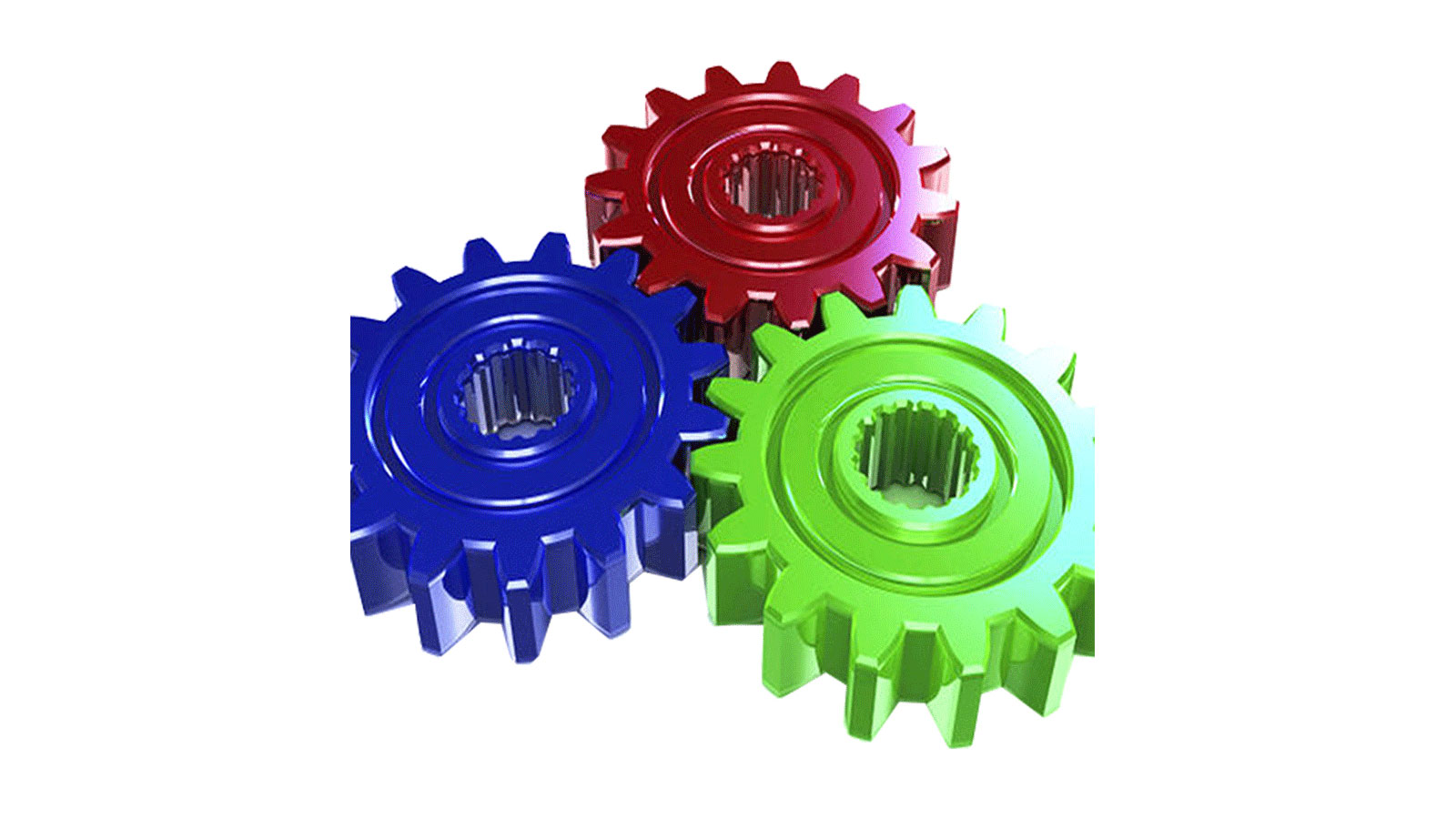
Investment cast steel gear
Company: Dalian Zhong Sheng Metal Products Co. Ltd
Dalian Zhong Sheng manufactures gears made of investment cast steel and finished using machining. An example is model DZS119.
MOQ: 100 pieces
Lead time: 30 to 40 days
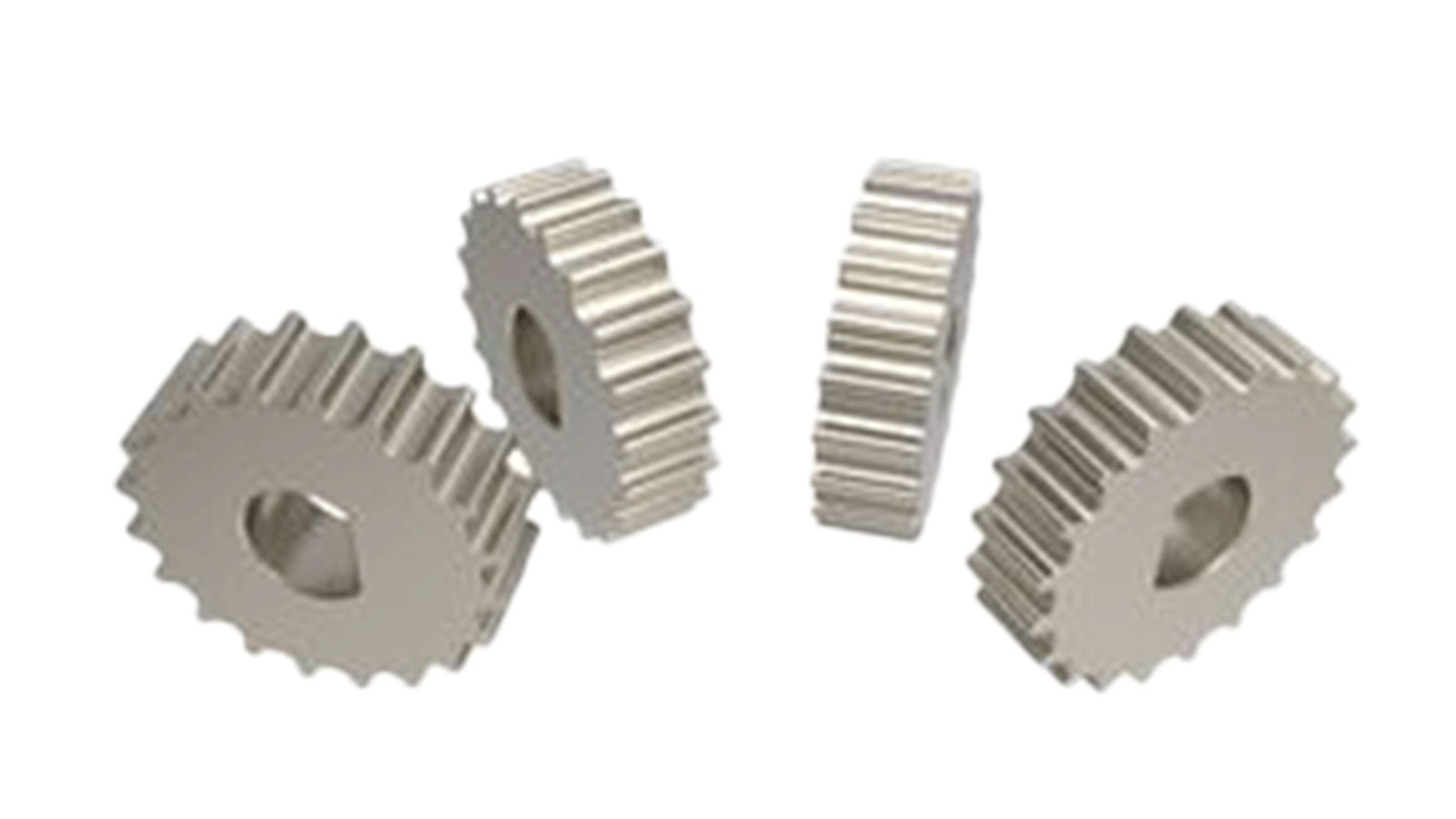
CNC machined gear
Company: Dongguan Huateng Metal Products Co. Ltd
The HYXC21067 from Dongguan Huateng is a CNC-machined gear made of steel or steel alloy and subjected to heat treatment, with the size and finish based on custom requirements. It is RoHS-compliant. The supplier uses advanced CNC machines and testing equipment.
MOQ: 10 pieces
Lead time: 30 to 60 days
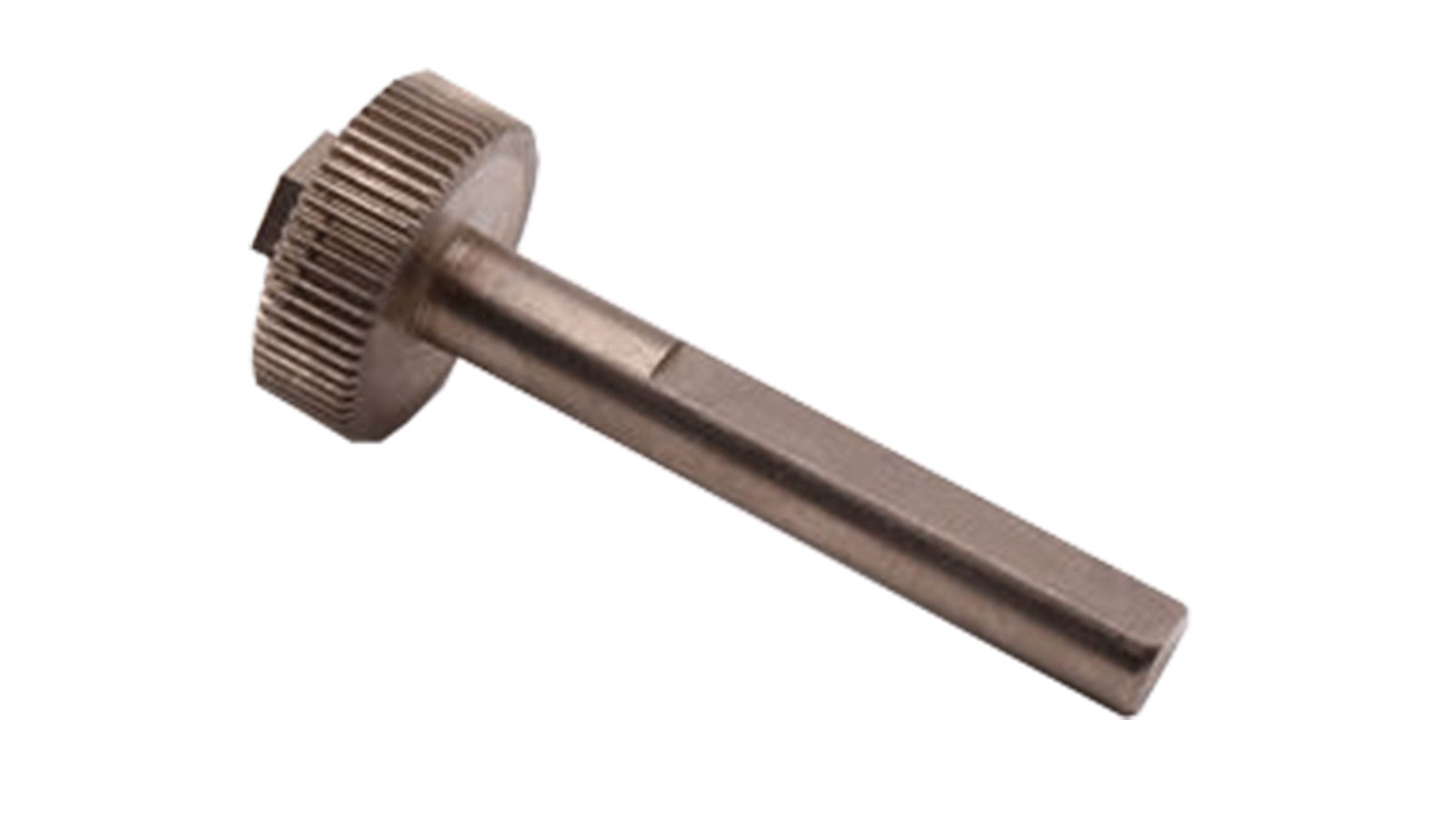
Gear with straight teeth
Company: Dongguan Kinggold Industry Co. Ltd
Dongguan Kinggold produces gears with straight teeth using automatic lathes. For valves, its model KGI01-002H is made of grade 40 steel and may have zinc, copper, nickel or other plating.
MOQ: 1,000 pieces
Lead time: 7 to 25 days
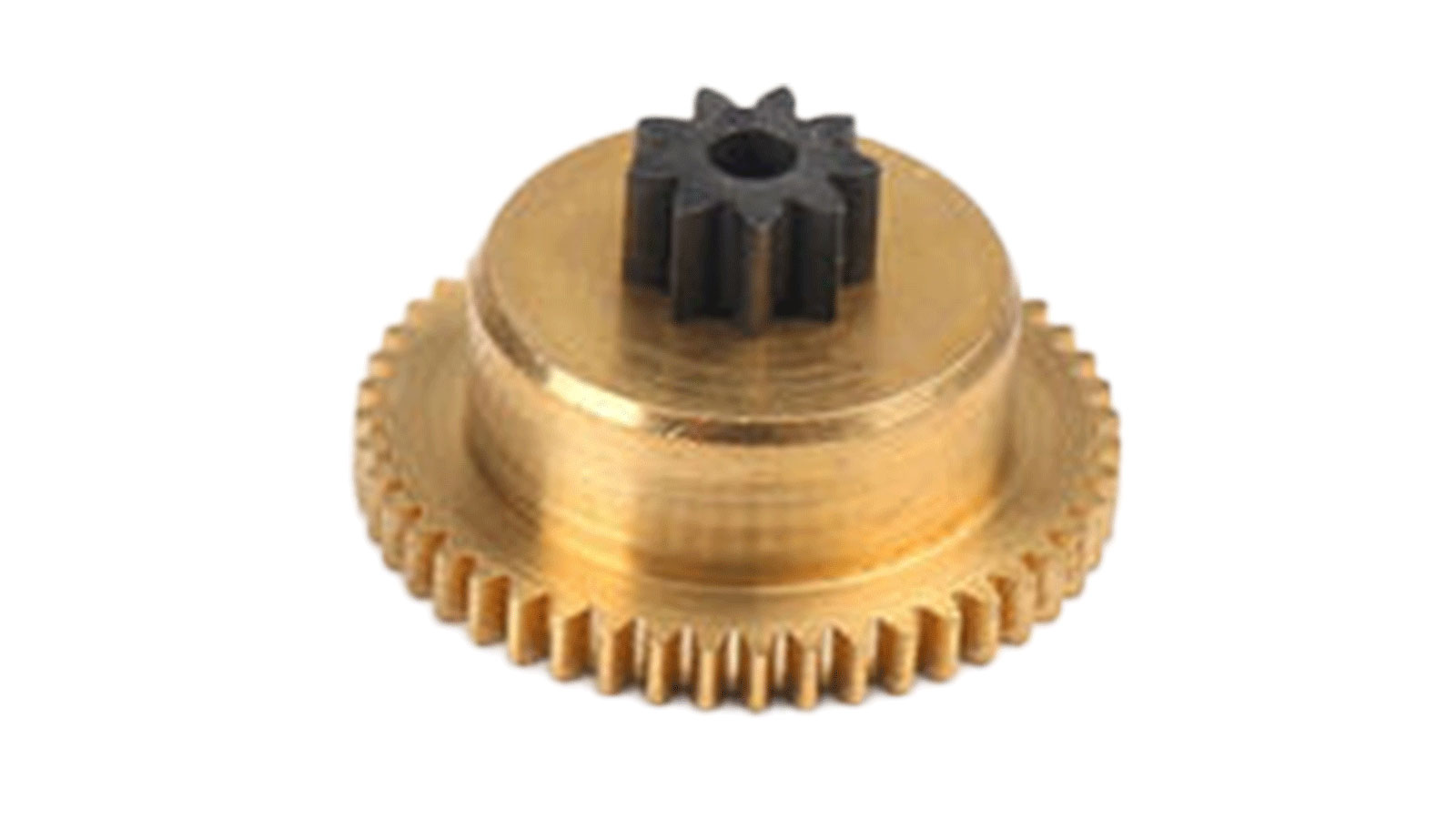
CNC-machined gear, ±0.01mm tolerance
Company: Dongguan Xinruida Precision Technology Co. Ltd
The Gear Motor-9115 from Dongguan Xinruida is a gear made of CNC-machined brass or grade 304 stainless steel, with tolerance of ±0.01mm. It has a clear anodized finish. The supplier accepts customized designs and provides prototyping and reverse engineering services.
MOQ: 100 pieces
Lead time: 7 to 15 days
Spur-type gear
Company: Hebei Jiangzhi Machinery Equipment Co. Ltd
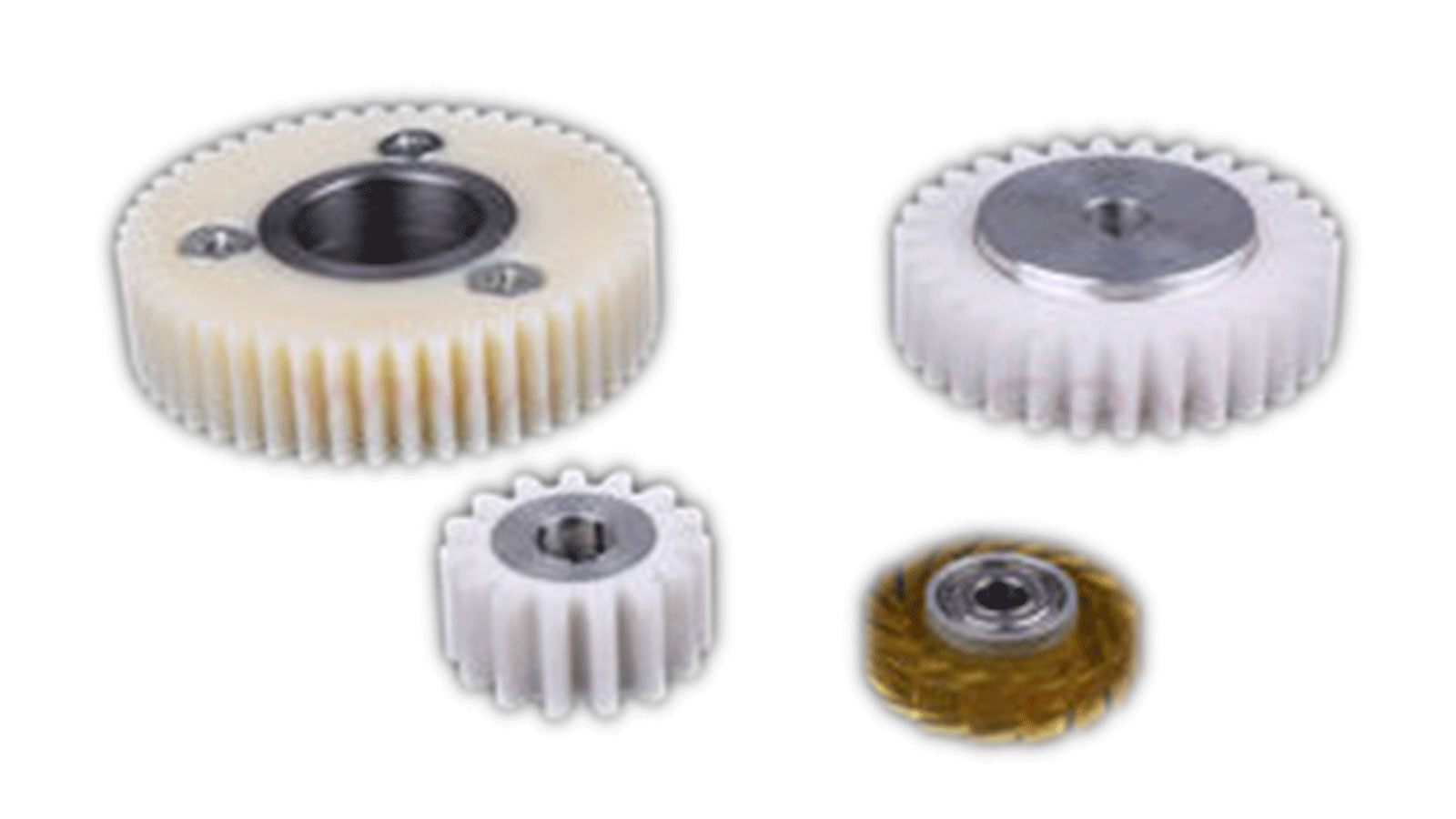
Hebei Jiangzhi’s model Gears-43-0444 is a spur gear made of plastic, rubber, PU or TPE. It is available in small and large sizes, with tolerance of ±0.2mm and the maximum being 2,500x2,000x1,500mm. The supplier uses a single- or multicavity mold that can handle 500,000 to 800,000 shots.
MOQ: 100 pieces
Lead time: 4 to 6 weeks
Brass pinion gear
Company: Shanghai Everskill Machining Co. Ltd
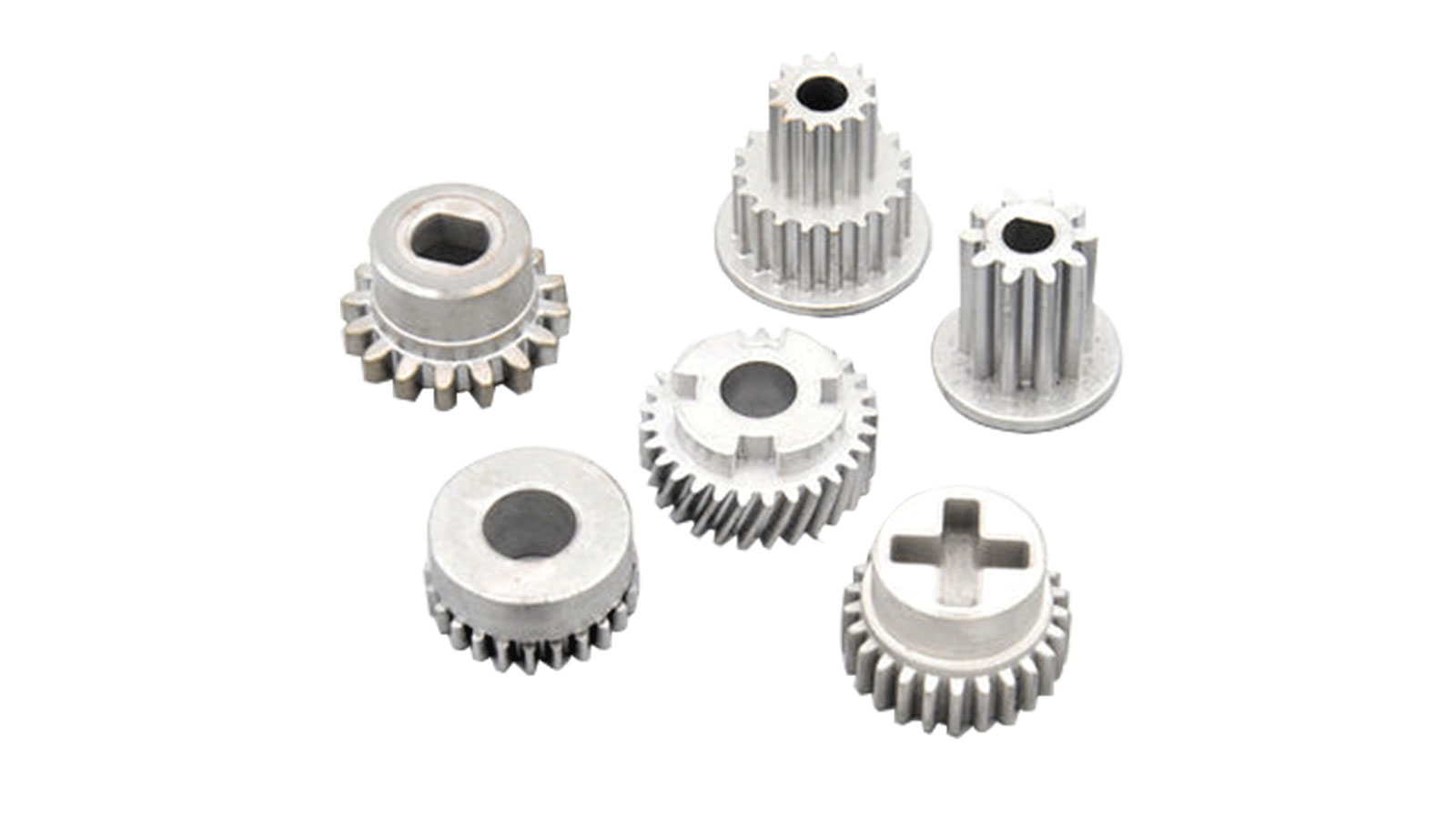
Shanghai Everskill’s ES-C-2022062901 is a small brass pinion gear available with a 0.2, 0.3, 0.4, 0.5, 0.6, 0.7 or 0.8 module. It is customizable and can be made of aluminum, copper, stainless steel or other materials. CNC machining is used. The supplier accepts drawings in various formats.
MOQ: 1 piece
Lead time: 20 to 30 days

