Download App
Better Online and Trade Show Sourcing Experiences.Scan the QR code to download.
Learn More
Hot Topics
The Basslet is a wrist wearable that synchronizes with audio through a dongle that plugs into any 3.5mm audio jack.
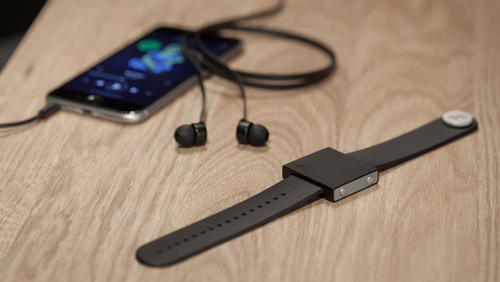
The Basslet uses vibrations on the wrist to help users “feel the music”
(Source: Lofelt)
Wearables are getting more specialized than ever. The biggest opportunity so far has been fitness-tracking wearables, but a new company wants to give people more bass. The Basslet, a wrist wearable from Germany company Lofelt, is designed to help people "feel the music." Users are able to feel the bass through vibrations on the wrist that synchronize with the low audio tones in whatever the person is listening to. The product comes with a Basslet adapter that plugs into any 3.5mm audio jack, while the headphones connect into the adapter.
The Basslet was launched on Kickstarter and is currently selling for 129 euros or $146. The company said the retail price will be about 200 euros or $226. That is a lot of money to get better bass, especially when good smart watches similar to the Pebble and wristbands such as Fitbit sell for less. This product is likely not aimed at the average consumer. This is for people who put a premium on sound quality and experience. Lofelt suggests in its Kickstarter campaign that it could be useful for DJs who want to know what the bass will sound and feel like in a club.
Using a 3.5mm jack makes this device useful in a variety of settings. It will work on a lot of different equipment, making it suitable for musicians. However, the device might not work on smartphones for much longer. Some handsets have already done away with the 3.5mm jack in favor of digital audio pushed out through the USB-C port or Bluetooth headphones. Apple is expected to do the same with its next iPhone.
The headphone limitation might not matter to the niche audience Lofelt is targeting. The company has already surpassed its goal on Kickstarter, so there is clearly demand for this kind of product. It also shows that people are willing to pay for unique wrist wearables that do not count steps or show app notifications.
More Sourcing News
Read Also

关注 “环球资源外贸” 官方微信,获取实时外贸资讯
iOS & Android
iOS & Android(Mainland China)
Copyright © 2026 Publishers Representatives Limited. All rights reserved.




