




Image Source: Pexels
Table of Contents
Part 1. Wholesale Products: Process for Buying Wholesale Items
Part 2. Do I Need a Wholesale License to Buy Wholesale Products?
Part 3. How to Become a Wholesale Items Buyer
Part 4. How to Buy Wholesale Without a Business
Part 5. How to Buy Wholesale Products for Resale
In the vast landscape of commerce, wholesalers play a crucial role that often stays hidden behind the scenes, but their influence resonates across numerous industries. Wholesaling involves purchasing goods in large quantities from manufacturers and distributing them to retailers or other businesses, serving as a vital link in the supply chain for seamless and widespread product distribution. This practice enables efficient and effective distribution on a massive scale, ensuring a smooth flow of goods throughout the market.
Buying wholesale products can be a great way to save money on items that consumers use frequently or to start a small business. However, wholesale buying can also present challenges, especially for individuals who do not own a company or business. This is a common concern for many individuals interested in accessing wholesale prices without the structure of a formal business entity.
Part 1. Wholesale Products: Process for Buying Wholesale Items
Wholesale products are an essential part of the retail industry. They are purchased in bulk and sold at a markup to customers. Wholesale items can range from food and clothing to electronics and household items. The process for buying wholesale items can be overwhelming for those who are new to the industry. They might not know where to source products from or how to manage inventory. Fortunately, there are resources available to help newcomers navigate the wholesale buying process with confidence. Here are the basic steps to get started.
1. Identify your needs
Buying wholesale without a business can still be advantageous, particularly for individuals looking to save money on bulk purchases. Identifying needs in this context involves determining the reason behind your wholesale purchase. Are you buying for personal use, reselling, or creating handmade goods? Knowing the purpose will help you narrow down your product choices and quantities. When sourcing wholesale products, it is important to identify your specific needs upfront by making a detailed list of the items required along with quantities, specifications and any other relevant details. You should also set a budget for your order, determine expected quality standards, research reliable suppliers by reading reviews and checking pricing and service reputation, and be aware of minimum order quantities to ensure you can meet requirements. Doing this preparation ensures you purchase the right products for your needs or business goals, while staying on budget and ordering from reputable suppliers that meet your standards in quality and service.
2. Research suppliers
It's important to thoroughly research potential suppliers before making a purchase. Start by making a list of suppliers that offer the types of products you're interested in. Search online marketplaces and directories like Global Sources to find options. Check supplier websites for information on minimum orders, payment terms, shipping policies and product quality standards. You can also attend virtual and in-person trade shows or read online reviews from previous wholesale customers to get an unbiased perspective on a supplier's service, reliability and products. Consider contacting suppliers directly with questions. Once you have a list, compare pricing, lead times, product photos and details, and return and exchange policies among the top options. Use any trial product programs suppliers offer to test quality first-hand. Choosing a supplier with a good reputation for value, on-time shipping and responsiveness to issues will help ensure your first wholesale purchase goes smoothly, whether launching a small business or personal side venture.
Taking time to vet suppliers upfront lays the foundation for a positive experience. Reviewing multiple sources and directly engaging suppliers provides valuable intel to make an informed choice that matches your needs and budget.
3. Contact suppliers
Wholesale buyers can contact suppliers through various channels such as direct contact via phone, email, or website, attending trade shows, utilizing online marketplaces like Global Sources, networking within their industry, joining industry associations for supplier directories, engaging with suppliers on social media platforms, and seeking referrals from colleagues or industry contacts. It's essential for buyers to clearly communicate their requirements and establish transparent relationships with suppliers to ensure smooth transactions and long-term success in the wholesale business.
4. Negotiate terms and prices
If you aren’t buying products at the right price, you will never be able to make a profit. Due to this reason, negotiating the right price is a must. Negotiating terms and prices can help you get better deals and save money. While negotiating wholesale terms and prices without a business can be challenging, it's still possible. To ensure successful wholesale purchasing, it's essential to start by researching market prices for the desired products, providing a baseline for negotiations. Building a positive relationship with the wholesale supplier through genuine interest and respect can enhance negotiation outcomes. Don't shy away from requesting discounts, particularly for bulk purchases, and compare quotes from various suppliers to leverage the best deal. Negotiating favorable payment terms and bundling products for better pricing are additional strategies to consider. However, if terms aren't met, being willing to walk away underscores the commitment to securing a fair agreement.
5. Place orders
Once you have found a reputed wholesaler and negotiated a fair price, it is time to place your order. This can be done online or over the phone, depending on the wholesaler's preferred method of communication. It is important to be clear about the quantity, price, and delivery date of your order. You should also confirm the payment terms and any other details before placing your order.
6. Arrange payment
Payment terms for wholesale items can vary depending on the wholesaler's policies. Some wholesalers require full payment upfront, while others may offer payment terms such as net 30 or net 60. Clarifying these terms beforehand is essential to prevent any misunderstandings or disruptions in the purchasing process. Additionally, for individuals without a formal business structure, negotiating payment terms that align with personal financial capabilities can be advantageous. This ensures smooth transactions and fosters a positive relationship with the wholesaler, potentially leading to more favorable terms in the future.
7. Track delivery
Shipping and delivery are also important factors to consider when buying wholesale items. Understanding the logistics involved, such as shipping costs, delivery timelines, and any associated fees, can significantly impact the overall cost and convenience of purchasing wholesale items. Some wholesalers may offer free or discounted shipping for bulk orders, while others might require buyers to arrange their own transportation or cover shipping expenses separately. Additionally, being aware of any minimum order requirements for free shipping or other shipping-related incentives can help buyers optimize their purchasing decisions. By factoring in shipping and delivery considerations alongside product pricing and payment terms, wholesale buyers can make well-informed decisions that maximize value and efficiency.
8. Receive & inspect products
Quality control is crucial when buying wholesale items. When your wholesale order arrives, it's important to carefully inspect all products and packaging. Have the delivery made to a secure location where you can closely examine everything received. Check quantities against your purchase order and open each box to spot check items. Verify that specifications like sizes, colors and materials match what was promised. Test samples where possible to ensure quality and proper functioning. Document any shortages, damages or issues immediately by noting specifics and taking photos if needed.
Do not hesitate to contact the supplier promptly about any discrepancies or subpar items. Discuss resolving problems through replacement, partial refund or other means. Always respond to quality issues respectfully to maintain a good business relationship. Once confirmed in good order, properly store inventory until resale. Even when purchasing wholesale without a formal company structure, properly receiving and inspecting items protects your investment and sets the stage for accountability from suppliers down the road. Taking these steps helps maximize the value of your wholesale order.

Part 2. Do I Need a Wholesale License to Buy Wholesale Products?
Buying wholesale products is an excellent way to save money and increase profits, especially for small business owners. However, many people are unsure if they need a wholesale license to buy wholesale products.
What is a wholesale license?
A wholesale license, also known as a resale license or seller's permit, is a permit that allows businesses to purchase goods wholesale without paying sales tax. This license is issued by the state in which the business operates and is required for businesses that sell goods at retail.
Do I need a wholesale license to buy wholesale products?
The need for a wholesale license depends on your specific circumstances and the laws in your jurisdiction. In some cases, individuals may be exempt from obtaining a license, such as when buying for personal use or in small quantities. It is important to note that some states require all businesses to have a resale certificate or seller's permit, regardless of whether or not they sell goods at retail. It is also important to check with your state's Department of revenue or taxation to determine if there are any specific requirements for your business. In case you aren’t familiar with local state laws it is best to hire a business consultant to seek more clarity.
How to obtain a wholesale license
If you determine that you need a wholesale license to buy wholesale products, the process for obtaining one will vary depending on your state. In general, the process involves the following steps:
- Determine the requirements: Check with your state's Department of revenue or Taxation to determine what documents and information are required to obtain a wholesale license.
- Complete the application: Once you have determined the requirements, complete the application for a resale certificate or seller's permit.
- Provide documentation: You may be required to provide documentation such as proof of business registration, tax identification number, and business license.
- Pay any fees: Some states charge a fee for obtaining a resale certificate or seller's permit.
- Wait for approval: Once you have submitted your application and provided all necessary documentation, you will need to wait for approval from your state's department of revenue or taxation.
- Renew your license: Most states require businesses to renew their resale certificate or seller's permit on an annual basis.
Benefits of having a wholesale license
Having a wholesale license can offer several benefits for businesses that purchase goods in bulk. These benefits include:
- Tax savings: With a resale certificate or seller's permit, businesses can purchase goods tax-free for resale purposes.
- Increased profits: By purchasing goods at wholesale prices, businesses can increase their profit margins and offer competitive pricing to customers.
- Access to exclusive products: Some wholesalers only sell their products to businesses with a resale certificate or seller's permit, giving these businesses access to exclusive products.
- Professionalism: Having a wholesale license can make your business appear more professional and established.
- Easier scaling: Having a wholesale license opens up opportunities to work with the biggest wholesalers. Scaling up the inventory is easy when working with such wholesalers. Most likely, you will order more SKUs from the same wholesalers. In that case, when you want to ramp up your offerings or cater to more customers, scaling doesn't require additional effort.
- Time-saving: A wholesaler’s license saves you a lot of time while buying wholesale. Since there is no need to find a new wholesaler each time or submit the paperwork again, you can place the order quickly with the same wholesalers, which helps you focus more on your business than searching for suppliers. It also ensures a predictable supply line, ensuring you never run out of stock or face unexpected price rises. Predictable supply lines also lead to lower costs that expand your margin.
- Opportunity to work with established brands: A wholesaler's license opens up opportunities to directly contact big brands and stock their products. This instantly helps your business establish trust with the target customer, leading to faster growth. Usually, such big brands do not entertain small buyers or businesses without a license; therefore, the only way to work with them is to buy a wholesaler's license.

Part 3. How to Become a Wholesale Items Buyer
Becoming a wholesale items buyer requires a comprehensive approach that spans legal compliance, strategic planning, operational setup, and ongoing refinement. Firstly, thorough research into import/export regulations and licensing requirements is essential to ensure adherence to legal frameworks in the respective country. This includes obtaining any necessary permits or licenses and understanding customs procedures for international trade.
Next, aspiring wholesale buyers should focus on identifying reliable suppliers and target customers within a specific niche product category. This involves thorough market research to understand demand, competition, and pricing dynamics. Developing a detailed wholesale business plan that outlines goals, strategies, and financial projections is crucial for guiding business operations and securing financing if needed.
Registering the business with relevant government agencies, setting up operational infrastructure such as banking accounts and a professional website, and obtaining certifications like an Employer Identification Number (EIN) are foundational steps to establish legitimacy and credibility in the wholesale market. An EIN is a unique nine-digit number assigned by the Internal Revenue Service (IRS) to businesses operating in the United States. It is used for tax purposes and is required for businesses that have employees or file certain tax forms.
Starting small and gradually scaling up allows for testing demand and refining processes while minimizing risks. Cultivating clients through competitive pricing, reliable and on-time delivery, and exceptional customer service is paramount for building trust and loyalty in the wholesale industry.
Expanding supplier and client networks globally through participation in trade shows, leveraging digital marketing channels, and forging strategic partnerships can facilitate business growth and access new markets.
Maintaining accurate records, staying abreast of industry trends and regulatory changes, and continuously evaluating and adapting business strategies are vital for sustained success as a wholesale buyer in the global marketplace.
Part 4. How to Buy Wholesale Without a Business
While buying wholesale without a business may have its limitations, these strategies can help you access wholesale prices and enjoy the benefits of bulk purchasing:
1. Use online marketplaces
One of the easiest ways to buy wholesale products without a business is to use online marketplaces such as Global Sources, DHgate, and AliExpress. These marketplaces connect buyers with suppliers from all over the world and offer a wide range of products and services.
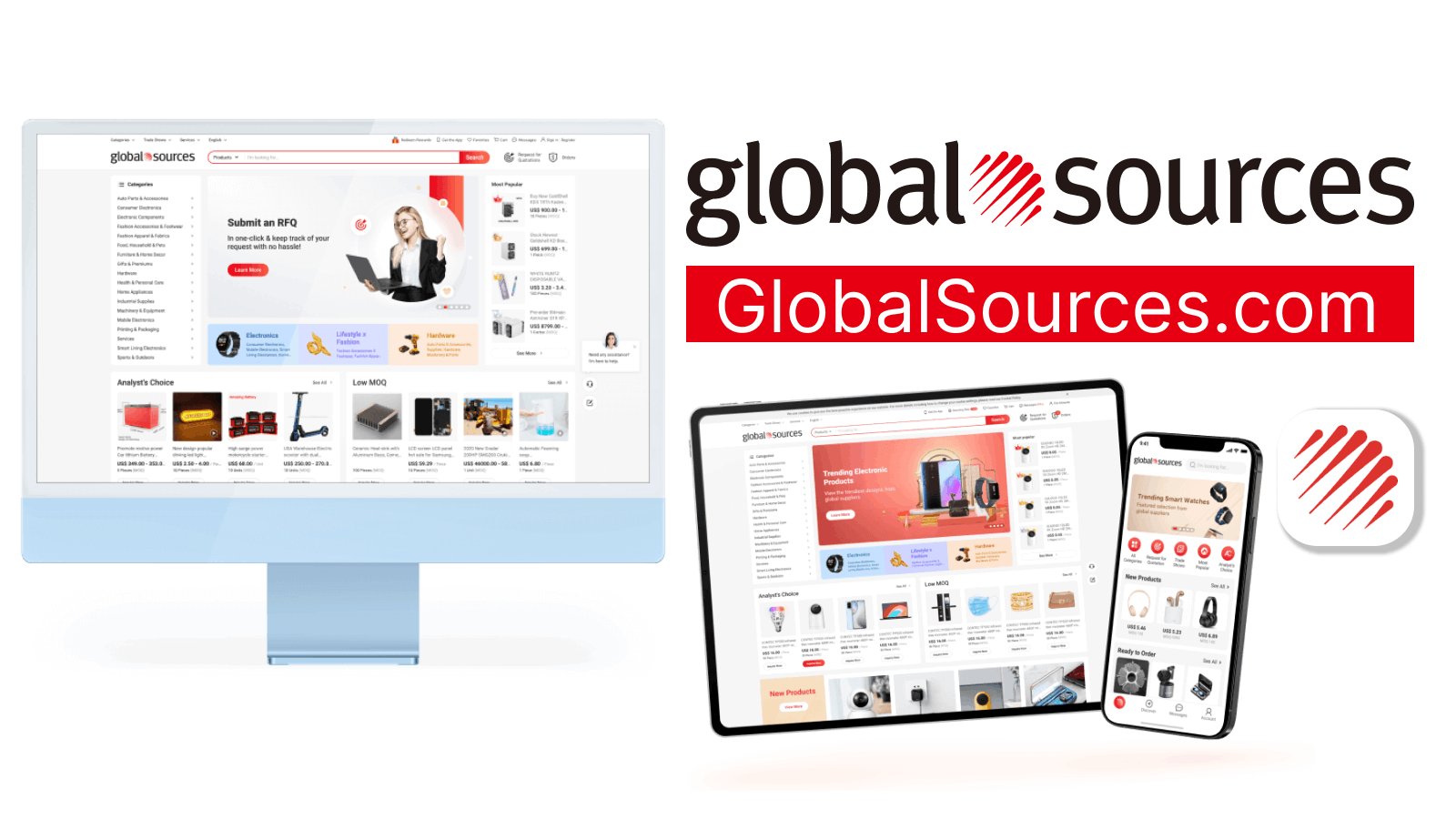
To use these marketplaces, simply create an account and start searching for products that you're interested in. You can filter your search results by location, product category, and other criteria to find suppliers that meet your needs.
Once you've found a supplier that you're interested in, be sure to read their reviews and ratings from other buyers. This can help you get a sense of their reputation and reliability.
2. Attend trade shows
Trade shows are a great way to meet suppliers in person and learn more about their products and services. Many trade shows are open to the public, so you don't need to have a business to attend.
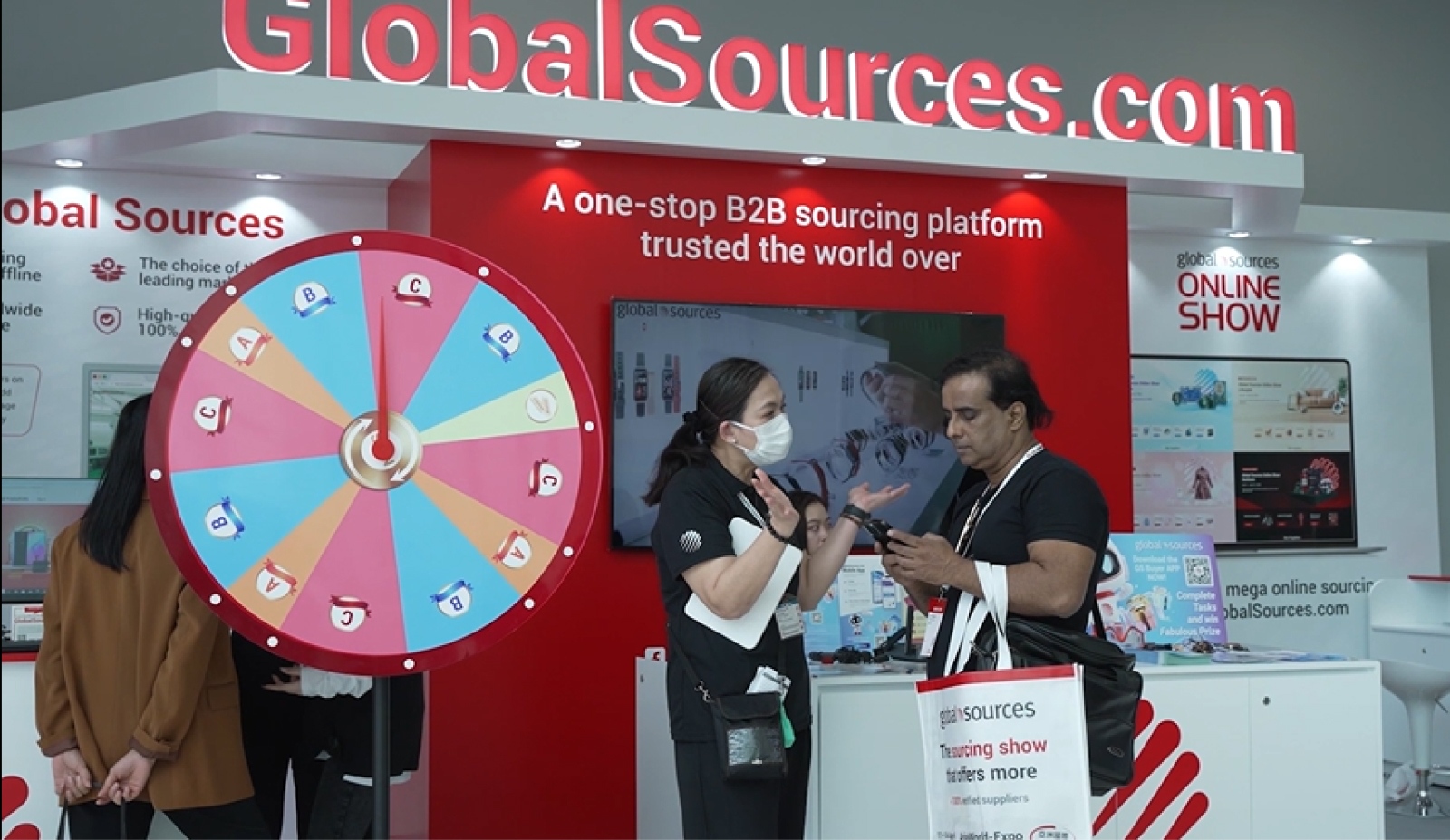
To find trade shows in your area, do some research online or check with your local chamber of commerce. Be sure to register for the trade show in advance and bring plenty of business cards to network with suppliers.
Virtual trade shows are also now becoming increasingly popular, providing a convenient and accessible option for individuals without a business to explore wholesale opportunities. These virtual events allow attendees to interact with suppliers, attend webinars, and access product information from the comfort of their own homes. Keep an eye out for virtual trade show platforms or online marketplaces that host such events, and make sure to register in advance to gain access to the virtual trade show floor.
3. Use group buying sites
Group buying sites such as Groupon and LivingSocial can be a great way to buy wholesale products without a business. These sites offer discounts on products and services when a certain number of people sign up to buy them.
To use these sites, simply create an account and start browsing deals in your area. You can filter your search results by category to find deals on products that you're interested in.
Once you've found a deal that you're interested in, be sure to read the fine print and check the seller's reputation before making a purchase. Some group buying sites may require that you purchase a minimum quantity of items in order to get a discount.
4. Use online retailers
Many online retailers offer bulk discounts on products when you purchase a certain quantity. While these discounts may not be as steep as wholesale prices, they can still save you money if you're buying products in large quantities.
To find online retailers offering bulk discounts, individuals can start by researching popular e-commerce websites and marketplace platforms such as Amazon and eBay. They should look for dedicated sections or features specifically catering to bulk or wholesale purchases, which often feature discounted pricing for larger quantities. Additionally, checking the websites of preferred retailers directly is essential, as many offer bulk discounts or promotions for buying in larger quantities. Subscribing to newsletters, following retailers on social media, and comparing prices and terms across different platforms can help individuals identify the best deals and save money when purchasing wholesale items online.
5. Use liquidation sales
Liquidation sales are a great way to buy wholesale products at discounted prices. These sales typically occur when a retailer or manufacturer is going out of business or needs to clear out inventory quickly.
To find liquidation sales in your area, do some research online or check with local retailers to see if they have any upcoming sales. Be sure to scoop up things early for the best products.
6. Use online auctions
Platforms like eBay, B-Stock, and Liquidation.com offer a wide range of wholesale products at competitive prices through auction-style listings. To leverage online auctions effectively, individuals should start by researching reputable auction platforms and familiarizing themselves with the bidding process. They can then browse through various listings to identify products of interest, paying close attention to details such as item condition, quantity, and shipping options. Prior to placing bids, it's essential to set a budget and establish maximum bid amounts to avoid overspending. Additionally, individuals should monitor auctions closely and be prepared to act quickly, as competition can be fierce. By participating in online auctions strategically, individuals can acquire wholesale items at discounted prices, expand their product inventory, and potentially turn a profit through resale or personal use.
7. Become part of business networks
Connecting with local competitors can be challenging, but integrating into local business networks can simplify the process of discovering wholesalers for sourcing products. Examples of such networks include the Small Business Administration (SBA), Service Corps of Retired Executives (SCORE), and trade associations. These networks can be found online, typically involving a membership fee, which is a worthwhile investment for the benefits they offer.
SBA community groups provide industry insights and updates on innovations, enabling easy tracking of industry developments and access to trusted wholesalers. SCORE offers mentorship from experienced businesspeople, aiding in problem-solving and facilitating business growth. Trade associations directly connect individuals with wholesalers, granting access to new product samples and marketing materials.
8. Online networking
If offline networking is not your cup of tea or if you are in a small city, it is best to rely on online networking to find such wholesalers. A few websites that can help you include:
- Facebook:
Facebook is more than a social network. It has groups for almost everything, including different industries and businesses. One can easily become part of such a group and interact with other business owners. The group usually consists of suppliers as well. By joining such groups, you can directly interact with the wholesalers.
- Linkedin:
LinkedIn is a social network associated more with the business side of things. It also consists of many industry-specific groups where you can ask questions and even procure direct contacts of suppliers. Since most of the members of such a group are not your local competitors, they are more likely to share the wholesaler contacts, which makes it easy to source products even if you are just a startup or small business. Most wholesalers also have a LinkedIn business page which helps you contact them directly by searching for relevant keywords.
9. Hire a consultant
Even with this guide, you may face roadblocks when buying wholesale without having a business. In such a case, it is best to hire a consultant. Consultants typically assist with finding wholesalers, negotiating, determining shipping methods, handling customs, and facilitating product delivery, alleviating significant burdens and allowing focus on business operations. They will provide you with the right contacts and guide you with acquiring and storing the products. However, you need to vet the consultants to choose the right one.
Judge them on the parameters listed below:
- Experience:
It is best to go with a consultant in the industry for several years. Check the consultant's reviews and LinkedIn profile to understand their professional experience. Only when the consultant has been around for at least 4 to 5 years can you consider hiring them.
- Check the testimonials:
If the consultant has been around 4 to 5 years, they will have at least a handful of testimonials. Go through those testimonials to find out what their previous customers say about them. Not only that, ask for references from the consultant. One can contact those references to understand better how the consultant served them. This will help you avoid fly-by-night consultants who are just good at marketing but not helping you.
- Go through the deliverables:
The term consultation is vague. Different consultants can help you in different ways. That is why, once you have shortlisted a consultant, you need to speak with them regarding the deliverables and how they will help you. Only after that can you speak about the fees of the consultant.
Of course, you need to judge whether you can afford the fees of the consultant or not. If the consultant is not affordable, you must move to the next one.
Now that you know how to judge a consultant and choose the right one, it is time to understand where to find such consultants. There are numerous ways to discover such consultants:
- Search engines:
Simply searching for search consultants on websites like Google will help you find their website. After that you can research their profile more or contact them.
- Social media networks:
Another option is to search for them on social media networks like LinkedIn, Twitter, and Facebook. Once again, you must use the industry groups on sites like Facebook and LinkedIn to find such consultants. You can search for relevant keywords on Twitter to find such consultants.
- Industry events:
If you can't find them online, start attending industry events, and you can interact with the consultants directly.
Part 5. How to Buy Wholesale Products for Resale
Once you know how to buy wholesale without a business, buying wholesale products for resale can be a profitable business venture. Whether you sell online or in a brick-and-mortar store. However, it can be challenging to know where to start and how to find the best products at the best prices. In this article, we will discuss the steps to buying wholesale products for resale, including finding suppliers, negotiating prices, and managing inventory.
Step 1: Determine your niche and target market
Before you start looking for wholesale products to buy, it's important to determine your niche and target market. This will help you identify the types of products that will sell well and allow you to focus your efforts on finding suppliers that offer those products.
Step 2: Find wholesale suppliers
Once you have identified your niche and target market, you can start looking for wholesale suppliers. There are several ways to find suppliers, including:
- Trade shows: Attending trade shows is an excellent way to meet suppliers and see their products in person. You can also network with other industry professionals and learn about new products and trends.
- Online directories: There are several online directories that list wholesale suppliers by industry or product category. Some popular directories include Alibaba, ThomasNet, and Wholesale Central.
- Referrals: Ask other business owners in your industry for referrals to wholesale suppliers they have worked with in the past.
Step 3: Evaluate potential suppliers
Once you have a list of potential suppliers, it's important to evaluate them to ensure they are reputable and offer high-quality products at competitive prices. Some factors to consider when evaluating suppliers include:
- Product quality: Look for suppliers that offer high-quality products that meet your standards.
- Pricing: Compare prices from multiple suppliers to ensure you are getting the best possible deal.
- Shipping and delivery times: Make sure the supplier can deliver products in a timely manner and at a reasonable cost.
- Minimum order requirements: Some suppliers may require a minimum order quantity, so be sure to factor this into your decision-making process.
- Payment terms: Look for suppliers that offer flexible payment terms that work for your business.
Step 4: Negotiate prices
- Once you have identified a supplier that meets your criteria, it's time to negotiate prices. This is an important step in the process as it can significantly impact your profit margins. Some tips for negotiating prices include:
- Be prepared: Do your research and come prepared with information about pricing from other suppliers.
- Be flexible: Consider placing larger orders or committing to a long-term relationship in exchange for better pricing.
- Be respectful: Remember that suppliers want to do business with customers who are respectful and professional.
Step 5: Manage inventory
Once you have purchased wholesale products for resale, it's important to manage your inventory effectively. This includes tracking sales data, monitoring product demand, and reordering products as needed. Some tips for managing inventory include:
- Use inventory management software: There are several software programs available that can help you track inventory levels and sales data. Use one that offers scalability and has a small learning curve.
- Monitor product demand: Keep track of which products are selling well and which ones are not.
- Reorder products in a timely manner: Make sure you reorder products before you run out of stock to avoid lost sales.
You May Also Like:
Global Sources Reviews from Suppliers and Buyers
Alibaba vs Global Sources Which is Better for Wholesale 2025
What Does Ready to Ship (RTS) Mean in Business & E-commerce?
15 Chinese Trading Company List: What is China Trade Company
Sourcing From China: Are 'Made in China' Products Reliable?
Beginners' Ultimate Guide: How to Buy Direct from China

