Download App
Better Online and Trade Show Sourcing Experiences.Scan the QR code to download.
Learn More
Hot Topics
The country's leather and footwear products to take center stage at an international exhibit in May 2016.
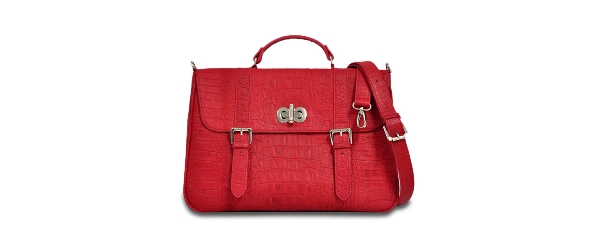
Leather products from Indonesia are expected to get a boost in exports and buyer attention with the staging of Indo Leather & Footwear 2016, which will be held from May 12 to 14, 2016 at the JIExpo Kemayan in Jakarta.
On its 11th year, the international exhibition will feature hides and skins, leather and footwear machinery and equipment, as well as finished products such as footwear, garments, travel goods, fashion accessories, bags and furniture.
Bringing in around 9,700 visitors and 150 exhibitors, the three-day event is expected to boost sales for Indonesia's leather product industry.
Export frontrunner
The leather product industry is one of the main contributors to Indonesia's GDP. In a recent report by Developing Country Sourcing, the leather and footwear industries contributed 0.27 percent to the country's non-oil and gas exports, which took 17.87 percent of the country's GDP in 2014. Leather products, in particular, contributed less than half a billion worth of exports in 2014.
The US, Japan, the Netherlands, Italy, South Korea, Hong Kong, Singapore, Germany, Belgium and Australia are the top export markets of the industry.
Competitive advantages
Indonesia's reputation for producing furniture and accessories with stunning aesthetics extends to their leather products. These pieces are well-made and feature contemporary, vintage and classic designs that appeal to a variety of international clients.
The industry is also strongly supported by the government, which has been promoting e-commerce and funding startups and even developed strong ties with Italy to further help the leather industry.
E-commerce has contributed to the exports and sales of many businesses, particularly those in the leather sector in Indonesia. As of 2014, Internet users in the country have increased to 74.8 million and out of this, 4.6 are online shoppers. The number is foreseen to reach 5.9 million in 2016, which will help leather exporters who are active in B2B sites and have their own websites. This is also expected to boost employment for Indonesia's growing population of 250 million people.
Challenges
There is a demand for leather products in Indonesia; however, the lack of raw materials has made suppliers unable to meet it. To counter this problem, the government has allowed importation of hides and skins that are safe and free from any disease. The downside is that imported materials mean higher prices.
The minimum wage has also increased in Indonesia, which is at $227 per month in Jakarta, and may force companies to transfer to other countries with lower labor costs, including Vietnam. The government has also become stricter in issuing environment licenses, which are necessary but additional expenses to suppliers.
This article and its contents are provided by the Hinrich Foundation, a partner of Global Sources in promoting trade across Asia. The products and the suppliers featured in this article are export assistance program beneficiaries of the Hinrich Foundation.
More Sourcing News
Read Also

关注 “环球资源外贸” 官方微信,获取实时外贸资讯
iOS & Android
iOS & Android(Mainland China)
Copyright © 2026 Publishers Representatives Limited. All rights reserved.





