Download App
Better Online and Trade Show Sourcing Experiences.Scan the QR code to download.
Learn More
Hot Topics
The use of supplemental overlays in the aerospace and energy sectors is the target for newly launched smart glasses.
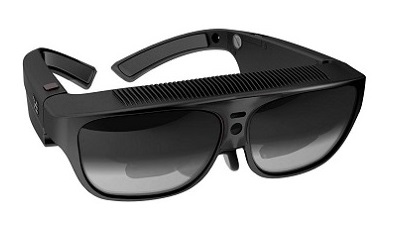
Osterhout Design Group’s R-7 is one example of smart glasses targeted at the high-end enterprise market (Image Source: Osterhout Design Group)
The buzz around the smart glasses industry seems to point to the enterprise as the “sweet spot” right now, but that buzz has been around ever since Google’s Project Glass launched. With the addition of Augmented Reality or AR software, there is a good deal of speculation that business use of smart glasses is set to increase sharply in the next year or two. Several companies have now launched products squarely at the enterprise segment, particularly in fields where liability concerns and workplace accidents or errors bear particularly high costs.
One example is Osterhout Design Group’s recently released R-7, a pair of $2,750 smart glasses that pack a Qualcomm tablet SoC with 64GB of storage and 802.11ac Wi-Fi and Bluetooth 4.0 connectivity. While the company has gone after government contracts in the past – mainly military training and maintenance – the company now sees its products moving firmly into the commercial segment. The company has positioned its smart glasses to attract the aerospace, mining, and oil and gas industries where small mistakes can bear significant costs.
Using AR-equipped smart glasses like the R-7 or Epson’s BT-200, field workers can broadcast what they see to engineers in other locations and fix problems more quickly and efficiently. The use of AR in these smart glasses allows for even richer information overlays to increase productivity especially in warehouses, and avoid those costly mistakes.
More Sourcing News
Read Also

关注 “环球资源外贸” 官方微信,获取实时外贸资讯
iOS & Android
iOS & Android(Mainland China)
Copyright © 2026 Publishers Representatives Limited. All rights reserved.