




The jewelry industry has always been one of the fastest-changing areas in the fashion industry, and 2024 has ushered in a series of innovations and trends. Understanding these trends is crucial for jewelry brands and manufacturers because they directly affect product development, market positioning, and consumer relationship management. This article will explore the current major trends, including design styles, technology applications, sustainable development practices, and market segmentation strategies, to provide industry professionals with in-depth insights and practical strategies.
Table of Contents
Application of technology in jewelry design
Sustainability and ethical sourcing
Market segmentation and positioning strategy
Marketing strategy and channel development
Mainstream Jewelry Styles
Minimalist Design
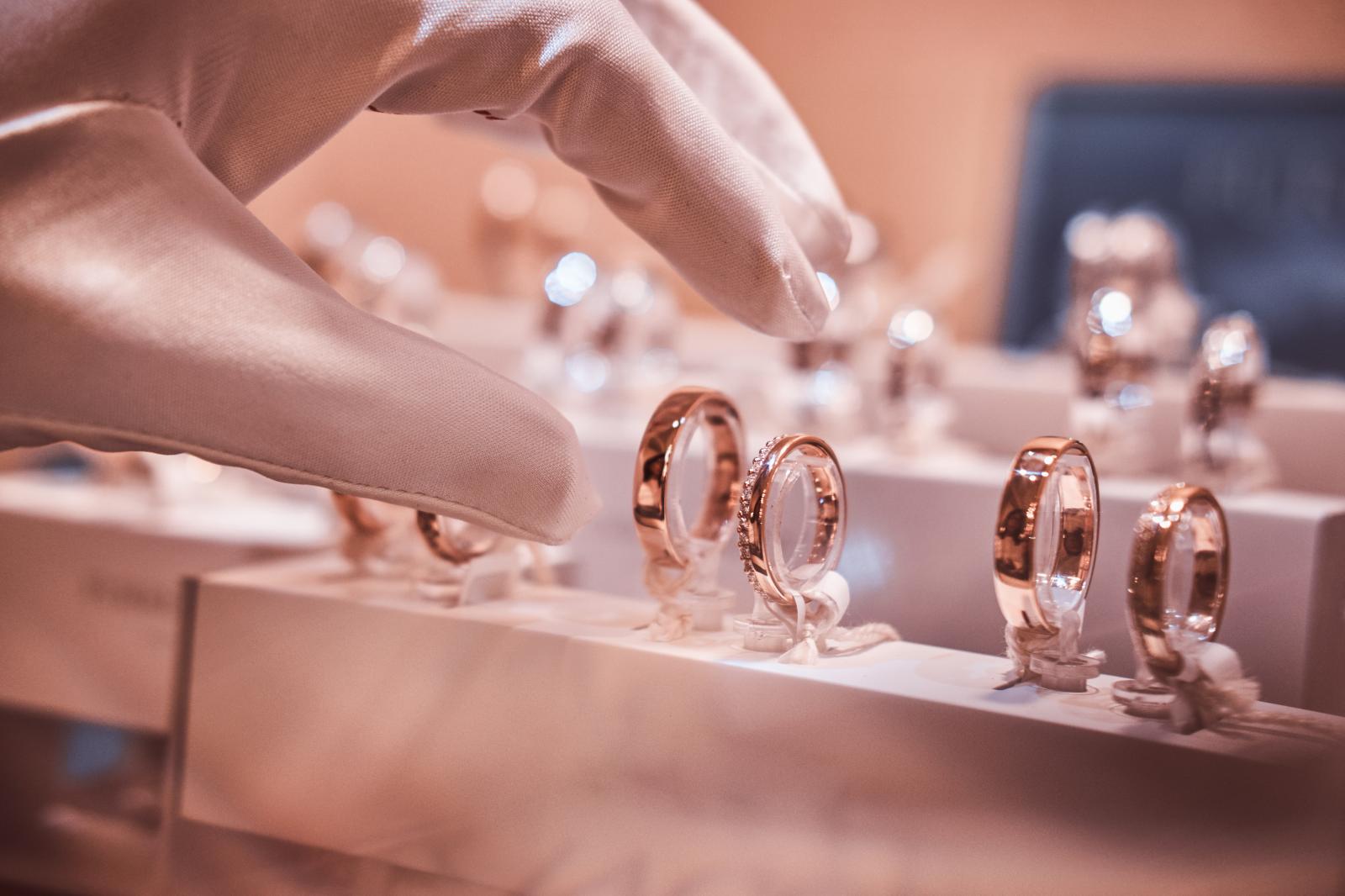
Minimalism continues to dominate jewelry design in 2024, and its simple and exquisite style is widely popular. For example, the Atlas X series launched by Tiffany & Co. has won the favor of the market with its clean lines and smooth surfaces. This style is particularly popular among consumers who pursue a modern feel and do not like over-decoration.
The Revival of Vintage Style
The strong return of vintage style has captured the hearts of consumers with its unique charm and fine craftsmanship. Bulgari's Serpenti series not only retains the brand's iconic snake design, but also adds modern craftsmanship to give this classic series a new lease of life. This design that combines tradition and modernity is particularly popular around the world, especially in markets with a deep interest in history and culture.
Bold use of colors and materials
In 2024, jewelry designers are more bold and innovative in the use of colors and materials. Swarovski's colored crystal series injects a modern touch into traditional jewelry by introducing lively colors and non-traditional materials such as synthetic gemstones and colored metals. This bold use of color not only attracts young consumers, but also brings a new design language to the jewelry industry.
Application of technology in jewelry design
3D printing technology
3D printing technology has become a revolutionary tool in jewelry manufacturing. This technology makes complex designs easy to achieve while greatly shortening the time from design to finished product. This not only provides designers with greater creative space, but also makes small-batch production and personalized customization possible.
Augmented reality (AR) experience
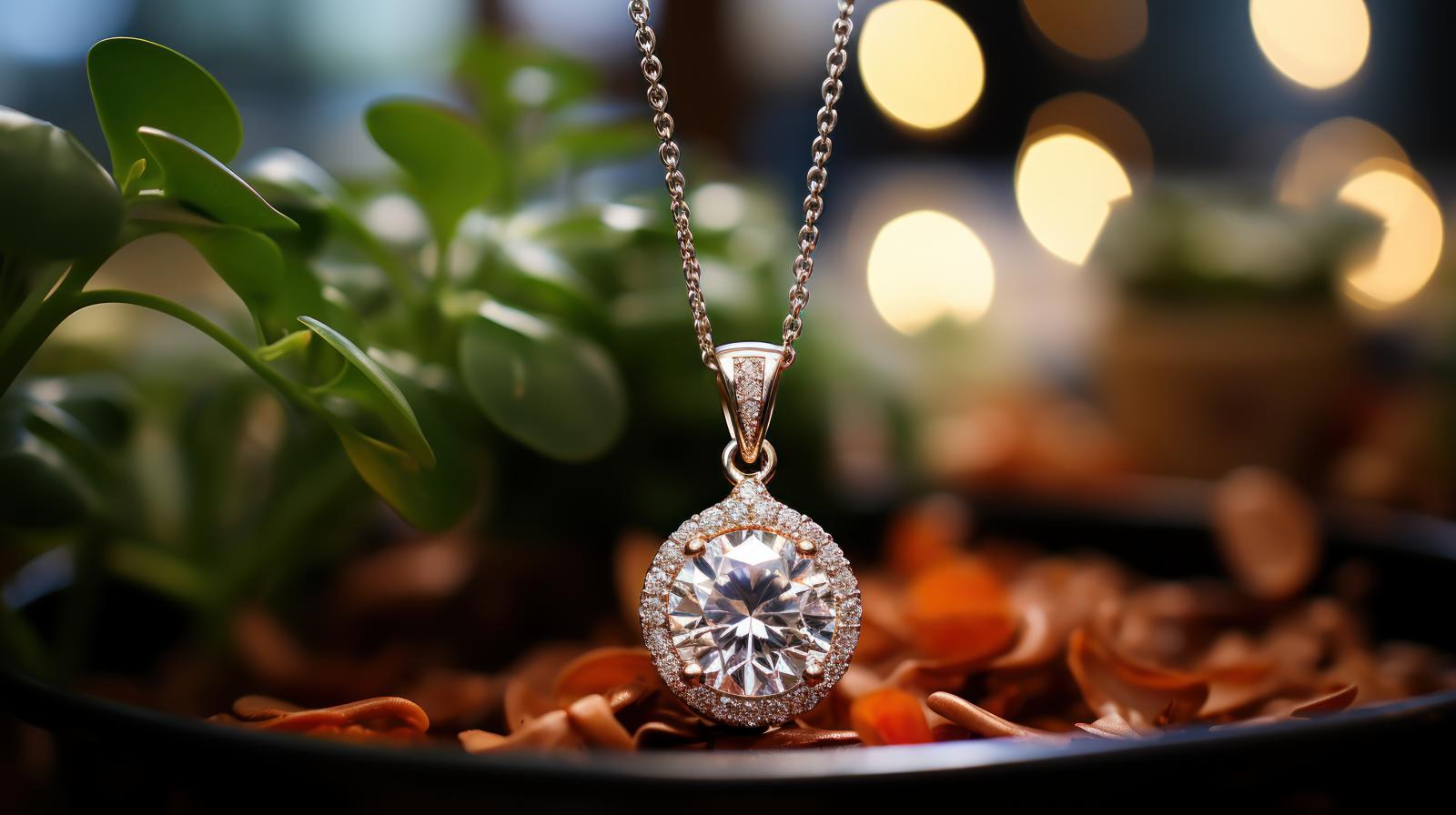
Augmented reality technology provides a new way to experience online jewelry shopping. De Beers' virtual try-on app allows consumers to see how jewelry will look on them before buying, through an app on their smartphone or tablet. This technology not only increases consumer confidence in buying, but also provides jewelry retailers with a powerful sales tool.
Sustainability and ethical sourcing
Use of environmentally friendly materials
As consumers become more concerned about environmental issues, the jewelry industry is also looking for more sustainable production methods. Brands that use recycled metals and lab-grown gemstones, such as Pandora, not only reduce their impact on the environment, but also win the respect and loyalty of consumers through such responsible practices.
Importance of ethical sourcing
Ensuring transparency and ethics in the jewelry supply chain has become key to building credibility for brands. Consumers are increasingly inclined to choose brands that can prove that their raw materials are sourced and the production process is ethically produced. For example, Tiffany & Co.'s commitment to providing fully traceable gemstone source information has strengthened its image as a responsible jewelry brand.
You May Also Like: Jewelry Trends
- Latest Jewelry Trends
- 1970s Jewelry Trends
- 90s Jewelry Trends
- Y2K Jewelry Trend
- Handmade Jewelry Trends 2024
- Teen Jewelry Trends
- Trending Necklace Styles 2024
- 2024 Jewelry Trends
- 80s Jewelry Trends
- Men's Jewelry Trends 2024
- Top Jewelry Trends & Handmade Jewelry Trends
Market segmentation and positioning strategy
Product development for different consumer groups
Effective market segmentation and product positioning strategies are essential to meet the needs of different consumer groups. For example, Zara's jewelry collection, which targets the young market, has successfully attracted widespread attention from this group with its fashionable designs and affordable prices.
Market dynamics of high-end and fast-fashion jewelry
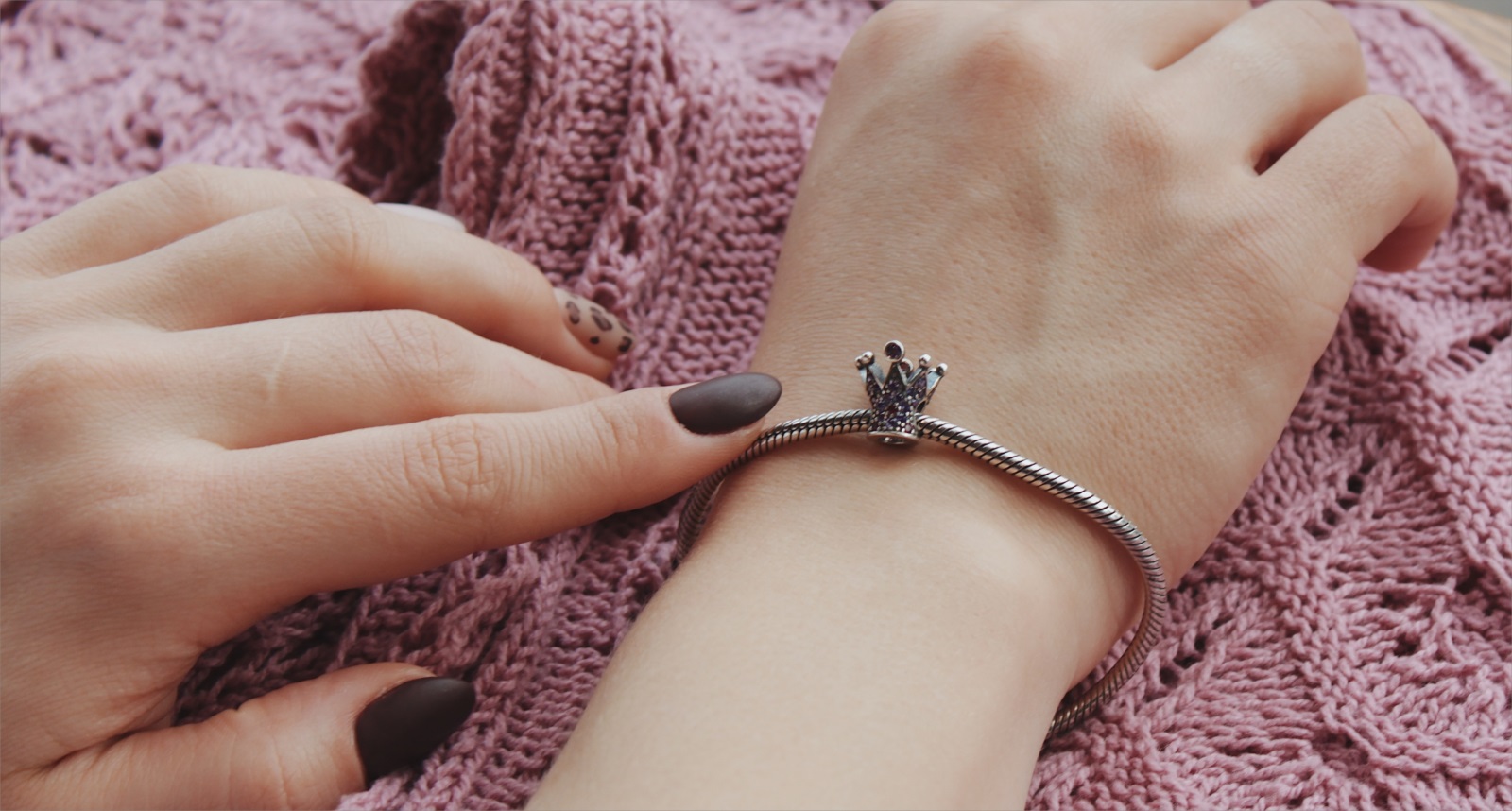
While high-end jewelry brands such as Cartier and Van Cleef & Arpels have won the favor of wealthy consumers with their unique designs and excellent craftsmanship, fast-fashion brands such as H&M and Topshop have met the needs of a wider range of consumers by quickly responding to market trends and providing a large number of fashionable and affordable options.
Marketing strategy and channel development
Trends in digital marketing
In the digital age, social media and online platforms have become indispensable tools for jewelry brand promotion. By working with fashion bloggers and influencers, brands can effectively expand their influence and attract potential customers.
Multi-channel sales strategy
A multi-channel sales strategy that combines physical stores and online stores can improve the brand's market coverage and customer service level. This integrated sales approach not only facilitates consumers' shopping experience, but also helps brands establish a stronger market presence.
Conclusion
In 2024, the development trend of the jewelry industry shows the importance of design innovation, technology application and sustainable development. B-side enterprises need to keep up with these trends and continuously optimize products and services to maintain competitive advantages. Through the in-depth analysis of this article, it is hoped that professionals in the jewelry industry can gain valuable insights, lead market trends, and promote the sustainable development of their business.
You May Also Like: Jewelry Brands and Accessories

