




The fashion industry is known for its rapidly changing and ever-evolving trends. Every year, designers launch new ideas and lead global fashion trends. This guide is designed to provide you with a comprehensive analysis of fashion trends to help you stay fashion-forward in the coming seasons.
Table of Contents
Popular Colors
Color of the Year: The PANTONE Color of the Year for 2025 is Peach Fuzz. Here's how the official webpage describes it: "PANTONE 13-1023 Peach Fuzz captures our desire to nurture ourselves and others. It's a velvety gentle peach tone whose all-embracing spirit enriches mind, body, and soul."
Seasonal Colors: According to Pantone Color Institute experts, colors for New York Fashion Week Autumn/Winter 2025 are "infused with an inherent richness and earthiness that highlights our deeper connection to nature. A compendium of warm tones derived from natural pigments, opulent mid-tones, accessible neutrals, and universal greens, they are characterized by a mix of elegance and practicality linked to conscious consumption and slowing trend cycles. Fun, but also functional, essential but not un-exciting, colors for Autumn/Winter 2025, are straightforward, exuding a self-assured, no muss, no fuss demeanor."
Per Runway Report, "the Autumn/Winter 2025 color palette blends dynamic shades with subtle and refined tones in unconventional pairings . This season’s spontaneous color expressions celebrate individuality, modernity and creativity."
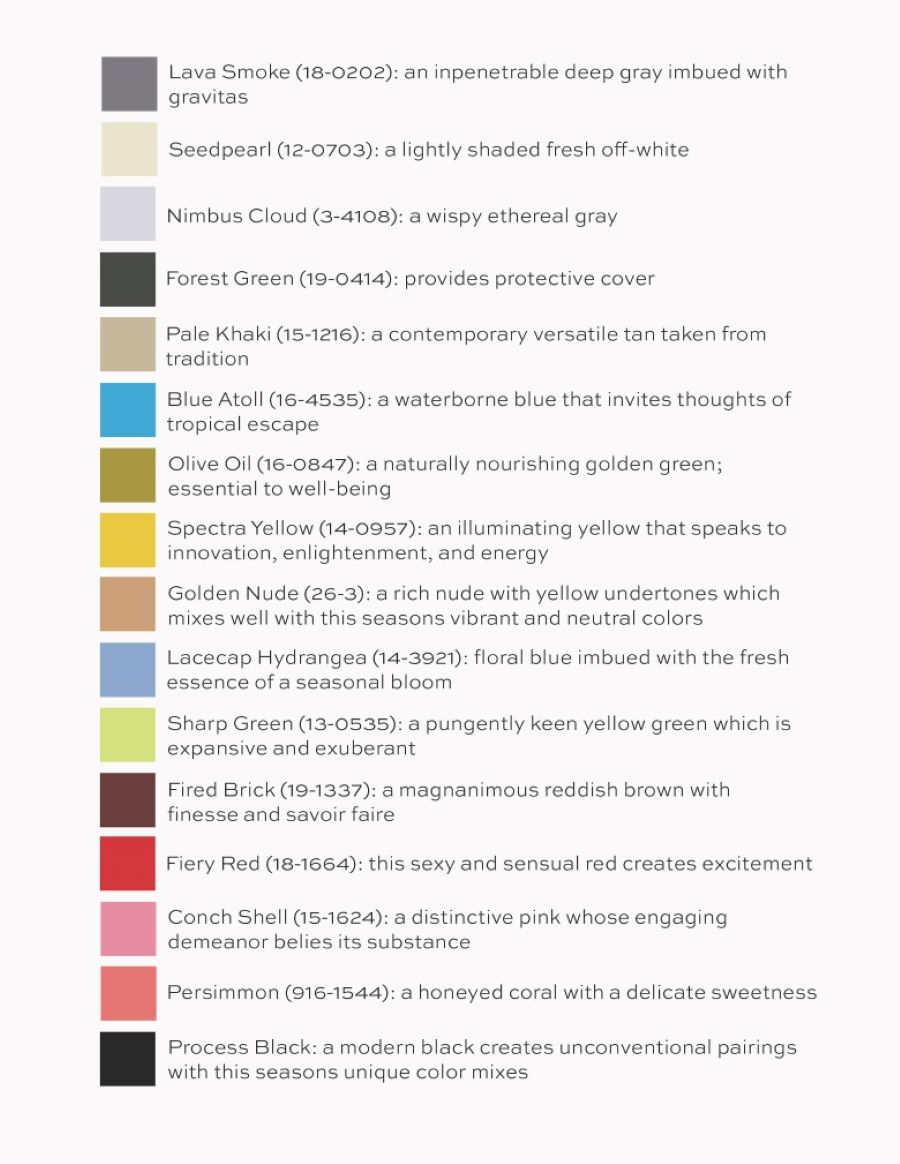
Image via Runway Report
Pattern Trends
Geometric Patterns: Geometric patterns such as stripes, checks and polka dots will continue to be popular. Not only do these patterns add visual interest, but they can also be arranged in different ways to create a unique style.
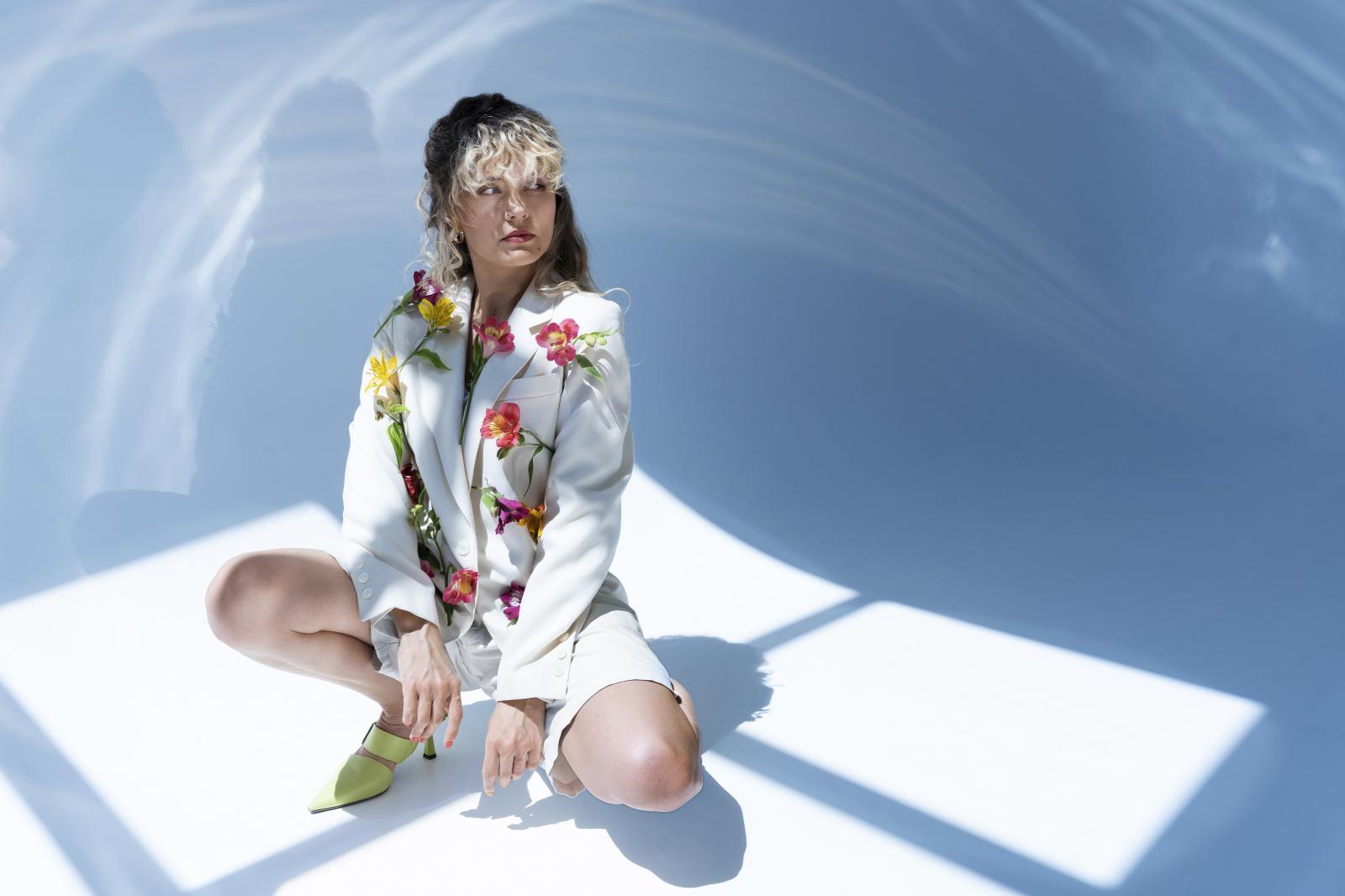
Floral Patterns: From miniature flowers to large-scale prints, floral patterns will usher in a new peak in 2025.
Animal print: Animal prints such as leopard print and snake print will make a strong comeback. Fashion print design experts Plumager predict a vogue for punchy zebra prints and leopard/jaguar spots in particular.
Abstract and artistic prints: Integrating artistic elements into fashion design, abstract prints and artistic patterns will become the highlights of the new season. Here the Plumager forecast highlights pop art-inspired blazes of high contrast color.
Fabrics and Materials
Environmentally friendly fabrics
Organic Cotton: Organic cotton has become the darling of the fashion industry because of its environmentally friendly and comfortable characteristics. Not only is it environmentally friendly, it also provides a great wearing experience and is suitable for a variety of clothing styles. Chemical pesticides and fertilizers are not used in the production process of organic cotton, which reduces environmental pollution and protects the health of farmers.
Recycled Polyester: Recycled polyester combines environmental protection and fashion, making it an ideal choice for modern fashion brands. It is made from recycled plastic bottles, reducing its impact on the environment while maintaining excellent performance. Recycled polyester can not only reduce resource waste, but also show a variety of styles through different designs.
Natural dyes: The collision of traditional craftsmanship and modern fashion. Natural dyes are gradually favored by consumers for their environmental protection and unique color effects. Natural dyes can not only reduce chemical pollution, but also show unique color effects through different dyeing processes.
High-tech material
Functional Fabrics: The application of functional fabrics such as waterproof, windproof and breathable will become more and more widespread. These fabrics not only improve the practicality of clothing, but also meet the needs of different occasions. For example, a jacket made of waterproof fabric can provide protection on rainy days; a sportswear made of breathable fabric can provide comfort during exercise.
Smart Fabrics: The future development of temperature-adjustable, color-changing and other smart fabrics will bring more possibilities to the fashion industry. These innovative fabrics not only improve the technological content of clothing, but also provide consumers with more choices. For example, a jacket made of temperature-adjustable fabric can automatically adjust according to the ambient temperature to provide optimal comfort; a dress made of color-changing fabric can show different color effects according to changes in light.
Luxury and comfort
Silk and Velvet: There is an obvious trend of high-end fabrics being used daily. Silk and velvet will no longer be limited to formal occasions, but will appear more in daily wear, improving the overall texture. For example, a silk shirt can be paired with jeans to create a stylish and comfortable look; a velvet jacket can be paired with different combinations to show a sense of luxury.
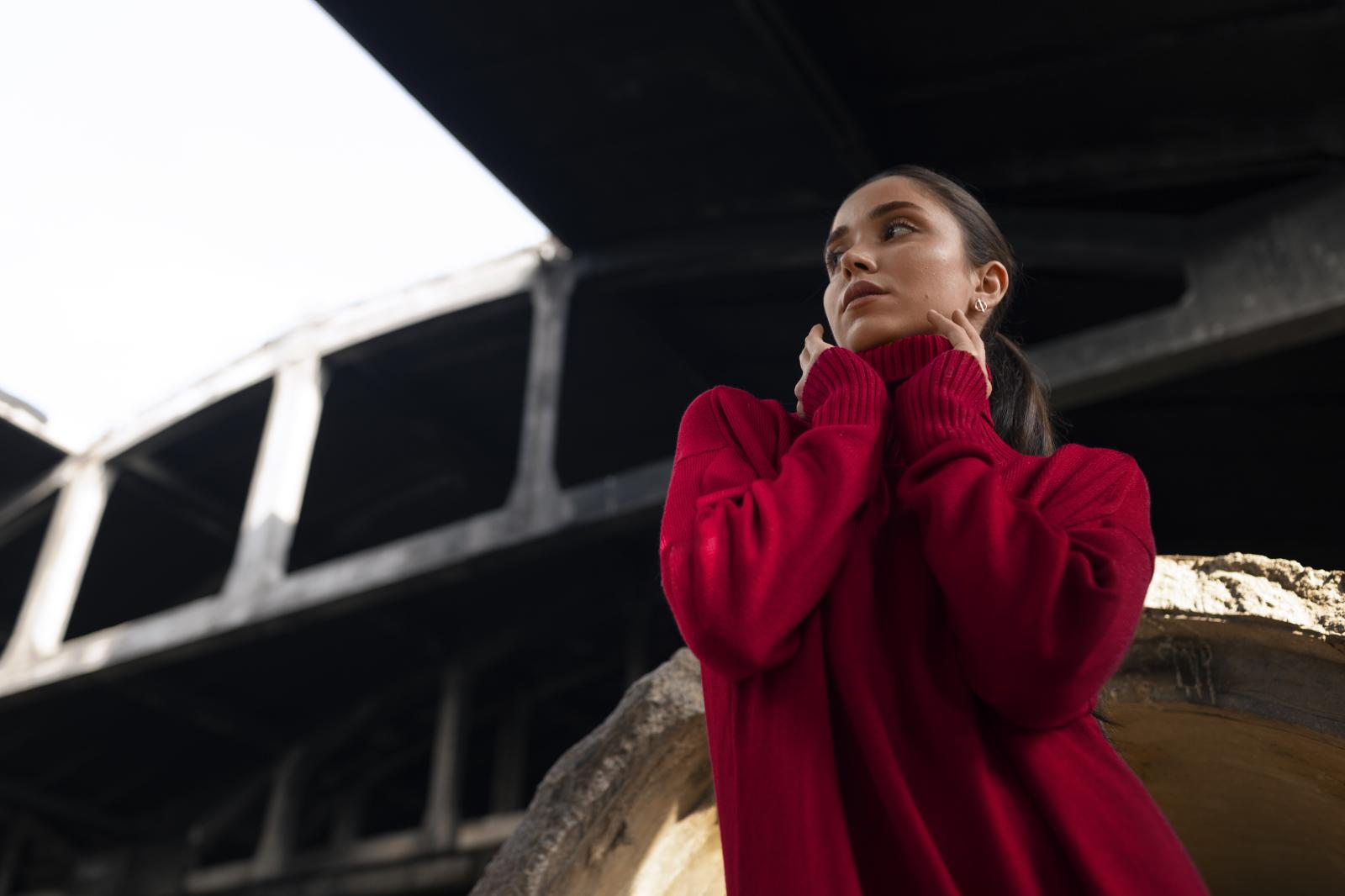
Knitted and wool: The perfect combination of comfort and fashion, knitted and wool materials will continue to be popular, especially in autumn and winter, providing you with both warmth and fashion options. For example, a knitted sweater can be paired with a short skirt to create a sweet look; a woolen jacket can be paired with different combinations to show a sense of elegance.
Clothing Styles
Casual style
Athleisure: Athleisure style will continue to dominate the fashion world. From sweatpants to sneakers, this style is not only comfortable and practical, but also effortlessly stylish. For example, sweatpants can be paired with a loose sweatshirt to create a casual look; sneakers can be paired with jeans to show a sense of vitality.
Loose fit: The continued popularity of Oversize style makes loose fit clothing a must-have item for fashionistas. Not only is it comfortable, but it can also show a unique style through different combinations.
Retro and nostalgic style
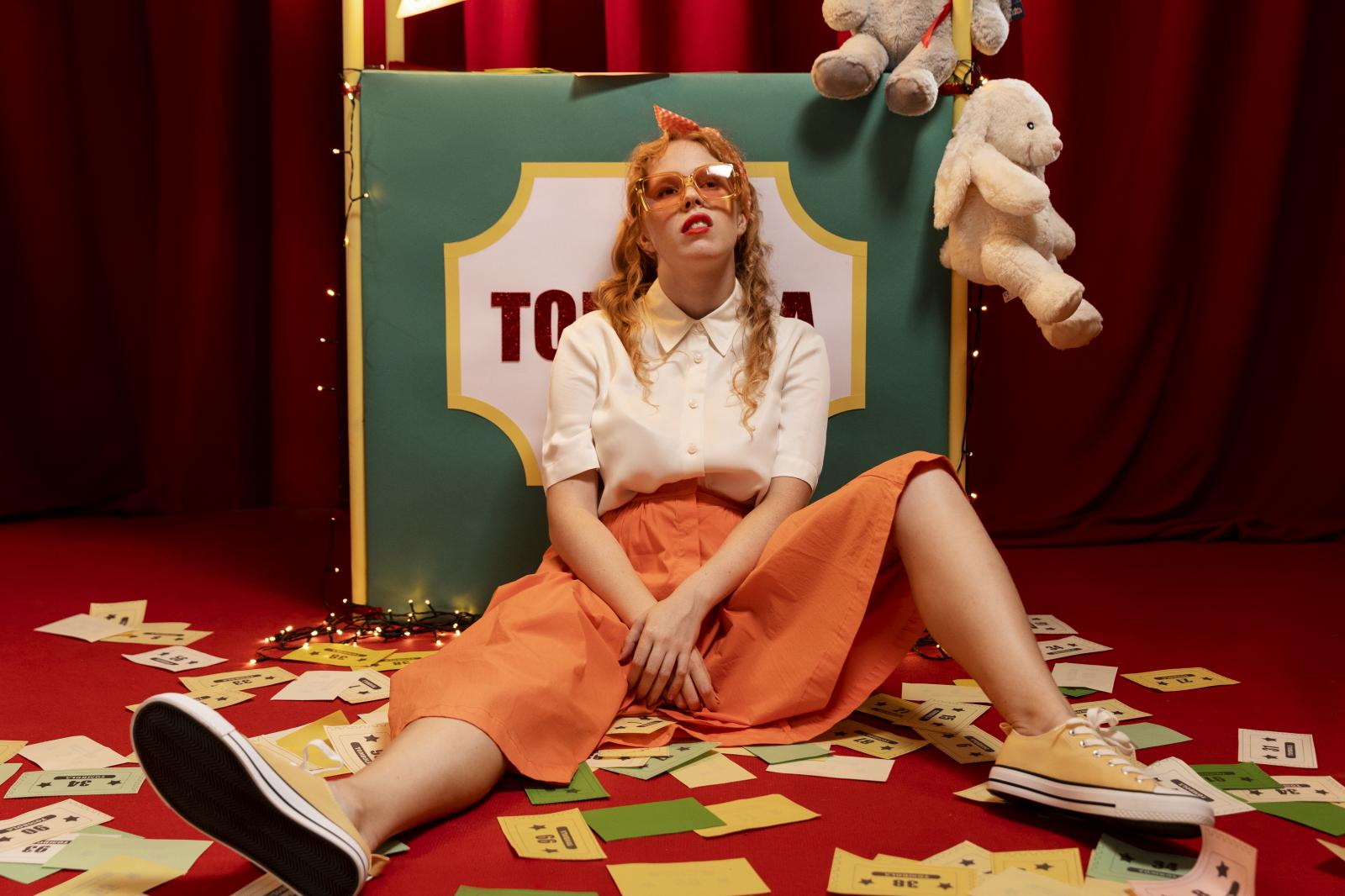
90s style: The reappearance of classic items such as denim jackets and mini skirts gives the nostalgic style of the 90s a new lease of life. For example, a denim jacket can be paired with high-waisted pants to create a casual yet fashionable look; a mini skirt can be paired with different tops to create a youthful and energetic style. Meanwhile, '90s-style plaid patterns and sporty looks will continue to be popular.
Accessories and Shoes
Accessories Trends
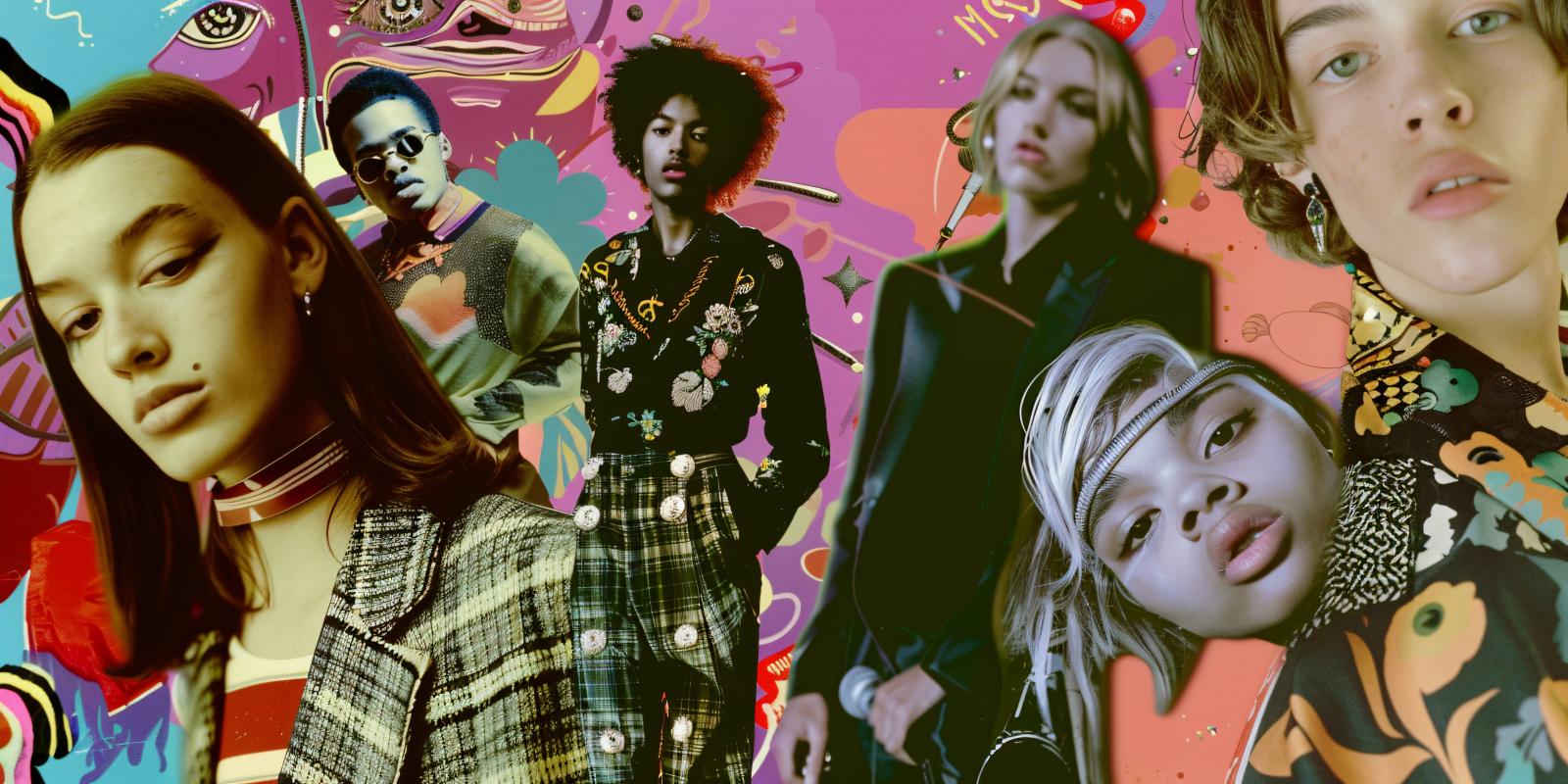
"On the fall 2024 runways, designers were united in their drive to make clothes for people’s “real lives”," writes Lai Garcia Furtado in Vogue. "Fluffy scarves and snoods were wrapped around torsos, sometimes obscuring them in the process, not unlike cozy blankets, and similarly soft, nubby textures were found in shoes. In the new bracelet bags dangling from wrists like jewelry we saw a desire to hold things close. Elsewhere, subtle and unexpected embellishment came in the form of fringe on aprons or necklaces and even hats."
Shoes Fashion
"This time around, it's all about the paper bag slouchy boot ... and the biker boot (we ride at dawn)," according to Cosmo's Andrea Zendejas. "Also, you'll see lots of square-toe styles for all types of shoes, tons of delicate pumps (yay for satins and straps), and, yes, the loafer (our grandpas and dads are rejoicing) are very much still having a moment."
Beauty and Hairdressing
Makeup Trends
The trends point to "bolder colors, futuristic finishes, and artistic shapes" per cosmetics experts Sensient.
Sensient highlights a number of must-know 2024/2025 makeup trends for those in the fashion business:
- Minimalist Nude – "highlighting natural beauty with shades like taupe. This movement offers brands a chance to innovate with
products that enhance natural tones, evident in the rise of lipsticks that adapt to the wearer’s natural lip color for a personalized effect." - Mermaidcore – " includes a muted pastel blue hue that was prominently featured at Versace’s Milan Fashion Week ...Another key element is ethereal lavender shades reminiscent of delicate flowers, seen on the runways of Balmain and Issey Miyake. This trend favors a soft, shimmery lilac on the eyelids, often paired with minimal makeup and nude lips, or boldly contrasted with orange lips for a more striking effect."
- Dark, Moody Lips – "In a striking contrast to traditional spring palettes, dark lip colors like deep berry, brown, and black are emerging as a major trend. These bold shades are redefining luxury in the makeup world, with prestigious brands offering a range of dramatic lip products."
- Blush – "The ‘poppy girl’ look, featuring a natural flush of color, is set to dominate the spring and summer seasons. This trend highlights the cheeks for a youthful, rested appearance."
- Graphic Eyeliners – "Social media filters and beauty influencers are influencing eyeliner styles. Thinner, straighter liner shapes, a standout feature at Paris Fashion Week, reflect the influence of popular digital trends."
Hair Trends
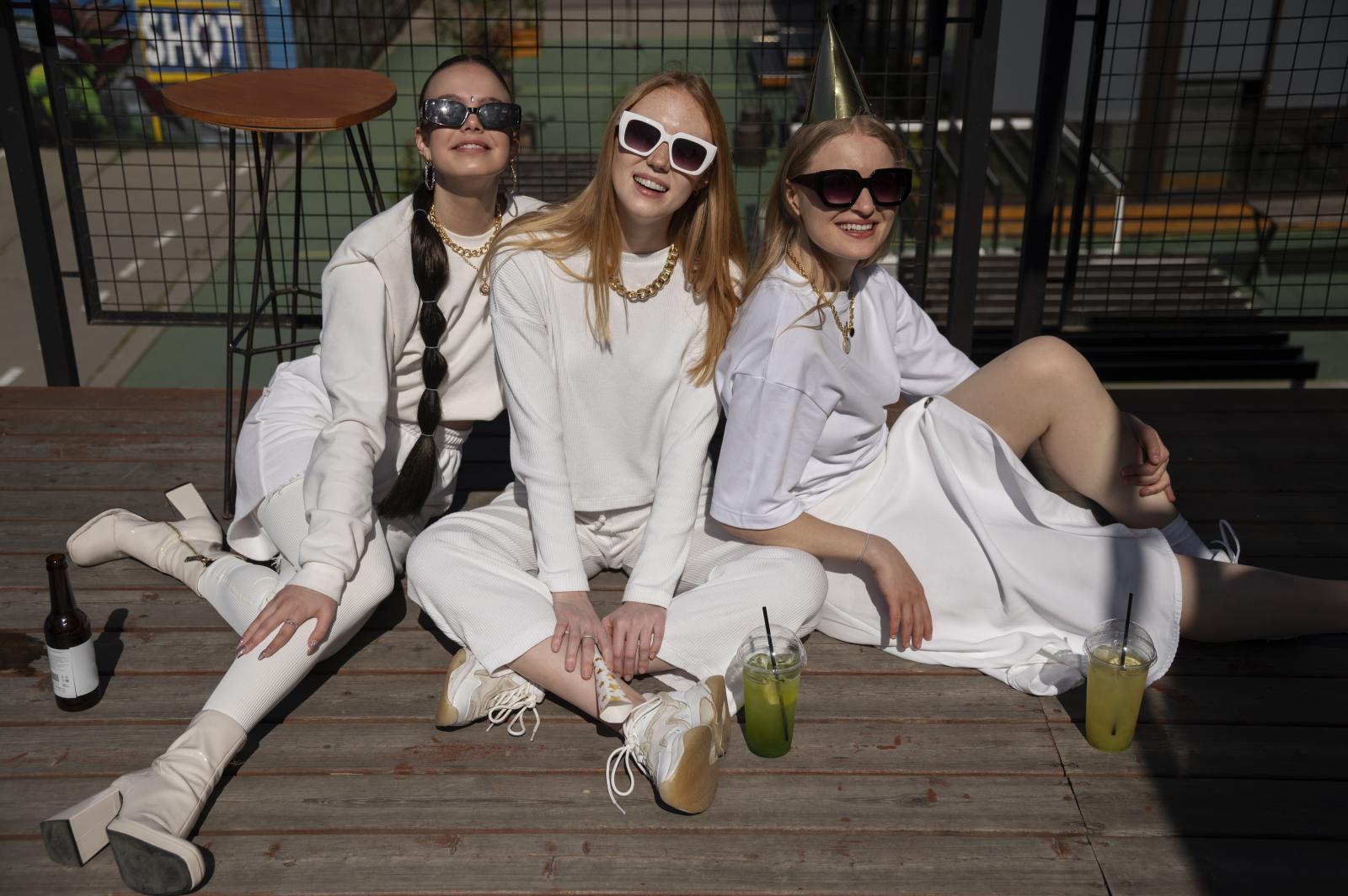
Short Hair: Diverse styles of short hair, short hair will become a new fashion trend. For example, you can create a personalized short hair style through different cuts and dyeings; you can show a variety of styles through different hairstyle designs. Short hair can not only show a refreshing and fashionable look, but also enhance the personalization of the overall look through different designs.
Waves: Fashion trends and care methods for wavy curls. Wavy curls will add more layers to your hairstyle. For example, create a romantic hairstyle with natural waves and simple styling; use different curling tools to show a variety of wavy effects. Wavy curls can not only enhance the fashion sense of the overall hairstyle, but can also show a variety of styles through different designs.
Hair braiding: With the creativity and practicality of braided hair, braided hair will become an important element of fashionable hairstyles. For example, through different braiding techniques, you can create personalized hairstyles; through the combination of braiding and accessories, you can show a unique look. Braided hair can not only enhance the fashion sense of the overall hairstyle, but also show a variety of styles through different designs.
Hair Color Trends: Hot hair colors in 2025, hair color trends will add more highlights to your look. For example, you can create fashionable hairstyles through bright hair colors and natural styles; you can use different dyeing techniques to show a variety of hair color effects. Hair color can not only enhance the fashion sense of the overall hairstyle, but also show a unique style through different designs.
FAQ
Q: How should wholesale buyers approach the integration of Peach Fuzz, PANTONE's 2025 Color of the Year, into their inventory planning?
A: When incorporating PANTONE 13-1023 Peach Fuzz into your wholesale buying strategy, it's essential to understand its market impact throughout different seasons. For Spring/Summer collections, we recommend implementing a graduated buying approach, with heavier investment in early spring to capitalize on the initial trend wave. The color's versatility allows for integration across multiple product categories, from ready-to-wear to accessories. However, buyers should note that while PANTONE colors typically maintain strong market presence for 12-18 months, it's prudent to phase purchases across quarters. Consider allocating 40% of Peach Fuzz inventory for Q1-Q2, followed by 30% for Q3, and a strategic 30% for Q4 when the color can be paired with deeper seasonal tones. For manufacturers and wholesalers, we've observed that complementary neutrals and earth tones from the Autumn/Winter 2025 palette can extend the commercial viability of Peach Fuzz inventory well into the following season.
Q: What strategies should buyers employ when sourcing sustainable materials while maintaining competitive pricing structures?
A: In today's market, sustainable material sourcing requires a sophisticated approach that balances environmental responsibility with commercial viability. The key lies in understanding the evolving cost structures of eco-friendly materials and their impact on final pricing. When negotiating with suppliers, consider implementing a tiered purchasing system that combines different grades of sustainable materials. For instance, premium recycled polyester commands a 15-20% price premium but offers superior marketing value for higher-end product lines. We're seeing successful wholesalers adopt a hybrid approach, where they maintain relationships with both traditional and eco-friendly suppliers, allowing for flexible responses to market demands. Long-term contracts with sustainable material suppliers often yield 10-15% cost reductions compared to spot purchasing, while minimum order quantities (MOQs) for eco-friendly materials typically require 20-30% higher volume commitments than conventional materials. To optimize pricing, consider joining industry consortiums or buying groups that aggregate sustainable material purchases across multiple buyers, potentially reducing costs by 8-12% through economies of scale.
Q: How can manufacturers effectively incorporate 2025's geometric and animal print trends into mass production while maintaining quality and cost efficiency?
A: The successful integration of 2025's pattern trends into mass production requires a strategic approach to both design and manufacturing processes. For geometric patterns, we recommend developing a modular design system that allows for pattern scaling across different garment sizes while maintaining proper proportion and visual impact. This approach typically reduces production setup time by 25-30% compared to traditional methods. When implementing animal prints, digital printing technology offers the most cost-effective solution for large-scale production, with recent advances in digital textile printing allowing for up to 40% reduction in water usage compared to traditional methods. It's crucial to develop a color separation system that can maintain pattern integrity while minimizing the number of colors needed for production - typically, successful manufacturers are achieving optimal results with 6-8 color combinations per pattern. Additionally, consider implementing AI-powered pattern recognition systems during quality control, which can reduce pattern misalignment issues by up to 60% in mass production settings.
Q: What are the key considerations for wholesale buyers when investing in functional fabrics and technical materials for the 2025 season?
A: Investment in functional fabrics for 2025 requires careful consideration of both technical specifications and market demands. The current landscape shows a significant shift toward performance materials that offer multiple functionalities while maintaining sustainability credentials. When evaluating functional fabrics, buyers should focus on materials that meet the new industry standard for moisture-wicking capabilities (minimum 12 seconds on vertical wicking tests) and demonstrate durability through at least 50 wash cycles without significant performance degradation. Smart fabrics, particularly those incorporating temperature-regulation technology, are showing a 40% year-over-year growth in demand, but require careful testing for consistency in performance across batch productions. We're seeing successful buyers implement a three-tier testing protocol: initial lab certification, bulk sample testing, and random quality checks during production runs. Additionally, consider that functional fabrics typically require a 25-30% higher initial investment compared to standard materials, but this can be offset by higher retail margins, averaging 45-50% compared to 35-40% for conventional fabrics. When negotiating with suppliers, focus on securing performance guarantees and technical documentation that can be passed along to retailers, as this has become a crucial factor in B2B transactions within the performance wear segment.

