Download App
Better Online and Trade Show Sourcing Experiences.Scan the QR code to download.
Learn More
Hot Topics
by Stef Calimlim (Content Editor)
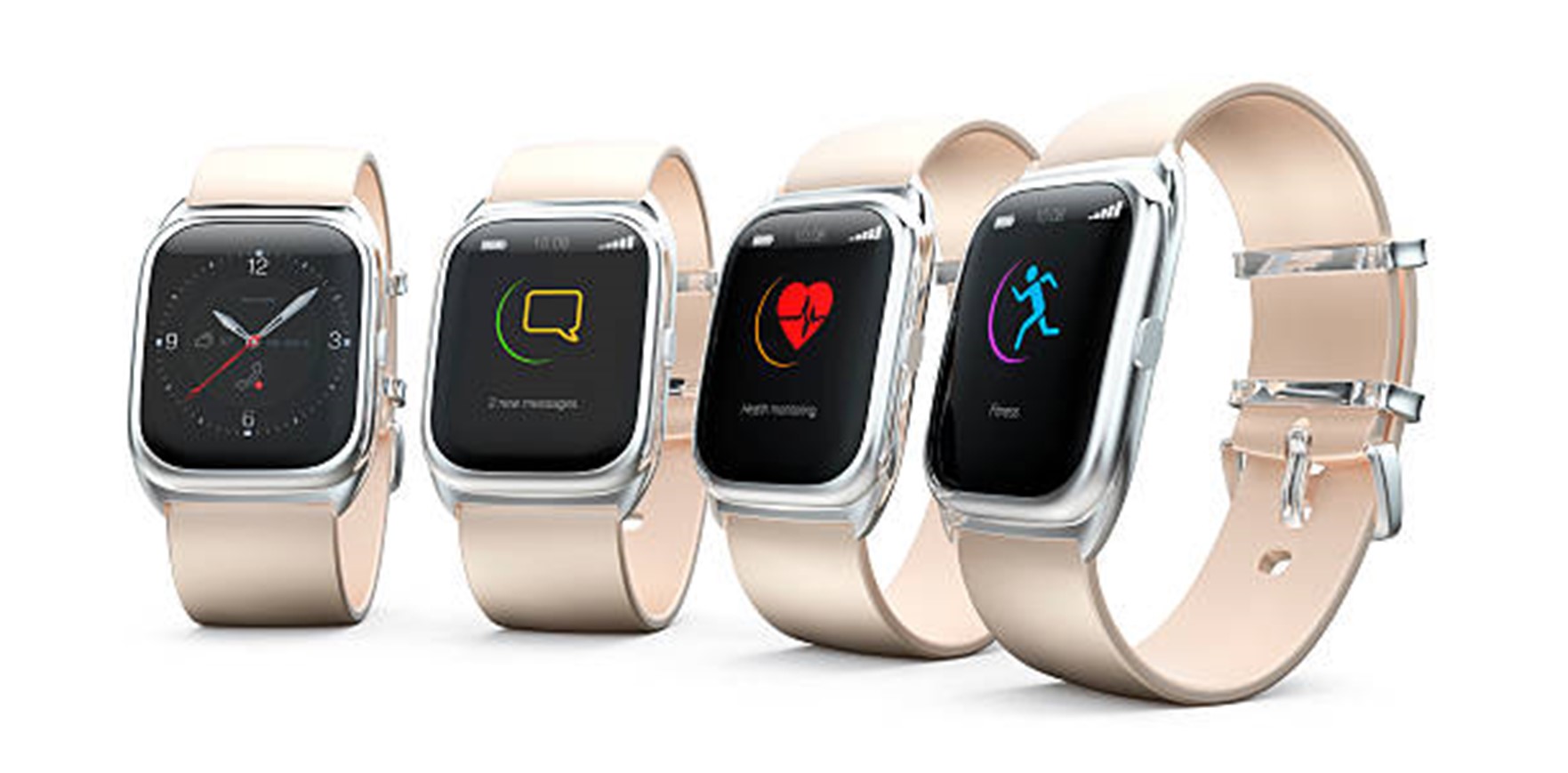 Image from gettyimages
Smart devices are evolving at an unprecedented rate as the world moves toward a digitally interconnected environment and dependence on technology becomes almost a part of people's daily lives. The changing consumer preferences and needs brought about by digital disruption, as well as the current global health challenges, are driving demand for devices such as smart wearables devices which monitor and track a user's daily activities.
As early as 2015, the wearable technology market was already valued at $19,633 million according to a report from Allied Market Research. In 2021 data from MarketsandMarkets, it is said that the market is set to grow to $265.4 billion by 2026 at a CAGR of 18 percent. The report further highlights “consumer preference for sophisticated gadgets, increasing growth prospects of next-generation displays in wearable devices, and the growing popularity of IoT and connected devices” as primary drivers of wearable device market growth.
Lifestyle wearable devices are further segmented by product and application. They vary from wristwear, bodywear, headwear and eyewear to fashion and accessories, and are marketed by applications such as mobile and consumer electronics, healthcare, lifestyle and fashion. Wristwear such as wrist watch and wrist band holds the largest market share with a value of $77.9 billion in 2021 as stated by MarketsandMarkets. The report added that wristwear and eyewear are among the segments worth investing in in the years to come. Quintilope's 2021 Consumer Electronics Study revealed that 63 percent of the wearable device users surveyed in the US owned fitness trackers and smart watches, while 10 percent said they owned smart glasses. eMarketer's report, meanwhile, showed that there will be 51.9 million people or 19.4 percent of the US population who will use smart watches by 2024 – an increase from the 2020 data which had 42 million users or 16.3 percent total population. By region, Mordor Intelligence stated that Asia-Pacific is set to witness the highest growth rate primarily due to the growing electronics industry and the rapid rise in disposable income in the region. 5G connectivity, AR/VR, innovations in health and wellness, and increased adoption due to greater affordability and growing awareness in fitness will shape the trends in the smart wearable market.
 Image from Unsplash
The global smart watch market is expected to grow from $59.02 billion in 2021 to $99.84 billion in 2025 according to Research and Markets. The types offered in the market today include smart watches for girls and boys, as well as for men. These devices have 5 ATM water resistance, and provide an accurate calculation or measurement of calories burned, distance walked, steps climbed on stairs and blood oxygen saturation. Titan, Oppo, Noise and Fast Track are popular smart watch brands in the market today.
 Image from Unsplash
Smart bracelets, smart bands, smart bracelet watches, or smart Bluetooth bracelets, also sometimes referred to as smart fitness trackers, have smaller dimensions and screen size and are more lightweight compared to smart watches. Smart bands focus more on fitness tracking while smart watches are more of an all-in-one wearable devices. These have long battery life, built-in Alexa control function and an IP67 water-resistance rating. They are also easy to clean, app-enabled, heat-resistant and do not deform easily. Some units offered come with a smart bracelet charger. Among those popular in today's market are the M4 and Cicret smart band brands.
 Image from Covestro
Designed to bring wireless connectivity, digital imaging, and augmented and virtual reality to lenses, smart glasses are one of the emerging wearable technology market's biggest breakthroughs. The global market is predicted to reach $7.45 billion by 2028 and grow at a CAGR of 6.8 percent from 2021 to 2028 according to Grand View Research. Smart glasses allow users to control calls and messages from smart mobile devices, take photos and videos, listen to music, display AR overlays, interact with other apps and use navigation systems remotely. The units offered in the market today have low sound leakage, ergonomic, flexible and lightweight design, and do not easily deform. They automatically connect to previously connected devices. The price of smart glasses can vary widely depending on the features offered and materials used. Focals, Bose, Fastrack and Google are among the popular brands of smart glasses in the market today.
More Sourcing News
Read Also

关注 “环球资源外贸” 官方微信,获取实时外贸资讯
iOS & Android
iOS & Android(Mainland China)
Copyright © 2026 Publishers Representatives Limited. All rights reserved.




