Download App
Better Online and Trade Show Sourcing Experiences.Scan the QR code to download.
Learn More
Hot Topics
Myanmar jade product suppliers are facing challenges amid sanctions imposed by the US and the EU on jade sourcing
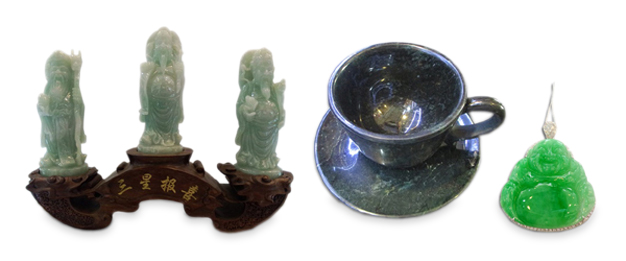
Jade, an ornamental rock, is highly valued for its perceived healing properties
according to Chinese beliefs
Despite the economic and democratic developments in Myanmar, domestic jade product suppliers still face a number of challenges that could hamper its progress.
While other sectors are set to benefit from eased restrictions, the industry continues to be under the embargo of the US due to various problematic issues hounding the line. These include claims of forced and child labor, sexual exploitation of workers, land confiscation and environmental damage. The Jade Act imposed by Washington in 2008 bans exports of gems and stones from Myanmar. The restriction also prohibits the importation of jewelry made of jade and ruby. The segment, nonetheless, remains one of the most lucrative industries in the country.
Besides difficulties in raw material sourcing, the industry's nonprogressive status is directly attributed to economic sanctions imposed by the US and the EU. Foreign investment has been diminished greatly since the 1990s in response to the former junta government’s human rights violations and other nondemocratic policies.
Myanmar, nonetheless, maintains trading partnerships with nearly 50 countries worldwide. The bulk is from Asia, with the most active ones being India, China and Thailand. Despite this, exports have risen minimally while penalties are in place, leaving the economy in general weakened and unable to keep up with those of neighboring nations.
Exports
According to the Ministry of National Planning and Development, jade shipments reached $920 million from April to December last year. The amount is 53 percent higher compared to the same period in 2012. The sector has earned about $1.3 billion over the past three years. Mainland China, Hong Kong and India are the major export markets.
Competitive advantages
Myanmar supplies the majority of the world's jade. Most of the reserves can be found in the small mining town of Hpakant, which is located north of Mandalay. Estimates show that annual jade production exceeds 10,000 tons.
Twice a year, the government holds the Myanmar Gems Emporium wherein gem and jewelry merchants across the globe bid for the finest stones mined in the country. A large portion of the attendees are from China, the UK, Thailand and Malaysia. In the July 2014 edition of the event, some 6,000 jade lots were sold during the auctions.
Strong support provided by local trade associations is another edge possessed by the sector. Aside from marketing assistance, the Gems Entrepreneurs Association is working with foreign experts, particularly technicians from China, to increase the quality and value of processed jade and other stones.
Challenges
The proliferation of fake jade jewelry is one of the major difficulties confronting the sector. Over the past years, syndicates have been actively selling counterfeit products to take advantage of rising demand. Most bogus items, including necklaces, rings, paintings, vases and bowls, incorporate stones dipped in liquid plastic compounds that provide a bright luster similar to that of genuine versions. To help buyers avoid being victimized by this scam, mine officials plan to open a one-stop service center in Sagaing, where manufacturers of various jade products are based.
Another threat is the increase tariff imposed by China on jade commodities. Deliveries to that nation have moderately slowed down since taxes were adjusted from 15 to 33 percent. Compounding this problem is the payment of additional 12 percent duty to the Ministry of Mining for all transactions made in the Myanmar-China border.
Sanctions against jade items from Myanmar also dent profits of domestic companies. Instead of directly sending their products to Western buyers, particularly the US and the EU, enterprises channel their exports to agents in China to complete the deals.
This article and its contents are provided by the Hinrich Foundation, a partner of Global Sources in promoting trade across Asia. The products and the suppliers featured in this article are export assistance program beneficiaries of the Hinrich Foundation.
More Sourcing News
Read Also

关注 “环球资源外贸” 官方微信,获取实时外贸资讯
iOS & Android
iOS & Android(Mainland China)
Copyright © 2026 Publishers Representatives Limited. All rights reserved.