




Image from iStock
Outsourcing metal part manufacturing offers benefits to companies looking for efficiency and cost-effectiveness.
One advantage is access to specialized expertise and advanced technology without the need for a large capital investment. This allows the customer company to focus on their core competencies while leveraging the expertise of metalworking professionals.
Another advantage comes in the form of savings due to reduced labor costs and minimized need for expensive machinery.
Customers can also benefit from economies of scale, enabling more competitive pricing and better resource allocation.
In addition, outsourcing provides flexibility and scalability, allowing businesses to adjust production volumes based on fluctuations in demand without the burden of unused equipment or labor.
Key processes
CNC machining is an efficient process for producing complex metal parts, with high levels of accuracy and repeatability.
Metal stamping, ideal for producing large quantities of parts with high precision and uniformity, is commonly used in the automotive and appliance industries.
Wire EDM, which uses electrical discharges to cut intricate shapes in metal, is particularly useful for making parts with tight tolerances and complex geometries. It is usually employed in aerospace and medical device manufacturing.
Cold forging enhances material properties such as strength and wear resistance, making it suitable for manufacturing components like bolts, screws and fasteners.
Surface treatments
Surface treatments for metal parts modify the surface properties while maintaining the base metal's core attributes. These deliver corrosion resistance, wear protection, improved hardness, reduced friction, enhanced aesthetics and electrical conductivity modifications.
Plating processes include electroplating with chrome, nickel, zinc or copper, electroless plating with nickel or copper, and immersion plating. Conversion coatings, meanwhile, cover anodizing, passivation, phosphating and chromate conversion. In terms of thermal spray coatings, plasma spraying, high-velocity oxygen fuel (HVOF) and flame spraying are common options. In physical vapor deposition (PVD), there are sputtering, evaporation and ion plating options, while there’s also chemical vapor deposition (CVD). Shot
peening, laser peening and burnishing fall under mechanical treatments.
Selection criteria usually involve the base metal properties, operating environment, performance requirements and cost considerations.
Tolerances
Tolerances are critical in metal fabrication because they ensure part functionality and proper fit during assembly, enable interchangeability of components, determine manufacturing processes and required equipment and impact production costs significantly.
It is important to note that unnecessarily tight tolerances can exponentially increase costs, while overly loose tolerances may compromise product quality and performance.
Outsourcing metal parts overseas
Outsourcing the production of metal parts overseas can offer cost advantages but requires careful consideration of several factors.
Language and cultural barriers can pose communication challenges, affecting project timelines and quality. It is vital to establish clear communication channels and work with partners who understand your requirements. Using video conferencing and project management tools will help facilitate real-time collaboration and information sharing.
Quality assurance and compliance with international standards are paramount and may involve regular audits and inspections of facilities to verify compliance.
Logistics and shipping are critical considerations, as lead times, shipping costs and customs regulations can have an impact on the overall efficiency and cost-effectiveness of a supply chain. Companies should work with suppliers who have strong logistics capabilities to minimize potential disruptions.
Choosing the right metal fabrication partner
Selecting the right metal fabrication partner starts by evaluating potential partners based on their experience, capabilities and track record. Assessing the technological capabilities and quality assurance processes of potential partners is another, with advanced machinery and state-of-the-art facilities as indicators.
References and testimonials from previous or existing clients can provide valuable insights into reliability and performance. Requesting samples can also help gauge the quality of output and make an informed decision.
Cost is a significant consideration when outsourcing metal fabrication. It is important to analyze all related costs, including material, labor, shipping and any potential tariffs or taxes. However, it is crucial to balance cost with quality.
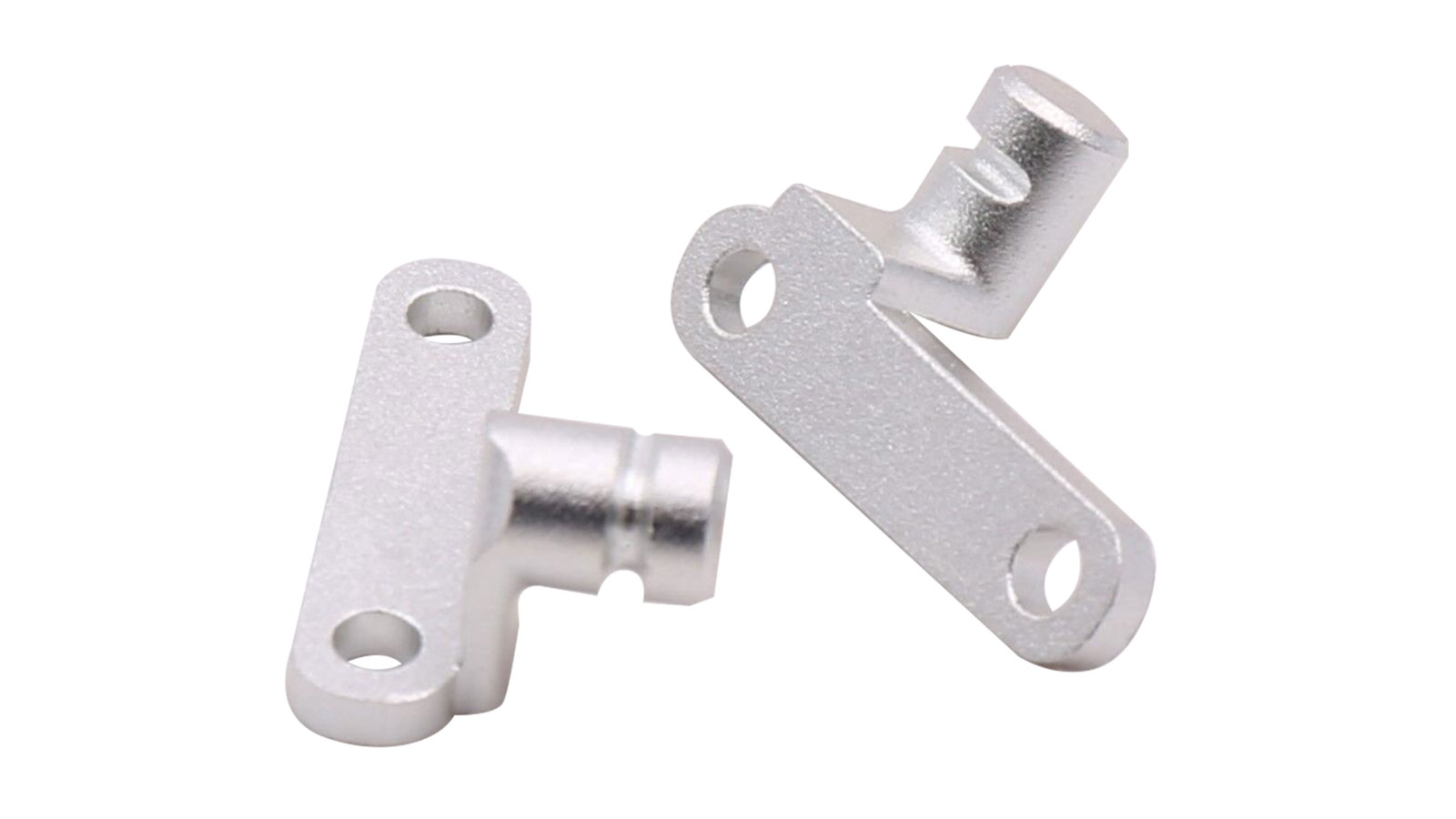
CNC machined furniture part
Company: Dongguan Kinggold Industry Co. Ltd
Dongguan Kinggold can make CNC machined furniture parts, such as the KGI03277, with tolerance of ±0.005mm. It can be made of aluminum, brass, bronze, copper, hardened metal, stainless steel, steel alloy or plastic.
MOQ: 3,000 pieces
Lead time: 15 to 25 days
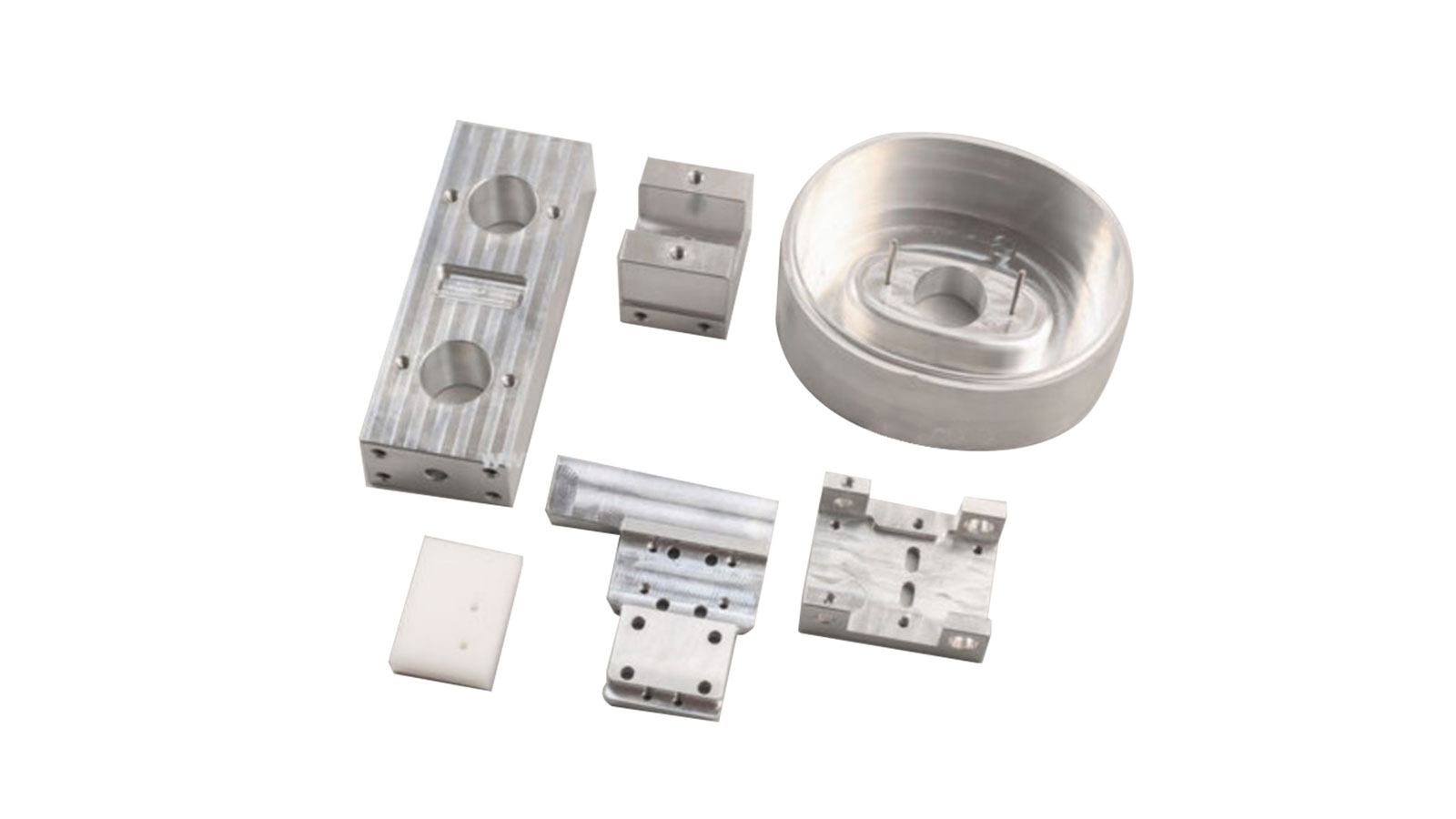
CNC machined part
Company: Dongguan Taihe Hardware Products Co. Ltd
Dongguan Taihe offers CNC machining of parts, such as the Taihe CNC-002, made of stainless steel, brass or aluminum and with thickness ranging from 0.5 to 50mm. The supplier can manufacture the parts based on drawings using AutoCAD, DWG, PDF or Pro/Engineer and has facilities for plating, anodizing, degreasing and other surface treatments. It inspects all parts before shipment.
MOQ: 100 pieces
Lead time: 8 to 10 days
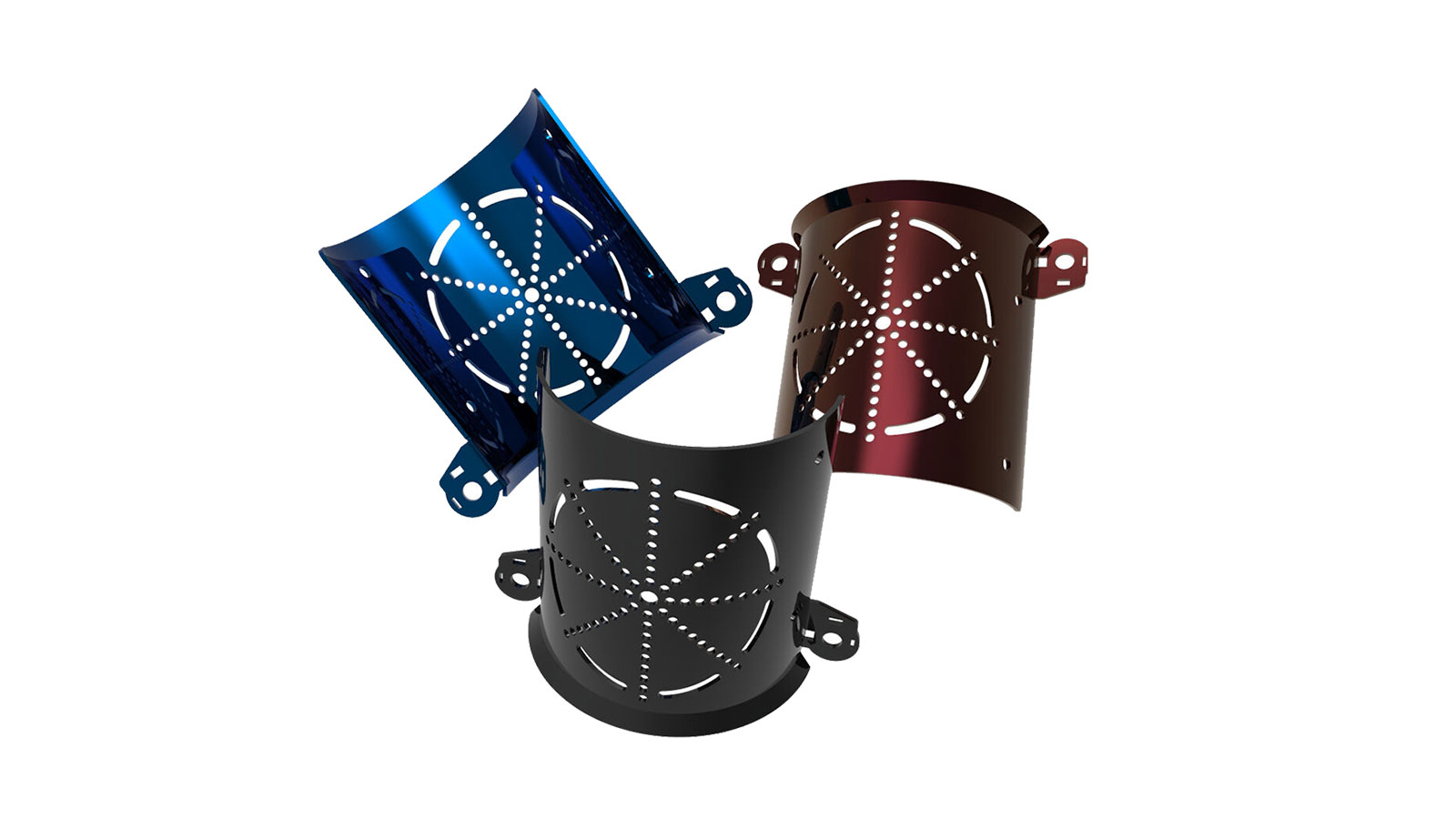
Custom metal part
Company: Huayi International Industry Group Ltd
The HYJD070681 represents Huayi’s capability to produce custom parts using imported metal stamping machines, automatic and CNC lathes. The company has advanced grinding and shot peening machinery as well as tensile strength, Rockwell and Vickers hardness, compression, endurance and salt spray testers, and magnetic powder flaw detectors.
MOQ: 100 pieces
Lead time: 15 to 30 days
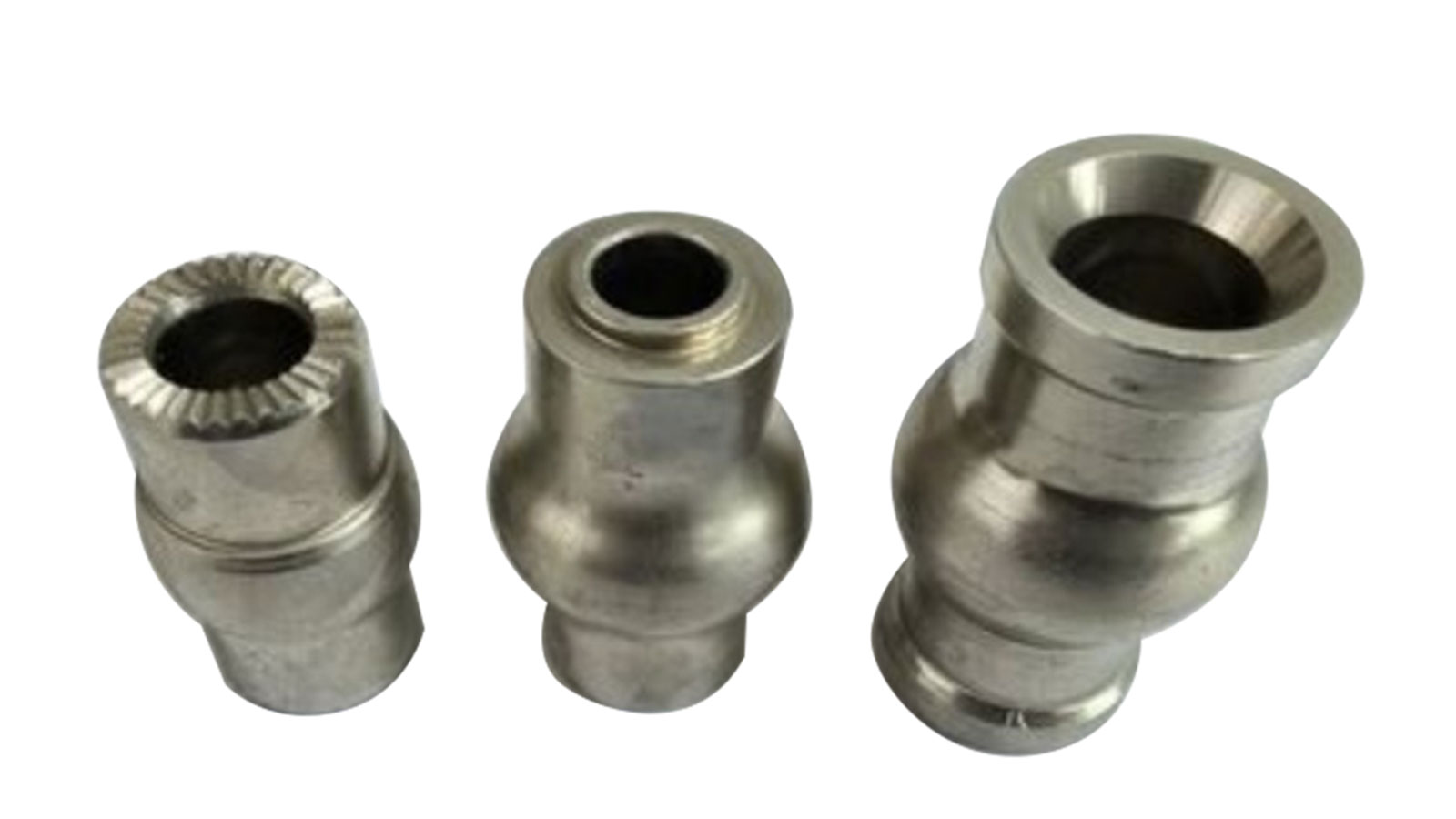
Shock absorber part
Company: Minhoo Group
The Shock Absorber from Minhoo is a sleeve or bar pin that can be made, with ±0.1mm tolerance, based on a customer’s drawing using CAD, SolidWorks, Pro/Engineer or PDF. This vehicle part can be made of carbon steel or aluminum that is processed using cold forging, stamping or CNC machining and subjected to heat treatment. It can have zinc, nickel or zinc-nickel plating and is RoHS-compliant.
MOQ: 1,000 pieces
Lead time: 45 to 90 days
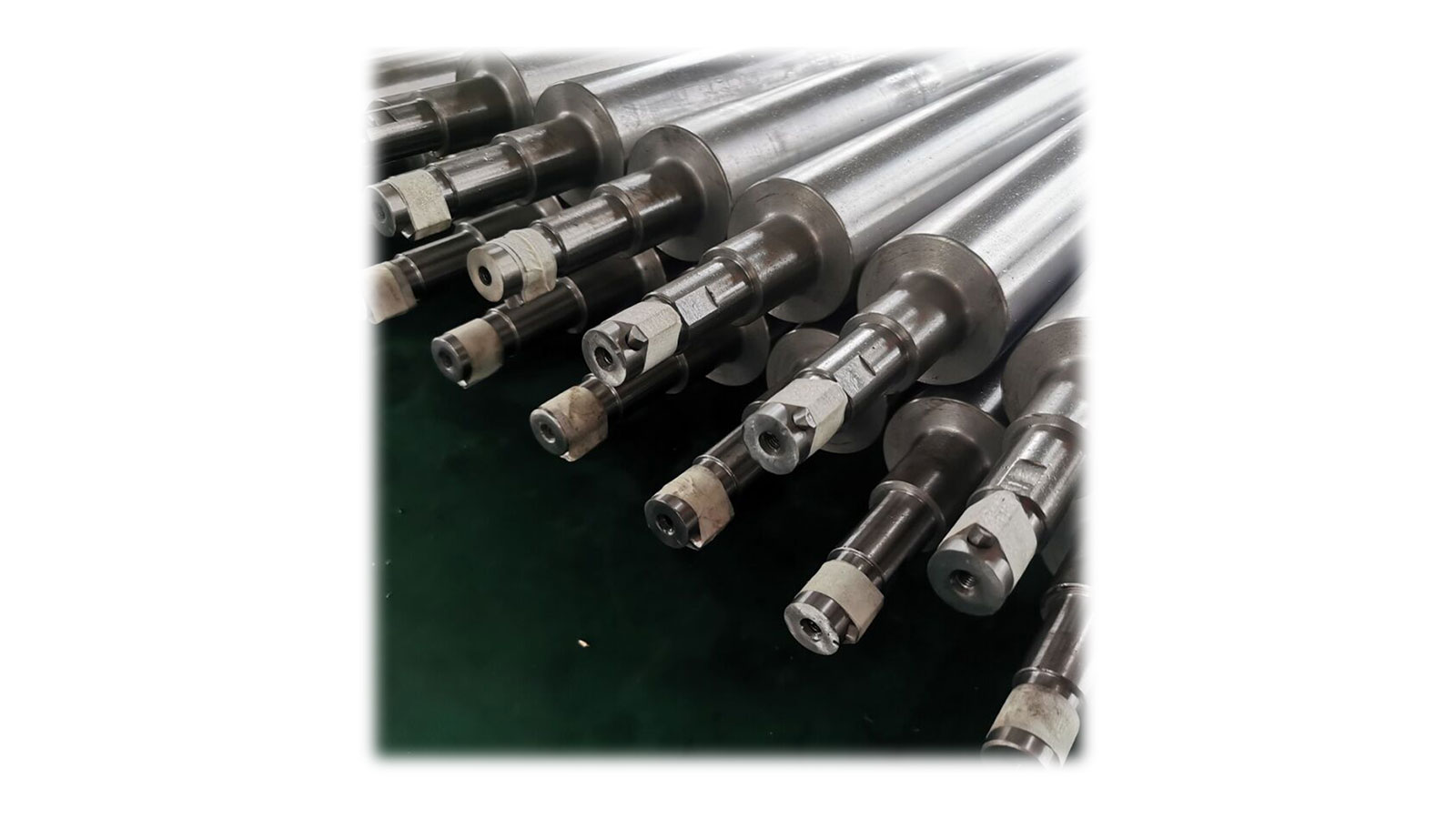
CNC machined metal part
Company: Shandong Wanzhida New Material Technology Co. Ltd
Shandong Wanzhida’s model 32 MP-6070 is a CNC machined metal part that can be made using stainless steel, steel or carbon steel with tolerance of ±0.02 to ±0.1mm. It can have an anodized, bead-blasted, silk-screened, PVD-, zinc-, nickel-, chrome- or titanium-plated, brushed, painted or powder-coated finish. The supplier welcomes drawings in SolidWorks, Pro/Engineer, AutoCAD, PDF or TIFF file format.
MOQ: 200 dozen
Lead time: 15 to 45 days
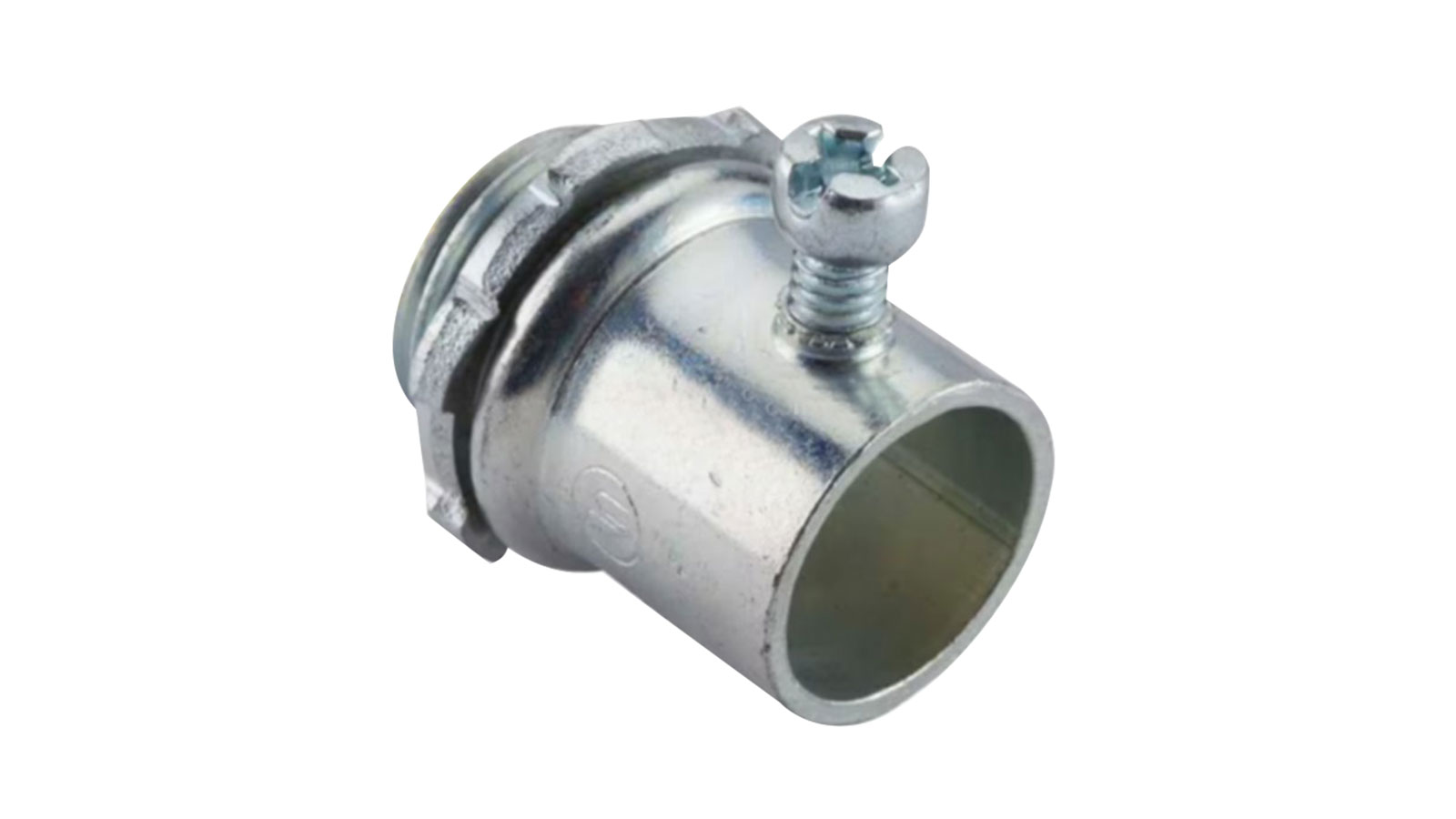
Connector housing
Company: Shanghai ESME Corp. Ltd
Shanghai ESME’s model DC-20250416-04 is a die-cast zinc alloy housing for industrial or automotive electrical connectors. It is made of A380 or A413 aluminum alloy with a polished, passivated or powder-coated finish. The machining tolerance is ±0.001mm. This part is RoHS-compliant.
MOQ: 10 sets
Lead time: 30 to 45 days

