




Table of Contents
What is a Request for Information (RFI)?
What is a Request for Quotation (RFQ)?
What is a Request for Proposal (RFP)?
RFQ vs. RFI vs. RFP: Choosing the Right Tool
Sourcing Smarter with Global Sources
In the dynamic world of procurement and contract management, businesses frequently encounter three acronyms that are essential for successful vendor selection and strategic sourcing: RFI, RFP, and RFQ. While these terms may seem similar at first glance, each serves a distinct purpose and plays a crucial role in the procurement process. Understanding the differences among these tools is vital for companies to streamline their sourcing efforts, foster clear communication, and establish fruitful business relationships.
What is a Request for Information (RFI)?
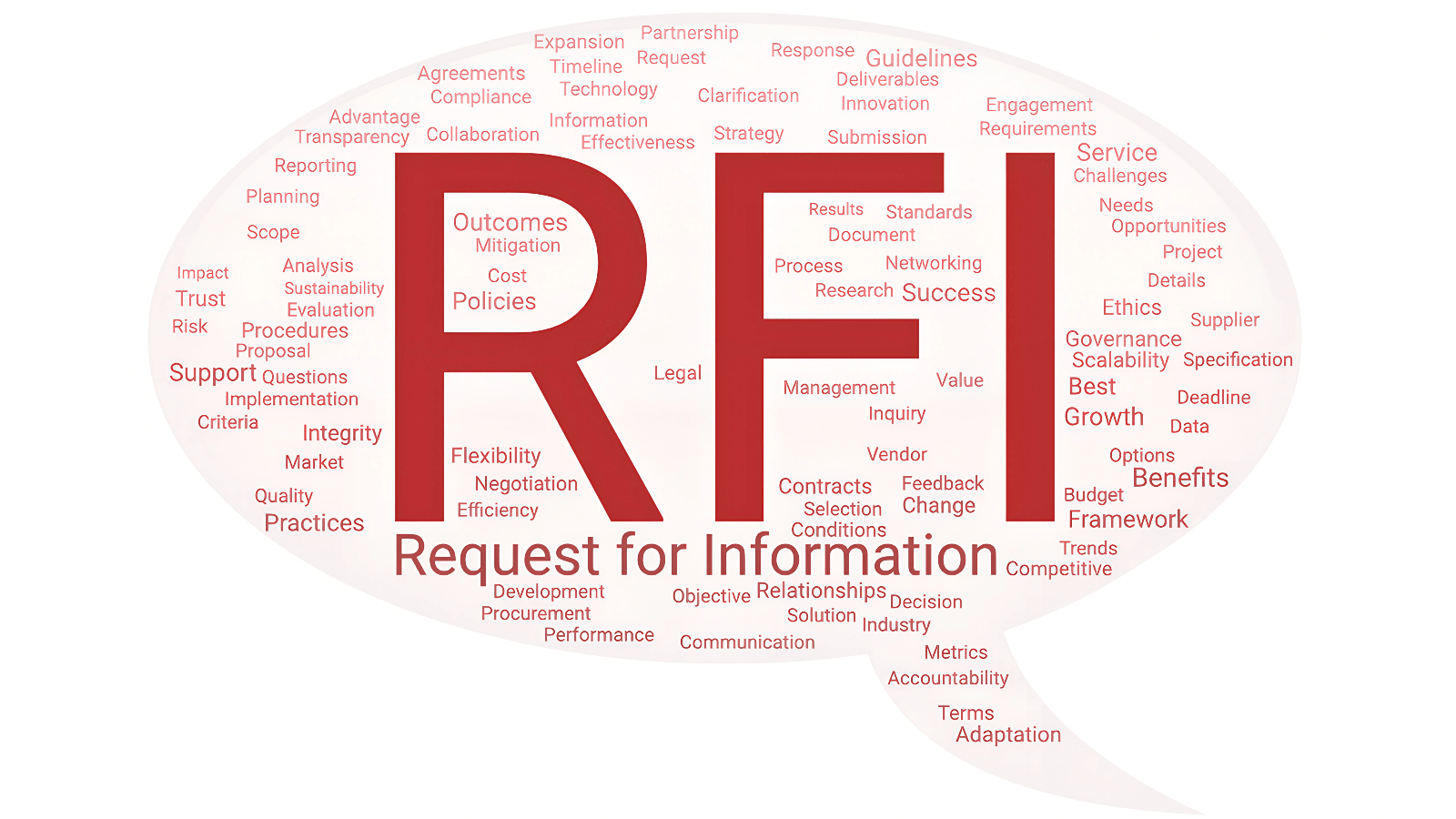
A Request for Information (RFI) is a preliminary step in the procurement process that aims to gather general information about potential suppliers, their capabilities, and the products or services they offer. It serves as a research tool that allows businesses to explore the market landscape and gain insights into available options before engaging in more detailed negotiations.
The RFI Process
The RFI process typically involves the procurement or sourcing team preparing a high-level questionnaire. This questionnaire includes the procuring company's background information, the goods or services it is seeking, and the information it requires from vendors. This document is then distributed to a select group of suppliers, who respond with details about their capabilities and availability to fulfill the request. The RFI responses help the company refine its requirements and identify the most promising vendors to consider for further evaluation.
When to Use an RFI
An RFI is particularly beneficial when a company is in the early stages of the buying process and needs to gather insights to define its specific requirements. It is often followed by an RFQ or RFP, but some organizations may choose to skip the RFI and proceed directly to the more detailed request formats.
What is a Request for Quotation (RFQ)?
A Request for Quotation (RFQ) is a document that focuses on gathering comprehensive pricing information for a specific product or service. It is typically used when a company has a clear understanding of its requirements and is primarily concerned with obtaining the best possible price from potential suppliers.

The RFQ Process
The RFQ process involves the procurement team preparing a detailed document that outlines the required goods or services, including specifications, quantities, delivery timelines, and payment terms. Vendors are then invited to submit their quotation, often shortened as "quotes," detailing the total cost of providing the requested items. The company can then compare the quotes and select the supplier offering the most competitive pricing within their specified parameters.
When to Use an RFQ
An RFQ is well-suited for situations where the company is purchasing highly commoditized or standardized items, and the primary decision factor is the price. It is often used as a standalone process or as a follow-up to an RFI, providing the necessary pricing information to support the vendor selection decision.
What is a Request for Proposal (RFP)?
A Request for Proposal (RFP) is a more comprehensive and formal document that provides a detailed overview of a project or problem, outlining the company's requirements and soliciting detailed proposals from vendors. Unlike the RFQ, which focuses primarily on pricing, the RFP evaluates a broader range of factors to determine the best-fit supplier.

The RFP Process
The RFP process typically involves the procurement team creating a detailed event that includes elements such as a cover page, a statement of work, defined requirements, a vendor questionnaire, and a clear outline of the bidding and evaluation process. Vendors then submit their proposals, addressing the company's specific needs and offering creative solutions to meet the stated objectives.
When to Use an RFP
An RFP is the most suitable choice when a company is undertaking a significant or complex project, requiring a thorough evaluation of multiple factors beyond just price. It is often used for critical procurement decisions, where the company wants to assess the overall value proposition offered by potential suppliers, including factors such as technical capabilities, delivery timelines, and sustainability initiatives.
RFQ vs. RFI vs. RFP: Choosing the Right Tool
| Aspect | RFQ (Request for Quotation) | RFI (Request for Information) | RFP (Request for Proposal) |
|---|---|---|---|
| Purpose | Obtain pricing and terms for specific items | Gather general information about capabilities | Solicit detailed proposals for a specific project |
| Scope | Narrow, focused on price and terms | Broad, exploratory | Detailed, solution-oriented |
| When Used | Requirements are clear and specific | Early stage to explore options | Project is defined but needs detailed solutions |
| Content | Product/service details, quantity, terms | Questions about capabilities, experience | Project requirements, evaluation criteria |
| Response Detail | Pricing, delivery terms, conditions | Informative responses about offerings | Technical approach, pricing, timelines, qualifications |
| Evaluation Criteria | Price and terms | Quality and relevance of information | Technical solution, pricing, experience |
| Complexity | Low to moderate | Low | High |
| Time to Evaluate | Short | Short to moderate | Long |
| Typical Respondents | Suppliers or vendors | Suppliers, vendors, industry experts | Suppliers, vendors, service providers |
| Outcome | Select supplier based on price and terms | Shortlist potential suppliers/solutions | Select best proposal based on multiple criteria |
| Examples | Pricing on office supplies, equipment | Information on new technologies, market capabilities | Proposals for software systems, construction projects |
| Follow-up Actions | Issue purchase order/contract | Issue RFP or RFQ | Contract negotiations, final selection |
Determining the Appropriate Request
The choice between an RFI, RFQ, or RFP depends on the specific needs and stage of the procurement process. An RFI is best suited for exploratory research and defining requirements, an RFQ is ideal for price-focused decisions, and an RFP is the most comprehensive option for complex projects or significant spending.
Factors to Consider
When selecting the appropriate request method, companies should consider factors such as the level of detail required, the importance of pricing versus other criteria, the involvement of multiple stakeholders, and the overall strategic significance of the procurement.
Streamlining the Process
To maximize the efficiency of the RFI, RFQ, and RFP processes, companies can leverage technology solutions that automate event design, streamline bid collection and analysis, and enable real-time collaboration with vendors. By embracing these digital tools, organizations can enhance their procurement capabilities, secure better value, and foster stronger supplier relationships.
Sourcing Smarter with Global Sources: Your Guide to RFI, RFQ, and RFP Success
Efficient procurement is a necessity in a dynamic business environment. Global Sources, a trusted leader in connecting buyers and suppliers globally, understands the critical role of RFI, RFQ, and RFP processes in securing the best value for your business.
Global Sources: Empowering Procurement Excellence
Global Sources provides a comprehensive suite of tools and resources designed to streamline your sourcing journey, whether you're seeking information, requesting quotes, or soliciting proposals from potential suppliers.
Here's how Global Sources empowers your procurement team:
- Extensive Supplier Network: Access a vast, verified network of millions of suppliers across various industries, ensuring you find the perfect match for your specific needs.
- Advanced Search & Filtering: Easily identify suitable suppliers using detailed product catalogs, company profiles, and customizable search filters.
- Streamlined Communication: Communicate directly with suppliers through our platform, facilitating efficient information exchange and negotiation.
- Request for Information (RFI): Gather comprehensive information from multiple suppliers through structured RFI templates, allowing for efficient comparison and evaluation.
- Request for Quotation (RFQ): Solicit competitive quotes from potential suppliers based on your specific requirements, ensuring optimal pricing and terms.
- Request for Proposal (RFP): Request detailed proposals for complex projects, outlining your specific needs and evaluating suppliers based on their capabilities and solutions.
- Secure Collaboration: Maintain confidentiality and control throughout the sourcing process with secure communication channels and data encryption.
Unlocking Procurement Efficiency and Value
By leveraging Global Sources' powerful platform and extensive supplier network, your business can:
- Reduce Sourcing Time: Quickly identify and connect with relevant suppliers, accelerating the procurement cycle.
- Minimize Costs: Generate competitive bids and negotiate favorable pricing through our RFQ and RFP tools.
- Mitigate Risks: Partner with verified suppliers and ensure product quality through our comprehensive supplier verification process.
- Enhance Transparency: Gain complete visibility into every stage of the sourcing process, fostering accountability and informed decision-making.
Global Sources: Your Partner in Procurement Success
Global Sources is committed to empowering businesses of all sizes to navigate the complexities of global sourcing with confidence. Our platform provides the tools, resources, and support you need to optimize your RFI, RFQ, and RFP processes, secure the best value, and drive sustainable growth for your organization.
Conclusion
In the dynamic world of procurement, the RFI, RFQ, and RFP serve as powerful tools for businesses to navigate the complex landscape of vendor selection and strategic sourcing. By understanding the unique purpose and application of each request, companies can leverage these instruments to gather critical information, compare pricing, and evaluate comprehensive proposals – ultimately leading to more informed and strategic procurement decisions.
As businesses continue to navigate the evolving procurement environment, embracing the right request methods and leveraging technology-driven solutions can be the key to unlocking greater efficiency, cost savings, and supplier collaboration. By mastering the RFI, RFQ, and RFP processes, organizations can position themselves for long-term success in their procurement strategies.
FAQs
Which comes first: RFQ or RFP?
In the procurement process, the sequence of issuing an RFQ (Request for Quotation) or an RFP (Request for Proposal) depends on the clarity and specificity of the project requirements. Generally, an RFP comes before an RFQ, especially in complex projects where detailed proposals are necessary to understand the best approach to meet the project goals.
RFP First: An RFP is typically issued when the project requirements are defined, but the organization seeks detailed proposals from vendors or service providers to understand how they would approach the project, what solutions they can offer, and at what cost. The RFP process allows the organization to gather comprehensive information on various aspects such as technical solutions, methodologies, timelines, and cost structures. It helps in evaluating the capabilities and expertise of different vendors before making a selection.
RFQ Second: An RFQ is usually issued after the organization has a clear understanding of the project requirements and has potentially shortlisted a few vendors based on their RFP responses. The RFQ focuses on obtaining detailed pricing information and specific terms and conditions for the products or services required. It is a more straightforward document compared to an RFP and is used when the organization needs to finalize the financial aspects of the procurement.
Example scenario:
- RFP Stage: An organization plans to implement a new enterprise resource planning (ERP) system. They issue an RFP to gather detailed proposals from various ERP vendors. The RFP includes background information on the procuring company to enable potential vendors to put the project in context, requirements for system functionality, implementation methodology, support services, and preliminary cost estimates.
- Evaluation: The organization evaluates the RFP responses based on the proposed solutions, vendor experience, technical capabilities, and initial cost estimates. They may conduct presentations or meetings with the top vendors to clarify details and assess their suitability.
- RFQ Stage: After shortlisting a few vendors based on their RFP responses, the organization issues an RFQ to these vendors. The RFQ requests detailed pricing information, including costs for software licenses, implementation services, training, and ongoing support. The organization also specifies terms and conditions related to delivery timelines, payment schedules, and service level agreements.
- Final Selection: The organization evaluates the RFQ responses, focusing on the detailed pricing and terms. They may negotiate with the vendors to finalize the best deal. Ultimately, the organization selects the vendor that offers the best combination of solution quality, vendor capability, and cost-effectiveness.
In summary, while the specific sequence can vary depending on the project and organizational practices, an RFP generally precedes an RFQ in complex procurement processes. The RFP helps gather detailed proposals and understand the best approach to meet project goals, while the RFQ focuses on obtaining precise pricing and terms for the selected solution. This sequence ensures that the organization makes informed decisions based on comprehensive information and detailed cost analysis.
What is RFP vs RFQ vs RFx?
The terms RFP (Request for Proposal), RFQ (Request for Quotation), and RFx (a general term encompassing various types of requests) are all part of the procurement process, but they serve different purposes and are used at different stages. Understanding the distinctions among these terms is crucial for effective procurement management.
RFP (Request for Proposal): An RFP is a document issued by an organization to solicit detailed proposals from potential vendors or service providers. It is used when the organization has a defined project or need but seeks detailed solutions, methodologies, and pricing from vendors. The RFP process is comprehensive and includes specific requirements, evaluation criteria, and submission guidelines. Vendors respond with detailed proposals outlining their approach, capabilities, and costs. The RFP is typically used for complex projects where the organization needs to understand various aspects of the proposed solutions before making a decision.
Key Components of an RFP:
- Project requirements and objectives.
- Technical specifications.
- Evaluation criteria.
- Submission guidelines and deadlines.
- Vendor qualifications and experience.
- Cost estimates and pricing structure.
RFQ (Request for Quotation): An RFQ is a document used to obtain pricing and terms for specific products or services. It is issued when the organization has clear and specific requirements and seeks detailed quotations from vendors. The RFQ focuses primarily on the financial aspects, such as unit prices, delivery terms, and payment conditions. It is typically used for straightforward procurements where the organization knows exactly what it needs and is primarily concerned with obtaining the best price.
Key Components of an RFQ:
- Detailed description of the products or services.
- Quantity and specifications.
- Delivery requirements.
- Pricing format.
- Terms and conditions.
RFx: This is a general term that encompasses various types of requests used in the procurement process, including RFP, RFQ, RFI (Request for Information), RFB (Request for Bid), and RFT (Request for Tender). It is a catch-all term that refers to any request issued by an organization to gather information, proposals, or quotations from potential vendors. The use of RFX allows organizations to streamline their procurement terminology and processes, recognizing that different types of requests serve different purposes at various stages of procurement.
Types of RFx:
- RFI (Request for Information): Used to gather general information about vendors' capabilities, products, or services. It is typically used early in the procurement process to explore options and understand the market landscape.
- RFP (Request for Proposal): Used to solicit detailed proposals for a specific project or need, focusing on solutions, methodologies, and pricing.
- RFQ (Request for Quotation): Used to obtain detailed pricing and terms for specific products or services when the requirements are clear and specific.
Example scenario:
- RFI Stage: An organization plans to upgrade its IT infrastructure. They issue an RFI to gather information about the latest technologies and capabilities of various IT vendors.
- RFP Stage: Based on the information gathered from the RFI responses, the organization issues an RFP to solicit detailed proposals for the IT infrastructure upgrade, including technical solutions, implementation plans, and cost estimates.
- RFQ Stage: After evaluating the RFP responses and shortlisting a few vendors, the organization issues an RFQ to obtain detailed pricing and terms for the selected solution.
In summary, RFP, RFQ, and RFx are essential components of the procurement process, each serving specific purposes at different stages. Understanding their distinctions and appropriate usage helps organizations effectively manage their procurement activities and make informed decisions.
What are the differences between RFI and RFP in PMP?
In the context of Project Management Professional (PMP) practices, RFI (Request for Information) and RFP (Request for Proposal) are distinct documents used at different stages of the project procurement process. Understanding their differences is crucial for effective project management and procurement planning.
RFI (Request for Information): An RFI is a preliminary document used to gather general information about potential vendors, products, services, or solutions. It is typically issued early in the procurement process when the project requirements are not yet fully defined. The primary purpose of an RFI is to explore the market, understand the capabilities of various vendors, and identify potential solutions that could meet the project's needs. The information gathered from RFIs helps project managers and procurement teams to refine their requirements and make informed decisions about the next steps in the procurement process.
Key Characteristics of an RFI:
- Purpose: To gather general information and explore options
- Content: Broad questions about vendor capabilities, products, services, and industry trends
- Usage: Early stage of procurement to understand the market landscape and refine project requirements
- Response Detail: Informative responses that provide insights into vendor capabilities and offerings
- Outcome: Shortlist of potential vendors or solutions for further evaluation
Example scenario: A project manager is tasked with implementing a new customer relationship management (CRM) system. They issue an RFI to various CRM vendors to gather information about their products, features, integration capabilities, and industry experience. The responses help the project manager understand the available options and narrow down the list of potential vendors for further consideration.
RFP (Request for Proposal): An RFP is a detailed document used to solicit comprehensive proposals from potential vendors for a specific project or need. It is issued when the project requirements are well-defined, and the organization seeks detailed solutions, methodologies, and pricing from vendors. The RFP process is more formal and structured compared to an RFI. It includes specific requirements, evaluation criteria, and submission guidelines. Vendors respond with detailed proposals outlining their approach, technical solutions, timelines, and cost estimates. The RFP is used for complex projects where the organization needs to evaluate various aspects of the proposed solutions before making a decision.
Key Characteristics of an RFP:
- Purpose: To solicit detailed proposals for a specific project or need
- Content: Detailed project requirements, technical specifications, evaluation criteria, and submission guidelines
- Usage: When the project requirements are well-defined, and detailed proposals are needed
- Response Detail: Comprehensive proposals that include technical approach, pricing, timelines, and vendor qualifications
- Outcome: Selection of the best proposal based on multiple criteria, leading to contract negotiations
Example scenario: After gathering information from the RFI responses, the project manager issues an RFP to the shortlisted CRM vendors. The RFP includes detailed requirements for the CRM system, integration with existing systems, data migration, user training, and support services. Vendors submit detailed proposals outlining their solutions, implementation plans, timelines, and cost estimates. The project manager evaluates the proposals based on technical fit, cost, vendor experience, and other criteria to select the best vendor for the project.
Comparison in PMP Context:
- Stage in Procurement Process: An RFI is used at the early stage to gather general information, while an RFP is used at a later stage when detailed proposals are needed.
- Purpose: An RFI aims to explore options and understand the market, whereas an RFP seeks comprehensive solutions and detailed proposals for a specific project.
- Content: An RFI contains broad questions about capabilities and offerings, while an RFP includes detailed project requirements, technical specifications, and evaluation criteria.
- Response Detail: RFI responses are informative and provide insights into vendor capabilities, while RFP responses are detailed proposals with technical approaches, pricing, and timelines.
- Outcome: An RFI results in a shortlist of potential vendors or solutions, leading to further evaluation, while an RFP results in the selection of the best proposal and subsequent contract negotiations.
In summary, both RFI and RFP play crucial roles in the PMP procurement process. The RFI is used to gather preliminary information and refine project requirements, while the RFP is used to solicit detailed proposals and select the best vendor for the project. Understanding the differences between these documents helps project managers effectively manage the procurement process and make informed decisions.
What is the difference between an RFI and an RFA?
RFI (Request for Information) and RFA (Request for Application) are both documents used in procurement and funding processes, but they serve different purposes and are used in different contexts. Understanding their differences is essential for effectively managing procurement and funding activities.
RFI (Request for Information): An RFI is a document issued by an organization to gather general information about potential vendors, products, services, or solutions. It is typically used early in the procurement process when the organization seeks to explore the market, understand vendor capabilities, and identify potential solutions. The primary purpose of an RFI is to gather broad information that helps the organization refine its requirements and make informed decisions about the next steps in the procurement process.
Key Characteristics of an RFI:
- Purpose: To gather general information and explore options
- Content: Broad questions about vendor capabilities, products, services, and industry trends
- Usage: Early stage of procurement to understand the market landscape and refine requirements
- Response Detail: Informative responses providing insights into vendor capabilities and offerings
- Outcome: Shortlist of potential vendors or solutions for further evaluation
Example scenario: A healthcare organization plans to implement a new electronic health record (EHR) system. They issue an RFI to various EHR vendors to gather information about their systems, features, integration capabilities, and industry experience. The responses help the organization understand the available options and narrow down the list of potential vendors for further consideration.
RFA (Request for Application): An RFA is a document issued by a funding agency or organization to solicit applications for grants, funding, or participation in a specific program. It is typically used in the context of research funding, non-profit grants, or government programs. The primary purpose of an RFA is to invite eligible organizations or individuals to apply for funding or participation by submitting detailed applications that outline their proposed projects, methodologies, budgets, and qualifications. The RFA process is competitive, and applications are evaluated based on specific criteria to select the most suitable candidates for funding or participation.
Key Characteristics of an RFA:
- Purpose: To solicit applications for grants, funding, or program participation
- Content: Detailed guidelines, eligibility criteria, application requirements, and evaluation criteria
- Usage: When a funding agency or organization seeks to invite applications for specific programs or grants
- Response Detail: Comprehensive applications including project proposals, methodologies, budgets, and qualifications
- Outcome: Selection of the most suitable candidates for funding or participation based on evaluation criteria
Example scenario: A government agency issues an RFA to invite non-profit organizations to apply for funding to support community health initiatives. The RFA includes detailed guidelines on eligibility criteria, application requirements, project scope, budget limits, and evaluation criteria. Non-profit organizations submit detailed applications outlining their proposed projects, methodologies, expected outcomes, and budgets. The government agency evaluates the applications and selects the most suitable projects for funding.
Comparison:
- Purpose: An RFI is used to gather general information and explore options, while an RFA is used to solicit detailed applications for grants, funding, or program participation.
- Content: An RFI contains broad questions about capabilities and offerings, while RFA includes detailed guidelines, eligibility criteria, and application requirements.
- Usage: RFI is used early in the procurement process to understand the market, while an RFA is used to invite applications for specific programs or grants.
- Response Detail: RFI responses are informative and provide insights into vendor capabilities, while RFA responses are comprehensive applications with project proposals, methodologies, and budgets.
- Outcome: An RFI results in a shortlist of potential vendors or solutions, while an RFA results in the selection of candidates for funding or participation.
In summary, RFI and RFA serve different purposes in procurement and funding processes. An RFI is used to gather preliminary information and explore options, while an RFA is used to solicit detailed applications for grants, funding, or program participation. Understanding these differences helps organizations effectively manage their procurement and funding activities.

