




Image from iStock
Metal components form the backbone of modern vehicles, providing structural integrity, durability and performance characteristics. Understanding these various parts, their composition and manufacturing processes is vital for sourcing professionals and supply chain managers seeking to optimize procurement strategies within the automotive industry.
Common metal materials in automotive applications
The automotive industry primarily utilizes several key metal materials. Accounting for approximately 60 percent of vehicle weight in traditional vehicles, steel is used in body structures, chassis components and engine parts. Aluminum is increasingly adopted for its lightweight properties. It is between 30 and 40 percent lighter than steel, and utilized in engine blocks, transmission cases and body panels.
Cast iron, meanwhile, is valued for heat resistance and durability, and is commonly found in engine blocks, cylinder heads and brake components. Stainless steel, for its corrosion resistance and strength, is used in exhaust systems and decorative trims.
The lightest structural metal, magnesium, is employed in steering wheels, seat frames and transmission cases, while titanium is reserved for high-performance applications because of its strength-to-weight ratio and cost. The latter material is found in connecting rods, valves and exhaust systems.
Critical automotive components
Powertrain: Engine blocks and cylinder heads, crankshafts and camshafts, connecting rods and pistons, valves and valve springs, transmission cases and gears
Chassis and suspension: Frame rails and cross-members, control arms and suspension links, steering knuckles and tie rods, coil springs and torsion bars, brake calipers, rotors and drums
Body: Body-in-white structure, door intrusion beams, roof rails and pillars, hood and trunk panels, bumper reinforcements
Advantages and risks of outsourcing
Here’s a clear breakdown of the advantages and risks when outsourcing metal parts for the automotive industry:
Advantages
Cost savings: Lower labor and overhead costs, especially when outsourcing to regions with cheaper production expenses
Access to specialized expertise and technology: Outsourcing partners have advanced CNC machining, metal stamping, forging and surface treatment capabilities
Flexibility and scalability: Easier to adjust production volumes based on market demand without idle equipment or workforce; supports faster time-to-market for new models
Improved efficiency: Streamlines operations so manufacturers can focus on core competencies like R&D and marketing while accelerating delivery schedules
Global reach: Access to global supply networks and competitive pricing while helping smaller companies compete with larger players by tapping into established manufacturing ecosystems
Risks and challenges to watch out for
Supply chain disruptions: Global events such as tariffs, trade wars and natural disasters can delay shipments and increase costs.
Quality control issues: Outsourcing introduces the risk of inconsistent quality if suppliers lack robust standards, requiring strict audits and certifications to maintain compliance.
Dependency on external vendors: Overreliance on a single supplier can create bottlenecks, so diversification and long-term partnerships are critical to mitigate risk.
Regulatory and compliance risks: Different countries have varying safety, environmental and labor regulations, with noncompliance likely leading to fines or reputational damage.
Hidden costs: Logistics, tariffs and currency fluctuations can erode initial cost savings. Intellectual property protection is also a concern when sharing designs globally.
Best sourcing practices
When procuring metal automotive parts, sourcing professionals should evaluate:
Material certification: Ensuring components meet industry standards such as ASTM, SAE and ISO
Manufacturing capabilities: Assessing suppliers’ production processes, including casting, forging, stamping and machining
Quality control systems: Verifying implementation of quality management systems based on the IATF 16949 standard
Supply chain resilience: Evaluating risks in the metal supply chain and supplier contingency plans
Cost optimization: Analyzing material price volatility, processing costs and value engineering opportunities
Sustainability factors: Considering recycled content, environmental impact and regulatory compliance
Understanding these fundamental aspects of metal automotive components provides a foundation for effective sourcing strategies and supplier relationship management in the automotive supply chain.
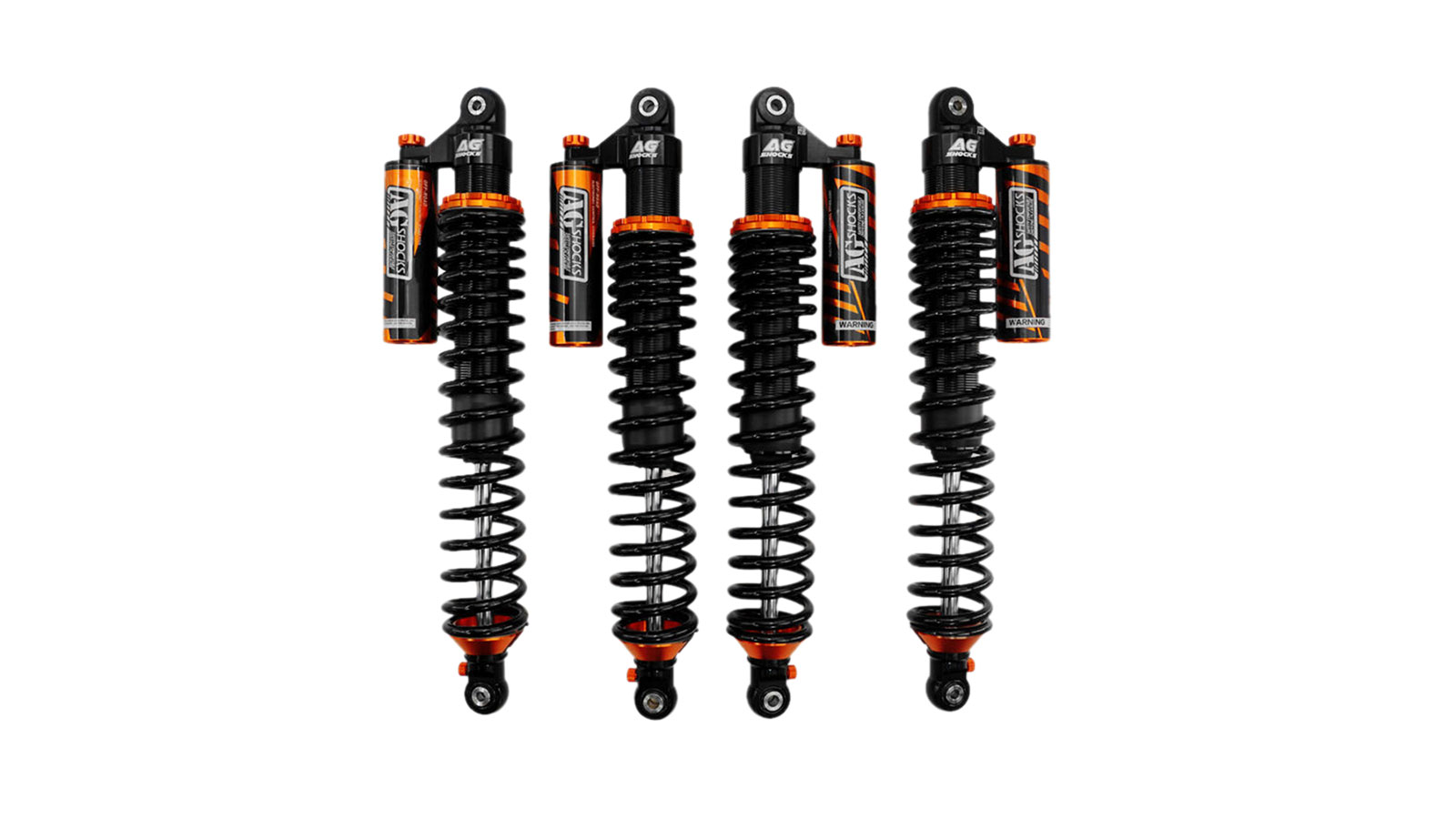
UTV lift kit
Company: Dongguan Ba Ge Shock Absorption Technology Co. Ltd
The model UTV from Dongguan Ba Ge is a lift kit with nitrogen compression and rebound adjustable suspension shock absorbers. The parts, including the cylinder and the reservoir, are made of corrosion-resistant aluminum. The compression adjuster allows tuning with 20 to 22 clicks and the rebound adjuster with 10 to 12 clicks.
MOQ: 1 unit
Lead time: 3 to 8 days
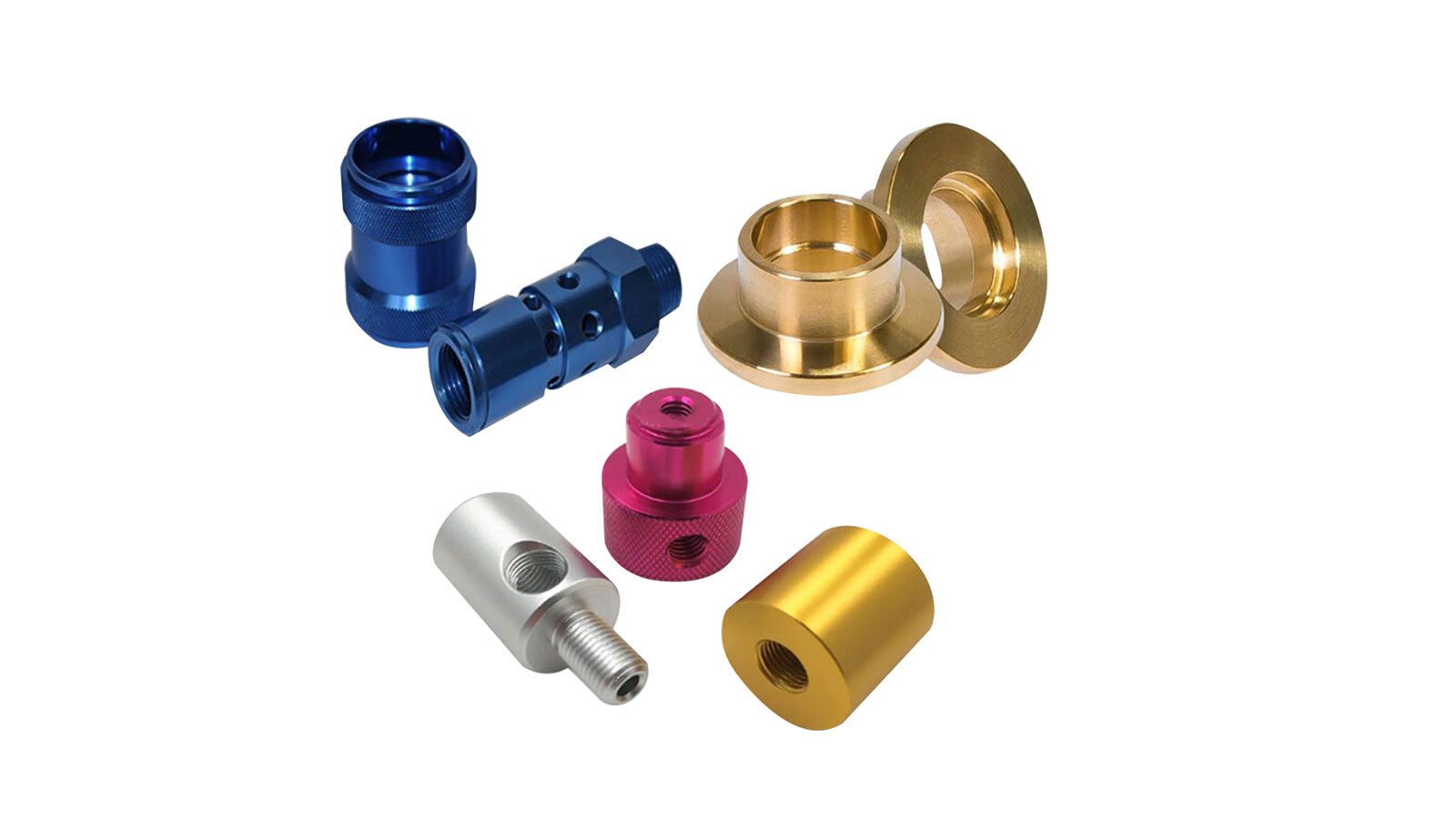
Turned part for locomotive or train engines
Company: Dongguan Xinruida Precision Technology Co. Ltd
Dongguan Xinruida offers CNC turned metal parts, such as model LU167-2546, for locomotive or train engines. Such RoHS-compliant products can be made of stainless steel, 6063 aluminum alloy or other metal and can have an anodized, brushed, polished or plated finish. The supplier can realize tolerance of ±0.002mm and conducts 100 percent quality inspection before delivery. It accepts drawings in SolidWorks, Pro/Engineer, DXF and DWG AutoCAD, PDF or TIF format.
MOQ: 10 pieces
Lead time is 10 to 12 days
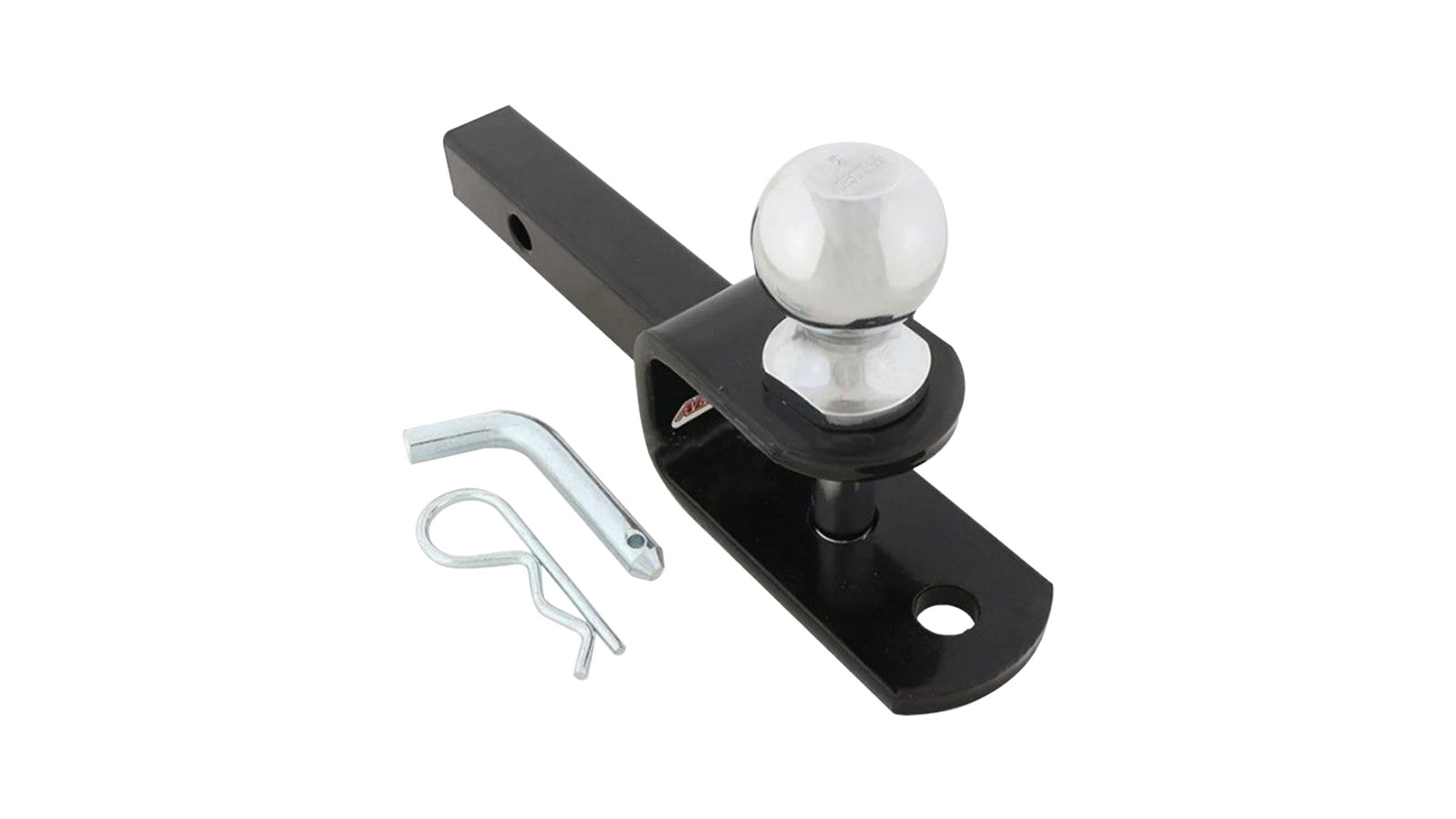
Trailer hitch
Company: HK AA Industrial Co. Ltd
The SAN-173 from HK AA is an adjustable trailer hitch made of anodized aluminum or stainless steel. It is made using GROB- and GF-branded 5-axis machining centers, Mazak-branded CNC machines and a Zeiss-branded CMM. The supplier has IATF 1649 certification.
MOQ: 50 pieces
Lead time: 25 to 40 days
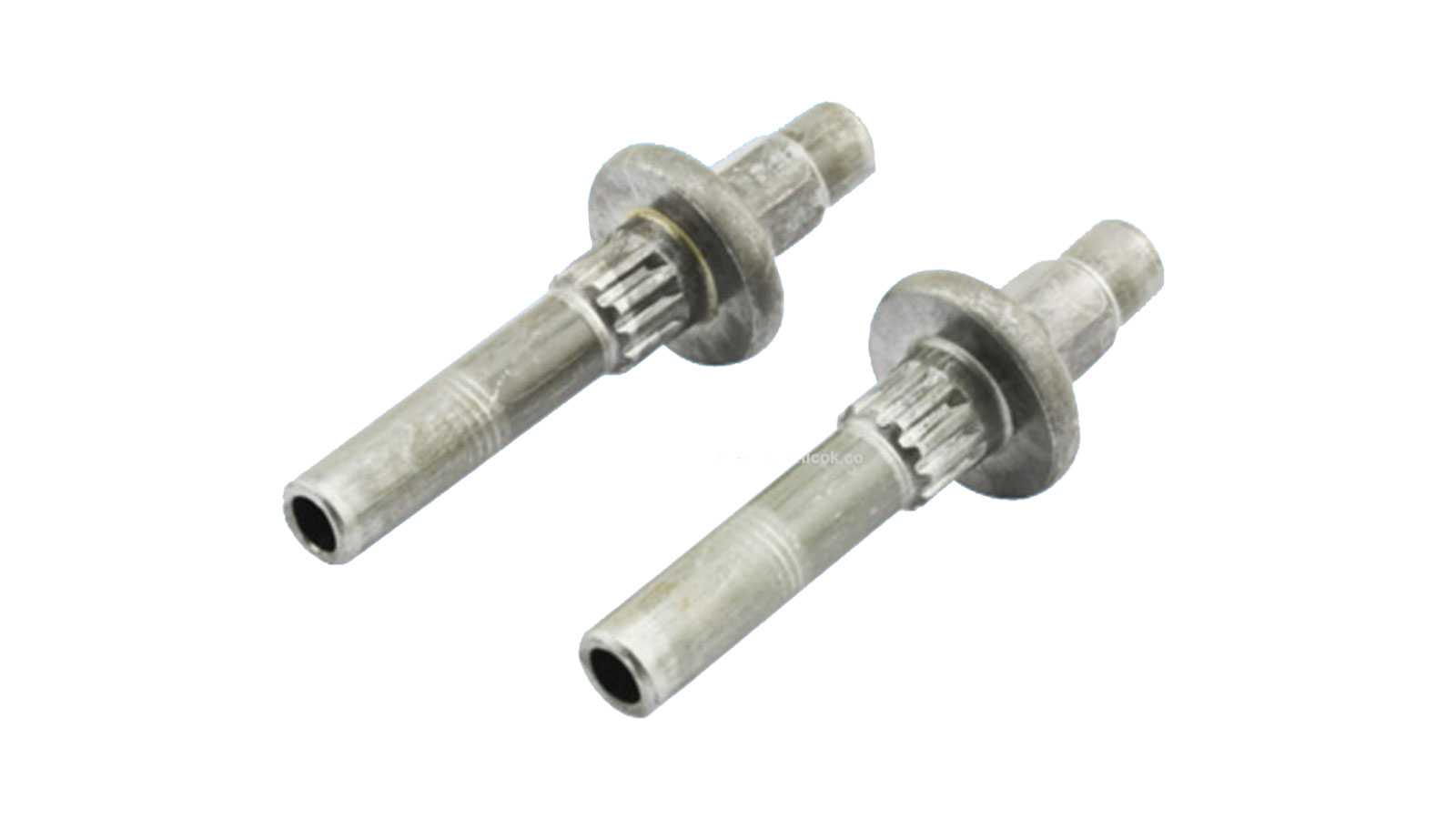
Automotive part
Company: HLC Metal Parts Ltd
HLC’s model HLC-NB-09 is an automotive part that can be made of various types of carbon steel and can have a chrome-, copper-, nickel- or zinc-plated or polished surface treatment. The IATF 16949:2016-certified company accepts drawings in any format.
MOQ: 2,000 pieces
Lead time: 15 to 25 days
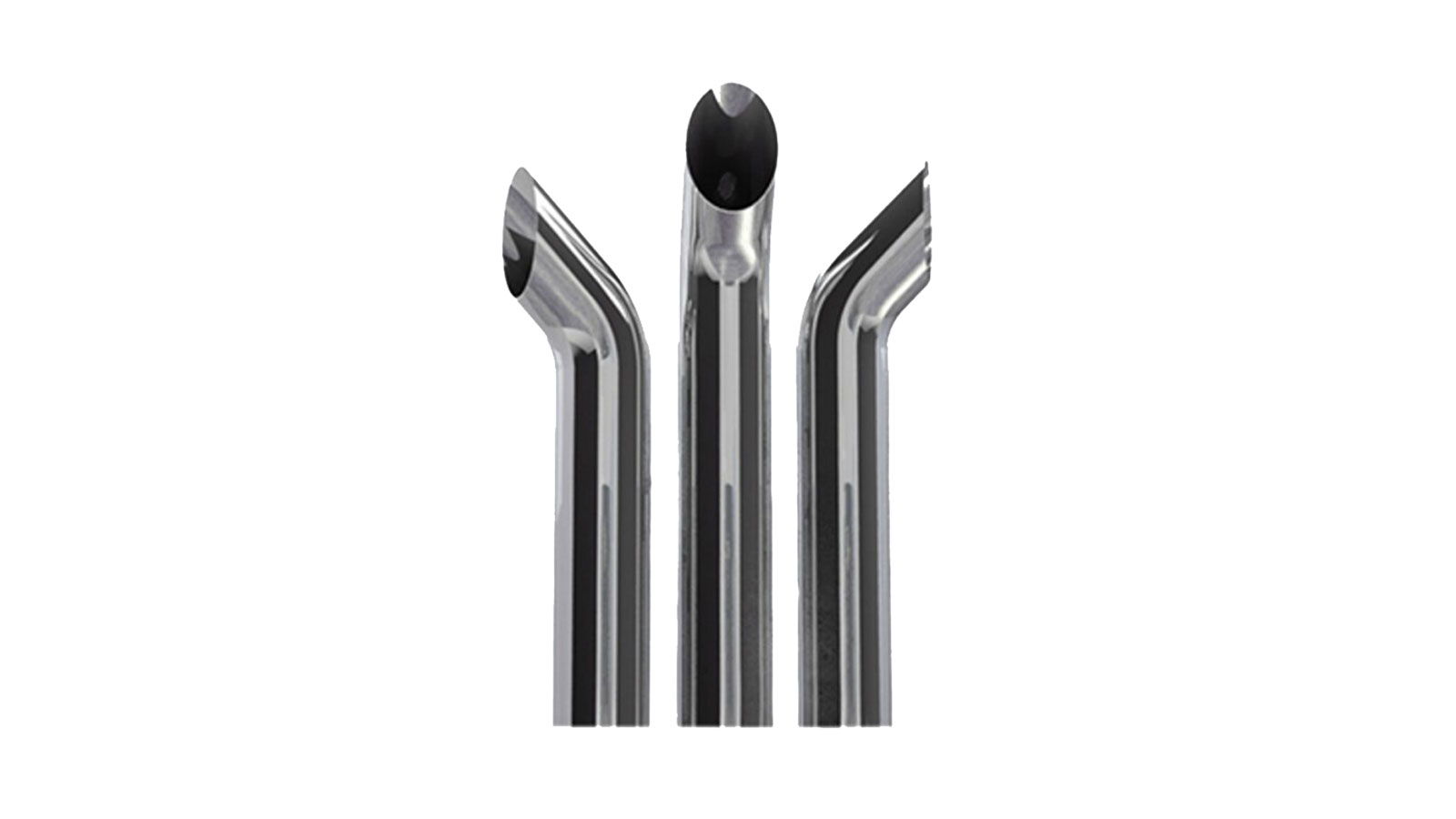
Curved exhaust stack
Company: Ningbo Pino Metal Products Co. Ltd
Ningbo Pino’s model ES-50-4059 is a 5-inch curved exhaust stack with chrome plating. It is made of 304, 201 or 409 stainless steel or carbon steel. Available lengths are 18, 24, 36, 44, 48, 54, 60, 68, 72 and 84 inches or as specified. This product is processed using a CNC mandrel bending machine.
MOQ: 10 pieces
Lead time: 20 to 40 days
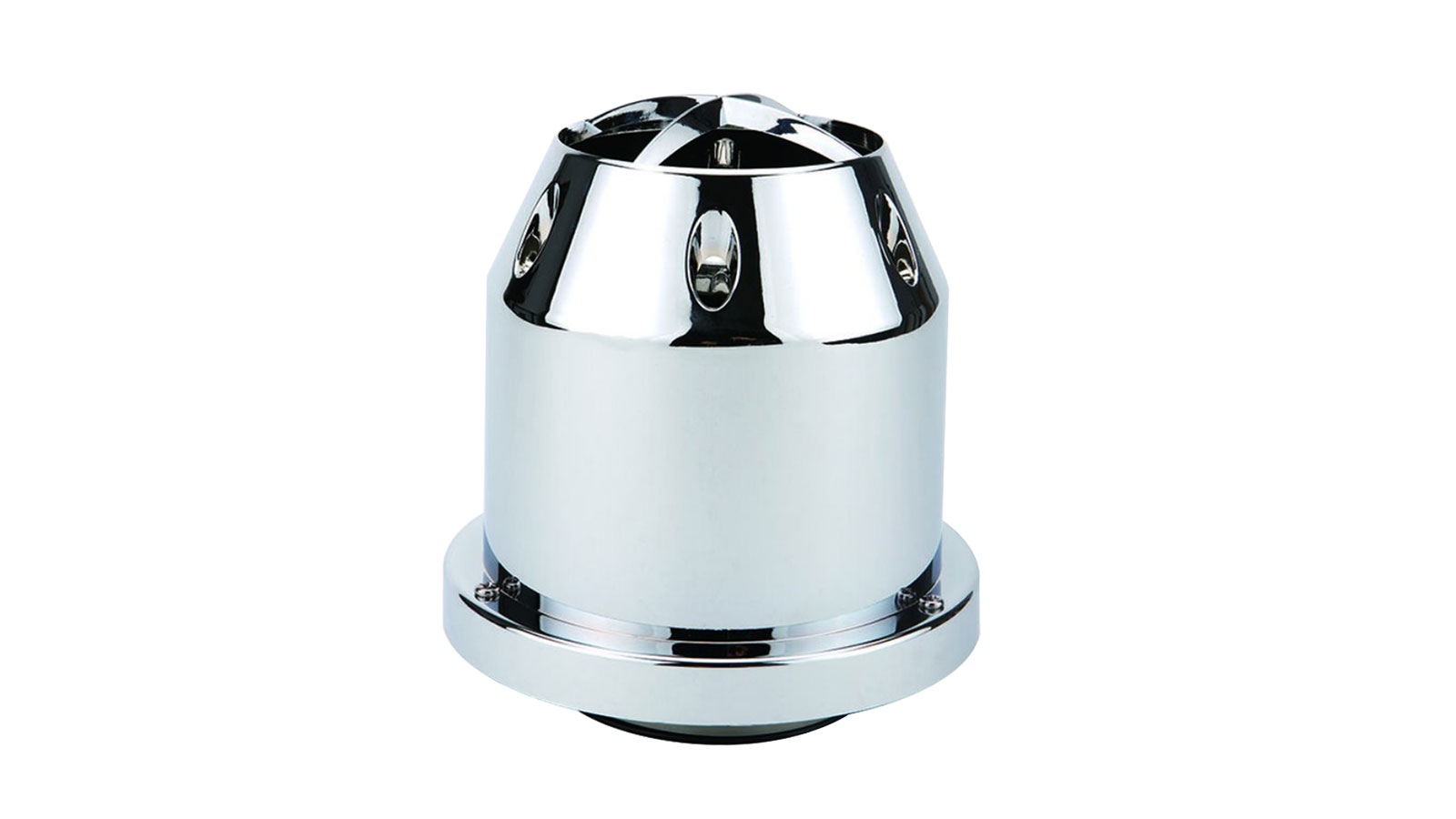
Car air filter with carbon fiber
Company: Shanghai Anma Industry Co. Ltd
The 806009b-lx from Shanghai Anma is a washable car air filter with carbon fiber. This product, a vital part of the engine system, has 16 radial brackets in its fan-shaped inner skeleton, with the design preventing distortion and ensuring durability. It measures 63mm and is easy to install.
MOQ: 100 pieces
Lead time: 30 to 35 days

