




As 2025 transitions into 2026, interior design opens yet another compelling chapter—one that feels more personal, sensorial, and future-ready than ever before. Spaces are no longer judged solely by how they look, but by how they function, feel, and even respond to the people living in them. Designers and buyers alike are leaning into interiors that fuse soulful craftsmanship with smart technology, sustainable thinking with expressive color, and everyday practicality with moments of quiet luxury. Homes are being treated as adaptable ecosystems: places to work, restore, connect, and recharge in ways that are both beautiful and deeply intentional.
The leading interior design movements of 2026 build directly on the foundations laid in 2025. Minimalist maximalism evolves into a more curated “quiet richness,” where clean lines meet bolder textures, haptic materials, and mood-boosting saturated hues. Biophilic and haptic design deepen beyond surface-level greenery and natural finishes to encompass fully immersive, multisensory experiences—pairing tactile textiles and biophilic materials with multifaceted, adaptive lighting and wellness-focused smart home systems. At the same time, adaptive reuse, handcrafted furnishings, and multigenerational living continue to gain traction as consumers seek spaces and products that tell meaningful stories, respect resources, and support diverse lifestyles under one roof.
For businesses, 2026 is a pivotal year to translate these shifts into strategic product choices. The strongest offerings are those that can do double or triple duty: modular pieces for multipurpose rooms, sustainably produced décor that taps into handcrafted charm, and tech-forward solutions that quietly enhance comfort and wellness. Buyers who understand how these trends intersect—minimalist maximalism with experiential smart homes, biophilic materials with multigenerational functionality—will be best positioned to curate collections that feel both current and enduring.
In the sections that follow, we’ll take a closer look at the top interior design trends that shaped 2025, along with practical examples and sourcing opportunities. Together, they form a powerful roadmap to help you navigate the evolving design landscape and leverage platforms like GlobalSources.com to stay ahead of consumer expectations in 2026 and beyond.
-------------
As 2024 unfolds and 2025 approaches, the world of interior design unfurls a new chapter, rich with innovative aesthetics and dynamic styles that promise to captivate your market. The essence of interior design lies in its ability to evolve – to mirror the changing times, technologies, and tastes. The industry is witnessing a harmonious blend of the past and the future, where traditional comforts meld with bold, futuristic visions, crafting spaces that are not just living areas but experiences that resonate with the soul.
The top ten interior design trends of 2025 are more than just a fleeting set of styles; they are a testament to the era we live in – an era where personal expression, environmental consciousness, and technological advancements shape the very foundations of our habitats. As we delve into these trends, we will explore how they reflect broader societal shifts and individual aspirations. From the resurgence of artisanal craftsmanship to the seamless integration of smart home technology, each trend offers a unique narrative that speaks to the heart of consumer desires.
# 1. Minimalist maximalism
In 2025, we'll see a rise in what's being called "minimalist maximalism." This trend combines minimalism's focus on simplicity and decluttering with maximalism's bold use of colors, textures, and layers. The result is a stripped-back look that still has depth, interest, and personality. Key features include neutral backdrops with pops of vibrant hues, a thoughtful collection of a few statement décor pieces, and multifunctional furniture for small spaces. This allows designers to create soothing sanctuaries that energize rather than overwhelm.
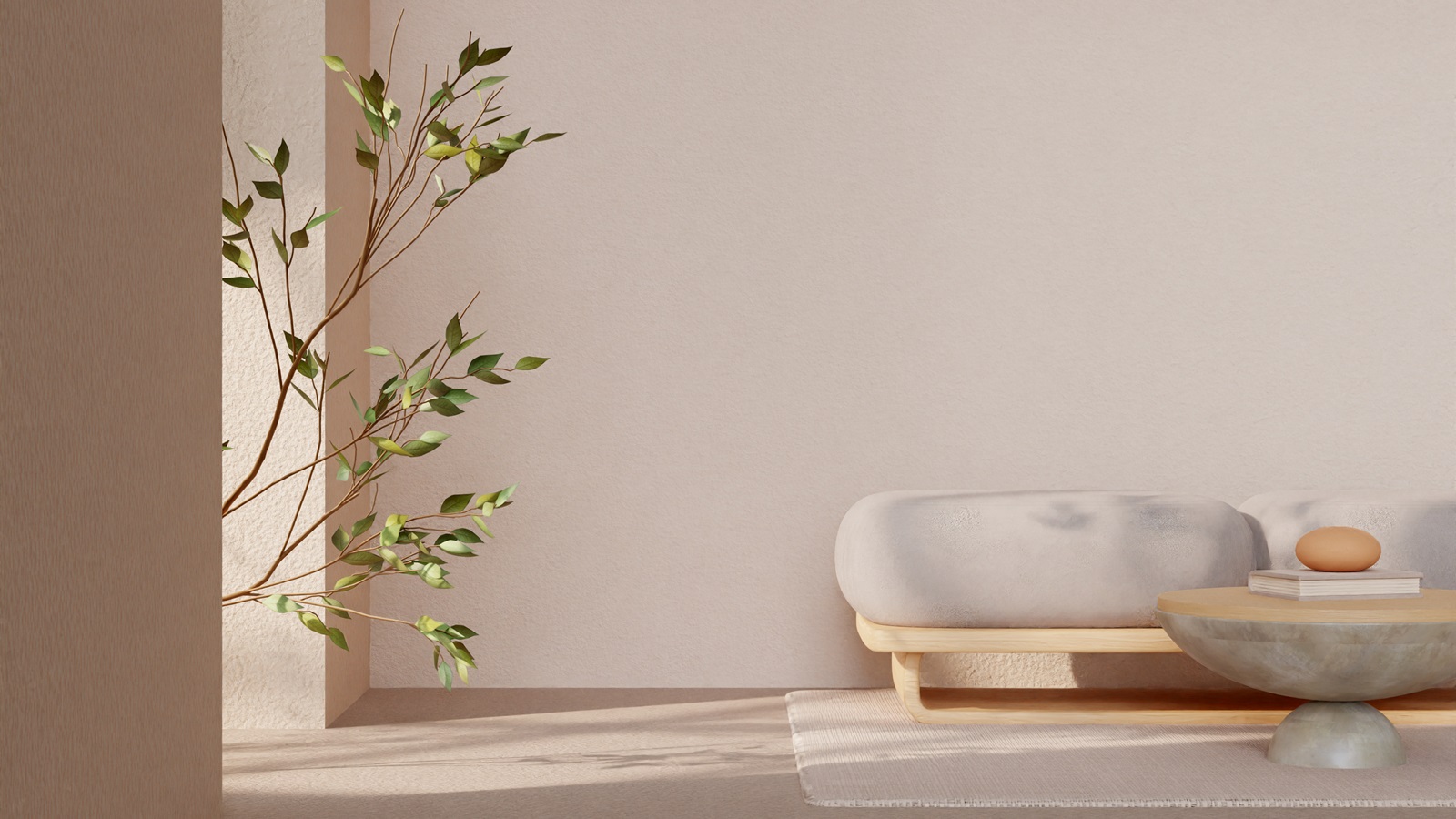
Buyers can source a range of products to align with the minimalist maximalism trend, including multifunctional furniture pieces like modular sofas and nesting tables, statement home décor items such as bold-colored rugs and textured throw pillows, and modern lighting fixtures with adjustable features. Additionally, they can consider sourcing high-quality textiles in neutral tones with occasional vibrant accents, streamlined kitchenware, smart home devices with minimalist designs, and eco-friendly lifestyle products. By curating a collection that embodies minimalist maximalism, buyers can cater to customers' preferences for functional, aesthetically pleasing, and space-efficient solutions while differentiating themselves in the market.
# 2. Biophilic materials
Sustainable design will evolve to focus more on biophilic materials that connect us to nature. In 2025, expect to see widespread use of renewable, responsibly-sourced natural materials like bamboo, cork, straw, and wood. New tech innovations will also allow these materials to be engineered for versatile uses while retaining their organic aesthetics. The textures and earthy, grounded feel of these materials will be leveraged to craft spaces that are nourishing and tranquil.
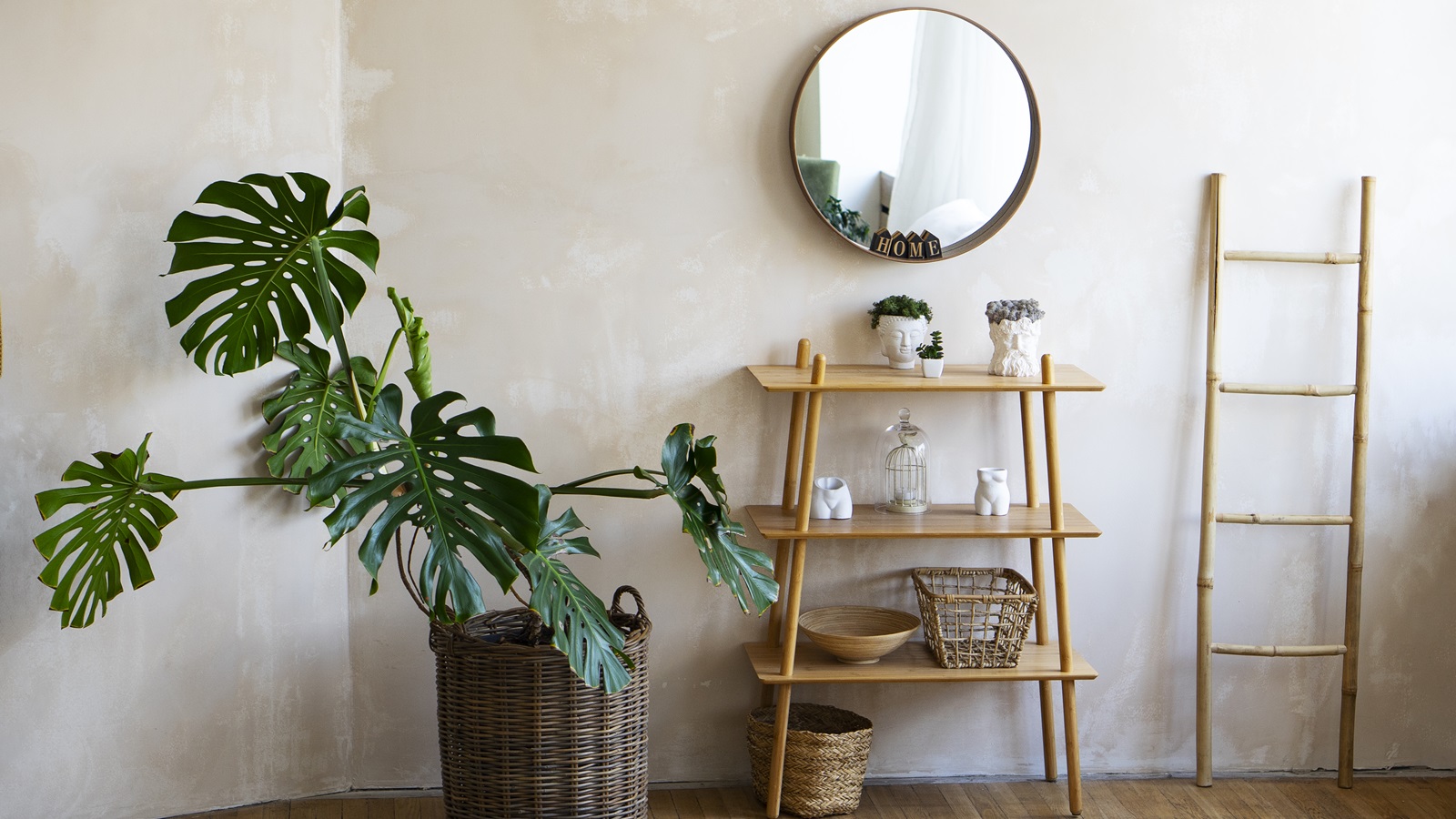
Manufacturers offer a wide range of home, garden, and kitchen products that embrace biophilia, connecting consumers to nature through sustainable materials and organic designs. For the home, products such as bamboo furniture, cork flooring, and reclaimed wood décor items can be sourced, providing natural textures and earthy aesthetics. In the garden, manufacturers offer biodegradable planters made from recycled materials, eco-friendly gardening tools with bamboo handles, and compost bins crafted from sustainable wood. In the kitchen, business owners can find biophilic products like wooden cutting boards, bamboo utensil sets, and cork trivets, all designed to bring a touch of nature into daily culinary activities. These products not only enhance the visual appeal of spaces but also contribute to a more sustainable and environmentally conscious lifestyle.
# 3. Adaptive reuse
Adaptive reuse, the process of repurposing old structures and materials for new functions, will gain traction as a sustainable interior design approach. We'll see more designers adeptly blending preserved elements of buildings past with modern styling. Through clever restoration, historic buildings can be given fresh relevance. This maintains cultural heritage while allowing for contemporary living. Adaptive reuse also keeps existing materials in circulation, avoiding waste.
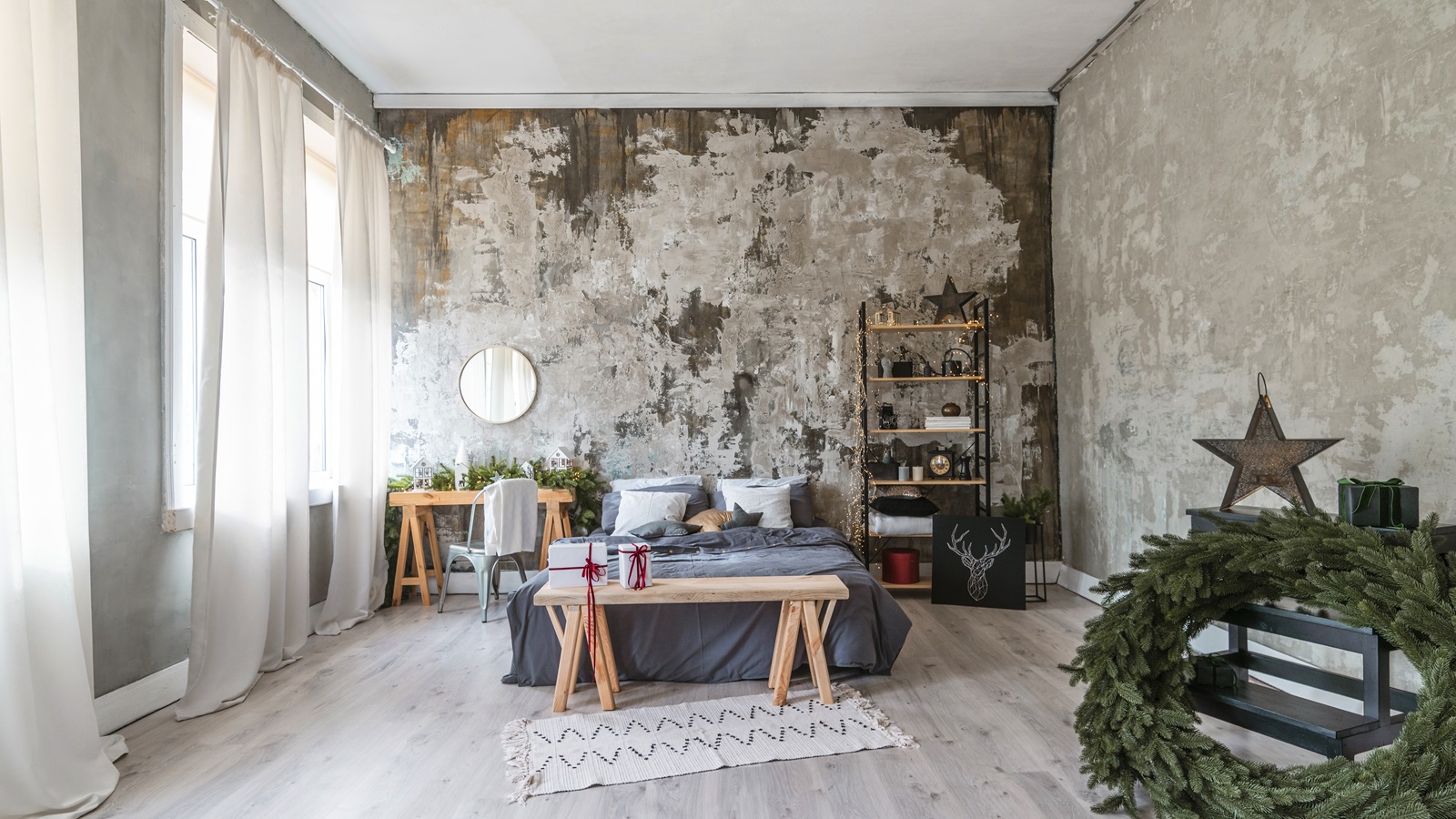
Examples of home décor and interior products related to the concept of adaptive reuse include vintage furniture pieces that have been refurbished or upcycled, such as reclaimed wood tables or chairs made from salvaged materials. Additionally, businesses can source decorative items like wall art made from recycled materials, such as metal sculptures crafted from reclaimed industrial parts or mosaic tiles composed of repurposed glass fragments. Lighting fixtures fashioned from reclaimed wood or metal can also add character to interior spaces while supporting sustainability efforts.
# 4. Multifaceted lighting
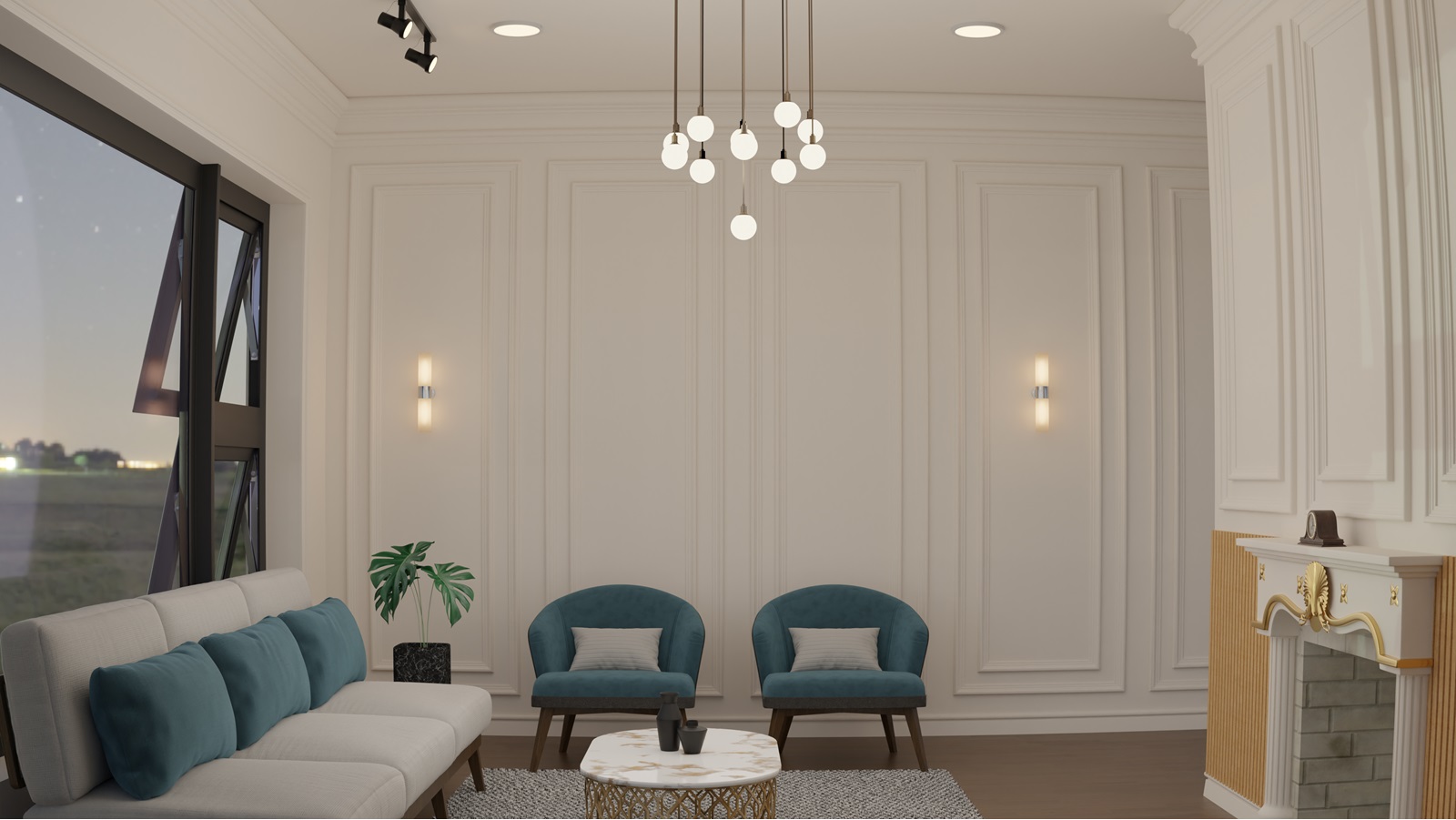
In 2025, lighting plans will become more tactile and dimensional. Instead of relying solely on overhead fixtures, designers will layer ambient lighting at different levels and intensities. Light boxes backlighting textured glass, illuminated shelving, subtle floor lamps, and LED strips all help craft a rich sensory environment. New tech innovations will also allow for lighting that shifts in color, brightness, and direction in response to human behavior or the outdoors. The result is profoundly customizable, responsive illumination.
# 5. Haptic materials
Related to biophilic design, more spaces will utilize haptic materials to soothe us through our sense of touch. Natural materials like linen, cotton, silk, wood, and stone offer tactile diversity. Their organic irregularities and textural depth provide sensory stimulation that perfectly smooth surfaces cannot. We'll see these handsome, nubby, matte materials used to upholster furniture, clad walls, and fashion flooring. Their ability to ground and calm will be leveraged to create exceptionally cozy, comforting spaces.
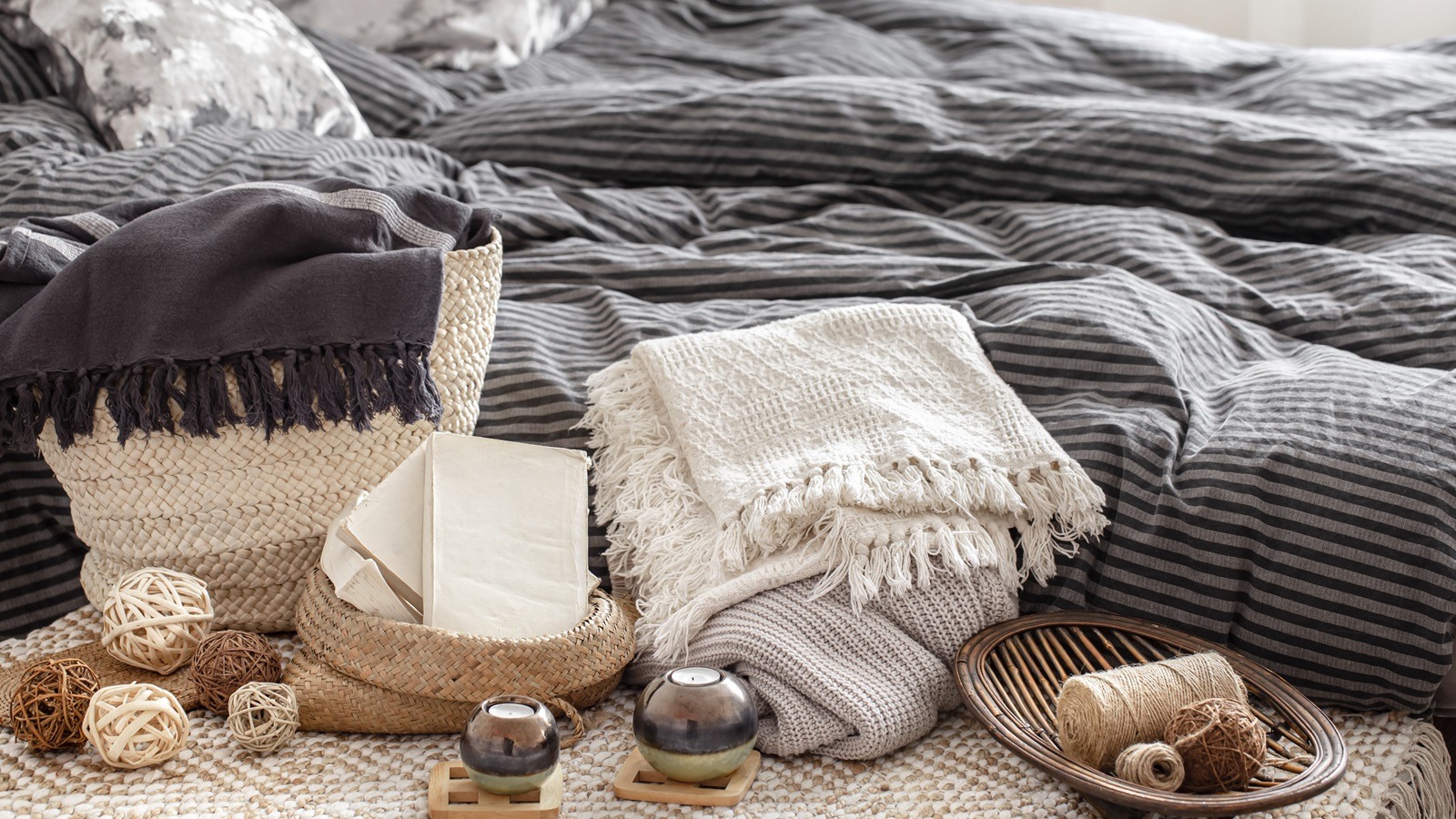
Products incorporating this design include soft furnishings such as plush rugs made from natural fibers like wool or bamboo, textured throw pillows crafted from organic cotton or linen, and tactile wall coverings featuring materials like cork, reclaimed wood, or textured fabric panels. Additionally, furniture pieces with tactile elements such as upholstered chairs with velvet or leather upholstery, wooden tables with hand-carved details, and metal accents with hammered or brushed finishes can enhance the haptic experience within interior spaces. Decorative accessories like ceramic vases with textured surfaces, woven baskets made from natural materials, and tactile sculptures or art pieces crafted from stone, clay, or metal can further contribute to a rich and sensory-driven environment.
# 6. Mood-boosting saturated hues
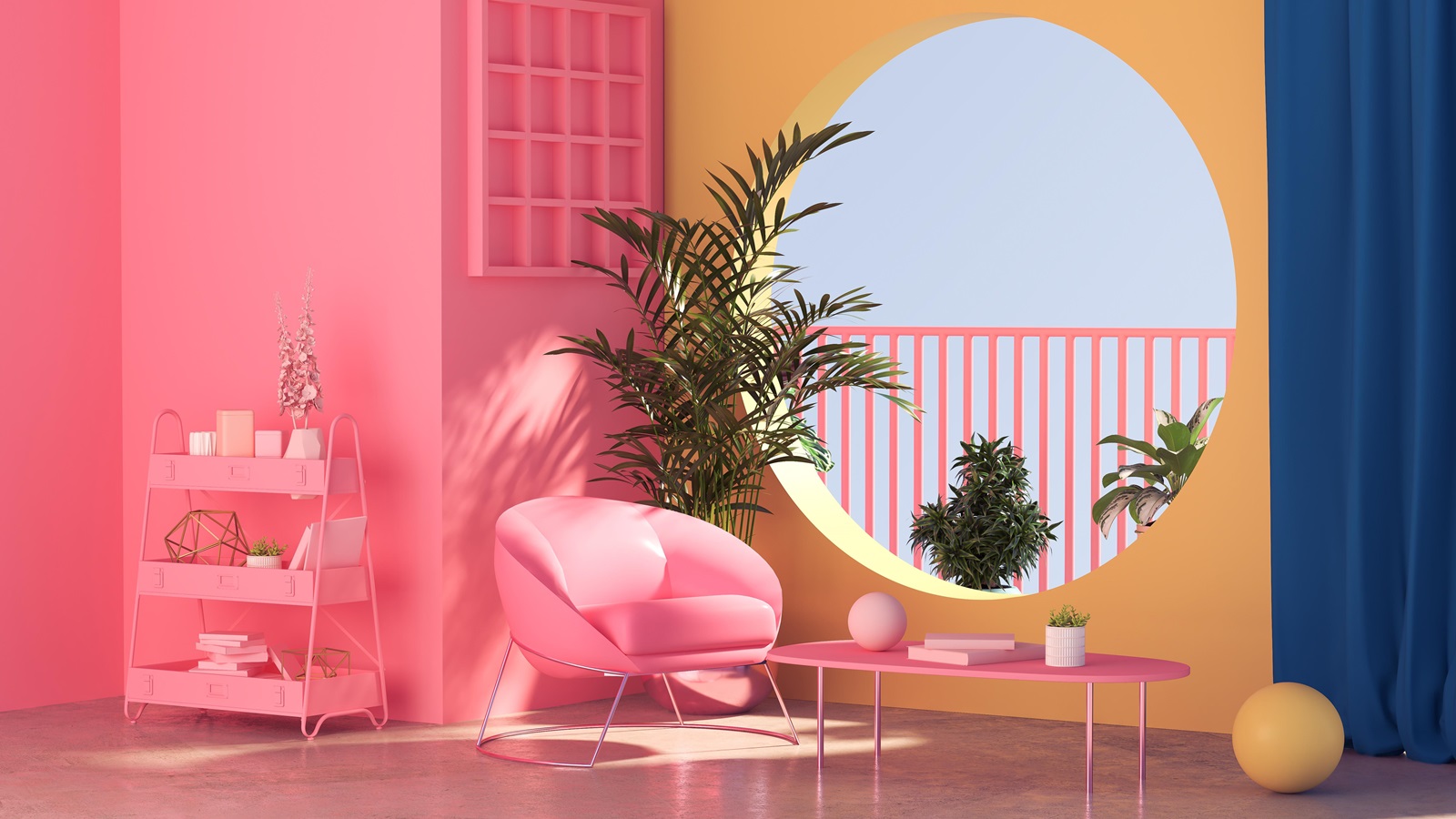
Vibrant, saturated colors that energize and uplift will rise in popularity. Unlike the more common neutral backdrops, these bold backgrounds amplify and enrich whatever they surround. By thoughtfully enveloping specific zones or features in luminous, happy hues, designers can infuse spaces with positive energy. Vivid tones also increase visual depth and dimension. Expect to see joyful use of colors like emerald, cobalt, and magenta. This trend offers a lively counterpoint to pared-back minimalism.
# 7. Multigenerational living
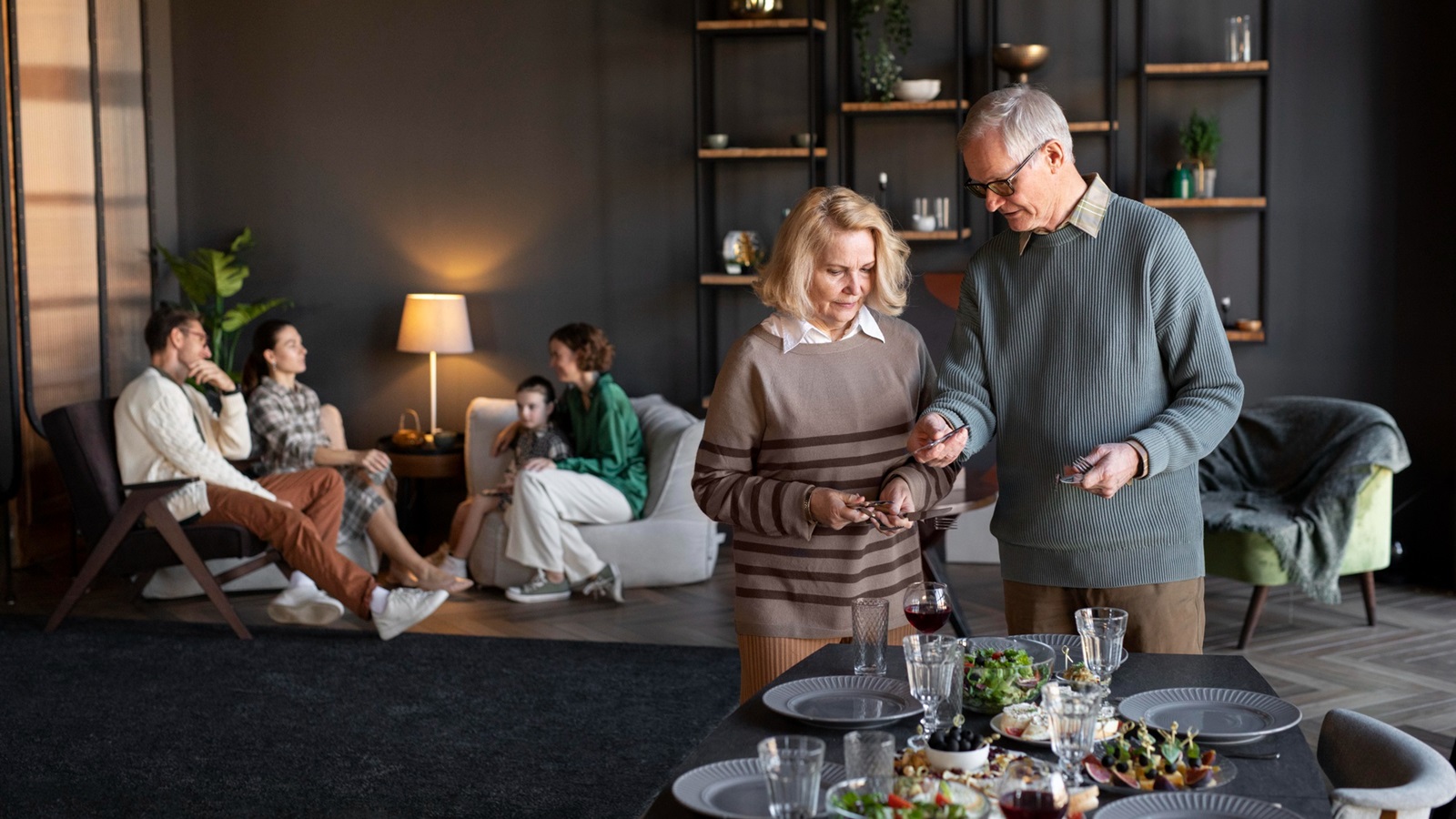
America's aging population and return to extended family living arrangements means designing for multigenerational use is a growing need. In 2025, we'll see more homes catered to both elderly residents and young family members. Elements that support varied mobility and accessibility needs will blend seamlessly with features that keep spaces lively and engaging across ages. The focus will be on promoting connection, togetherness, and mutual support of all who dwell there.
Products that embrace multigenerational living aim to cater to the diverse needs and preferences of different age groups within a household. This includes incorporating versatile and modular furniture pieces, such as sectional sofas and storage units, that can adapt to various living arrangements. Universal design elements like lever-style door handles and grab bars ensure accessibility and safety for individuals of all ages and abilities. Open-concept layouts and flexible living spaces encourage communication and interaction among family members, while generously sized kitchens and dining areas promote shared meals and cooking activities. Comfortable seating options provide everyone with comfortable seating solutions tailored to their needs.
# 8. Experiential smart homes
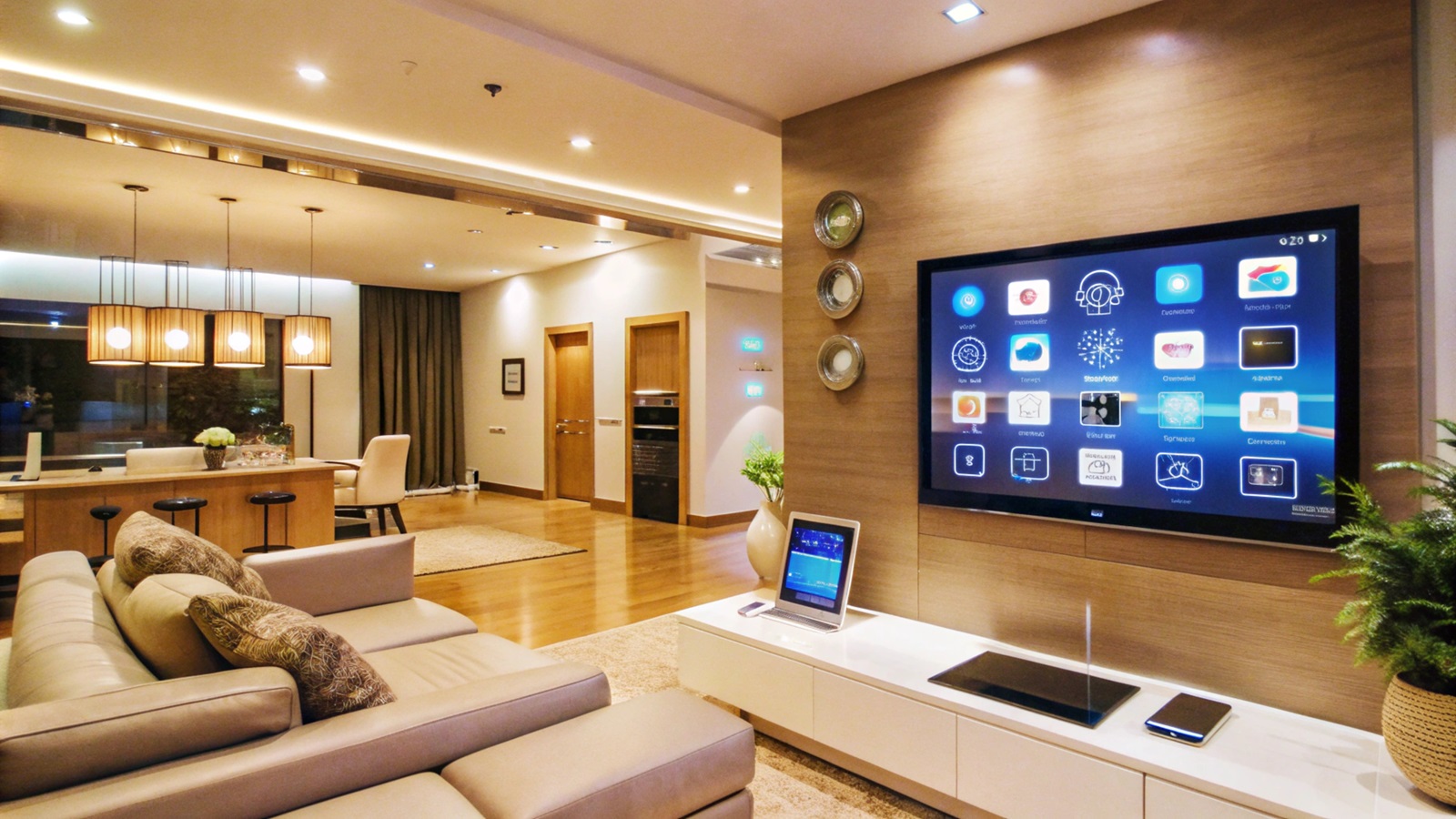
Smart home technology will become more experiential, using automation and voice control to not just increase convenience but enrich users’ sensory environment. Advanced lighting, audio and visual capabilities will allow homes to completely transform the look, sound and feel of spaces at different times of day or for varied uses. Additionally, audio and visual technologies, such as smart speakers and immersive sound systems, can enrich the sensory environment of homes, providing immersive entertainment experiences for family members of all ages. We’ll also see more smart homes designed with wellness top of mind. Biometric tracking and intuitive AI will help spaces morph in response to residents’ states, supporting optimal health and productivity.
# 9. Handcrafted furnishings
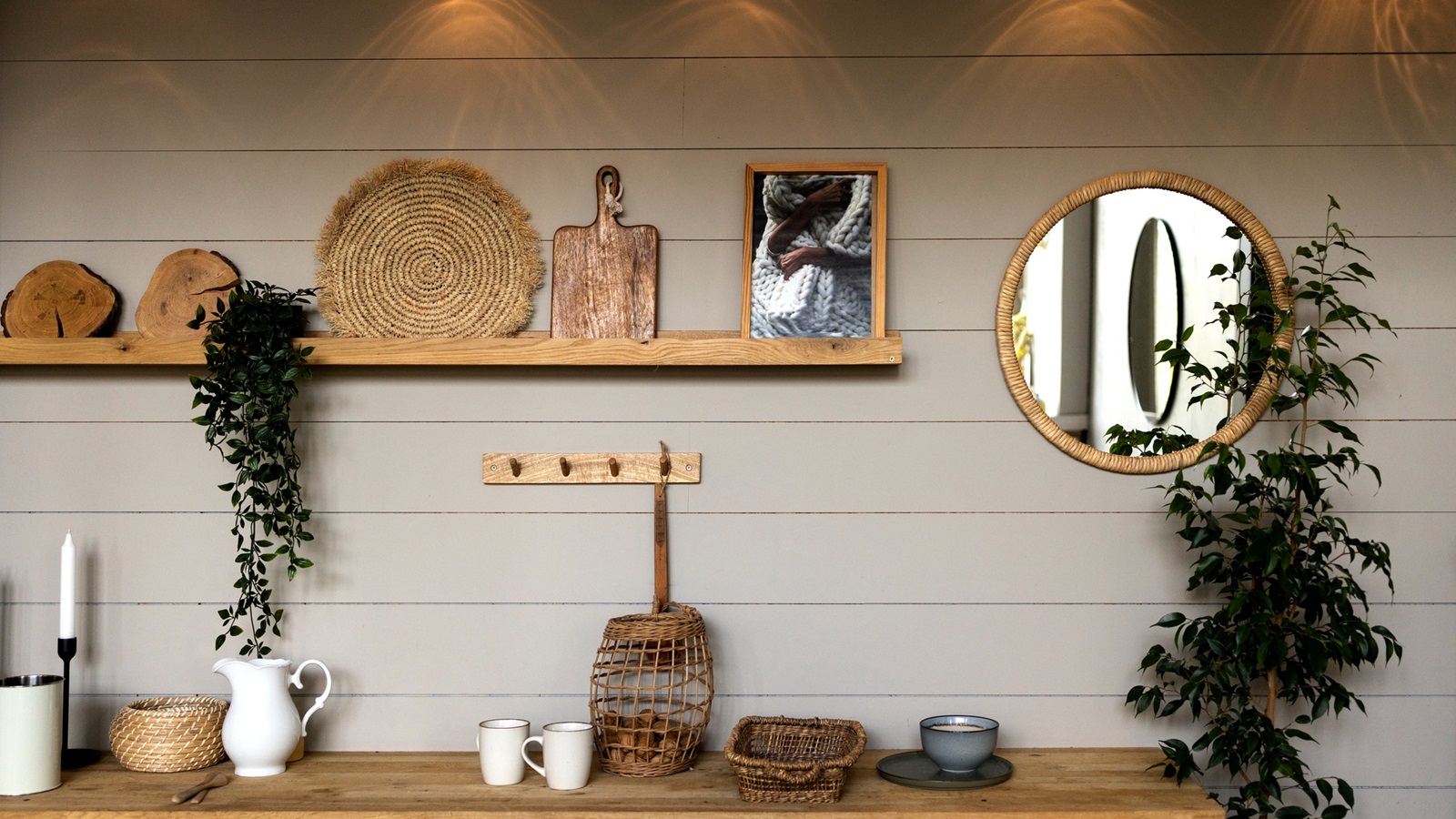
In an era dominated by digital production, handcrafted furnishings are poised to be more cherished than ever before. Customers are increasingly drawn to furniture and décor crafted sustainably by skilled artisans. Unique pieces that showcase natural imperfections and the mark of their maker help spaces feel profoundly personal rather than mass-produced. We'll also see some designers leverage 3D printing and other digital fabrication tools to create new bespoke furnishings with intricate, nature-inspired forms. The combined effect helps interiors feel special and soulful.
# 10. Multipurpose rooms
The trend of hybrid living and working spaces will continue to rise in 2025 and beyond. Transforming pieces like Murphy beds, convertible tables and desks and modular seating will allow single rooms to morph effortlessly from sleeping and living spaces to home offices or studios and back again. We’ll also see more people repurposing rooms originally intended for formal dining or guest use, keeping them productively occupied. These adaptable, multitasking rooms reflect and support our increasingly flexible lifestyles. I aimed to introduce diverse but realistic trends addressing key issues like sustainability, wellness, community, and work-life integration, while appealing to the human desire for spaces both uplifting and profoundly personal.
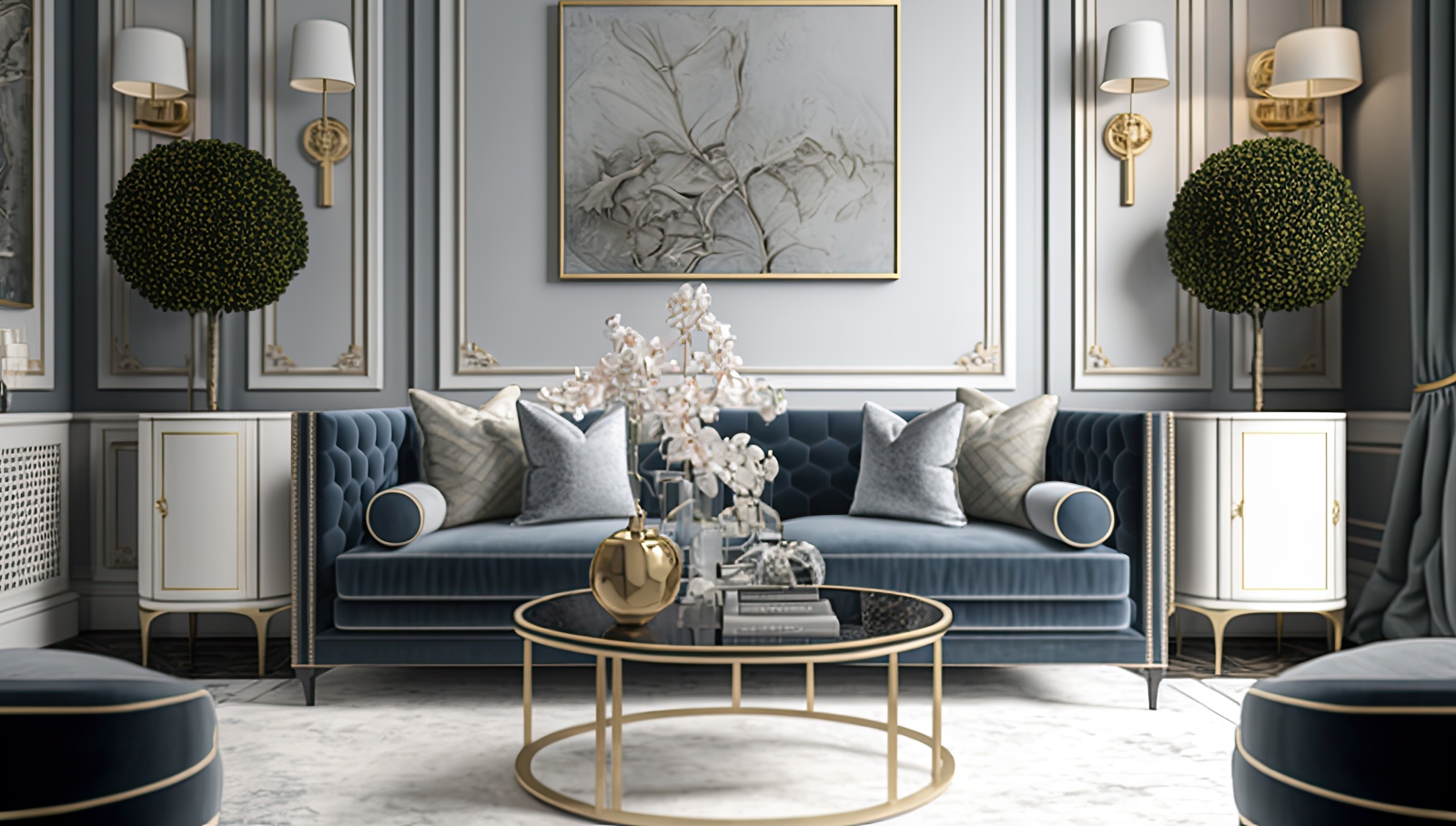
Source trendsetting products on GlobalSources.com
As we navigate the dynamic realm of interior design, it becomes increasingly clear that the ability to anticipate and adapt to emerging trends is crucial for any business looking to thrive. The year 2025 is no exception, with a variety of fresh and exciting design movements poised to capture the imagination of consumers worldwide.
Sourcing trendsetting home décor and related products on GlobalSources.com provides buyers with access to a diverse range of innovative and high-quality offerings from reliable suppliers around the world. From avant-garde furniture pieces to sustainable textiles and wellness-focused accessories, Global Sources offers a comprehensive selection of products that align with emerging trends in interior design and home living.
Why GlobalSources.com?
GlobalSources.com stands out as a premier business-to-business (B2B) sourcing platform that caters to the needs of businesses worldwide. Its comprehensive directory of suppliers, manufacturers, and products makes it an invaluable resource for anyone looking to capitalize on interior design trends. Here are several reasons why GlobalSources.com should be your go-to platform:
1. Extensive supplier network: With thousands of verified suppliers, GlobalSources.com provides access to a vast network of manufacturers from various industries, including home decor, furniture, textiles, lighting, and more.
2. Quality and variety: The platform offers an extensive range of products that cater to different styles and preferences, ensuring that you can find items that resonate with the latest interior design trends.
3. Ease of use: GlobalSources.com’s user-friendly interface allows for efficient searching and filtering of products. This means you can quickly identify potential best-sellers that align with 2025’s design movements.
4. Supplier communication: The platform facilitates direct communication with suppliers, enabling you to negotiate prices, customize orders, and ensure that the products meet your specifications.
5. Market insights: GlobalSources.com doesn’t just connect you with suppliers; it also provides valuable insights into market trends and consumer preferences through its trade shows, online marketplaces, and analytics tools.
Capitalizing on trends with GlobalSources.com
To truly leverage the potential of GlobalSources.com in aligning with the interior design trends of 2025, here’s how you can approach sourcing your next best seller:
1. Sustainability focus: Search for suppliers who specialize in eco-friendly products. Look for certifications and materials that reflect a commitment to sustainability, such as recycled materials or sustainably sourced wood.
2. Tech-forward products: Filter your searches to find suppliers offering the latest in home technology. Verify their credentials and product reviews to ensure reliability and customer satisfaction.
3. Unique and expressive items: Maximalism and personal expression are all about uniqueness. Use GlobalSources.com to find artisans and manufacturers who offer customizable options or one-of-a-kind pieces.
4. Sample ordering: Take advantage of the ability to order samples before committing to large orders. This will allow you to assess the quality and market appeal of products.
5. Attend trade shows: Utilize GlobalSources.com’s trade show directory to attend events where you can see upcoming products in person and establish relationships with suppliers.
6. Build your best-seller list: Once you’ve identified potential products and suppliers on GlobalSources.com, curate a selection that encompasses various aspects of the interior design trends for 2025. Consider creating a balanced portfolio that includes sustainable options, tech-integrated products, and pieces that allow for personal expression.
Conclusion
The interior design industry offers abundant opportunities for businesses that can embrace emerging trends. With a focus on sustainability, technology, and personal expression, there's a compelling impetus for companies to align their offerings accordingly. GlobalSources.com is a vital resource in this endeavor, offering a robust platform that seamlessly connects trend awareness with product acquisition. Leveraging the power of GlobalSources.com enables businesses to navigate global trade with precision and confidence. With an extensive supplier network, commitment to quality, intuitive interface, and rich market insights, the platform facilitates an unparalleled sourcing experience. By capitalizing on these resources, businesses can not only keep pace with trends but also lead the way in shaping the interior design landscape of 2025.
Businesses can distinguish themselves by leveraging GlobalSources.com as their guiding compass. This platform enables the sourcing of products that go beyond commodities, embodying statements of style and innovation.

