




Table of Contents
Top 3 Online Marketplaces for Finding Reliable Chinese Wholesale Suppliers
Maximizing Profits: Top Products to Import from China to the USA
Is Importing from China Difficult and How to Make It Easier?
Importing from China to the USA: Pros & Cons
From China to US: Importing Requirements
Importing restrictions: from China to US
Shipping from China to the USA
Top 3 Online Marketplaces for Finding Reliable Chinese Wholesale Suppliers
When it comes to sourcing wholesale suppliers from China, three online marketplaces stand out for their reliability, variety of suppliers, and the breadth of products offered. These platforms have become go-to resources for businesses around the world looking to tap into the manufacturing powerhouse of China. Here’s an overview of the top three online marketplaces:
#1 Global Sources
Global Sources stands out as one of the top marketplaces for sourcing Chinese wholesale suppliers. This platform has established itself as a critical bridge between Asian suppliers and global buyers, offering a vast array of products and a reputation for quality and reliability. Here’s an in-depth look at why Global Sources is highly recommended for businesses looking to source from China.
1. Extensive Supplier Directory: Global Sources hosts a vast directory of suppliers. This extensive network is a result of over 50 years in the industry, connecting international buyers with wholesale suppliers. The platform's stringent verification process ensures that the listed suppliers are legitimate and trustworthy, which significantly reduces the risk of fraud.
2. Wide Range of Products: The marketplace is known for its wide range of products across various categories, including electronics, fashion accessories, hardware, and home products. This diversity allows buyers to source nearly everything they need from one platform, simplifying the procurement process.
3. Quality Assurance: Global Sources places a strong emphasis on quality. Many suppliers on the platform are manufacturers with substantial experience in export markets, ensuring that products meet international quality standards. The platform also offers services to help buyers obtain product samples for quality checks before placing large orders.
4. Trade Shows and Exhibitions: Global Sources enhances the sourcing experience through its trade shows and exhibitions. These events provide
opportunities for buyers to meet suppliers face-to-face, examine products firsthand, and establish relationships. The Global Sources trade shows are among the largest in Asia and are highly regarded in the industry.
5. Market Intelligence: The platform provides valuable market intelligence that can help buyers make informed decisions. This includes industry insights, trending products, and analysis on market movements. Such information can be crucial for buyers to stay ahead of the competition.
6. Buyer Tools and Services: Global Sources offers various tools and services designed to facilitate the sourcing process. From the RFQ (Request for Quotation) service, which quickly connects buyers with suppliers who can meet their specific needs, to personalized sourcing consultants, Global Sources is committed to making sourcing as efficient as possible.
7. Online to Offline Integration: The marketplace has effectively integrated online sourcing with offline channels. Buyers who begin their journey online can easily transition to offline trade shows or direct factory visits. This seamless integration provides a comprehensive sourcing experience.
8. Multilingual Support: Understanding the importance of clear communication in international trade, Global Sources offers multilingual support to bridge language barriers between buyers and Chinese suppliers. This ensures that negotiations and transactions proceed smoothly.
9. Secure Payment and Logistics Support: Security in transactions is paramount, and Global Sources provides secure payment methods to protect buyers. Additionally, the platform offers logistics support to help navigate the complexities of shipping, customs clearance, and delivery.
10. Innovation Hub: Global Sources is not just about sourcing existing products; it's also a hub for innovation. Suppliers on the platform often showcase their new inventions and technologies, providing buyers with access to cutting-edge products.
In conclusion, Global Sources is a marketplace that stands out for its comprehensive approach to sourcing from Chinese wholesale suppliers. Its longevity in the industry has built a network of reliable suppliers, and its commitment to quality assurance gives buyers peace of mind. The additional benefits of market intelligence, buyer tools, trade shows, and secure transactions make Global Sources an excellent choice for businesses looking to source products from China.
Whether you're a seasoned buyer or new to international sourcing, Global Sources provides a platform that not only connects you with Chinese suppliers but also supports you throughout the entire procurement process. It's a marketplace that has adapted to the evolving needs of global trade, making it a top recommendation for sourcing Chinese wholesale suppliers.
Strengths:
- Vetted Suppliers: Global Sources is renowned for its rigorous verification process, ensuring that the suppliers listed are legitimate and credible.
- Trade Shows: They offer extensive trade show experiences, which allow buyers to meet suppliers in person and see product demonstrations.
- Market Intelligence: The platform provides valuable insights into market trends and new product developments.
Ideal for: Businesses looking for high-quality products and those who value the opportunity to verify suppliers through trade shows and direct interactions.
#2 Alibaba
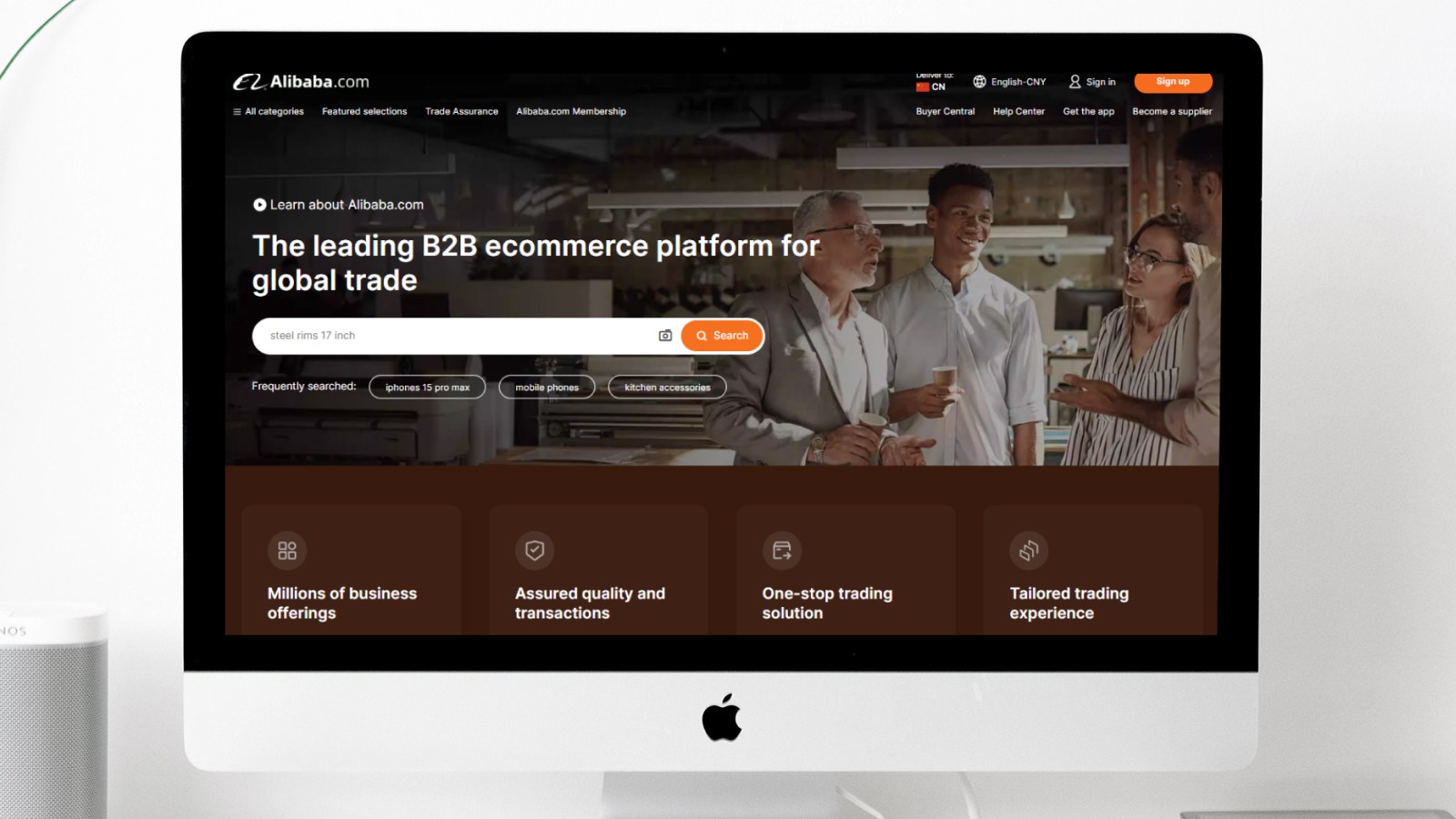
Strengths:
- Massive Supplier Base: Alibaba boasts an enormous number of suppliers, making it possible to find almost any product.
- Trade Assurance: A service that protects buyers in the event of payment, shipping, and quality dispute issues.
- Diverse Price Points: The platform caters to a wide range of price points, from budget to premium options.
Ideal for: Businesses of all sizes looking for a wide selection and those who want the security of trade assurance.
#3 Made-in-China
Strengths:
- Focused Supplier Selection: Made-in-China carefully selects its suppliers to ensure quality and reliability.
- User-Friendly Interface: The platform is known for its easy navigation and efficient sourcing tools.
- Sourcing Solutions: They offer tailored sourcing solutions to meet specific buyer needs, including sourcing fairs.
Ideal for: Buyers who prioritize ease of use and those looking for a more curated list of Chinese suppliers.
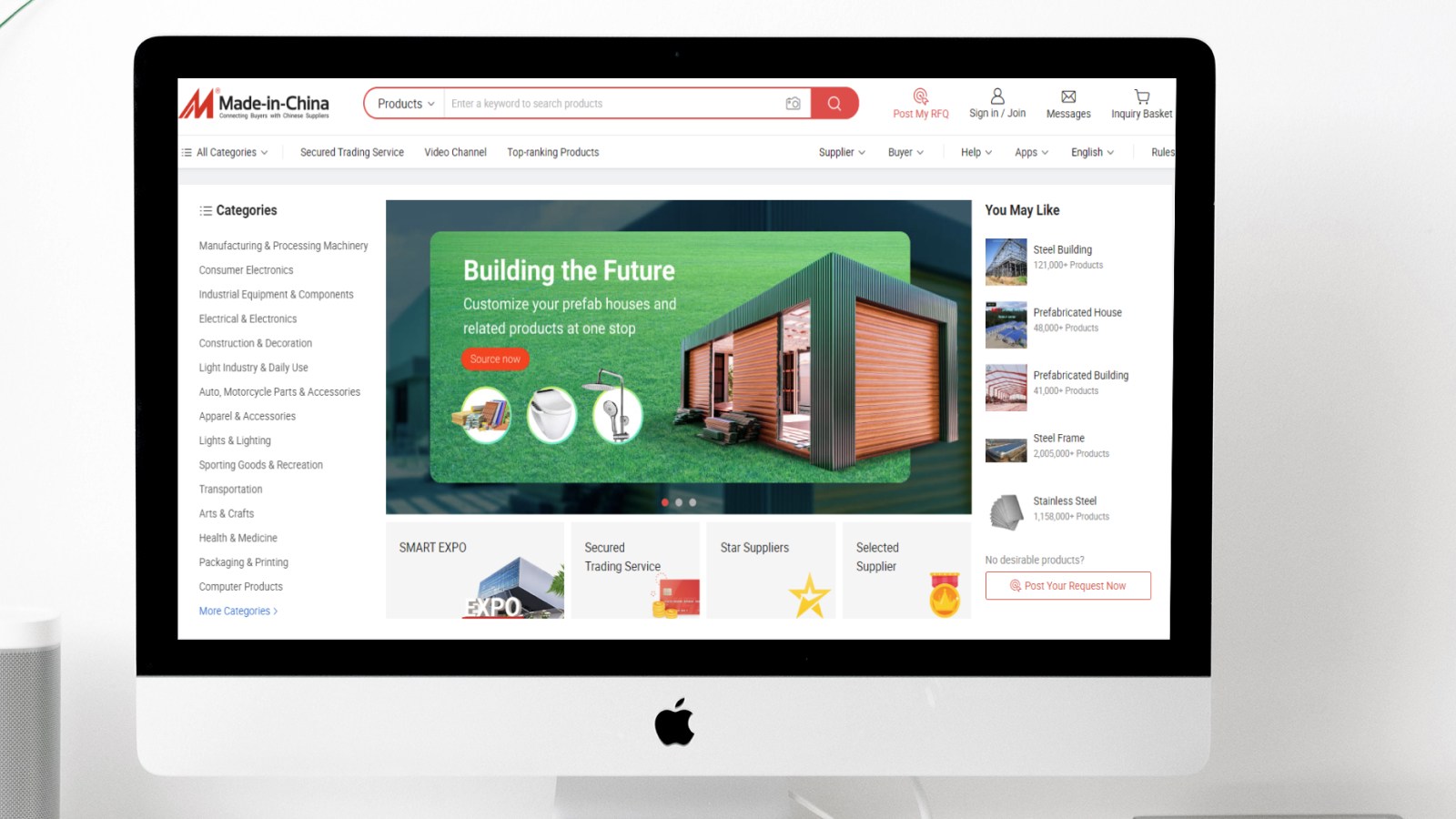
Each of these platforms provides unique advantages to international buyers. Global Sources stands out for its combination of verified suppliers, trade shows, and market intelligence. Alibaba offers a vast supplier base with the added security of trade assurance. Made-in-China distinguishes itself with a focused supplier selection and a user-friendly interface.
When choosing a marketplace, consider factors such as the nature of your business, the level of support you require, the importance of price versus quality, and the specific types of products you are sourcing. It's also crucial to do due diligence on any suppliers you're considering to ensure they can meet your quality standards and delivery timelines.
Maximizing Profits: Top Products to Import from China to the USA
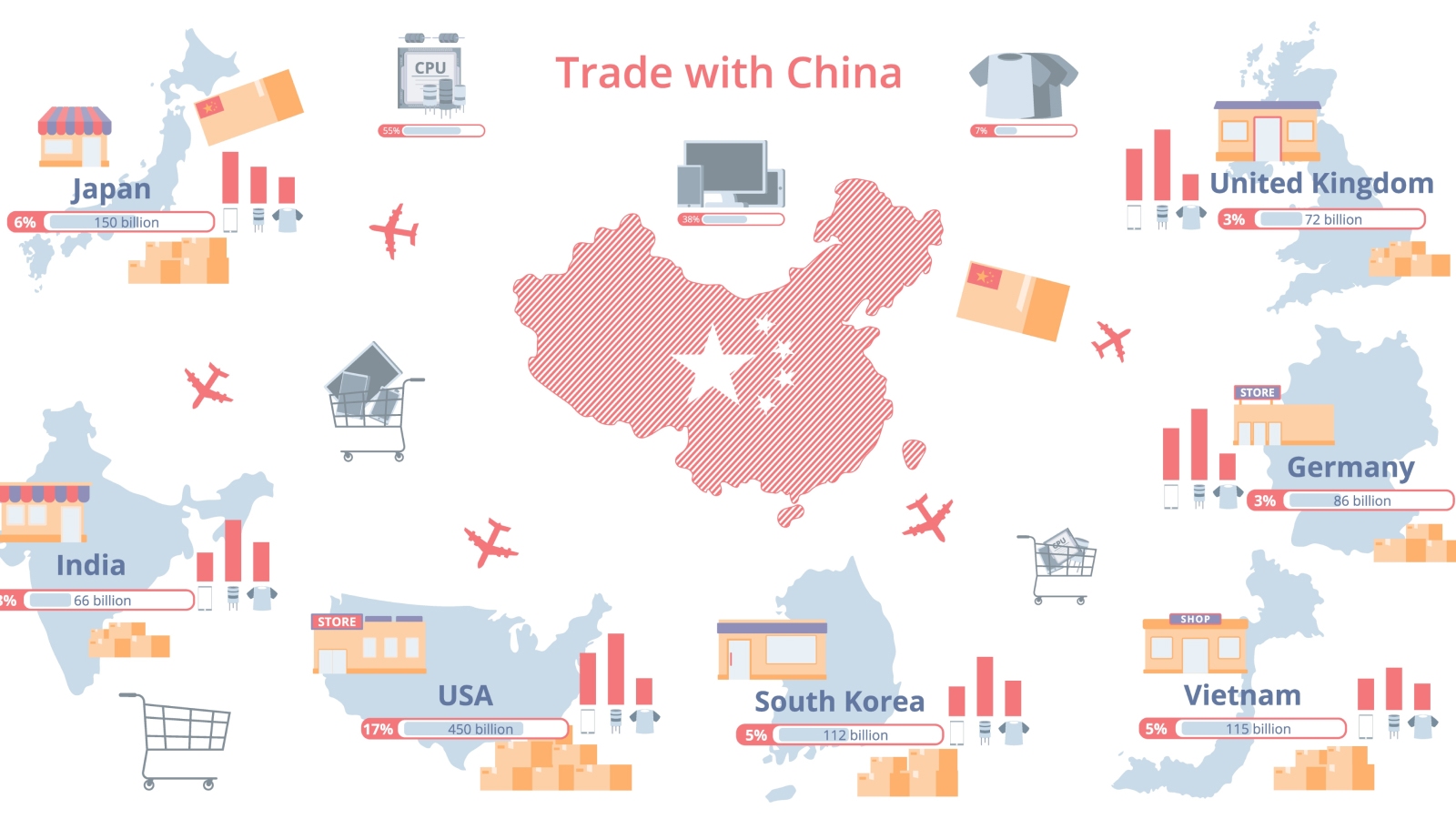
Despite recent trade wars and import restrictions, China remains the largest source of U.S. imports by far. In 2019, the U.S. imported over $452 billion worth of Chinese products, from consumer electronics to machinery to furniture and more. Savvy importers and retailers can still tap into this demand while turning huge profits, even with tariffs and duties in place. You just need the right blueprint on the most lucrative Chinese imports in America. [1]
Certain "sweet spot" categories stand out for offering that optimal mix of high demand, strong margins, and ease of importing at scale from Chinese factories and suppliers. By focusing squarely on these prime picks, you can boost sales while keeping costs low. Whether you're a small startup importer or a national big-box chain, these hot selling imports should be central to your China sourcing strategy today.
Electronics Lead the Pack
Let's start with the outsized role of electronics among top U.S. imports from China. From iPhones and laptops to TVs and drones, China is the dominant global electronics factory. According to Trading Economics, the United States imported electrical and electronic equipment worth $145.81 billion from China during 2022. This indicates a major role of electronics in the trade between the U.S. and China. [2] More electronics are imported to America from China than from any other country. For importers, specializing in bestselling devices can really maximize profits. Product cycles are short, driving repeat purchases. And margins are solid since assembly costs are low in China. Consumer electronics should be the first category on your import list from China, given the massive year-round demand.
Toys and Games Are Tried and True
According to Forbes, wheeled toys, inflatable balls, puzzles, and scale models alone accounted for $16.3 billion in imports from China. [3] Whether you focus on educational toys, action figures, outdoor sporting toys, board games, or video games and consoles, these playtime products have universal appeal in the U.S. market. As an importer, low labor costs keep your landed costs competitive, even when tariffs enter the equation. And with the latest safety testing and certification, made-in-China toys can succeed at retail. It's a promising category for importers to tap into.
Furniture Offers Big Margins
Statista provides data showing that in 2022, the United States' main trade partner for furniture imports was China, with a trade value of over 29 billion U.S. dollars. This considerable trade value indicates the profitability and volume of furniture imports from China. [4] From living room sets and dining tables to bedroom furnishings and patio furniture, Chinese manufacturers dominate global production across every price point. Labor again is extremely affordable in specialized furniture clusters, keeping your costs in check as an importer or retailer. With the right designs and materials for the U.S. market, furniture can also offer some of the largest margins of any import category from China. This combination of volume, low cost, and high retail pricing has importers constantly sourcing every type of furniture imaginable from China.
Apparel and Textiles Are Wardrobe Essentials
Let’s also highlight the major role of apparel and textiles among hot Chinese imports. The USITC also reports that the value of U.S. general imports of textile and apparel products remained relatively stable, with a slight increase of $325 million (0.3 percent) to $127.7 billion in 2020. Notably, China was the United States' largest supplier of textiles and apparel during this period, indicating the reliance on Chinese imports in this sector. [5] Major categories include women’s and men's fashion, athletic wear, suits and formalwear, outerwear, underwear and intimate apparel, baby clothes, and performance gear like yoga pants. Even with rising labor costs, China offers an unbeatable mix of fabric sourcing, manufacturing scale, and expertise with synthetic textiles that importers crave. Expect continued growth in Chinese apparel imports as retailers stock the latest fast fashion.
Beauty Products Are In Demand
Beauty products and personal accessories represent another prime target for importers that’s surging from China. As rising incomes drive demand for cosmetics, skin care, hair care, and fragrances in America, Chinese suppliers stand ready to deliver the volume at affordable pricing. Product safety regulation has also improved to give retailers confidence in these imports. Finally, the massive range of ingredients, packaging and formulas for creating new products in China makes it a beauty importer’s paradise today.
Home Décor Accessories Complement Furnishings
Now let’s consider high-potential Chinese imports that can ride the coattails of hot categories like furniture. Home décor accessories are surging from China, covering products like lamps, mirrors, candles, artificial plants, clocks, kitchenware, porcelain and ceramics. As a furniture importer, adding select home accessories can help you capture more lifestyle spending beyond big ticket items. Sourcing these products in matching styles or themes creates a cohesive look for homeowners to aspire towards. And small accessories mean more affordable shipping costs and retail price points as well.
Kitchenware Offers Essential Add-Ons
Speaking of affordable home products in demand, kitchenware imports from China have taken off recently. The country also dominates production of kitchen utensils, gadgets, storage containers and appliances like blenders, toaster ovens and coffee makers. Importers are bringing in everything from prep bowls, bakeware and knife sets to trendy barware and cocktail shakers from Chinese factories. And kitchen upgrades never go out of style, making this niche a steady revenue generator year after year.
Strategic Considerations for Importing Products from China to the US: Optimizing Your Import Strategy
Importing products from China can be extremely lucrative if done right, but it also comes with its fair share of challenges. With the proper strategy in place, however, many of those challenges can be overcome. The keys are choosing the right products to import, finding reputable suppliers and manufacturers, navigating customs procedures and import regulations efficiently, and developing smart supply chain and inventory management practices. Follow these strategic considerations to build a profitable and sustainable China import model.
Select Products with Strong Demand and Favorable Supply Dynamics
The first strategic decision is choosing products that are proven sellers with American consumers and businesses. You want categories with healthy existing demand rather than trying to manufacture demand from scratch via marketing. Research bestselling items on platforms like Amazon to identify rising stars and consumer favorites within your chosen niche before you source any inventory.
At the same time, make sure the supply dynamics from China work favorably for those particular products. Seek out Chinese manufacturers and factories with plentiful cost-efficient access to the components, materials, parts or ingredients that go into making those items. The goal is sourcing products that Chinese suppliers can profitably produce at very large scale. This ensures predictable pricing and inventory availability as your import volume grows.
Vet Suppliers Thoroughly - Don't Compromise on Quality
While China offers unmatched manufacturing capacity across countless industries, product quality, consistency and integrity can still vary widely between suppliers. You must thoroughly vet all your potential partners through first-hand visits and meetings before finalizing any orders. Review factories closely for production capabilities, quality control protocols, product testing policies, social compliance audits and more. Also request samples to inspect independently or test with actual customers. Never take shortcuts here, as one unreliable supplier can sink your import business through delayed shipments, regulatory issues or unhappy customers.
Get Customs Procedures and Import Regulations Right
Navigating the complex world of customs, duties, import permits, product registrations and more is also essential for importers. Work closely with an experienced customs broker and freight forwarder that specializes in Chinese imports into the USA. Stay up-to-date on all Federal regulations and required product testing based on the items you import. Proactively confirm any tariffs or anti-dumping duties that apply for proper financial planning. And consider using an import tax ID number to maximize duty savings. With the right partners and protocols, you can clear customs efficiently.
Optimize Your Supply Chain and Inventory Management
With suppliers and regulations addressed, importing at scale also requires smart supply chain infrastructure and inventory management practices. Choose shipping methods from China that balance cost, speed and security for your products based on their value and sales velocity. Using ocean freight for high-volume but slower-selling items can save tremendously on duties. Then utilize air freight or express shipping for trending products where lead times matter more.
Closely integrate your China supply chain with domestic warehousing, order fulfillment and distribution networks as well. Utilize an importer of record for deferred customs payments. Implement inventory management software and order tracking systems for visibility. The supply chain piece is vital for controlling costs and keeping inventory flowing to customers. Partner with established logistics providers where advantageous.
Conduct Due Diligence on Product Regulations and Compliance
For many Chinese imports like electronics, toys, supplements, textiles, furniture and more, U.S. regulations require extensive compliance testing and certification to ensure consumer safety or performance standards. Work closely with suppliers during design phases to ensure manufactured products meet all applicable American standards for your niche. Review required lab testing, reporting, labeling rules and more based on product categories. Investing upfront in full compliance helps avoid customs delays or recalls down the road.
Develop Contingency Plans for Supply Disruptions
With today’s trade uncertainties around tariffs and global events, importers also need contingency plans in place for potential China supply disruptions. Diversify across multiple reputable suppliers wherever possible, so no single factory shutdown cripples your business. Maintain increased safety stock levels to weather short delays. And have a risk management plan ready in case you need to shift sourcing to other low-cost countries like Vietnam, Indonesia or Mexico temporarily. With the right risk mitigation strategies, supply disruptions don't have to be devastating.
In summary, importing profitably at scale from China involves much more than just sourcing quality products cheaply. Follow these strategic considerations around demand planning, supplier vetting, customs management, inventory optimization, compliance and risk management. Attend to critical import details across the whole value chain. This builds the foundation for a thriving import business over the long-term powered by China’s manufacturing might.
Is Importing from China Difficult and How to Make It Easier?
Importing from China has become a cornerstone of global trade, offering businesses access to a vast array of products at competitive prices. However, navigating the complexities of international logistics can be daunting for many, especially those new to the process. Understanding the challenges and implementing strategies to simplify the process can make importing from China much more manageable.
Challenges in Importing from China
One of the primary difficulties in importing from China is dealing with regulatory requirements. Both Chinese export regulations and U.S. import regulations can be strict and often require a lot of paperwork and compliance with various trade laws. This includes ensuring that products meet safety and environmental standards, which can vary significantly between the two countries.
Another challenge is the language barrier and cultural differences, which can lead to miscommunication and misunderstandings. Negotiating prices and terms, understanding contracts, and ensuring product specifications are met can all be more difficult when dealing with a supplier who speaks a different language.
Logistics can also pose a challenge, particularly in choosing the right shipping method. Sea freight is economical for large shipments but takes longer, while air freight is faster but more expensive. Additionally, managing the logistics of getting your goods from the factory to your warehouse involves multiple steps and parties, from freight forwarders to customs brokers.
Lastly, financial risks are associated with currency exchange rates fluctuations, payment methods that offer limited protection, and the potential for fraud or quality issues upon receipt of goods.
Strategies to Make Importing Easier
To overcome these challenges, businesses can employ several strategies to make importing from China easier:
- Due Diligence: Conduct thorough research on potential suppliers. Use platforms like Alibaba and Global Sources, which offer supplier verification services. Attend trade shows to meet suppliers in person if possible.
- Hire a Sourcing Agent: A local sourcing agent can help navigate the complexities of the Chinese market, including finding reputable suppliers, negotiating prices, and conducting quality checks.
- Use a Freight Forwarder: Freight forwarders specialize in arranging the whole shipping process for your goods, including documentation, customs clearance, and delivery.
- Understand Import Duties and Regulations: Familiarize yourself with the Harmonized Tariff Schedule and consult with a customs broker to understand all applicable duties and regulations.
- Quality Control: Implement strict quality control measures. Consider hiring third-party inspection services to check product quality before shipment.
- Protect Your Payments: Use secure payment methods like Letters of Credit or Escrow services to safeguard your transactions.
- Plan for Delays: Build extra time into your schedules for potential delays due to manufacturing issues, shipping delays, or customs holdups.
By taking these steps, businesses can reduce the complexity and risk associated with importing from China. With careful planning, clear communication, and the right partners in place, importing from China can be transformed from a daunting task into a routine part of your business operations that contributes to its growth and profitability.
Also Read: General Import Guides:
- PPE Sourcing Checklist
- Import from China Guide
- Import Toys from China
- Best Products to Import from China
- Import from Vietnam Guide
- Import Furniture from China
- Import Goods from China
- Beginner's Guide to Import from China
- Import from India Guide
- Best Products to Import from Vietnam
Importing from China to the USA: Pros & Cons
| Segmentation | Pros | Cons |
|---|---|---|
| Importers/Retailers | - Lower manufacturing and labor costs resulting in higher profit margins - Ability to source unique, specialized, or niche products not available in the US - Large variety and capacity of suppliers and manufacturers to choose from - New customer segments and markets by offering unique imports - Flexible order quantities from small batches to high volume | - Long shipping times and costs can tie up capital - Language and cultural barriers can complicate communications and negotiations - Quality control and assurance challenges due to lack of oversight - Tariffs, customs delays, and regulations can reduce cost savings - Intellectual property and brand reputation risks |
| Chinese Manufacturers | - Access to large and lucrative USA consumer market provides growth opportunities - Higher profit margins compared to selling locally or to other countries - Foreign business partnerships, technology, and knowledge transfers - Incentives from Chinese government to encourage exports | - Intense competition from thousands of manufacturers fighting for USA business - Language and cultural barriers complicate marketing and communications - Complex export processes, compliance standards, and restrictions - Intellectual property risks with replicating product designs - Trade tensions between governments |
| American Manufacturers | - Protectionist US trade policies (for some industries) help reduce foreign competition - Lower chance of losing market share to Chinese imports | - Higher raw material and production costs compared to China manufacturing - Loss of global competitiveness and market share, especially in consumer goods - Downsizing, closures, and job losses concentrated in industries heavily imported from China - Pressures to offshore production activities to reduce costs |
| American Consumers | - Wider range and variety of affordable products and goods is available - New products, innovations, and trends earlier from foreign markets - Lower prices across many key consumer categories | - Quality control issues lead to higher defect rates and safety issues - Lack of customer service amenities when dealing with foreign retailers - Potential job losses in domestic manufacturing impact local economies - Less recourse for fraud or issues with international transactions |
| USA Economy | - Consumer access to affordable finished goods boosts public purchasing power - Tax revenue from imports and trade volume including tariffs - Cheap inputs and materials for American industries | - Sustained high trade deficit, especially with China, impacts GDP goals - Loss of domestic manufacturing jobs and industrial know-how - Risks being strategically dependent on other nations for vital goods |
| Environment | - Advance of renewable energy industries in China through US demand | - Increased fossil fuel emissions from transoceanic transport - Lack of environmental oversight leads to higher pollution in production - Difficulty ensuring ethical working conditions without regulation |
From China to US: Importing Requirements
When importing goods from China to the United States, there are several requirements and considerations to be aware of:
- Documentation: Importers must prepare and present various documents, which may include:These documents should be ready at least 15 calendar days before the imports arrive at a US port of entry.
- A bill of lading
- An invoice
- A packing list
- A customs declaration
- An insurance policy
- A sales contract
- An import license or permit for certain regulated goods
- An import quota certificate for general commodities, if applicable
- An inspection certificate for certain regulated products
- Tariffs and Restrictions: It's essential to understand and comply with the tariffs and restrictions that may apply to your imported goods. This includes determining if there are any anti-dumping duties or countervailing duties imposed on the goods being imported from China.
- Regulations: Make sure that the products meet all U.S. guidelines and regulations. This includes federal regulations that are applicable in all states, as well as any additional state-specific requirements
- Shipping and Delivery: Arranging for shipping and delivery requires attention to detail, including choosing the right international freight services and ensuring that products are shipped in compliance with U.S. import regulations.
- Product Compliance: Importers must ensure that their products comply with all relevant U.S. product safety standards and labeling requirements. This might involve testing and certification processes.
- Customs Clearance: Upon arrival in the U.S., goods must go through customs clearance, where U.S. Customs and Border Protection (CBP) will review all documentation and inspect the shipment to ensure everything is in order.
For detailed guidance and to ensure compliance with all import regulations, it is advisable to consult with a customs broker or a professional experienced in international trade between China and the United States.
Importing restrictions: from China to US
When importing goods from China to the United States, businesses and individuals must navigate a complex set of restrictions and regulations. Here's an introduction to these restrictions, along with a chart to summarize the key points.
General Import Restrictions: Generally, there are no broad import restrictions on most products when importing from China to the USA. However, some products may require additional permissions, such as an import license or import permit. This is especially true for goods that are subject to quotas or fall under specific trade agreements or sanctions.
Prohibited Items: The U.S. Customs and Border Protection (CBP) lists items that are prohibited from entering the United States. These include, but are not limited to, illicit substances, dangerous materials, and items that can be used in illegal activities. Importing such items is strictly forbidden.
Restricted Items: Some items are not prohibited but are restricted, meaning they require special licenses or permits from a federal agency before they can be allowed entry into the United States. Examples of restricted items include firearms, certain fruits and vegetables, animal products, animal by-products, and some live animals.
Tariffs and Trade Restrictions: In recent years, a series of new tariffs and trade restrictions have been applied to goods imported from China. These tariffs can significantly affect the cost and complexity of importing goods into the United States. It's crucial for importers to stay updated on these tariffs as they can change due to ongoing trade negotiations or policy changes.
Regulatory Compliance: All products imported into the U.S. must comply with various safety standards and regulations. This includes labeling requirements, safety testing, and certifications as needed for specific product categories. Failure to comply with these regulations can result in fines, seizures, or bans on your goods.
Intellectual Property Rights: The U.S. is stringent on protecting intellectual property rights. U.S. Customs enforces Intellectual Property Rights (IPR) at the borders to prevent the unauthorized entry of goods that infringe on IPR. This includes counterfeit trademark goods and pirated copyright materials.
To visualize these points, here's a chart summarizing the importing restrictions from China to the U.S.:
| Category | Description |
|---|---|
| General Import Restrictions | No broad restrictions; specific products may need additional permissions (licenses/permits). |
| Prohibited Items | Absolutely forbidden items include drugs, dangerous chemicals, materials for illegal activities. |
| Restricted Items | Items requiring special licenses or permits, such as firearms, certain agricultural products. |
| Tariffs and Trade Restrictions | New tariffs and trade restrictions affecting costs; subject to change with trade policies. |
| Regulatory Compliance | Must meet U.S. safety standards; includes labeling, testing, certifications. |
| Intellectual Property Rights | Enforcement of IPR at borders to prevent entry of counterfeit or pirated goods. |
Cost to import from China
Importing from China can be a cost-effective strategy for businesses looking to source products, but it's essential to understand the associated costs to make informed decisions. Here is a comprehensive introduction to the costs involved in importing from China:
1. Product Costs: The first and most obvious cost is the price of the goods you are purchasing. This will vary greatly depending on the type and quantity of goods. Buying in larger quantities typically results in lower per-unit costs due to economies of scale.
2. Manufacturing Costs: If you're ordering custom products or OEM (Original Equipment Manufacturer) items, there may be additional costs for molds or setup. These are one-time costs that can be amortized over the production run.
3. Sample Costs: Before placing a large order, it's standard to order samples. While samples are usually not free, their costs give you a chance to assess quality and make necessary adjustments before committing to a larger order.
4. Payment Processing Fees: When making payments to Chinese suppliers, you may encounter fees, especially if paying through international wire transfers or letter of credit. These fees can add up, so it's important to factor them into your budget.
5. Shipping Costs: Freight costs are a major component of importing from China. You'll need to decide between air freight (faster but more expensive) and sea freight (slower but cheaper). The cost will depend on the weight and volume of your shipment, as well as the incoterms you agree upon with your supplier.
6. Insurance: Cargo insurance is critical to protect your goods from loss or damage during transit. While it's an additional cost, it's a safeguard against potential financial loss.
7. Customs Duties and Taxes: Import duties and taxes can significantly affect the total cost of importing goods. Tariff rates vary depending on the product type and country of origin. You can use the Harmonized Tariff Schedule to determine the duty rate for your products.
8. Customs Broker Fees: Hiring a customs broker can simplify the import process. They can handle paperwork and ensure compliance with all regulations, but their services come at a cost.
9. Warehousing and Storage Fees: If your goods need to be stored upon arrival before they are sold or used, you'll need to consider warehousing costs.
10. Inland Transportation Costs: Once your goods have cleared customs, you'll need to transport them from the port to your warehouse or store.
11. Currency Exchange Rates: Fluctuations in currency exchange rates can affect the cost of your goods, especially if you are paying in US dollars and the supplier is pricing in Chinese yuan.
12. Quality Control and Compliance Testing: Ensuring that your products meet quality standards and comply with local regulations may require third-party testing and certification, which can add to the cost.
13. Tariffs and Trade War Impact: Recent trade tensions have led to increased tariffs on certain goods from China, which can significantly impact the cost of importing these items.
14. Miscellaneous Costs: There may be additional costs for things like compliance with labeling requirements, product modifications to meet local standards, or legal fees if you're securing intellectual property rights.
To give you a visual summary, here's a simplified chart:
| Cost Type | Description |
|---|---|
| Product Costs | Price of the actual goods being purchased |
| Manufacturing Costs | Additional costs for custom orders or OEM items |
| Sample Costs | Costs for quality assessment before bulk ordering |
| Payment Processing Fees | Fees associated with international payments |
| Shipping Costs | Freight charges, determined by weight, volume, and incoterms |
| Insurance | Protection against loss or damage during transit |
| Customs Duties and Taxes | Tariffs based on product type and country of origin |
| Customs Broker Fees | Service fees for handling import documentation and procedures |
| Warehousing Fees | Storage costs upon arrival |
| Inland Transportation | Costs for moving goods from port to final destination |
| Currency Exchange Rates | Potential financial impact due to changes in currency value |
| Quality Control | Costs for testing and ensuring product compliance |
| Tariffs/Trade War Impact | Additional duties resulting from ongoing trade disputes |
| Miscellaneous Costs | Other potential expenses like labeling, modifications, or legal fees |
Understanding these costs is crucial for creating a realistic budget for your import business. It's also advisable to consult with a logistics expert or import consultant who can provide detailed insights and help optimize your overall expenditure when importing from China.
Also Read: Specific Import Guides and Costs:
- Import Car from Japan Costs
- Import Cars from China
- Import Car from Dubai to India
- Import Duties from China to USA
- Shipping Routes from China to USA
- Import from Japan to USA Duties
- Ultimate Guide: Importing from China to USA
- Import Electronics from China
Shipping from China to the USA
Shipping from China to the USA is a critical component of global trade, involving intricate logistics and various cost factors. Whether you're a seasoned importer or a newcomer to international trade, understanding the process and expenses involved in shipping from China to the USA is vital for a successful transaction. Here's an introduction to the multifaceted world of shipping from China to the American market:
Understanding the Shipping Process
1. Choosing a Supplier: The first step is selecting a reliable supplier in China. This choice can significantly influence your shipping experience, as suppliers often have preferred freight forwarders and may negotiate better shipping rates due to volume discounts.
2. Selecting a Shipping Method: There are two primary methods for shipping goods from China to the USA:
- Sea Freight: The most cost-effective option for large shipments. It includes FCL (Full Container Load) and LCL (Less than Container Load) options but takes longer to deliver.
- Air Freight: Faster but significantly more expensive, suitable for time-sensitive or high-value goods.
3. Understanding Incoterms: Incoterms define the responsibilities of buyers and sellers in international trade. Common terms include FOB (Free on Board), EXW (Ex Works), CIF (Cost, Insurance, and Freight), and DDP (Delivered Duty Paid). Each term delineates how far along the process the supplier is responsible for the goods.
4. Documentation: Proper documentation is essential. This includes a commercial invoice, packing list, Bill of Lading (B/L) or Airway Bill (AWB), and any other documents required for customs clearance.
Costs Involved in Shipping
1. Freight Charges: The cost to ship the actual goods, negotiated with a carrier or freight forwarder.
2. Insurance: Insurance coverage for your shipment against loss or damage can be a fraction of the cargo value but is vital for protecting your investment.
3. Customs Duties and Taxes: Import duties and taxes vary based on the product classification under the Harmonized Tariff Schedule and its declared value.
4. Customs Broker Fees: Customs brokers facilitate the clearance of goods through customs and charge for their services.
5. Additional Fees: These can include currency conversion fees, bank charges for letters of credit, and any other miscellaneous costs associated with the transaction.
Time Factors
1. Transit Time: Sea freight can take anywhere from 2-6 weeks from China to the USA, while air freight is typically 1-5 days.
2. Customs Clearance: The time it takes for goods to clear customs can vary greatly depending on the completeness and accuracy of your documentation, as well as current customs backlogs.
Regulatory Compliance
1. US Customs Regulations: Adherence to all US customs regulations is mandatory. Non-compliance can result in delays, fines, or seizure of goods.
2. Chinese Export Regulations: Similarly, Chinese laws and regulations must be followed in order for goods to leave China legally and efficiently.
Logistics and Handling
1. Inland Transportation in China: Getting your goods from the supplier to the port of departure involves overland transportation costs within China.
2. Port Handling and Fees: Both Chinese and American ports levy charges for handling and processing your goods through their facilities.
3. Inland Transportation in the USA: Once your shipment arrives in the USA, it will need to be transported from the port to its final destination, adding further costs.
Mitigating Risks
1. Quality Control: Conducting quality checks before shipment can prevent costly returns or loss of reputation due to poor quality goods.
2. Tracking and Updates: Using tracking services provided by carriers or third-party apps can help you monitor your shipment's progress and plan accordingly.
Final Considerations
1. Seasonal Variations: Peak shipping seasons can affect cost and transit times, particularly during Chinese holidays like Chinese New Year when factories shut down.
2. Long-term Relationships: Developing a good relationship with suppliers and freight forwarders can lead to better service and potentially lower costs over time.
3. Expert Advice: Consulting with logistics experts or customs brokers can provide valuable insights into optimizing your shipping strategy from China to the USA.
In conclusion, shipping from China to the USA involves a complex array of steps, each with its own costs and considerations. By understanding each element of the process—from selecting a shipping method to navigating regulatory compliance—you can make informed decisions that save time and money while ensuring your goods arrive safely and on schedule.
Conclusion
In conclusion, importing from China to the USA can be a highly profitable venture when approached with thorough research and strategic planning. By carefully selecting suppliers, understanding the associated costs, and navigating the various restrictions and regulations, businesses can establish a robust import operation. While the process may appear daunting at first, the potential rewards are significant. It's crucial for importers to stay informed about the latest trade policies, maintain good communication with Chinese partners, and continuously monitor market trends to adapt their strategies accordingly. With persistence and due diligence, entrepreneurs and businesses of all sizes can tap into the wealth of opportunities that importing from China offers, turning the complexities of international trade into lucrative outcomes.
References:
- https://www.bis.doc.gov/index.php/documents/technology-evaluation/ote-data-portal/country-analysis/2575-2019-statistical-analysis-of-u-s-trade-with-china/file
- https://tradingeconomics.com/united-states/imports/china/electrical-electronic-equipment
- https://www.forbes.com/sites/emilywashburn/2023/02/10/us-trade-with-china-actually-increased-last-year-here-are-the-10-top-imported-items/
- https://www.statista.com/statistics/1304179/main-furniture-import-trade-partners-trade-value-united-states/
- https://www.usitc.gov/research_and_analysis/tradeshifts/2020/textiles.htm
Also Read: Trade Insights and Roles:

