




Importing goods from China has become an important part of global trade. As China is one of the world's largest manufacturing bases, its wide range of products and competitive prices have attracted businesses and individuals from all over the world. This guide is designed to provide a comprehensive reference for first-time and experienced importers to help them successfully import goods from China.
Table of Contents
1. Understanding the Import Process
5. Understanding Import Regulations and Compliance
8. Receiving and Inspecting Goods
9. Building Long-term Relationships with Suppliers
10. Leveraging Technology and Tools
1. Understanding the Import Process
The process of importing goods involves multiple steps and links, from finding suppliers to the final receipt of goods. Understanding the entire process can help avoid common problems and improve import efficiency. The main steps include: market research, finding suppliers, negotiation, understanding import regulations, logistics arrangements, customs clearance, and receiving and inspecting goods.
2. Research and Planning
Before starting to import, you first need to conduct sufficient market research and planning:
Determine market demand and target products: Understand the needs and trends of the target market and choose suitable products. Through market research and competition analysis, determine the most promising product categories. When analyzing market demand, you can use tools such as questionnaires, focus group discussions, and market reports.
Understand Chinese suppliers and manufacturers: Get to know potential suppliers through the Internet and trade shows. You can use industry reports, market analysis tools, and business intelligence platforms to gain in-depth understanding of the background and strength of suppliers. For example, you can obtain supplier information through platforms such as Made-in-China.com and Global Trade.com.
Investigate product quality and price: Compare product quality and price of different suppliers to ensure that you choose the most cost-effective products. You can ensure that the products meet the standards through sample testing and third-party quality inspection. Understand the production process and materials of the products to ensure that they meet the quality standards of the importing country.
3. Finding Reliable Suppliers
Finding reliable suppliers is the key to successful imports:
Use online platforms: Platforms such as Alibaba and Global Sources can help you find many suppliers. These platforms provide detailed information and customer reviews of suppliers, which helps to screen out high-quality suppliers.
Participate in trade fairs: Such as the Canton Fair, you can directly communicate with suppliers face to face and learn about their products and services. By visiting the exhibition, you can get the latest product information and market trends.
Conduct supplier background checks and verification: Ensure the reliability and credibility of suppliers through third-party agencies or field visits. Suppliers can be asked to provide documents such as company registration information, production licenses and quality certifications.
4. Negotiating with Suppliers
Negotiation with suppliers is the basis for ensuring good cooperation:
Price negotiation skills: Understand the market situation, reasonably lower the price, and respect the reasonable profit of the supplier. You can find the most competitive price through multiple inquiries and comparisons.
Formulation of contract terms: Clarify the terms in the contract, including price, delivery time, payment method, quality standards, etc. Ensure that the contract terms are clear and unambiguous to avoid subsequent disputes.
Establishing long-term cooperative relationships: Establishing long-term cooperative relationships with suppliers will help to obtain better prices and services. During the cooperation process, maintain good communication and trust, and solve problems in a timely manner.
5. Understanding Import Regulations and Compliance
Understanding the import regulations and standards of the target country is the key to successful imports:
Understanding the import regulations and standards of the target country: Each country has different regulations and standards for imported goods, such as safety standards, environmental protection requirements, etc. Make sure that the imported goods comply with these regulations and standards to avoid problems during customs clearance.
Required documents and certificates: Imported goods usually require a variety of documents and certificates, such as commercial invoices, packing lists, certificates of origin, quality certificates, etc. Make sure all documents are complete and accurate to pass customs inspection smoothly.
Tariff and tax calculation: Understand the tariff and tax policies of the target country and calculate the import costs in advance. You can consult a professional customs broker or use an online tariff calculation tool to estimate tariffs and taxes.
6. Shipping and Logistics
Choosing the right mode of transportation and logistics company is an important part of ensuring the safe arrival of goods:
Choosing the right mode of transportation: Choose the right mode of transportation according to the nature, volume and urgency of the goods, such as sea, air, land, etc. Sea transportation is suitable for large quantities of goods that are not urgently needed, air transportation is suitable for urgent and high-value goods, and land transportation is suitable for cross-border transportation between neighboring countries.
Importance of transportation insurance: Purchase insurance for goods during transportation to prevent financial losses caused by accidental damage or loss. You can choose full insurance or partial insurance, depending on the value of the goods and transportation risks.
Choice of freight forwarders and logistics companies: Choose experienced and reputable freight forwarders and logistics companies to ensure a smooth transportation process. You can choose a suitable logistics partner through customer reviews, industry rankings and service content.
Also Read: General Import Guides:
- PPE Sourcing Checklist
- Import from China Guide
- Import Toys from China
- Best Products to Import from China
- Import from Vietnam Guide
- Import Furniture from China
- Import Goods from China
- Beginner's Guide to Import from China
- Import from India Guide
- Best Products to Import from Vietnam
7. Customs Clearance
Customs clearance is a crucial part of the import process:
Preparing customs clearance documents: Ensure that all necessary customs clearance documents are complete and accurate, including commercial invoices, packing lists, certificates of origin, import licenses, etc. The accuracy and completeness of the documents directly affect the speed and smoothness of customs clearance.
Understanding customs regulations and procedures: Customs regulations and procedures vary from country to country. Knowing and complying with these regulations in advance will help to smooth customs clearance. You can consult a professional customs broker or customs agent to obtain the latest customs policies and requirements.
Handling duties and taxes: Calculate and pay the corresponding duties and taxes based on the type and value of the imported goods. Timely payment of duties and taxes can avoid customs clearance delays and additional costs.
8. Receiving and Inspecting Goods
After the goods arrive, they need to be inspected and quality checked:
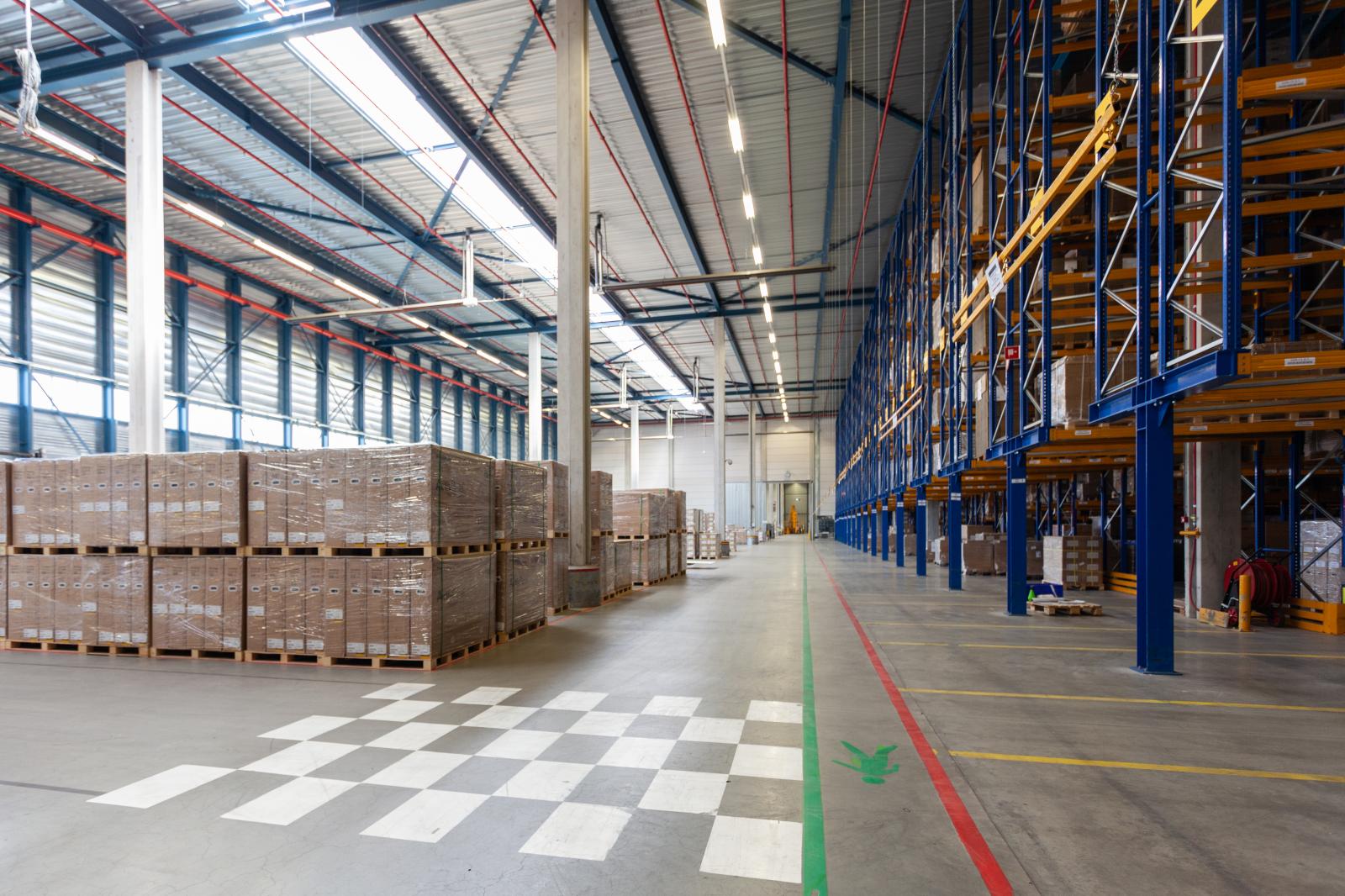
The importance of inspection: After receiving the goods, inspect them in a timely manner to check whether the quantity, quality and specifications of the goods meet the contract requirements. You can use sampling inspection or full inspection methods, depending on the quantity and value of the goods.
Dealing with quality issues and disputes: If you find that the goods have quality problems or quantity discrepancies, contact the supplier in time to negotiate solutions. You can safeguard your legitimate rights and interests through returns, exchanges or claims.
Save relevant documents and records: Save all documents and records related to imports, including contracts, invoices, logistics documents, customs clearance documents, etc. These documents are not only the basis for future tracing and handling of problems, but also important information for corporate management and auditing.
9. Building Long-term Relationships with Suppliers
Establishing long-term and stable supplier relationships will help improve import efficiency and reduce costs:
Maintain good communication and cooperation: Maintain regular communication with suppliers, timely feedback on market demand and product quality, and establish a mutually trusting and mutually beneficial cooperative relationship. You can keep in touch and communicate through regular visits, video conferences and email communications.
Develop a long-term cooperation plan: Develop a long-term cooperation plan with suppliers, including product development, quality improvement, cost control and other aspects. Through long-term cooperation, you can get better prices and services and enhance market competitiveness.
Pay attention to the development and changes of suppliers: Pay attention to the operating conditions and market changes of suppliers, and adjust cooperation strategies in a timely manner. You can learn about the latest trends and development directions of suppliers through industry reports, market research and supplier interviews.
10. Leveraging Technology and Tools
Using modern technology and tools, you can improve import efficiency and management level:
Using e-commerce platforms: Through e-commerce platforms, you can easily and quickly find suppliers, place orders and track orders. The platform provides rich supplier information and customer reviews, which helps to screen high-quality suppliers.
Using supply chain management software: Supply chain management software can help companies optimize procurement processes, inventory management and logistics arrangements, and improve overall operational efficiency. You can choose a software system that suits the size and needs of the company to improve management level.
Using big data and artificial intelligence technology: Big data and artificial intelligence technology can help companies conduct market analysis, demand forecasting and risk management, and provide scientific decision-making support. Through data analysis and intelligent algorithms, market opportunities and potential risks can be discovered, and import strategies can be optimized.
Conclusion
Importing goods from China is a complex and systematic process involving multiple links and steps. Through sufficient market research, finding reliable suppliers, reasonably negotiating contract terms, and understanding import regulations and logistics arrangements, you can effectively reduce import risks and improve import efficiency. Establish long-term and stable supplier relationships and use modern technology and tools to further improve import management and market competitiveness. I hope this guide can provide valuable references for first-time and experienced importers, helping them succeed in global trade.
Also Read: Specific Import Guides and Costs:

