




With the development of globalization, importing cars from China has become a trend in many countries. China is not only one of the world's largest automobile producers, but also has a wide range of automobile products with strong price competitiveness. This guide is intended to provide a detailed reference for companies and individuals who intend to import cars from China, helping them understand the relevant regulations, standards and procedures to ensure a smooth import process.
Table of Contents
1. Market Research and Planning
2. Finding Reliable Car Manufacturers and Suppliers
3. Understanding Import Regulations and Compliance
4. Negotiating Terms and Conditions with Suppliers
6. Quality Control and Inspection
7. Customs Clearance and Duties
9. Dealing with Potential Challenges
1. Market Research and Planning
Before starting to import cars, it is crucial to conduct market research and planning:
Analyze market demand: Understand the demand for Chinese cars in the target market and determine the most popular models and brands. This can be done through market surveys, consumer questionnaires and industry reports.
Identify popular models and manufacturers: Through market research and data analysis, find out popular models and reputable manufacturers produced in China. For example, BYD, Geely and Great Wall Motors are all well-known Chinese automobile manufacturers.
Evaluate competition and market trends: Study the competition and future trends in the target market to ensure that the imported cars are market competitive. Understand the prices, sales strategies and market share of competitors and formulate corresponding market entry strategies.
2. Finding Reliable Car Manufacturers and Suppliers
Finding reliable car manufacturers and suppliers is the key to successful imports:
Using online platforms: Platforms such as Alibaba and Global Sources can help you find potential car suppliers. These platforms provide detailed information and customer reviews of suppliers, which helps to screen out reputable suppliers.
Attending auto shows and expositions: By attending professional auto shows, such as the China International Auto Show, you can directly connect with manufacturers and suppliers and learn about the latest products and technologies.
Conduct background checks and verifications: Conduct background checks on potential suppliers to verify their qualifications and reputation and ensure that they have legal production and export qualifications. You can obtain certification reports and credit ratings of suppliers through third-party certification agencies.

3. Understanding Import Regulations and Compliance
Understanding the import regulations and standards of the target country is the key to ensuring the compliance of imported cars:
Overview of import regulations: Different countries have different regulations and requirements for imported cars, such as emission standards, safety standards, etc. Understanding these regulations in advance can avoid customs clearance problems caused by non-compliance with requirements.
Emission standards and environmental regulations: Many countries have strict regulations on automobile emission standards, and it is crucial to ensure that imported cars meet these standards. Emission tests can be conducted through third-party testing agencies to obtain certificates of compliance.
Safety standards and crash test requirements: Imported cars need to meet the safety standards of the target country, including crash tests, braking performance, and airbag configuration. Ensure that the car passes the necessary safety tests and obtains relevant certifications.
Necessary documents and certificates: Imported cars usually require a variety of documents and certificates, such as commercial invoices, packing lists, certificates of origin, quality certificates, etc. Make sure all documents are complete and accurate to pass customs inspection smoothly.
4. Negotiating Terms and Conditions with Suppliers
Negotiating terms and conditions with suppliers is an important step to ensure a smooth transaction:
Price negotiation strategy: When negotiating prices, you can compare quotes from multiple suppliers to understand the market situation and strive for the best price. At the same time, you can consider bulk purchases to get a bigger discount.
Drafting and reviewing contracts: Before signing a contract, ensure that the terms of the contract are clear, including product specifications, delivery time, payment method, warranty terms, etc. It is recommended to hire a professional lawyer to review the contract to ensure that your rights and interests are protected.
Payment terms and conditions: Determine the appropriate payment method and conditions, such as letter of credit, advance payment and installment payment. Ensure that the payment method is safe and reliable to avoid disputes caused by payment problems.
Ensure warranty and after-sales service: Negotiate warranty terms and after-sales service with suppliers to ensure that quality problems of the product can be solved in time. Understand the supplier's after-sales service policy to ensure that it can provide necessary technical support and spare parts supply.
Also Read: Trade Insights and Roles:
- Guide to Chinese Trade Fairs
- Wholesale Import for Business
- Roles of Importers in Trade
- Understanding Shipping Marks
- Role of Wholesaler Buyers
5. Shipping and Logistics
Choosing the right transportation method and logistics company is an important part of ensuring the safe arrival of the car:
Choose the right transportation method: Choose the right transportation method according to the number, volume and urgency of the car, such as sea transportation, air transportation, etc. Sea transportation is suitable for large quantities of cars that are not urgently needed, and air transportation is suitable for urgent and high-value cars.
Understand transportation costs and time: Understand the transportation costs and time in advance and arrange the transportation plan reasonably. You can compare quotes from multiple logistics companies and choose the most cost-effective plan.
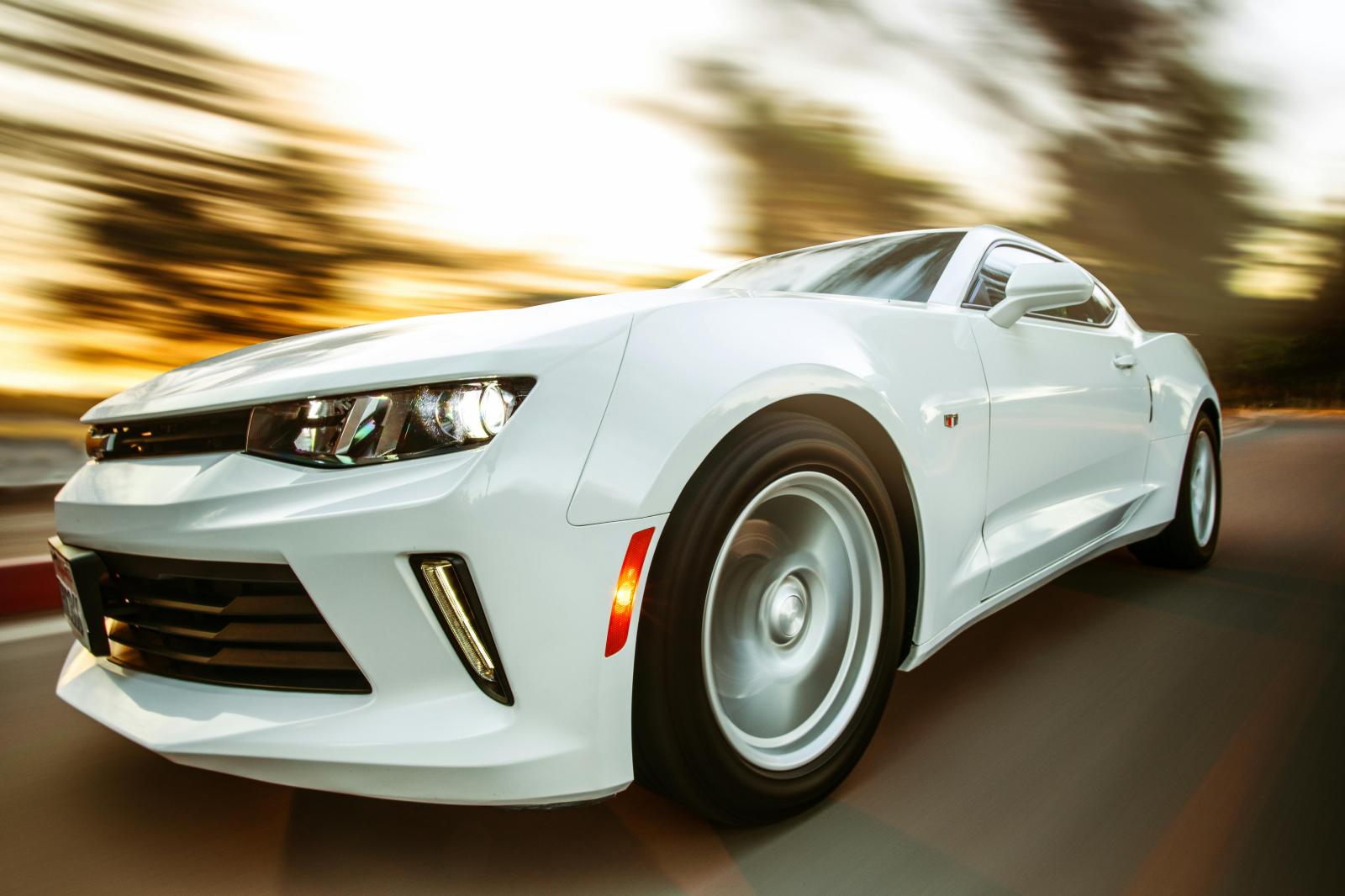
Arrange transportation and insurance: Purchase insurance for the car during transportation to prevent economic losses caused by accidental damage or loss. You can choose full or partial insurance, depending on the value of the car and the transportation risk.
Dealing with customs clearance and tariffs: Understand the customs clearance process and tariff policy of the target country, and prepare the necessary documents and information in advance. You can choose an experienced customs broker to assist in customs clearance procedures to ensure smooth customs clearance.
6. Quality Control and Inspection
It is crucial to ensure that the quality of imported cars meets the standards:
Pre-shipment inspection procedures: Carry out quality inspections before the car is shipped to ensure that it meets the specifications and standards stipulated in the contract. You can hire a third-party inspection agency to conduct independent inspections and obtain detailed inspection reports.
Hiring a third-party inspection agency: Choose a reputable third-party inspection agency to conduct quality inspections to ensure that the inspection results are fair and credible. Third-party inspection agencies can provide comprehensive quality inspection services, including appearance inspections, functional tests, and performance tests.
Ensuring compliance with quality standards: Ensure that the imported cars meet the quality standards and regulatory requirements of the target country. Sample testing and third-party quality inspections can be used to ensure that the products meet the standards.
7. Customs Clearance and Duties
Customs clearance and payment of duties are important links in the import process:
Detailed customs clearance process: Understand the customs clearance process and requirements of the target country, and prepare the necessary documents and information in advance. You can choose an experienced customs broker to assist in the customs clearance procedures to ensure smooth customs clearance.
Calculate import duties and taxes: Understand the tariff and tax policies of the target country and calculate the import costs in advance. You can consult a professional customs broker or use an online tariff calculation tool to estimate duties and taxes.
Necessary documents and information: Imported cars usually require a variety of documents and information, such as commercial invoices, packing lists, certificates of origin, quality certificates, etc. Make sure all documents are complete and accurate so that they can pass customs inspection smoothly.
Also Read: General Import Guides:
- PPE Sourcing Checklist
- Import from China Guide
- Import Toys from China
- Best Products to Import from China
- Import from Vietnam Guide
- Import Furniture from China
- Import Goods from China
- Beginner's Guide to Import from China
- Import from India Guide
- Best Products to Import from Vietnam
8. Post-Import Procedures
After the imported car arrives, a series of follow-up procedures need to be completed:
Register the imported car in the target country: Go through the car registration procedures in accordance with the vehicle registration laws of the target country. Make sure to provide the necessary documents and information, such as import certificates, certificates of conformity, etc.
Comply with local vehicle registration laws: Understand the vehicle registration laws and regulations of the target country and ensure that the imported car meets the relevant requirements. You can consult the local vehicle management department to obtain detailed registration procedures and requirements.
Arrange insurance and road suitability test: Purchase necessary insurance for the imported car and conduct road suitability test to ensure that it meets local safety standards and regulatory requirements.

9. Dealing with Potential Challenges
During the import process, you may encounter various challenges and problems:
Common problems: such as logistics delays, quality problems, customs clearance difficulties, etc. Understand the possible problems in advance and develop a response strategy.
Strategies to overcome logistics and regulatory obstacles: Work with experienced logistics companies and customs brokers to ensure smooth transportation and customs clearance. Understand the regulatory requirements of the target country and prepare in advance.
Legal remedies for supplier disputes: When disputes occur with suppliers, you can resolve the problem through legal means. It is recommended to hire a professional lawyer to ensure that your rights and interests are protected.
Conclusion
Through the introduction of this guide, you should have a comprehensive understanding of all aspects of importing cars from China. Summarize the key points to ensure that you pay attention to every detail during the import process and avoid common problems. Finally, keep an eye on market trends and regulatory changes to ensure the continued success of your import business.
Also Read: Specific Import Guides and Costs:

