




Table of Contents
The Causes of the Bullwhip Effect
Real-World Examples of the Bullwhip Effect
Strategies to Mitigate the Bullwhip Effect
The Role of Technology in Managing the Bullwhip Effect
Leveraging Global Sources for Supply Chain Excellence
What is the Bullwhip Effect?
The Bullwhip Effect is a phenomenon in supply chain management where small fluctuations in demand at the retail end can cause progressively larger fluctuations in demand at the wholesale, distributor, manufacturer, and raw material supplier levels. The concept is named after the way the amplitude of a whip increases down its length: the small flick of the wrist that starts the whip motion creates a large wave at the other end when the whip cracks.
Consider a scenario where a toy store typically sells 50 units of a popular board game each week. During a week with a viral online challenge featuring the game, sales unexpectedly jump to 80 units. Interpreting this spike as a sustainable increase in demand, the store manager orders 120 units for the following week. The supplier, noticing this uptick in orders, anticipates a similar surge across its customer base and doubles their inventory by placing a larger order with the manufacturer. The manufacturer, in turn, scales up production to meet what they perceive as a new market trend.
As the viral challenge fades, the toy store's sales of the board game return to normal, leaving the store with a surplus of stock. The supplier and manufacturer, who have both adjusted their operations for higher demand, now find themselves with an overabundance of inventory. This effect is compounded by the time lag in communication and production adjustments across the supply chain. Even if the store had recognized the viral challenge as a temporary event, the supplier and manufacturer might still overreact without direct insight into the local market trend, thus propagating the bullwhip effect through the supply chain.
This effect is problematic because it can lead to several inefficiencies in the supply chain, such as:
- Excess Inventory: Companies may hold more inventory than necessary to buffer against variations in customer demand, leading to higher storage costs.
- Poor Customer Service: The inability to predict demand accurately can result in product shortages, causing companies to lose sales or customers due to stockouts.
- Inefficient Production: Manufacturers may end up frequently adjusting production rates, which can be costly and inefficient.
- Increased Costs: The costs associated with the overproduction, storage, and movement of goods can increase significantly.
The Bullwhip Effect is often caused by a lack of communication and coordination between different stages of the supply chain, leading to a mismatch between supply and demand. Factors contributing to this effect include overreaction to backlogs, neglect of lead times, and misinterpretation of demand signals.
To mitigate the Bullwhip Effect, companies may implement strategies such as improving communication across the supply chain, reducing lead times, streamlining ordering processes, and employing advanced forecasting techniques.
The Causes of the Bullwhip Effect
The Bullwhip Effect is a phenomenon in supply chain management where small fluctuations in demand at the retail level cause progressively larger fluctuations in demand at the wholesale, distributor, manufacturer, and raw material supplier levels. This effect is named after the way the amplitude of a whip increases down its length. Understanding the causes of the Bullwhip Effect is critical for businesses seeking to streamline operations and reduce inefficiencies. Here are the key factors that contribute to this complex issue:
1. Demand Forecast Updating
One of the primary triggers of the Bullwhip Effect is the reliance on demand forecasts. Businesses often use historical sales data to predict future demand. However, when each entity in the supply chain makes its own forecasts based on the orders from the downstream entity, small errors can get amplified as they move up the chain. As each forecast is made with a different set of assumptions and data points, the margin of error widens, leading to larger and larger oscillations in order levels.
2. Order Batching
Companies often place orders in batches to take advantage of transportation economics, volume discounts, or to reduce ordering costs. This can lead to periods of high demand followed by periods of no demand, which distorts the manufacturer's view of what is actually happening at the consumer level. The irregular ordering patterns create a lack of visibility and predictability, causing manufacturers to overcompensate by increasing inventory levels or capacity, which exacerbates the Bullwhip Effect.
3. Price Fluctuations
Promotions and discounts can lead to speculative buying behavior where retailers order more than what they need in anticipation of higher future prices or to take advantage of a promotion. When the promotion ends, there is a period of low demand while retailers sell through their excess inventory. This pattern can mislead upstream supply chain partners about the actual market demand.
4. Rationing and Shortage Gaming
When product demand exceeds supply, manufacturers may ration their products among different retailers. Retailers might respond by exaggerating their actual demand when placing orders to ensure they receive enough product during times of shortage. Once the shortage is over, they cancel the excess orders, leading to a sudden drop in demand that manufacturers did not anticipate.
5. Lead Time Variability
The time it takes for an order to be placed and then received (lead time) can vary due to several factors such as production delays, transportation issues, or customs holdups. Longer and more variable lead times can cause buyers to order more than necessary to compensate for the uncertainty, which can lead to excess inventory if the goods arrive earlier than expected or if demand decreases in the interim.
6. Overreaction to Backlogs
When backlogs occur due to higher than expected demand, companies may overreact by increasing orders significantly to replenish inventory levels quickly. This overreaction can lead to an overshoot in inventory once the backlog is cleared, followed by a period of reduced orders as companies attempt to sell off excess stock.
7. Disregard for Supply Chain Stability
In efforts to optimize their own operations, companies may make decisions that do not consider the impact on the supply chain as a whole. For instance, changing order sizes or frequencies without communication can send ripples through the supply chain that amplify with each link.
8. Lack of Communication and Coordination
Poor communication and lack of coordination among supply chain partners can lead to a mismatch between production and consumption. Without a clear understanding of demand patterns and inventory levels throughout the supply chain, each entity makes decisions based on incomplete information, which can lead to overproduction or underproduction.
The Bullwhip Effect can have significant implications for supply chain efficiency, leading to increased costs, poor customer service, and excess inventory or shortages. By recognizing these causes, companies can take proactive steps to mitigate the effect through strategies such as improved demand forecasting techniques, shared information systems, synchronized production planning, and collaborative practices across the supply chain.
In summary, tackling the Bullwhip Effect requires a holistic approach that considers not only internal operations but also the dynamics of the entire supply chain network. By addressing these root causes, businesses can achieve a more stable and responsive supply chain capable of meeting consumer demands more effectively and efficiently.
Real-World Examples of the Bullwhip Effect
The Bullwhip Effect is a phenomenon in supply chain management where small fluctuations in demand at the retail level cause progressively larger fluctuations in demand at the wholesale, distributor, manufacturer, and raw material supplier levels. This effect can be detrimental to businesses as it causes inefficiencies and increased costs throughout the supply chain. Understanding this concept is crucial for businesses to mitigate its impact. Let's explore some real-world examples that illustrate the Bullwhip Effect in action.
1. The Beer Game
One of the earliest demonstrations of the Bullwhip Effect was in a business simulation called the Beer Game, developed by MIT professors in the 1960s. The game simulates a four-stage supply chain with beer flowing from the factory to the distributor, wholesaler, and finally, the retailer. Players often overreact to backlogs and order swings, leading to inventory pileups or shortages, showcasing how lack of communication and delayed information can cause the Bullwhip Effect.
2. Procter & Gamble (P&G)
In the 1990s, P&G experienced the Bullwhip Effect with one of their best-selling products, Pampers diapers. The company noticed order sizes for diapers fluctuating more than the actual sales would indicate. Even small changes in consumer demand led to large variations in the company's orders from suppliers. This was due to each member of the supply chain trying to forecast demand based on the orders from the next link in the chain rather than on the sales data from retailers.
3. Hewlett-Packard (HP)
HP faced a similar issue with its DeskJet printers in the 1990s. Retailers would order more printers than needed to avoid stockouts, leading to irregular and exaggerated orders to HP. This caused HP to have either too much or too little inventory, leading to increased costs and inefficiencies.
4. Toyota
Toyota is often cited as an example of a company that successfully mitigated the Bullwhip Effect through its Just-In-Time (JIT) inventory system. However, even Toyota has not been immune. In 2011, after the earthquake and tsunami in Japan, Toyota's parts supplies were disrupted, which led to production adjustments worldwide. The lack of parts caused by the disaster led to increased variability in orders further down the supply chain.
5. Walmart and its "Always Low Prices" Strategy
Walmart's strategy of keeping low prices relies on efficient inventory management. However, during promotional events like Black Friday, even Walmart can experience the Bullwhip Effect. The sudden spike in demand for heavily discounted items can lead to larger-than-necessary orders placed on suppliers, who may then overproduce or hoard inventory.
6. The Fashion Industry
Fast fashion brands like Zara and H&M face the Bullwhip Effect due to rapidly changing consumer trends and preferences. These companies must quickly adapt their supply chains to meet changing demands, which often leads to over- or under-production when forecasts are inaccurate.
7. Nike's Demand Forecasting
In 2001, Nike reported a $100 million loss in sales due to excess inventory caused by the Bullwhip Effect. Misjudged demand forecasting for its Air Garnett sneakers led Nike to accumulate excess inventory that took months to clear, demonstrating how sensitive the supply chain is to demand forecasting errors.
8. The 2020 Toilet Paper Shortage
At the onset of the COVID-19 pandemic, consumers panicked buying and stockpiling toilet paper led to a significant Bullwhip Effect across the globe. Retailers, responding to this sudden surge in demand, placed larger orders with suppliers who were not prepared for such spikes, resulting in widespread shortages.
9. The Semiconductor Chip Shortage
The recent global shortage of semiconductor chips is partly attributed to the Bullwhip Effect. As automotive manufacturers cut back orders anticipating reduced demand during the pandemic, chip manufacturers shifted production to consumer electronics, which were in higher demand due to remote work and schooling. When car sales rebounded quicker than expected, there was a lag in chip production for vehicles, leading to massive disruptions in the automotive industry.
10. The Impact of E-commerce
Online retail platforms experience the Bullwhip Effect when there is a sudden surge in demand for specific products during sales events like Cyber Monday or when an item goes viral on social media. These platforms must then scramble to adjust their supply chains accordingly, which can lead to overstocking or stockouts.
In conclusion, these real-world examples highlight the importance of accurate demand forecasting, transparent communication across all levels of the supply chain, and flexible inventory management systems to mitigate the Bullwhip Effect. Companies that can effectively manage this phenomenon can maintain a competitive edge by minimizing costs and ensuring customer satisfaction through reliable product availability.
Measuring the Bullwhip Effect
In the realm of supply chain management, the concept of the "Bullwhip Effect" is both intriguing and critical to understand. This phenomenon refers to the increasing swings in inventory in response to shifts in customer demand as one moves further up the supply chain. As a metaphor, consider the way the amplitude of a whip increases from the handle to the tip; similarly, small fluctuations in demand can lead to larger variations in orders placed upstream.
The Bullwhip Effect is not just an academic concept; it has real-world implications. It can lead to excess inventory, stockouts, poor customer service, lost revenues, and misguided capacity plans, among other issues. The effect was named by Procter & Gamble (P&G) and MIT's System Dynamics Group during their work on P&G's diaper supply chain in the 1990s. They noticed that even though the end consumer demand for diapers was relatively stable, the orders from the retailer to the wholesaler showed some variability, and this variability was amplified as it moved up the supply chain to P&G's order patterns from their suppliers.
To measure the Bullwhip Effect, companies can use various methods:
- Variance Amplification: Comparing the variance of orders to the variance of sales. A higher ratio indicates a larger Bullwhip Effect.
- Spectral Analysis: Examining the frequency distribution of demand over time can highlight periodicity and predictability in order patterns.
- Information-Theoretic Measures: These involve using entropy-related measures to quantify the uncertainty and variability in the order process.
- Control Theory: Applying principles from control theory to assess how well the supply chain responds to variations in demand.
- Simulation and Modeling: Creating a virtual model of the supply chain to test different scenarios and their impact on inventory levels.
Strategies to Mitigate the Bullwhip Effect
The Bullwhip Effect is a phenomenon in supply chain management where small fluctuations in demand at the retail level cause progressively larger fluctuations in demand at the wholesale, distributor, manufacturer, and raw material supplier levels. This effect can lead to significant inefficiencies and challenges throughout the supply chain, including excess inventory, stockouts, poor customer service, and lost revenues. To mitigate the Bullwhip Effect, companies can employ various strategies that enhance communication, improve forecasting, encourage order consistency, and reduce lead times.
1. Improve Demand Forecast Accuracy
Accurate demand forecasting is crucial in mitigating the Bullwhip Effect. Companies can use advanced forecasting techniques that incorporate market trends, historical data, and causal factors to predict future sales more accurately. Additionally, sharing this information across the supply chain can help ensure that all parties have a consistent understanding of demand expectations.
2. Enhance Information Sharing
Information sharing is essential to reduce uncertainty and variability in the supply chain. By creating transparency through the sharing of sales data, inventory levels, production schedules, and demand forecasts, all members of the supply chain can respond more effectively to true consumer demand rather than to noise in the system.
3. Implement Order Streamlining Techniques
Streamlining orders across the supply chain can help reduce variability. Techniques like Every Day Low Pricing (EDLP) and Vendor Managed Inventory (VMI) can help stabilize order patterns and inventory levels.
4. Reduce Lead Times
Long lead times contribute to the Bullwhip Effect as companies must forecast further into the future, which increases uncertainty. Reducing lead times through efficient manufacturing processes, closer geographical proximity between supply chain partners, or improved logistics can make the supply chain more responsive and flexible.
5. Leverage Technology
Modern supply chains can benefit from technologies such as Enterprise Resource Planning (ERP), Advanced Planning and Scheduling (APS), and Radio Frequency Identification (RFID) to improve visibility and responsiveness within the supply chain.
6. Adopt Lean Manufacturing Principles
Lean manufacturing focuses on reducing waste and improving flow. By adopting lean principles, companies can be more agile and better equipped to respond to actual demand rather than forecasts.
7. Strategic Inventory Placement
Strategic placement of inventory in the supply chain can serve as a buffer against fluctuations in demand. This involves positioning inventory closer to points of customer demand and using sophisticated algorithms to determine optimal inventory levels.
8. Use of Price Stabilization Policies
Price stabilization policies can help regulate ordering patterns by minimizing the incentives for buying in bulk during promotions or price drops.
9. Synchronize Production with Demand
Synchronizing production schedules with actual customer demand rather than forecasts helps prevent overproduction and underproduction. Just-In-Time (JIT) production is a method that aligns manufacturing closely with demand.
10. Build Strong Supplier Relationships
Maintaining good relationships with suppliers can lead to more flexibility and collaboration in managing order sizes and frequencies, which can help mitigate the Bullwhip Effect.
11. Establishing Flexible Supply Contracts
Flexible supply contracts that allow for adjustments in order quantities can help accommodate changes in demand without causing significant disruptions in the supply chain.
12. Continuous Improvement Culture
Fostering a culture of continuous improvement within an organization encourages employees to constantly look for ways to reduce inefficiencies, which can contribute to mitigating the Bullwhip Effect.
13. Collaborative Planning, Forecasting, and Replenishment (CPFR)
CPFR is a practice where multiple trading partners in a supply chain collaborate on planning and forecasting activities. This collaboration ensures that all parties are working with the same information and can plan more effectively.
14. Consignment Inventory
With consignment inventory, suppliers retain ownership of inventory until it is sold by the retailer, which aligns incentives across the supply chain and reduces unnecessary stockpiling.
15. Educate the Supply Chain Partners
Educating all partners about the causes and consequences of the Bullwhip Effect can lead to more informed decision-making throughout the supply chain.
In conclusion, mitigating the Bullwhip Effect requires a multifaceted approach that addresses communication, forecasting accuracy, order consistency, lead times reduction, technological adoption, lean practices, strategic inventory management, pricing policies, synchronization of production with demand, supplier relationships, flexible contracts, a culture of improvement, collaborative planning, consignment inventory practices, and education of supply chain partners. By implementing these strategies, companies can create a more resilient and efficient supply chain capable of withstanding fluctuations in demand and reducing the associated costs of the Bullwhip Effect.
The Role of Technology in Managing the Bullwhip Effect
The bullwhip effect is a phenomenon in supply chain management where small fluctuations in demand at the retail level cause progressively larger fluctuations in demand at the wholesale, distributor, manufacturer, and raw material supplier levels. This effect can create inefficiencies and challenges in inventory management, lead times, and costs throughout the supply chain. However, technology plays a pivotal role in mitigating these issues by enhancing visibility, improving communication, and facilitating data-driven decision-making.
Visibility Across the Supply Chain
One of the primary ways technology helps manage the bullwhip effect is by increasing transparency across the entire supply chain. Advanced tracking systems, such as Radio Frequency Identification (RFID) and Global Positioning System (GPS) tracking, allow companies to monitor goods in real-time as they move from suppliers to end consumers. This real-time data helps companies anticipate demand changes more accurately and adjust their orders accordingly, reducing overstocking or stockouts.
Improved Communication
Effective communication between all parties in the supply chain is crucial for minimizing the bullwhip effect. Technology facilitates this communication through integrated systems such as Enterprise Resource Planning (ERP) and Supply Chain Management (SCM) software. These platforms allow for seamless information sharing, ensuring that all parties have access to consistent and up-to-date information regarding inventory levels, order statuses, and demand forecasts.
Data-Driven Decision-Making
Advanced analytics and Big Data technologies enable companies to analyze vast amounts of information to identify patterns, predict future demand, and make informed decisions. Predictive analytics can forecast demand with a higher degree of accuracy, allowing businesses to adjust their production schedules and inventory levels proactively. Machine learning algorithms can also identify and adapt to new trends more quickly than traditional methods, providing a more adaptive approach to demand planning.
Collaborative Planning, Forecasting, and Replenishment (CPFR)
CPFR is a business practice that combines the intelligence of multiple trading partners in the planning and fulfillment of customer demand. Technologies that support CPFR allow for collaborative forecast development, shared inventory management, and synchronized production planning. By working together, companies can reduce uncertainties and align their operations more closely with true market demand.
Internet of Things (IoT)
The IoT connects physical objects to the internet, allowing them to send and receive data. In supply chain management, IoT devices can track inventory levels, environmental conditions, and equipment status. This information can trigger automatic reordering processes or maintenance activities, reducing delays and preventing overreaction to demand changes.
Blockchain Technology
Blockchain can provide a secure and immutable ledger for transactions across the supply chain. By using blockchain, companies can ensure data integrity and build trust among participants in the supply chain. This trust is essential for sharing sensitive information such as sales data and inventory levels, which are critical for accurate demand forecasting.
Simulation and Scenario Analysis
Simulation software allows companies to model their supply chains and test different scenarios. By simulating the impact of various demand patterns or supply chain disruptions, companies can better understand potential risks and develop strategies to mitigate the bullwhip effect before it occurs.
Customization and 3D Printing
Advancements in customization and manufacturing technologies like 3D printing help companies adopt a make-to-order production strategy. This approach reduces the need for large inventories and allows companies to respond quickly to specific customer demands without overproducing.
E-commerce Platforms
E-commerce platforms provide another layer of data for analyzing consumer behavior. By tracking online purchases and browsing habits, companies gain insights into consumer preferences and can adjust their supply chain operations accordingly.
Technology serves as a critical tool in managing the bullwhip effect by providing better visibility, enhancing communication, enabling data-driven decision-making, supporting collaboration, connecting physical assets through IoT, ensuring data integrity with blockchain, allowing for risk assessment through simulation, enabling customization with advanced manufacturing techniques, and leveraging consumer data through e-commerce platforms. As technology continues to evolve, its role in mitigating the bullwhip effect will become even more significant, leading to more resilient and efficient supply chains.
Leveraging Global Sources for Supply Chain Excellence
Global Sources is a Hong-Kong-based multi-channel B2B (business-to-business) company that specializes in facilitating trade from Asia to the world. It operates as a primary platform for sourcing products and suppliers from China and other Asian countries. As an intermediary, Global Sources connects buyers worldwide with verified suppliers, offering a wide range of products, including electronics, gifts, home products, and fashion items, among others.
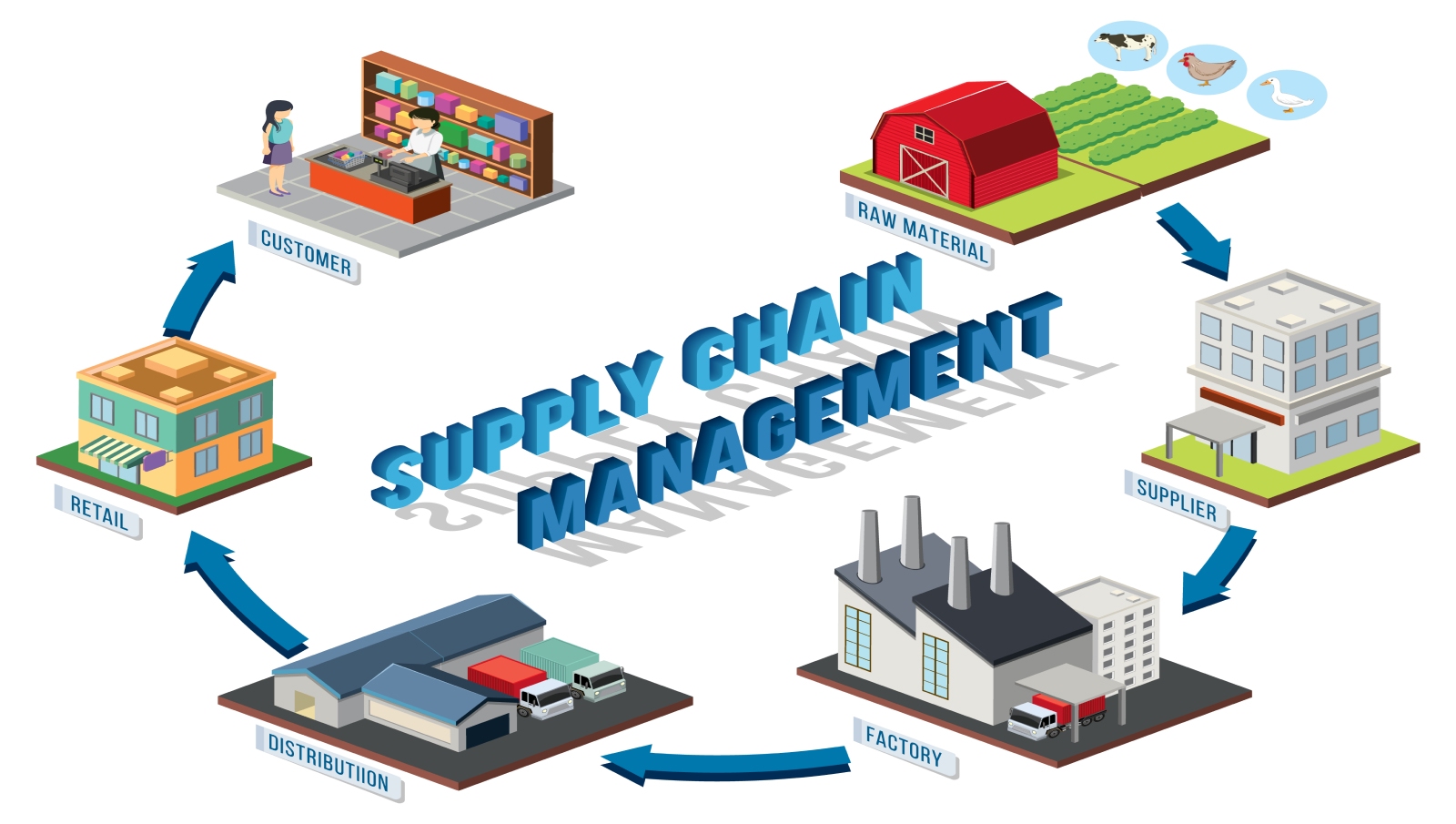
The relevance of Global Sources becomes particularly pronounced when we delve into the intricacies of the supply chain. A supply chain is essentially a network between a company and its suppliers to produce and distribute a specific product to the final buyer. This network includes different activities, people, entities, information, and resources. It is the complete process from sourcing raw materials to delivering the finished product to the consumer.
In the context of globalization, supply chains have become increasingly complex and international in scope. The role of companies like Global Sources has grown in importance as they provide critical services that facilitate international trade and the smooth operation of these global supply chains. Here's how Global Sources relates to and impacts the supply chain:
- Supplier Discovery and Verification: One of the most significant challenges in managing a global supply chain is identifying and vetting reliable suppliers. Global Sources offers a platform where verified suppliers can showcase their products, which helps buyers in making informed decisions without the need to travel to the supplier's location.
- Product Sourcing: Buyers can use Global Sources to find products that meet their specific needs. The platform provides detailed information about products and suppliers, including company profiles, product specifications, and customer feedback.
- Market Trends Analysis: Keeping up with market trends is vital for businesses to stay competitive. Global Sources provides insights into current industry trends, which can inform buyers about new product developments, emerging markets, and shifts in consumer demand.
- Trade Shows and Private Sourcing Events: Global Sources also organizes trade shows and private sourcing events which are pivotal in bringing together suppliers and buyers. These events provide opportunities for networking, negotiations, and deal-making, which are essential for the development of a robust supply chain.
- Quality Control and Compliance: Ensuring product quality and compliance with international standards is a fundamental concern in supply chain management. Global Sources assists buyers in this regard by offering services that can help ensure suppliers meet certain standards.
- Logistics and Supply Chain Management Solutions: The company provides tools and services that aid in managing the logistical aspects of the supply chain. This includes shipping and logistics services that ensure the timely delivery of products.
- E-commerce Integration: As e-commerce continues to grow, integrating online platforms with the supply chain is crucial. Global Sources offers an online marketplace that complements physical trade shows, allowing for year-round sourcing opportunities.
- Risk Management: Dealing with multiple suppliers across different countries increases complexity and risk. Global Sources helps mitigate these risks by providing a platform that supports better communication and transparency between buyers and suppliers.
- Innovation and New Product Development: Suppliers on Global Sources often showcase their R&D capabilities and new products, which can be crucial for buyers looking to innovate and stay ahead of the competition.
- Strategic Sourcing: The platform enables strategic sourcing which involves making business decisions based on market intelligence provided by Global Sources, leading to more efficient and cost-effective supply chains.
In conclusion, Global Sources plays a multifaceted role in shaping global supply chains by offering a comprehensive suite of services that address the challenges of international trade. From supplier discovery to logistics management, it provides tools that enhance transparency, efficiency, and collaboration between buyers and suppliers. In an era where supply chains are not just linear but dynamic networks, platforms like Global Sources are indispensable for businesses looking to thrive in the global marketplace.
Conclusion
In conclusion, understanding the bullwhip effect is essential for any business that seeks to maintain an efficient and responsive supply chain management system. This phenomenon, characterized by amplified demand fluctuations up the supply chain, can lead to excessive inventory, suboptimal service levels, and ultimately, higher costs and decreased customer satisfaction.
To mitigate the bullwhip effect, companies must adopt a proactive approach that includes improved communication, demand forecasting, order policy optimization, and strategic inventory management. Embracing new technologies such as big data analytics, AI, and IoT can also provide real-time visibility and predictive insights that enable more agile and informed decision-making.
By fostering a collaborative environment among all supply chain participants and continuously evaluating the supply chain processes, businesses can not only reduce the impact of the bullwhip effect but also enhance their overall supply chain resilience. The key lies in understanding that supply chain management is not just about managing materials and goods but also about managing information and relationships.
As the global economy continues to evolve and consumer demands become more complex, mastering the intricacies of the bullwhip effect will remain a vital component of successful supply chain management. Companies that can anticipate and counteract these fluctuations will stand at the forefront of their industries, ready to deliver excellence to their customers without the constraints of supply chain inefficiencies.
Also Read:
- Supply Chain Trends 2024
- Supply Chain Resilience & Technology
- Logistics Industry Trends
- Future of Supply Chain Management
- Sourcing Strategy Examples
- Sole vs Single vs Multiple Sourcing
- Strategic Sourcing Framework
- Bullwhip Effect Explained
- Value Chain vs Supply Chain
- Wholesale vs Retail Strategies
- Develop Supply Chain Stability
- Key Supply Chain Trade Shows

