




As the global economy continues to integrate, the logistics industry has become a key link between the market and consumers. With the advancement of technology and the evolution of consumer demand, the logistics industry is facing unprecedented opportunities and challenges. This article will explore in detail the current and future trends in the logistics industry, analyze the impact of these trends on B-side enterprises, and put forward corresponding strategic recommendations to help enterprises optimize supply chain management, improve business efficiency and market competitiveness.
Table of Contents
Advances in logistics technology
Responding to challenges and opportunities

Key Logistics Industry Trends
Automation and Robotics
Logistics automation has been upgraded from simple mechanized operations to highly intelligent operations. In Amazon's distribution centers, Kiva robots are not only responsible for the handling of goods, but also optimize warehouse space utilization and improve operational efficiency. The application of this automation technology has greatly reduced manpower requirements, reduced operational errors, and increased the speed of order processing.
Enhanced Data Analysis
As the logistics industry's dependence on data deepens, the application of advanced analytical tools has become an indispensable part of enterprises. These tools can process large amounts of data, provide accurate demand forecasts and inventory management recommendations, thereby helping companies reduce inventory backlogs and improve response speed. For example, UPS has optimized its delivery routes by analyzing real-time data, saving millions of dollars in fuel costs each year.
Integration of artificial intelligence
AI technology is changing many aspects of the logistics industry, from intelligent route planning to automated customer service. AI systems can analyze traffic conditions in real time, dynamically adjust delivery routes, avoid congested areas, and reduce delivery time. In addition, AI-driven chatbots can provide 24/7 customer support and improve user experience.
Green logistics and sustainability
Environmental protection has become an important issue in the logistics industry. Many companies have begun to adopt measures such as electric vehicles, optimized packaging materials, and improved energy efficiency to reduce environmental impact. For example, DHL launched the GoGreen program, promising to reduce logistics-related carbon emissions to zero by 2050.
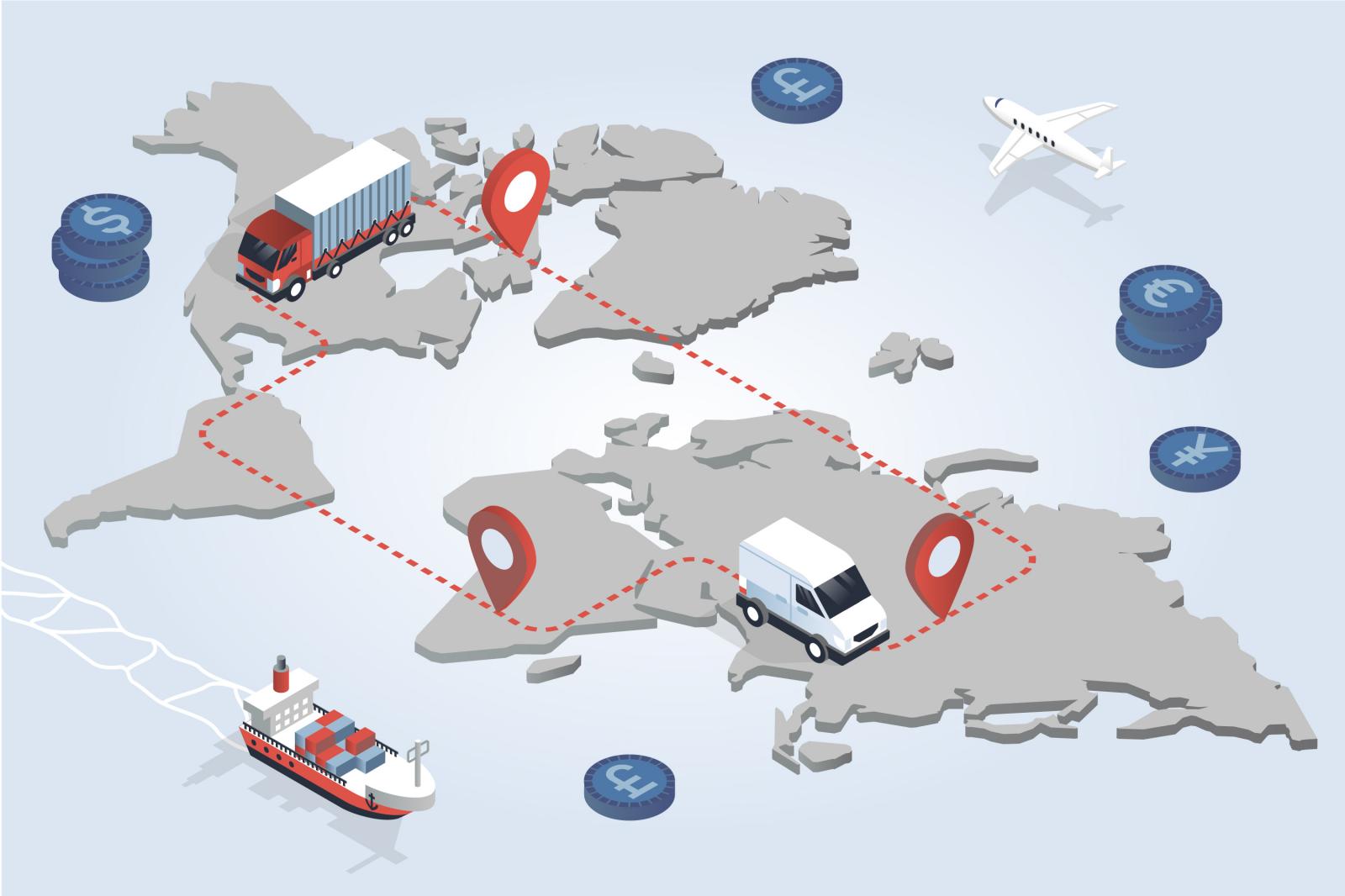
Advances in logistics technology
Application of the Internet of Things (IoT)
IoT technology enables real-time monitoring of the entire supply chain by installing sensors on goods, vehicles, and equipment. The data collected by these sensors can be used to monitor the status, location, and environmental conditions of goods to ensure the safety and integrity of goods during transportation. In addition, IoT can also help companies monitor equipment conditions in real time and prevent equipment failures.
Blockchain technology
Blockchain technology provides a secure and transparent way to keep records, which is particularly suitable for managing complex supply chains. Through blockchain, all transaction records are immutable, which enhances the trust of all parties in the supply chain. For example, Walmart uses blockchain technology to track the food supply chain to ensure food safety and traceability of sources.
Drones and autonomous vehicles
Drones and autonomous vehicles are bringing revolutionary changes to the express delivery industry. Drones are particularly suitable for the last mile delivery of small express deliveries and can quickly cross congested cities. Autonomous trucks have shown their potential in long-distance transportation, which can reduce labor costs and improve transportation efficiency.
Responding to challenges and opportunities
Complexity of global supply chains
Faced with the challenges brought by globalization, companies need to flexibly adjust their supply chain strategies to cope with the ever-changing international market environment. Diversified suppliers and production bases can help companies mitigate single market risks and improve the resilience of the overall supply chain.
Challenges of technology integration
Although new technologies bring great potential, they often face many challenges when integrated into existing systems. Companies need to invest in technology upgrades and employee training to ensure seamless integration of new and old systems and maximize the return on technology investment.
Dealing with economic fluctuations
During periods of economic uncertainty, companies should maintain supply chain flexibility and respond quickly to market changes. Adjusting inventory strategies or leveraging advanced forecasting tools can help companies better predict market demand and avoid problems with over-inventory or under-supply.
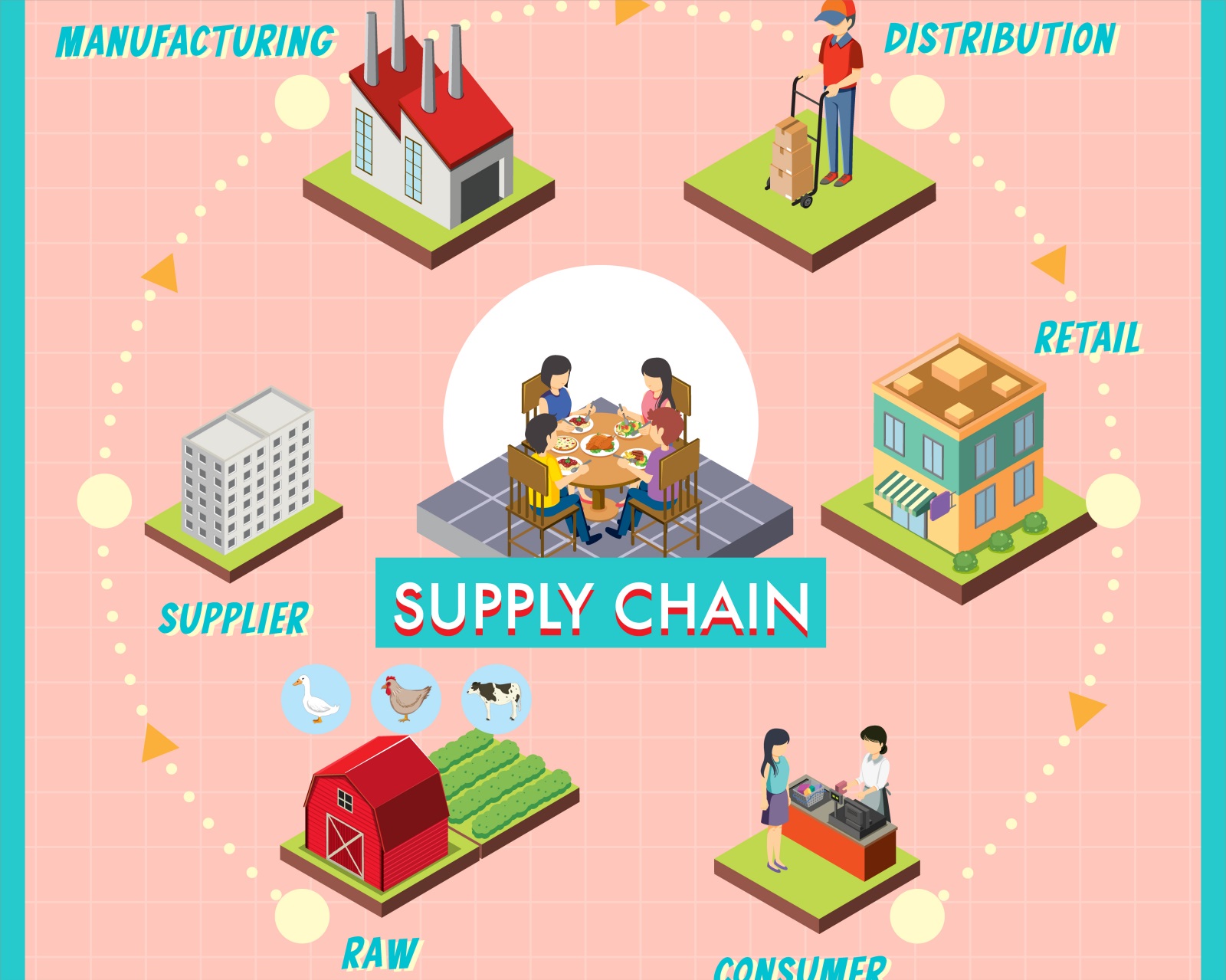
Future Outlook
With the continued advancement of technology and the increasing global attention to environmental protection, the logistics industry in the future will pay more attention to technology-driven and sustainable development. Companies need to actively explore and invest in cutting-edge technologies such as AI, IoT, and blockchain, while not forgetting to strengthen green logistics practices to improve efficiency and market competitiveness.
Conclusion
The future of the logistics industry will be shaped by technological innovation and the pursuit of sustainability. B-side companies must keep up with industry trends and constantly adjust and optimize supply chain strategies to respond to changing market demands and challenges. Through continuous innovation and improvement, companies can ensure that they stay ahead in a competitive market.
You May Also Like: Technology and Infrastructure Trends
- Electrical Industry Trends
- Chemical Industry Trends
- Building Industry Trends
- Telecom Industry Trends
- Trucking Industry Trends
- Oil and Gas Industry Trends
- IoT Industry Trends
- Aviation Industry Trends
- HVAC Industry Trends
- Logistics Industry Trends
- Warehouse Industry Trends
- Oil Industry Trends
- Manufacturing Industry Trends
- Wholesale Distribution Trends

