




In 2026, the importance of the trucking industry in the global supply chain and logistics system will be further consolidated, and the pace of transformation will accelerate. On the basis of the rapid development in recent years, automation, sustainability and efficiency are no longer just emerging trends, but have gradually become the core pillars of industry competition. With the support of governments, technology suppliers and logistics enterprises, the scale of the global trucking market is expected to continue to expand, and the penetration rate of technologies such as autonomous driving, electric trucks and smart logistics platforms will steadily increase, further enhancing the overall resilience and responsiveness of the supply chain.
Compared with previous years, the focus of the trucking industry in 2026 will shift more from “pilot and trial” to “scaled application and refined management”. On the one hand, autonomous driving and intelligent fleet management systems are expected to be more deeply integrated into daily operations, helping companies reduce costs while improving safety and service quality; on the other hand, under the dual constraints of environmental regulations and market expectations, green transportation and circular economy practices will be more widely implemented. Enterprises that can effectively combine automation, sustainability and efficiency will be better positioned in increasingly fierce global competition.
Against this background, the key development directions of the trucking industry in 2026 still revolve around automation, sustainability and efficiency improvements, but will present richer application scenarios and more complex regional characteristics. The following sections continue to analyze in detail the main trends in the trucking industry in 2025 from these dimensions, as well as regional trends, policy impacts and corporate response strategies, providing a useful reference framework for practitioners and policymakers when formulating their medium- and long‑term strategies.
In 2025, the importance of the trucking industry in the global supply chain and logistics will be further highlighted. Automation, sustainability and efficiency have become the main driving forces for the development of the industry. Relevant data show that the size of the global trucking market is expected to continue to grow, and technological innovation and policy support will further enhance the competitiveness of the industry. A report by McKinsey pointed out that by 2025, the annual growth rate of the global trucking market will reach 3.5%, and autonomous driving and electric trucks will become the main drivers of market growth.
This article aims to explore the main trends in the trucking industry in 2025, including automation, sustainability and efficiency. The article will be divided into three main parts, analyzing the current status, challenges and future prospects of each trend in detail, aiming to provide comprehensive insights and suggestions for industry practitioners and policymakers. By deeply analyzing these trends, this article hopes to help readers understand the future development direction of the industry and provide a reference for enterprises to formulate response strategies.
Table of Contents
Regional trends and challenges
Automation Trends
1. Development of Autonomous Driving Technology
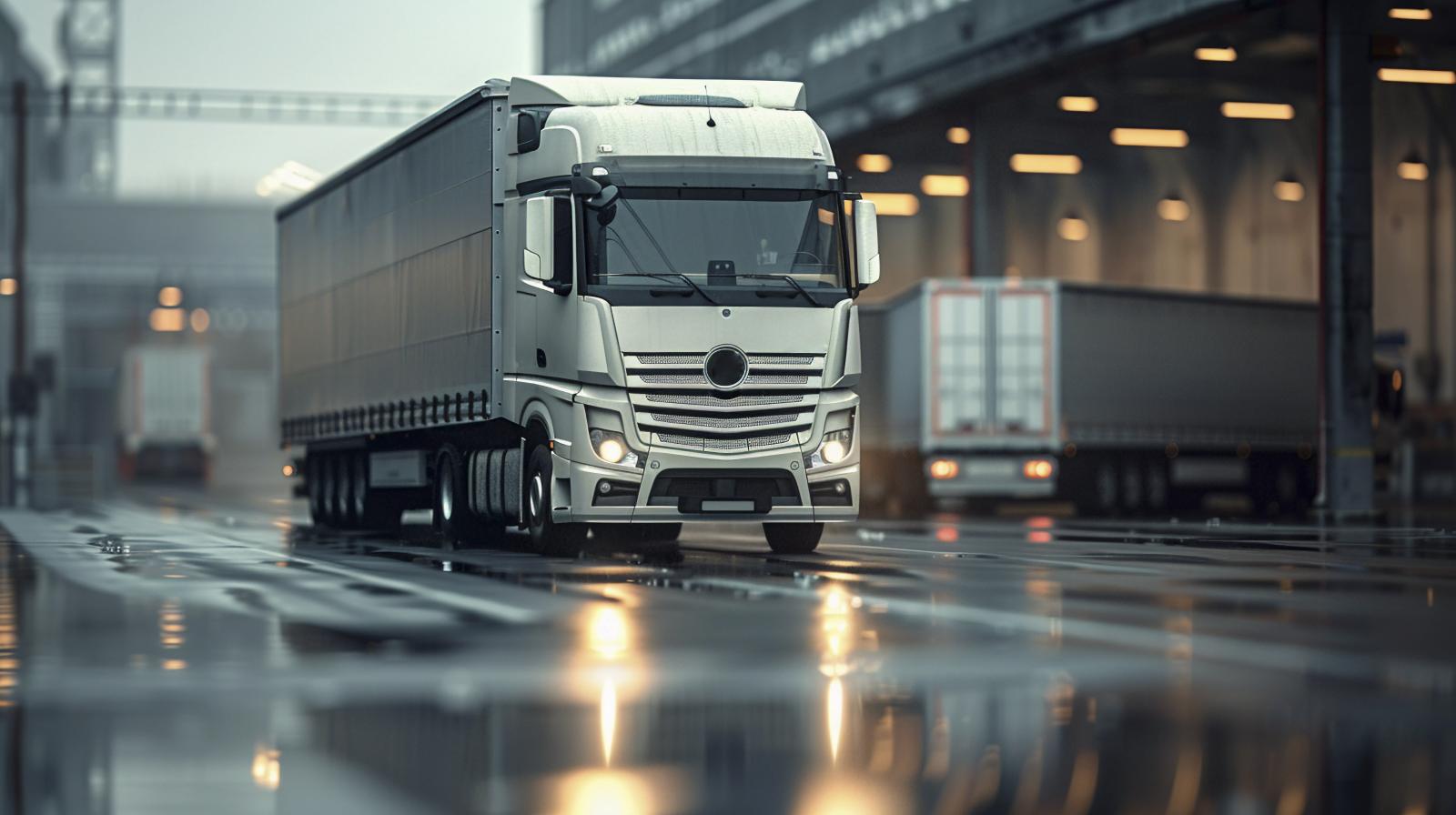
The application of autonomous driving technology in the trucking industry is gradually expanding. Major technology suppliers such as Waymo, Tesla and Embark are conducting large-scale pilot projects. The advantages of these technologies include improved safety, reduced labor costs and optimized driving time. For example, Waymo's autonomous driving trucks have been operating commercially in Arizona, USA, showing a good safety record and operational efficiency. However, technology maturity, regulatory barriers and public acceptance remain major challenges. The widespread application of autonomous driving trucks requires solving problems such as technical reliability, regulatory compliance and social acceptance.
2. Fleet Management System and Smart Logistics
Modern fleet management systems are powerful, including real-time monitoring, route optimization and maintenance management. Smart logistics optimizes transportation routes and improves transportation efficiency through data analysis and artificial intelligence. For example, companies such as UPS and FedEx have achieved remarkable results in practice and significantly reduced operating costs. Through its Orion system, UPS saves about 100 million miles (about 160 million kilometers) of driving distance each year and reduces carbon emissions by about 10,000 tons. Smart logistics not only improves operational efficiency, but also significantly improves environmental performance.
3. Future Outlook
In the next few years, automation technology is expected to achieve the popularization of fully autonomous driving and intelligent transportation systems. The impact of automation on the profession of truck drivers cannot be ignored, and companies need to develop training and career transformation plans to help drivers adapt to the new environment. For example, the Volvo Group has launched a driver training program to help existing drivers master autonomous driving technology. The company's response strategy to the automation trend should include technology investment and business transformation to ensure competitiveness in technological changes.
Sustainability Trends
1. Green Energy and Electric Trucks
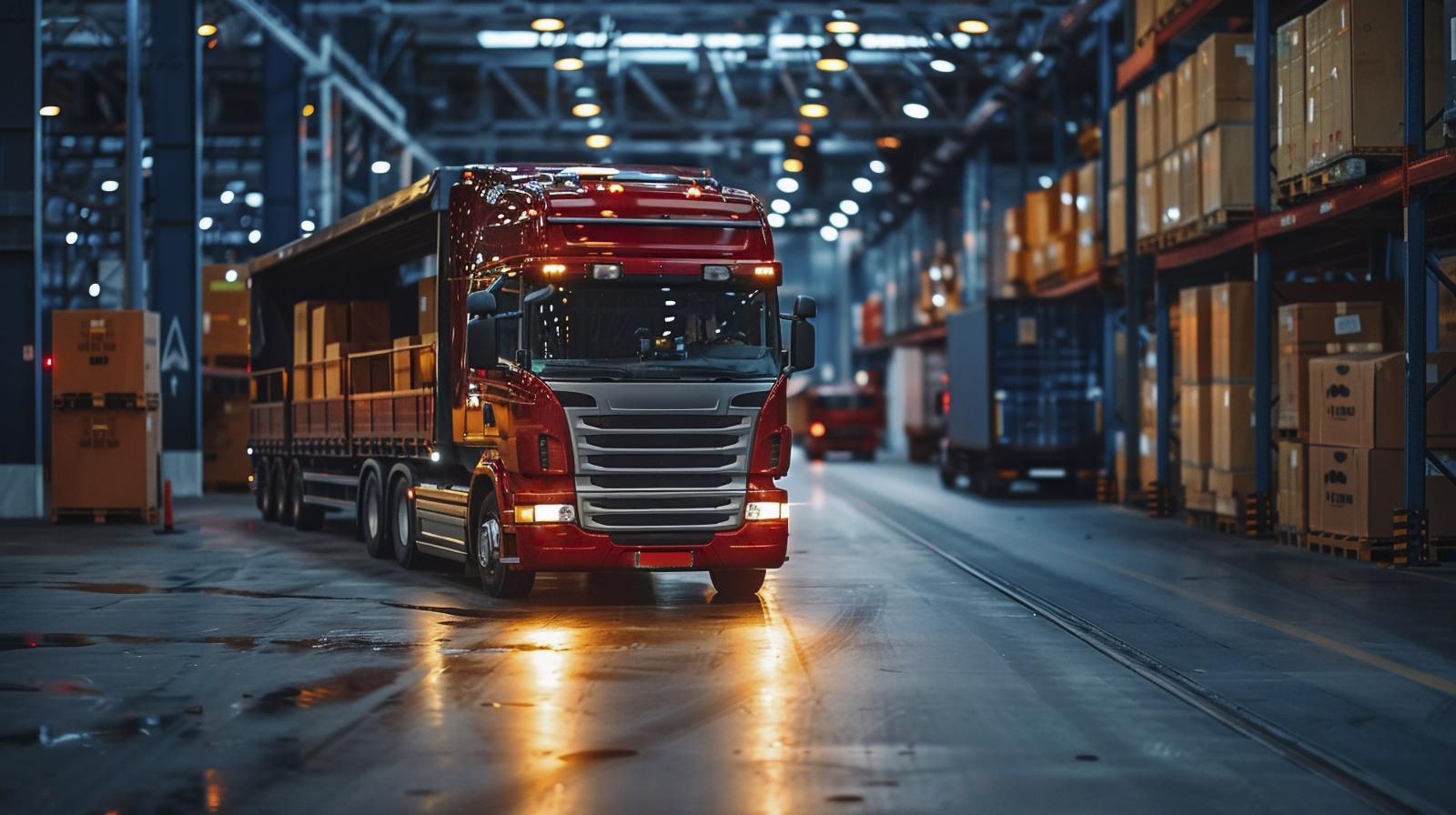
Electric trucks have significant advantages in reducing carbon emissions. Major manufacturers such as Tesla, Nikola and BYD are promoting the marketization of electric trucks. Tesla's Semi electric truck has been tested in many logistics companies and has shown high energy efficiency and economy. Green energy such as hydrogen fuel cells and biofuels are also being used in the trucking industry. Companies such as Toyota and Honda are developing hydrogen fuel cell trucks that are expected to be put on the market in the next few years. However, the infrastructure needs of electric trucks, such as the layout of charging stations and the energy supply chain, still need to be further developed. Governments and enterprises need to jointly invest in the construction of charging networks to ensure the widespread use of electric trucks.
2. Impact of environmental regulations and policies
Environmental regulations in major countries and regions have a profound impact on the trucking industry. For example, the EU's carbon emission standards and the US's clean energy policy are driving the industry's green transformation. The EU plans to reduce carbon emissions from newly sold trucks by 30% by 2030, which will force manufacturers to accelerate the research and development and production of electric trucks. Enterprises need to respond to increasingly stringent environmental requirements through technology upgrades and compliance management, which is particularly challenging for small and medium-sized enterprises. Small and medium-sized enterprises can jointly respond to the challenges brought by environmental regulations through cooperation and alliances.
3. Sustainable development strategy
Enterprises have adopted a variety of strategies and measures to achieve sustainable development, such as energy conservation and emission reduction, green logistics and circular economy. Remanufacturing and waste management are gradually becoming popular in the trucking industry. Leading companies such as Walmart and Maersk have demonstrated the actual effects and business value of sustainable development strategies. Walmart has reduced carbon emissions by tens of thousands of tons each year by optimizing transportation routes and using electric trucks. Green logistics not only helps protect the environment, but also enhances the brand image and market competitiveness of enterprises.

Efficiency improvement trend
1. Logistics network optimization
Logistics network optimization technologies such as big data analysis, artificial intelligence and blockchain play an important role in improving transportation efficiency and reducing costs. For example, Amazon has significantly improved logistics efficiency and reduced operating costs through dynamic route planning and intelligent warehousing. Amazon's Kiva robot system automatically sorts and transports goods in warehouses, greatly improving warehousing and distribution efficiency. Logistics network optimization can not only improve operational efficiency, but also significantly reduce carbon emissions and energy consumption.
2. Intelligent cargo tracking and management
Intelligent cargo tracking technologies such as RFID, GPS and the Internet of Things are widely used in supply chain management. Intelligent cargo management systems improve the transparency and efficiency of the supply chain, and real-time monitoring and automated processing significantly improve customer satisfaction and service quality. For example, Maersk has achieved real-time tracking and management of goods through its Tradelens platform, improving the transparency and efficiency of the supply chain. Intelligent cargo tracking can not only improve operational efficiency, but also significantly improve customer satisfaction.
3. Operational cost control
Reducing operating costs through technology and management means is the focus of enterprises. Improving fuel efficiency and reducing empty load rates are common strategies, such as energy-saving driving and fleet optimization. Successful cases such as DHL have demonstrated the actual effect and economic benefits of cost control strategies. DHL saves millions of dollars in fuel costs each year by implementing energy-saving driving training and optimizing transportation routes. Operational cost control can not only improve the profitability of enterprises, but also enhance market competitiveness.
Regional trends and challenges
1. North American market dynamics
The North American trucking market faces challenges such as aging infrastructure and driver shortages. However, leading trends in automation and sustainability, such as autonomous driving pilot projects and green energy applications, show great potential in the market. Waymo and Tesla have made significant progress in autonomous driving pilot projects in the North American market, demonstrating the application prospects of autonomous driving technology. Government support and market demand will drive the industry to further develop, especially in technological innovation and infrastructure construction.
2. Green transformation of the European market
The European trucking market has made significant progress in green energy and environmental regulations. Electric truck promotion and carbon emission trading are the main driving forces. The innovative practices of the European market in sustainable development, such as green logistics and circular economy, demonstrate the driving role of environmental protection policies. The EU's carbon emission trading system (ETS) has had a profound impact on the trucking industry, prompting companies to accelerate green transformation. Green transformation not only helps environmental protection, but also enhances the market competitiveness of companies.
3. Growth potential in the Asia-Pacific region
The Asia-Pacific trucking market has great growth potential, with the main drivers including economic growth and infrastructure investment. The rapid development of emerging markets such as China and India has driven the growth of trucking demand. However, technology gaps and market diversity are unique challenges. Government support and market demand will drive the development of the Asia-Pacific market. Companies in the Asia-Pacific region need to improve market competitiveness and operational efficiency through technology introduction and localized innovation.
Also Read:
- Trucking Industry Trends 2024
- Top Trucking Trade Shows 2024-2025
- Top 10 China Truck Brands
- Best Diesel Truck Engines Guide
- Mining Trucks Buyer's Guide
FAQS
1. What impact do policies and regulations have on the development of the trucking industry?
Policies and regulations play an important role in promoting the development of the industry. Environmental regulations and automation policies will continue to drive the industry's transformation to low-carbon and intelligent. Policymakers should provide technical support and market incentives to promote companies to invest in new technologies and green transportation.
2. What are the sustainable development strategies of the trucking industry?
Enterprises have adopted a variety of strategies and measures to achieve sustainable development, such as energy conservation and emission reduction, green logistics and circular economy. Remanufacturing and waste management are gradually becoming popular in the trucking industry, and leading companies such as Walmart and Maersk have demonstrated the actual effects and business value of sustainable development strategies.
3. What are the advantages of electric trucks in the trucking industry?
Electric trucks have significant advantages in reducing carbon emissions, reducing fuel costs and reducing noise pollution. Major manufacturers such as Tesla, Nikola and BYD are promoting the marketization of electric trucks. However, the widespread use of electric trucks also requires solutions to issues such as charging infrastructure and battery technology.
Future Outlook
1. Long-term development prospects of the industry
The long-term development prospects of the trucking industry in terms of automation, sustainability and efficiency are optimistic. New trends and technological breakthroughs that may emerge in the next few years, such as intelligent transportation systems and driverless trucks, will further enhance the competitiveness of the industry. The key success factors for the industry in future development include technological innovation, environmental responsibility and efficiency improvement. Enterprises need to maintain market competitiveness and operational efficiency through technology investment and business transformation.
2. Enterprise response strategies
Enterprises should develop clear strategies in response to industry trends and challenges, such as technology investment and business transformation. Technological innovation, environmental responsibility and efficiency improvement are key. Successful cases such as Walmart demonstrate the actual effect and business value of corporate response strategies. Walmart reduces tens of thousands of tons of carbon emissions each year by optimizing transportation routes and using electric trucks. In addition, Walmart has invested in smart logistics systems and automated warehousing to improve operational efficiency and customer satisfaction.
Enterprises should focus on the following aspects:
Technology investment: Continue to invest in new technologies such as autonomous driving, electric trucks and smart logistics systems to maintain technological leadership.
Business transformation: Flexibly adjust business models according to market demand and technological development, such as transforming from traditional transportation to smart logistics and green transportation.
Employee training: Provide comprehensive training programs to help employees master new technologies and new skills and adapt to industry changes.
Partnerships: Establish close cooperation with technology suppliers, government agencies and other industry partners to jointly promote technological innovation and market development.
3. Future direction of policies and regulations
Future policy and regulatory changes will have a profound impact on the industry. Environmental regulations and automation policies will continue to drive industry development. Policymakers should provide technical support and market incentives to promote the healthy development of the industry. For example, the government can encourage companies to invest in green technologies and automated systems through tax incentives, subsidies, and R&D support.
Future directions for policy and regulation include:
Environmental policy: Continue to strengthen environmental regulations and promote the industry's transition to low-carbon and green, such as setting stricter carbon emission standards and promoting electric trucks.
Technical support: Provide support for technology research and development and application, such as setting up special funds and technology innovation platforms to promote the development of autonomous driving and intelligent logistics technologies.
Market incentives: Through tax incentives, subsidies, and market access policies, encourage companies to invest in new technologies and green transportation to enhance the overall competitiveness of the industry.
International cooperation: Strengthen international cooperation and exchanges, share technology and experience, and jointly respond to global industry challenges such as climate change and energy shortages.
Conclusion
This article explores in detail the main trends in the trucking industry in 2025, including automation, sustainability, and efficiency, aiming to provide comprehensive insights and suggestions for industry practitioners and policymakers. By enriching the content and levels, the article provides readers with an opportunity to gain an in-depth understanding of the future development direction and response strategies of the industry. Companies and policymakers need to work together to achieve healthy and sustainable development of the trucking industry through technological innovation, environmental responsibility and efficiency improvement.
You May Also Like: Technology and Infrastructure Trends
- Electrical Industry Trends
- Chemical Industry Trends
- Building Industry Trends
- Telecom Industry Trends
- Trucking Industry Trends
- Oil and Gas Industry Trends
- IoT Industry Trends
- Aviation Industry Trends
- HVAC Industry Trends
- Logistics Industry Trends
- Warehouse Industry Trends
- Oil Industry Trends
- Manufacturing Industry Trends
- Wholesale Distribution Trends

