




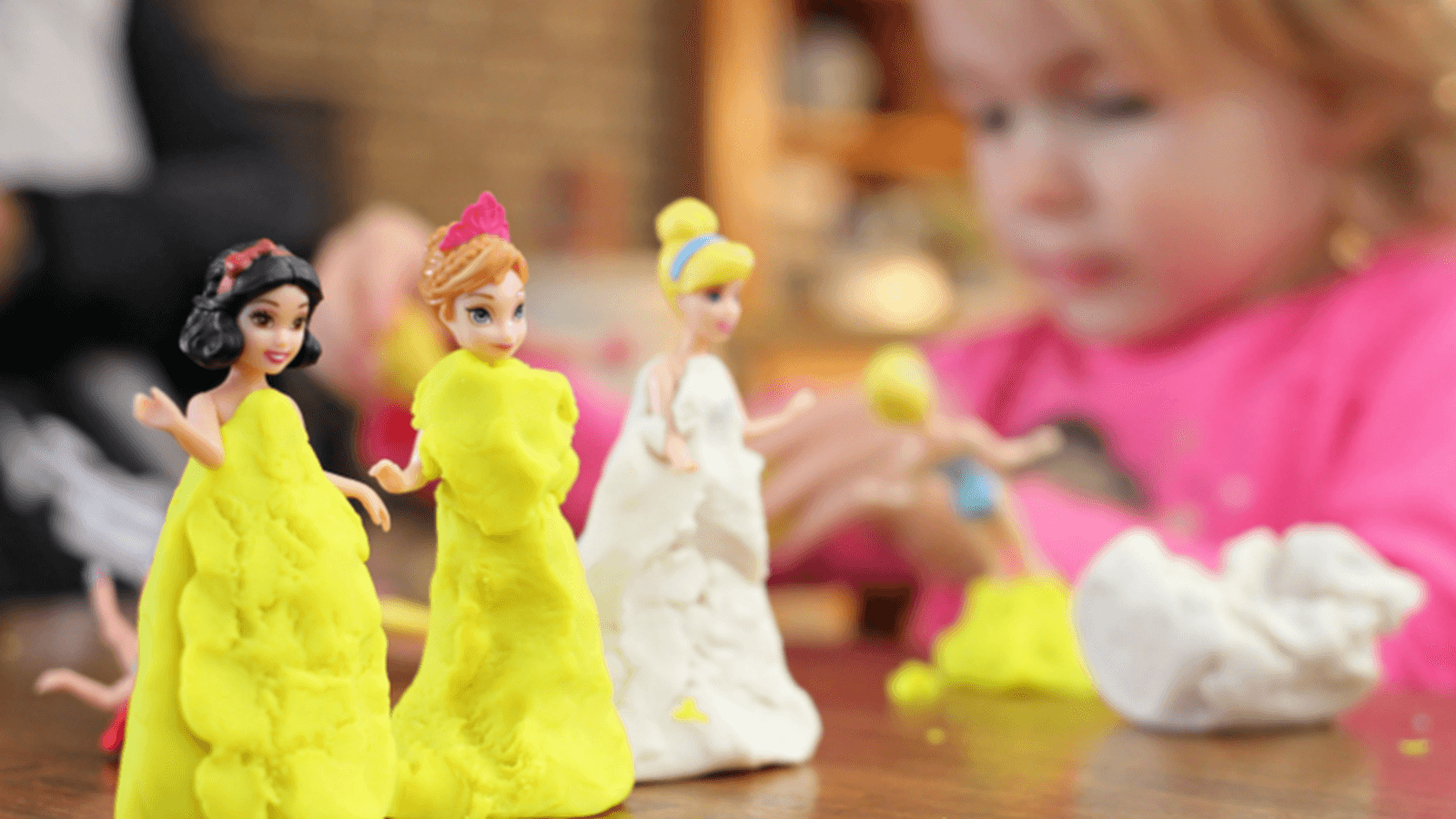
The toy industry, worth billions of dollars, is swiftly evolving due to societal, cultural and technological changes.
This article will explore the predicted toy trends of 2025, drawing insights from comprehensive research, surveys and expert opinions.
1. The Advent of Kidults
Rise of Adult Toy Consumers
The line between children's and adults' play is blurring. A recent survey of the US-based Toy Association, a trade association of toy industry professionals, indicates that close to 89 percent of parents are buying toys not just for their children, but also for themselves and other adults. This trend is expected to continue, with 53 percent of men and 48 percent of millennial parents planning to buy toys for themselves.
The Power of Kidults
The rising influence of “kidults” – a wide age spectrum that the Toy Association defines as people from 12 years of age to the elderly – is opening up new avenues for toy manufacturers. About 79 percent of parents believe that the stigma around older children playing with toys has reduced considerably. This shift in perception is leading to a boom in toys such as collectibles, games, and fidget toys that inspire play among teens and tweens.
2. Conscientious Consumerism
Values-Driven Purchasing
Parents are becoming more discerning about the companies they support. Around 31 percent of parents want to ensure that the company they purchase from aligns with their core values, according to the same Toy Association study Key themes that are predicted to influence toy purchases in 2025 include sustainability, diversity and representation.
Teaching through Toys
An increasing number of parents are buying toys designed to teach their children about diversity, equity, and inclusion. This demand is prompting toy manufacturers to create products that authentically address these social issues.

3. Educational Toys
Learning through Play
Parents understand the importance of play in their child's learning and development, leading to an increased demand for educational toys. Data from the Toy Association survey suggests that 81 percent of parents are likely to ensure they buy at least one toy with educational value.
Skill-Building Toys
Around 65 percent of parents consider how a toy can help build a skill set, particularly in areas like Science, Technology, Engineering, Arts and Mathematics (STEAM); cooking; sewing; baking and cleaning. Additionally, 51 percent of parents consider a toy's potential to promote mental well-being.
4. Pop Culture Influence
Nostalgia and Reinterpretation
Toys and pop culture have a symbiotic relationship. As seen in the fashion industry, toy manufacturers are reviving and reinterpreting toys from the 90s and Y2K era. Two in five parents admit they are likely to buy toys that they played with in their childhoods.
Gaming and Anime
There's a growing mainstream acceptance of franchises tied to gaming and anime, with 26 percent of parents likely to buy toys based on such content. This trend is expected to continue into 2025 and beyond.
5. Back to Basics
Self-Care through Play
As many as 79 percent of US parents view play as a vital form of self-care. During the pandemic, 77 percent of parents used toys to aid their child's social-emotional learning. This trend is expected to continue with a range of products that encourage healthy habits and introduce kids to new hobbies.
6. Tween Takeover
The Cool Factor
Social media is influencing tweens and teens to perceive a cool factor in collecting, customizing, and displaying toys. The toy industry is responding with an increased production of toys that cater to this demographic.
7. Authenticity Matters
Conscious Consumers
Shoppers are increasingly discerning and value authenticity. This year, consumers will look for toys that offer long-lasting play value and support companies with positive social impact.
8. Macro to Micro
From Jumbo to Miniature
There will be a surge in the popularity of toys. This trend will include a wide range of toys ranging from large plush toys and oversized versions of classic games to tiny craft projects and micro-sized collectibles. This trend is primarily driven by social media, where unique and unusual toys have the potential to go viral.
9. Pop Culture Lifestyle
Fandoms as Lifestyles
In 2025, fandoms are expected to evolve into lifestyles. Toymakers will tap into a wider array of fandoms and explore different verticals, including gaming and anime themes, social media aesthetics, and nostalgic relaunches.
10. Entertainment Update
Licensed Toys and Games
Licensed toys and games account for 31 percent of total toy sales. The toy market will continue to be influenced by upcoming movie and TV releases in 2025.
11. Movie and TV Franchise Tie-Ins
The Big Screen Effect
The pandemic caused delays in big-screen movie releases. However, with the resumption of blockbuster releases, revenue for toys based on movie characters is predicted to increase.
Streaming Service Influence
Streaming services like Disney+ and Netflix have released toys based on their original series. This strategy boosts engagement and drives returning viewers.
12. Environmental Considerations
Sustainable Toys
Toy manufacturers are committing to sustainability. For instance, Mattel has pledged to use 100 percent recycled, recyclable, or bio-based materials in its products and packaging by 2030.
Toy Subscription Services
Toy rental services offer a more eco-friendly alternative to buying toys. Parents can rent toys and reduce the environmental impact of discarded toys.
The toy trends of 2025 are expected to be influenced by technological advancements, societal changes, and environmental considerations. As the toy industry continues to evolve, it will be interesting to watch how these trends play out in the coming years.

