




Image from istockphoto.com
Al fresco entertainment is gaining popularity as people prioritize wellness, social connection and experiential living – driving demand for outdoor systems that rival indoor setups in quality and convenience.
From residential patios, decks and pool areas to commercial centers and sports venues, the shift toward open-air leisure environments reflects a broader lifestyle movement that values flexibility, ambiance and immersion. As technology adapts to meet these evolving expectations, outdoor televisions, speakers and TV antennas are no longer niche products – they are essential components of contemporary entertainment ecosystems.
Market forecast: strong growth across segments
The outdoor entertainment systems market is poised for robust expansion through 2025 and beyond, driven by consumer demand for smart, weather-resistant technologies and the growing popularity of outdoor living spaces in both residential and commercial settings. Increasing participation in outdoor activities – such as camping and hiking, concerts and festivals – also drives the market segments.
Outdoor speakers continue to gain traction across residential and event-based applications. According to Verified Market Reports, outdoor speakers are set to experience a CAGR of 8.5 percent from 2026 to achieve a market size of $2.45 billion by 2033. Consumers are gravitating toward wireless, portable audio solutions that offer high-fidelity sound, long battery life and multi-speaker synchronization. In commercial environments, these speakers are increasingly used for ambient audio in outdoor dining areas, poolside zones and pop-up retail experiences. The integration of app-based controls and voice assistant compatibility further enhances their appeal.
Valued at $413.2 million in 2023, outdoor televisions are projected to expand at a CAGR of 9.2 percent from 2024 to 2030, based on data from Grand View Research. This growth is fueled by increased adoption in backyard theaters, sports arenas and hospitality venues amid the growing popularity of outdoor entertainment. Key innovations include high-brightness displays for full-sun visibility, superior sound systems, smart OS integration and ruggedized enclosures that withstand extreme weather conditions. The rise of outdoor digital signage in commercial settings also contributes to this upward trend.
Outdoor TV antennas are experiencing a resurgence amid increasing demand for high-definition visuals and better signal reception. According to Verified Market Reports, the global outdoor TV antenna market is expected to post a CAGR of 8.5 percent to expand from $1.2 billion in 2024 to $2.4 billion by 2033. A key growth driver is the consumer trend for cord-cutting (shifting away from cable subscriptions) in favor of free over-the-air or OTA broadcasting. Developments in antennas, such as high-gain technology, also drive market growth.
As demand accelerates across these segments, manufacturers are responding with increasingly sophisticated product offerings tailored to diverse use cases and performance expectations. The following section outlines key product trends in outdoor speakers, televisions and TV antennas organized by tier to support strategic planning and procurement.
Outdoor speakers
Outdoor speakers available in the market seek to meet the dual demands of portability and performance. Innovations in wireless connectivity, durability and immersive sound are reshaping both residential and commercial audio experiences. Bluetooth-enabled outdoor speakers remain the preferred choice for easy placement, offering robust weather resistance and hi-fi sound without the need for permanent wiring.
As of 2025, outdoor Bluetooth speakers have evolved to meet increasingly rigorous environmental standards. Most entry-level models now offer IPX5 to IP67 ratings, providing basic splash and dust resistance. Midrange and top-tier units typically meet IP67 or higher, ensuring full protection against dust ingress and immersion in water. This level of resilience makes them well-suited for unpredictable outdoor conditions, from beach outings to rainy patios.
Battery performance has improved across all tiers due to advances in Li-polymer chemistry. Entry-level speakers generally offer 10 to 20 hours of playback, while midrange models reach 20 to 30 hours and high-end units deliver 30 to 40 hours or more. USB-C fast charging is now common in midrange and premium segments, and many top-tier speakers double as power banks, allowing users to recharge mobile devices in remote or off-grid settings.
Connectivity has also advanced, with Bluetooth 5.3 and LE Audio becoming standard in midrange and high-end models, offering lower latency and improved energy efficiency. Entry-level units may still use Bluetooth 5.0 or 5.1, with limited codec support. High-fidelity codecs such as LDAC, aptX Adaptive and AAC are typically reserved for premium speakers, enabling superior audio quality across a wide range of devices and platforms.
In terms of sound design, 360-degree audio dispersion and passive bass radiators are increasingly found in midrange and high-end models, providing immersive soundscapes in open-air environments. Entry-level speakers may offer directional sound with basic bass enhancement. Multispeaker linking protocols – used to synchronize multiple units for scalable audio coverage – are generally available in midrange and premium products, making these systems ideal for larger gatherings or venue installations.
Finally, the physical design of outdoor speakers has become more rugged and versatile. Entry-level models often feature basic rubberized housings and carry loops. Midrange speakers add shock-resistant casings and improved portability, while top-tier units include modular mounting options, premium materials and enhanced durability. These value additions reflect a broader trend toward multifunctional use in hospitality patios, outdoor retail spaces and mobile event platforms.
Here are common specifications according to class:
Entry level/Basic
Battery life: 10 to 14 hours
IP rating: IPX5 +
Audio codecs: SBC, AAC (limited)
Connectivity: Bluetooth 5.0
Midrange
Battery life: 20+ hours
IP rating: IP67
Audio codecs: AAC, aptX
Connectivity: Bluetooth 5.3
Top tier
Battery life: 20 to 30+ hours
IP rating: IP67+
Audio codecs: LDAC, aptX Adaptive
Connectivity: Wi-Fi + Bluetooth 5.3
Outdoor TV sets
Available outdoor TV models have adopted high-brightness display technologies to ensure visibility in full daylight. Midrange and high-end models now feature Mini-LED or QLED panels with peak brightness ratings exceeding 2,000 to 3,500cd/sqm, making them suitable for direct sun exposure. Entry-level units, typically designed for shaded patios or partial sun, offer brightness levels in the 500 to1,000cd/sqm range. Anti-reflective coatings and low-iron glass are increasingly standard across all tiers to reduce glare and enhance contrast.
Panel advancements have focused on improving color volume, reducing motion blur and enhancing energy efficiency. Premium displays incorporate RGB Micro-LED or TriChroma LED technology, supported by AI-enhanced tone mapping for dynamic contrast and smoother gradients. Midrange models benefit from similar improvements, though with less granular control. Entry-level TVs generally rely on conventional LED panels with basic HDR support.
Form factors range from 43 to 75 inches, with top-tier units offering ruggedized aluminum chassis, integrated soundbars with Dolby Atmos and IP55 to IP66 weather ratings. These models are built to withstand -30 C to 50 C operating temperatures, corrosion and UV exposure. Midrange TVs typically include weather-resistant remotes and enclosures, while entry-level sets may require partial shelter and offer more limited environmental protection.
Wireless video transmission is becoming more common, especially in midrange and premium segments, where systems like Zero Connect and Wireless One Connect allow HDMI-free setups with up to a range of 10 meters. This simplifies installation and reduces cabling in open-air environments. Entry-level models generally rely on traditional wired connections.
Smart features are now standard across all tiers, though capabilities vary. Entry-level TVs support basic streaming and voice assistant integration. Midrange models add AI-driven upscaling, adaptive brightness and app-based controls. High-end units offer Wi-Fi and Bluetooth connectivity, multizone audio sync and compatibility with Alexa, Google Assistant and Apple AirPlay 2, along with advanced digital signal processing (DSP) for real-time tuning.
Here is a comparison of tiers by key specifications:
Entry level
Display technology: Standard LED, basic HDR
Peak brightness: 500 to 1,000cd/sqm
Panel enhancements: Basic tone mapping
Size range: 43 to 65 inches
Environmental rating: IPX4 to IP55
Operating temperature range: -10 to 40 C
Audio integration: Basic stereo or external speakers
Wireless transmission: HDMI only
Smart features: Basic streaming, voice assistant
Use case: Shaded patios, temporary setups
Midrange
Display technology: QLED, Mini-LED, HDR10+
Peak brightness: 2,000 to 3,000cd/sqm
Panel enhancements: AI-enhanced tone mapping
Size range: 50 to 75 inches
Environmental rating: IP55 to IP66
Operating temp range: -20 to 50 C
Audio integration: Integrated soundbar, Dolby Audio
Wireless transmission: Optional wireless, up to 10 meters
Smart features: AI upscaling, adaptive brightness
Use case: Poolside, semipermanent outdoor zones
Top tier
Display technology: RGB Micro-LED, TriChroma LED, advanced HDR
Peak brightness: 3,000 to 3,500cd/sqm
Panel enhancements: Dynamic contrast, motion blur reduction
Size range: 55 to 75+ inches
Environmental rating: IP66+
Operating temperature range: -30 to 50 C
Audio integration: Built-in Dolby Atmos, multizone sync
Wireless transmission: Wireless A/V systems standard
Smart features: Alexa, Google, AirPlay, DSP
Use case: hospitality venues, outdoor theaters, permanent setups
Outdoor TV antennas
Current outdoor antennas are increasingly engineered to support ATSC 3.0, the next-generation broadcast standard that delivers HDR video, enhanced audio and IP-based content integration. This upgrade enables antennas to deliver richer visuals and more immersive sound, making them viable alternatives to cable and satellite services. Midrange and top-tier models often include LTE filtering to reduce interference and support UHF/VHF reception at ranges up to 113km or 70 miles, while entry-level units typically offer more limited range and basic HD support.
A key trend is the emergence of hybrid streaming integration, where antennas are no longer passive receivers but part of a broader content ecosystem. High-end models now allow seamless switching between OTA and IP-based streaming, offering redundancy and content diversity. These features are especially valuable in commercial settings like hospitality venues or remote installations.
Mounting options have also evolved. Entry-level antennas often use simple mast or wall mounts, while midrange and premium units feature aerodynamic housings, corrosion-resistant materials and low-profile omnidirectional designs for urban deployments. Directional models remain preferred in rural or mountainous regions, where signal density is low and active amplification is required to maintain consistent reception.
Deployment strategies vary by geography and infrastructure. Urban environments benefit from compact, omnidirectional antennas that minimize visual impact and simplify installation. In contrast, rural installations demand high-gain directional units with robust environmental protection and extended range.
Below is a comparison by tier:
Entry level
Signal support: ATSC 1.0 (basic HD)
Reception range: Up to 48km or 30 miles
Streaming integration: None
Mounting and build: Basic mast/wall mount, plastic housing
Use case: Budget-conscious consumers in urban areas
Midrange
Signal support: ATSC 3.0 (HRD, audio)
Reception range: 48km to 80km or 30 to 50 miles
Streaming integration: Limited (manual switch)
Mounting and build: Corrosion-resistant, aerodynamic form factor
Use case: Suburban homes, small businesses
Top tier
Signal support: Full ATSC 3.0 + IP content
Reception range: 80km to 113km or 50 to 70 miles
Streaming integration: Seamless hybrid switching
Mounting and build: Directional/omnidirectional, weather-resistant
Use case: Rural deployments, commercial installations
Conclusion
Outdoor entertainment systems in 2025 reflect a shift toward modular, high-performance and environmentally resilient components. Bluetooth speakers now feature multidevice pairing, advanced codec support and extended battery life, all housed in rugged, weather-resistant enclosures. Outdoor TVs deliver high-brightness visuals, smart OS integration and wireless connectivity, wrapped in sleek, weatherproof designs that suit both fixed and mobile installations. Meanwhile, outdoor antennas have evolved into hybrid signal platforms, supporting ATSC 3.0 and IP-based content, with mounting options optimized for urban rooftops, rural landscapes and commercial deployments.
As these technologies converge, the outdoor media landscape is entering a new phase of content-rich, location-agnostic entertainment, driving growth across both consumer and commercial sectors.
Below is a gallery of outdoor entertainment products from suppliers in China:
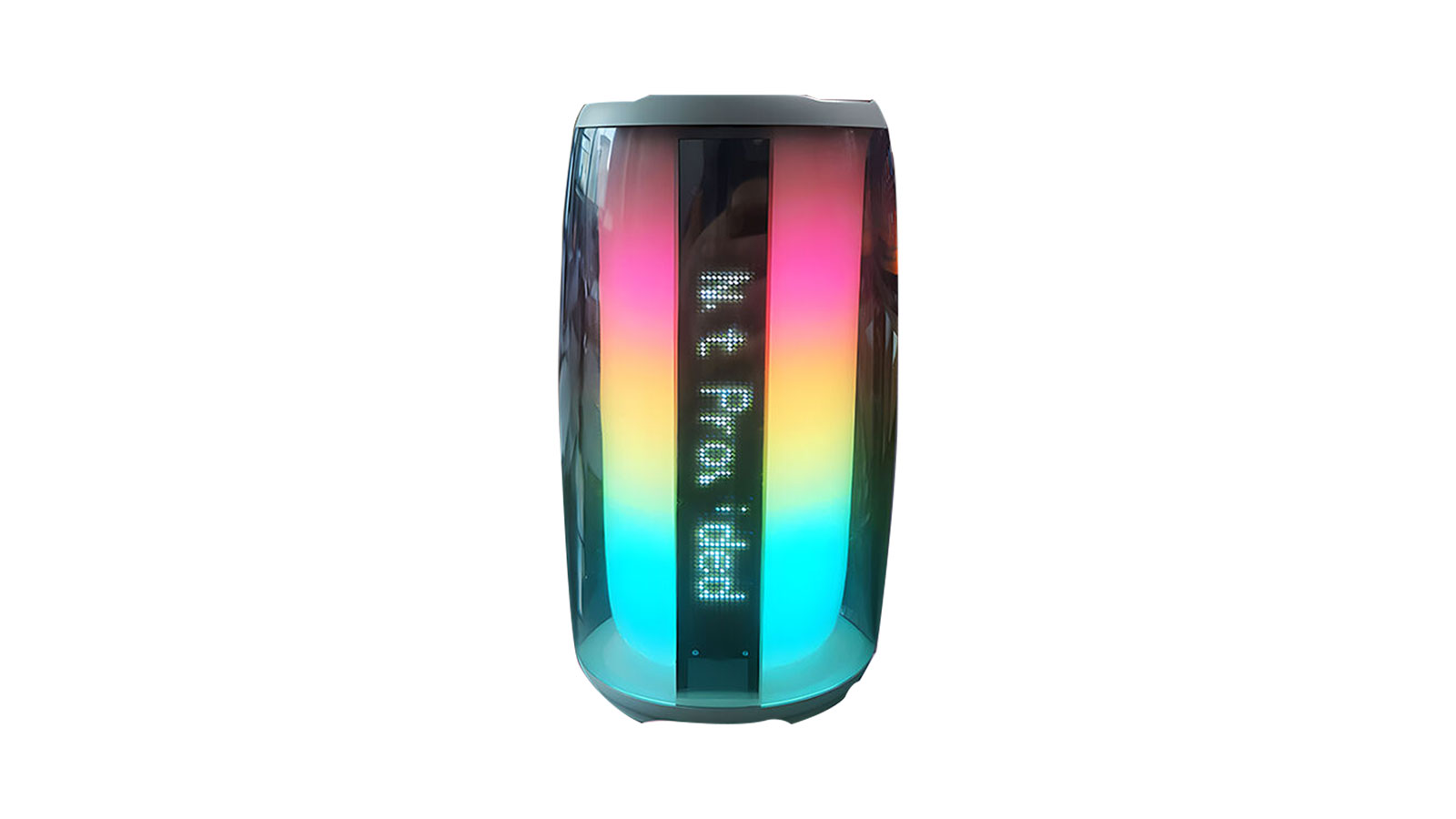
Nightlight, BT karaoke speaker
Company: Dongguan Peiyu Electronic Technology Co. Ltd
Model A39-2 from Dongguan Peiyu is a portable karaoke machine with RGB night-light effects, lyrics display, wireless charging and alarm clock function. It features Bluetooth 5.3, USB, TransFlash, AUX-in and Type-C inputs and supports dual microphones with five magic sound modes. This unit, compliant with FCC, CE and RoHS, includes a 2,000mAh battery, measures 108x108x215mm and weighs 500g.
MOQ: 1,000 units
Lead time: 7 to 30 days
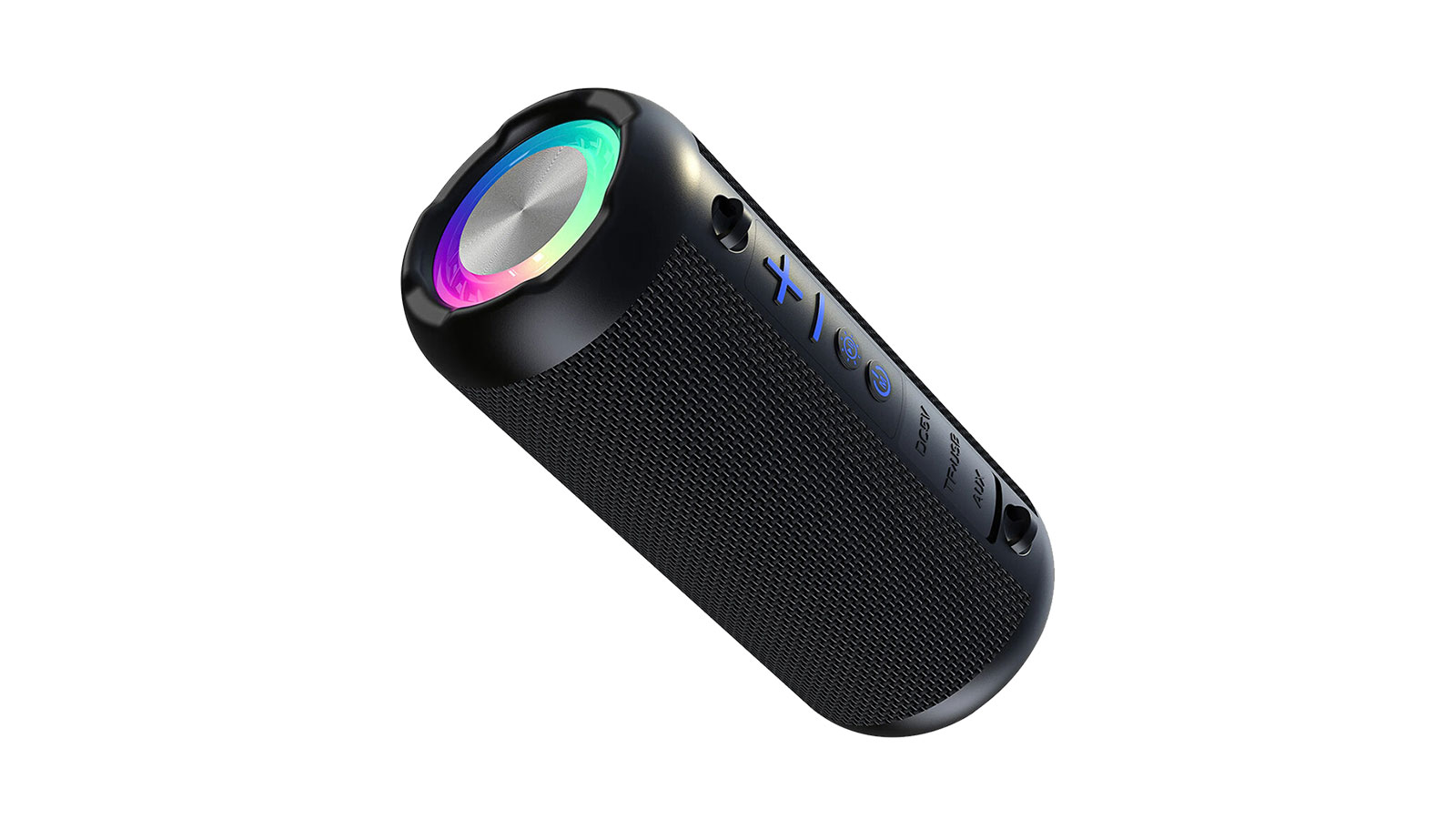
14W speaker with TWS, RGB lighting
Company: China Flame Group Ltd
From China Flame, model B608-36 is a compact Bluetooth speaker featuring dual 2.25-inch drivers with 14W output. It supports Bluetooth 5.0, USB, AUX, TransFlash card and TWS pairing. Built with ABS material, this black unit includes RGB lighting and a 2,400mAh rechargeable battery, and measures 206x90x95mm.
MOQ: 1,000 units
Lead time: 10 to 15 days
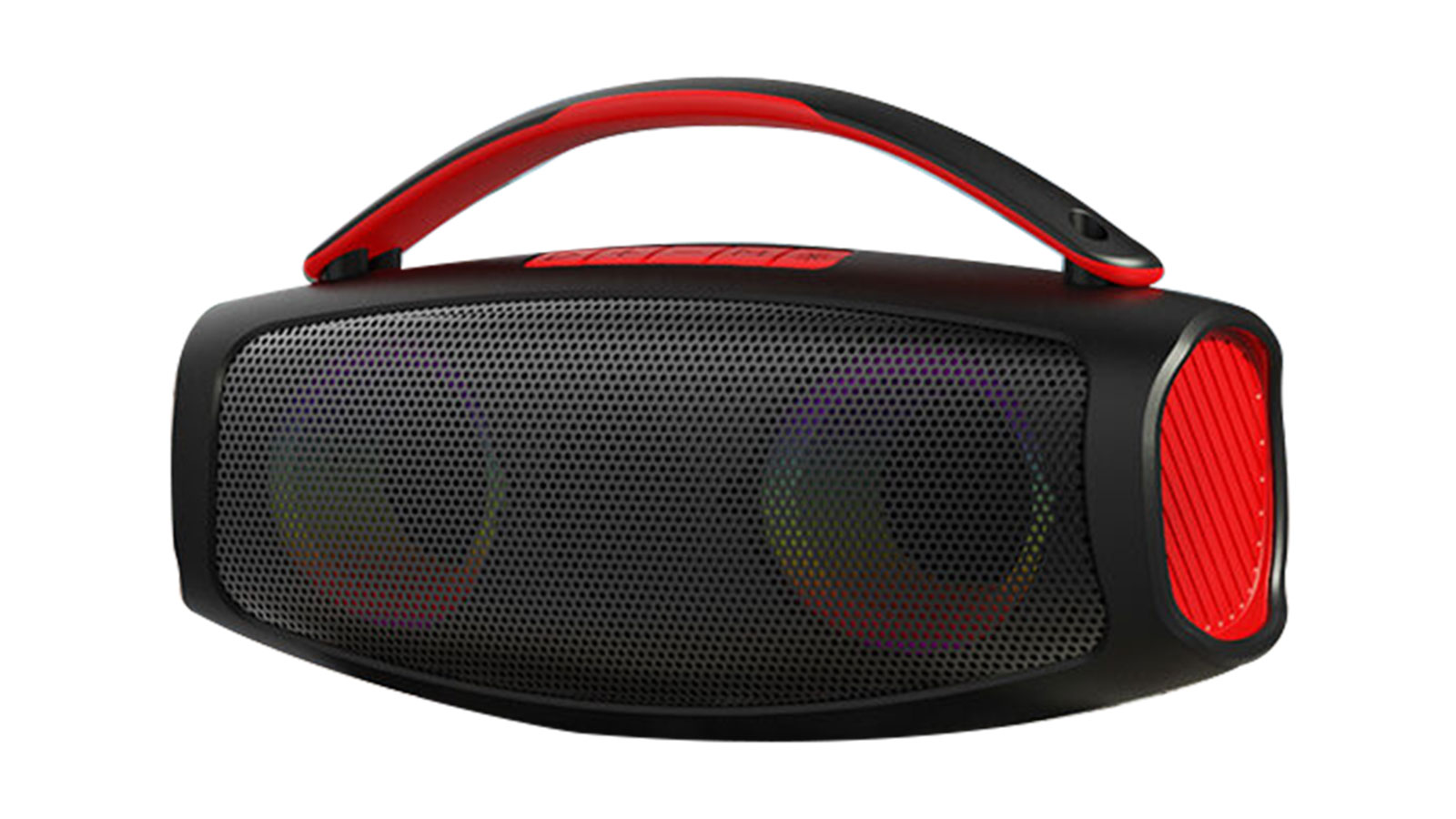
Mini hi-fi BT speaker with wireless charging
Company: Shenzhen Starshine Industrial Co. Ltd
Shenzhen Starshine’s model ST-X8-1686 is a portable Bluetooth 5.0 speaker offering 4D hi-fi stereo sound via a 45mm long-stroke driver and 40mm passive diaphragm. It supports Bluetooth, TransFlash card, AUX-in and optional FM radio. Housed in lightweight ABS, this unit features USB and wireless charging of a 2,000mAh Li-ion battery for up to 10 hours of use.
MOQ: 2 units
Lead time: 3 to 7 days
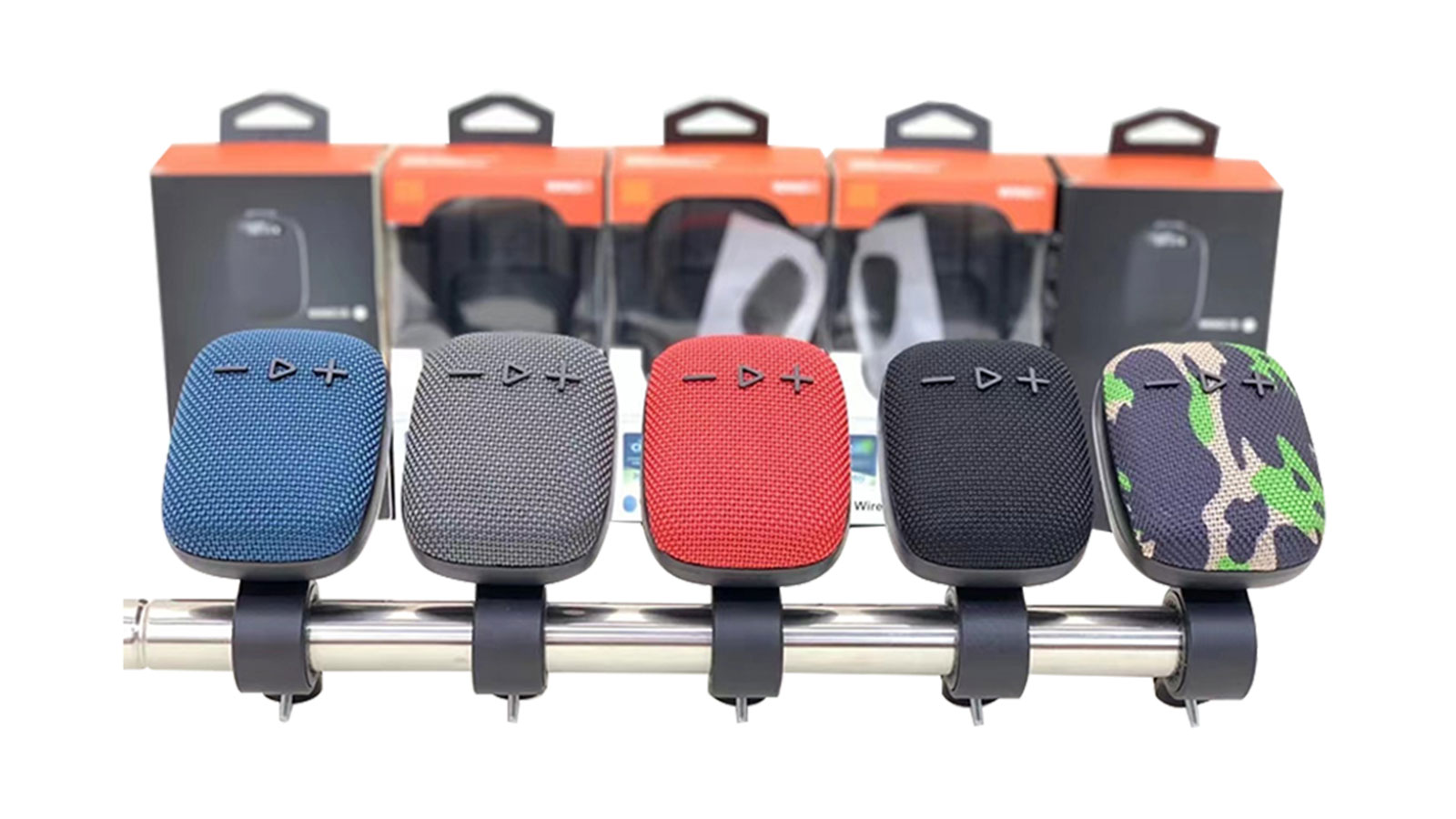
Compact BT speaker with TWS, FM support
Company: Shenzhen Winghoi Technology Co. Ltd
A portable Bluetooth 5.0 speaker, model WIND3 from Shenzhen Winghoi features a 45mm 3W driver and JL chipset with 10m transmission range. It supports TransFlash card, USB, FM radio and TWS pairing. Built with ABS, cloth mesh and rubber oil finish, this unit includes an 800mAh battery offering three to five hours of playback. Measuring 70x50x90mm and weighing 188g, it is available in black, red, blue, camouflage and gray and ships with a charging cable and a user manual.
MOQ: 100 units
Lead time: 5 to 25 days
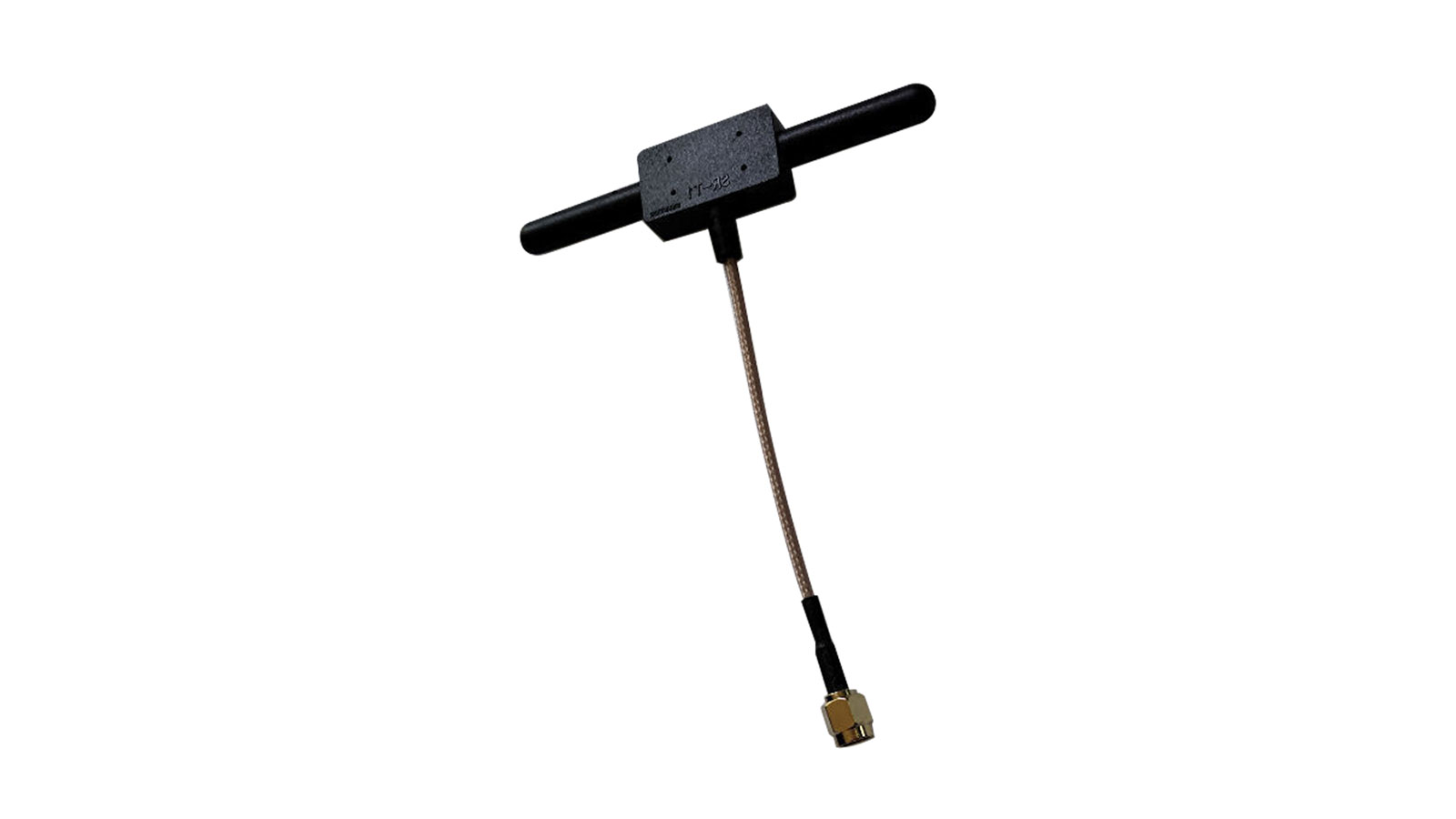
VSWR max 1.5 antenna
Company: Shenzhen Sinrui Technology Co. Ltd
The SRSHA-03-L01 from Shenzhen Sinrui is a sheep horn-style outdoor water-resistant antenna designed for signal enhancement across 800 to 2,170MHz. It has SMA or OEM connectors and a plastic radome in black. This 3.3 to 5VDC device, with vertical polarization, 50ohm impedance and ≤1.5 VSWR, operates in -40 to 85 C and 20 to 80 percent humidity. Dimensions are 140x40x31cm and weight is 3 kg. Gain, cable length and height are customizable.
MOQ: 10 units
Lead time: 7 to 21 days
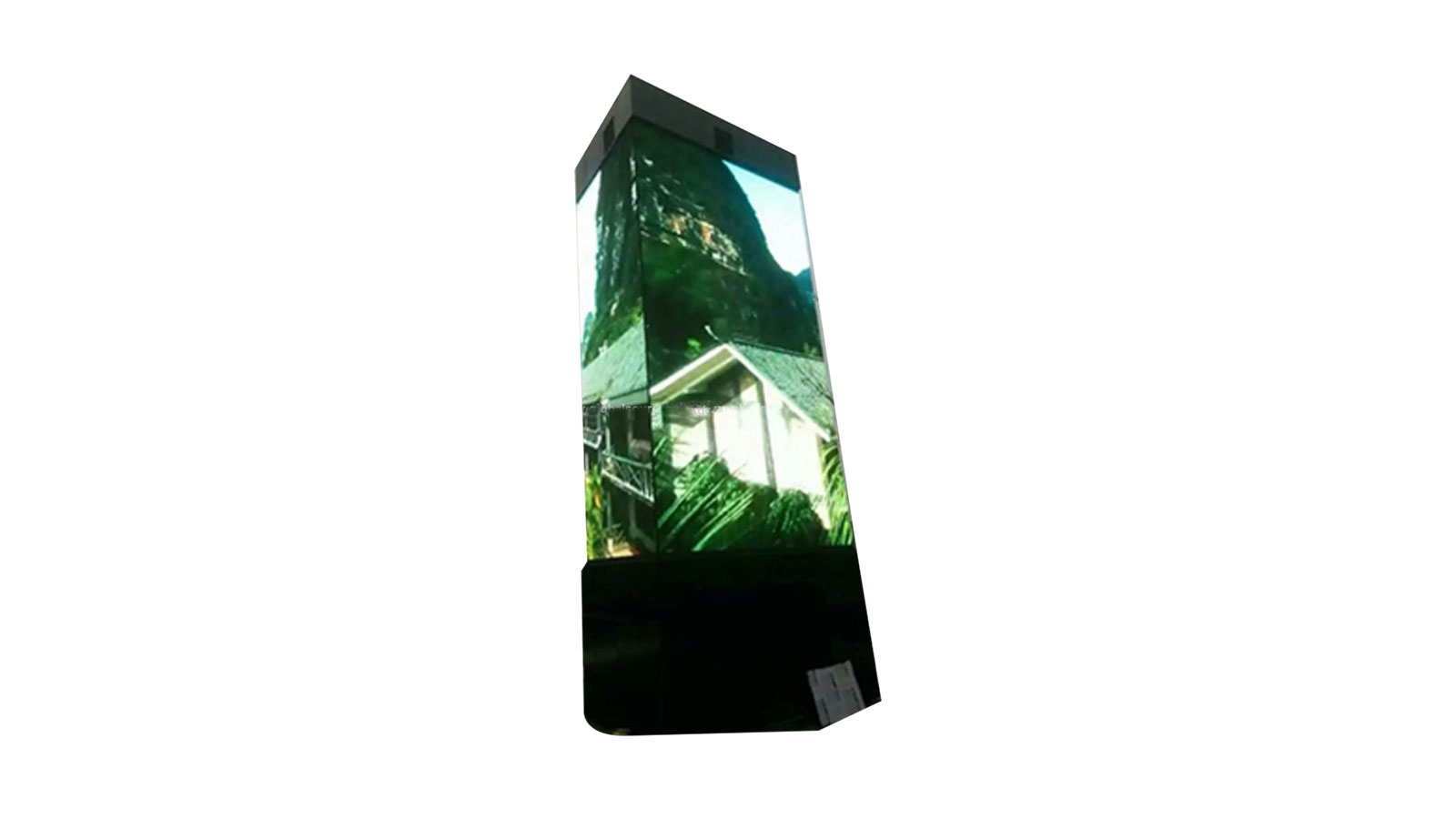
High-brightness, IP65 outdoor cube LED display
Company: Shenzhen Xing Guang Cai Technology Co. Ltd
Model SZXGC-P4 outdoor LED Display-0210 from Shenzhen Xing Guang Cai is an outdoor cube LED display consisting of 24 modules. Each 256x128mm module has 2525 SMD LEDs, 4mm pixel pitch, 64x32-dot resolution and 1/8 scan rate. This IP65 display, with optimum viewing distance of four to 50 meters, has more than 5,500cd/sqm brightness and 1,920 to 38,400fps refresh rate. It supports continuous operation over 72 hours with MTBF of over 10,000 hours.
MOQ: 10 units
Lead time: 7 to 15 days

