




In the modern business landscape, companies are increasingly being evaluated not just on their financial performance, but also on their environmental, social, and governance (ESG) practices. Understanding ESG is crucial for businesses aiming to attract investors, consumers, and partners who prioritize sustainability and ethical governance. This comprehensive guide will explore the components of ESG, its significance, how businesses can integrate ESG strategies, and the role of platforms like Global Sources in facilitating ESG compliance.
Understanding ESG: Breaking Down the Acronym
Environmental Factors: Beyond Carbon Footprints
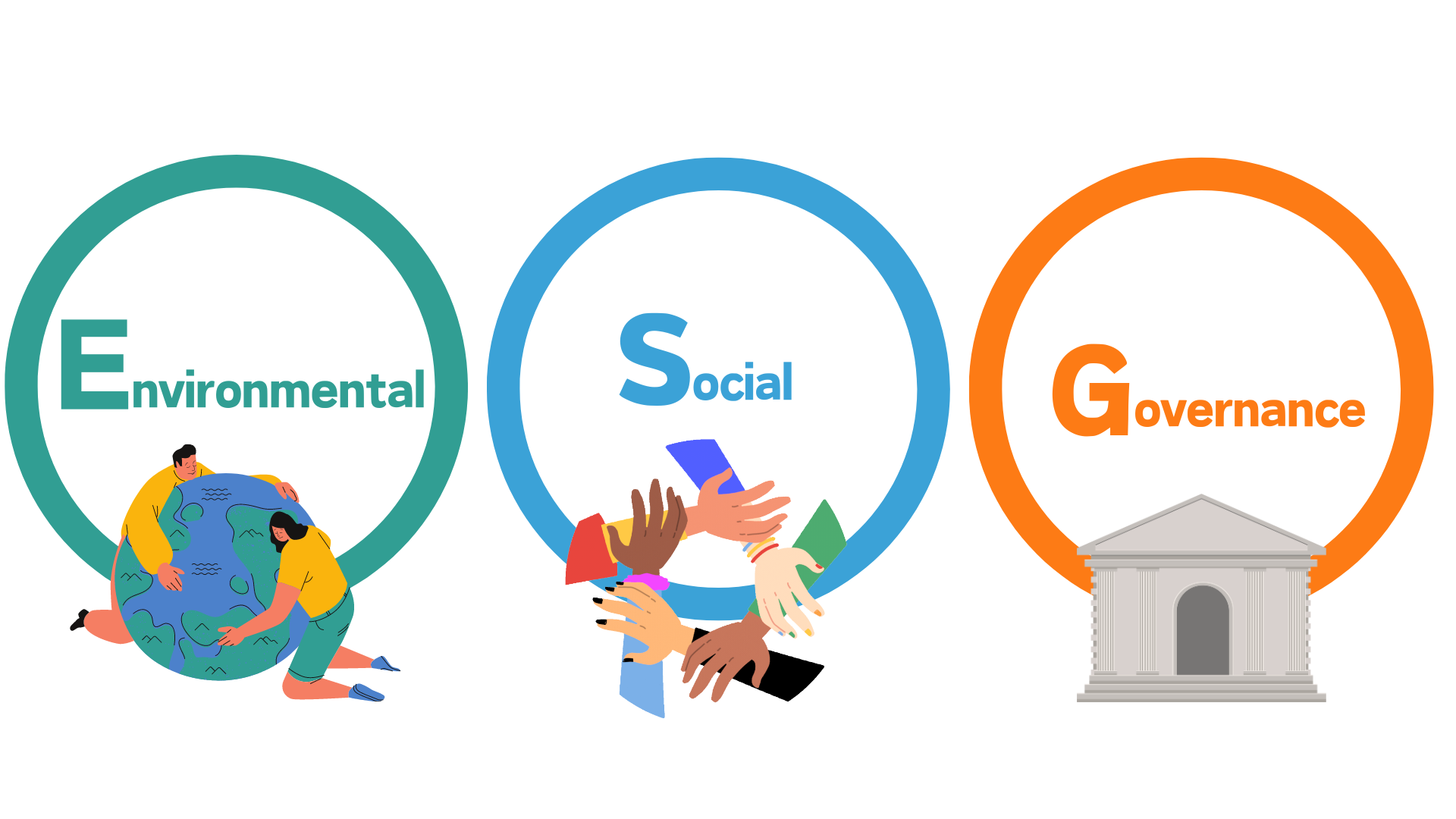
Environmental factors in ESG refer to how a company interacts with the natural environment. This includes not only carbon emissions but also water usage, waste management, and biodiversity conservation. Companies are expected to minimize their environmental impact through sustainable practices. For instance, reducing energy consumption, utilizing renewable energy sources, and ensuring efficient waste management can significantly lower a company’s ecological footprint.
Social Factors: Building Ethical and Inclusive Workplaces
Social factors focus on a company’s relationships with its employees, suppliers, customers, and the communities in which it operates. This encompasses labor practices, diversity and inclusion, human rights, and community engagement. Companies are encouraged to foster a positive workplace culture, ensure fair labor practices, and contribute to the social well-being of their communities. By prioritizing social responsibility, businesses can enhance their reputation and build trust with stakeholders.
Governance Factors: Ensuring Ethical Leadership
Governance involves the internal systems of practices, controls, and procedures a company adopts to govern itself, make effective decisions, comply with the law, and meet the needs of stakeholders. This includes board diversity, executive compensation, shareholder rights, and transparency in reporting. Strong governance practices ensure accountability and ethical decision-making, which are crucial for long-term success and investor confidence.
The Importance of ESG in Business
Attracting Investment: The ESG Advantage
Investors are increasingly incorporating ESG criteria into their decision-making processes. Companies with strong ESG practices are often seen as lower risk and more sustainable in the long term. ESG-focused investment funds have grown significantly, reflecting a shift towards responsible investing. Businesses that prioritize ESG can access a broader pool of capital and potentially enjoy a lower cost of capital.
Consumer Preferences: Meeting the Demand for Sustainability
Consumers are becoming more conscious of the environmental and social impact of their purchases. They prefer brands that align with their values, such as sustainability and ethical sourcing. By integrating ESG into their operations, companies can enhance brand loyalty and attract a customer base that values corporate responsibility. Highlighting ESG initiatives in marketing strategies can differentiate a brand in a competitive market.
Regulatory Compliance: Staying Ahead of the Curve
Governments and regulatory bodies worldwide are introducing stricter ESG-related regulations. Companies that proactively adopt ESG practices not only ensure compliance but also position themselves as leaders in their industries. Staying ahead of regulatory requirements can prevent legal issues and potential fines, while also enhancing a company’s reputation.
Implementing ESG Strategies: A Step-by-Step Approach
Conducting an ESG Assessment: Identifying Key Areas
The first step in implementing an ESG strategy is conducting a thorough assessment to identify areas of improvement. This involves evaluating current practices, setting benchmarks, and identifying key ESG factors relevant to the industry. Companies should engage stakeholders, including employees, investors, and community members, to gain insights and set realistic goals.
Setting ESG Goals and KPIs: Measuring Success
Once key areas are identified, companies should set specific, measurable, achievable, relevant, and time-bound (SMART) goals. Establishing key performance indicators (KPIs) for each ESG factor allows businesses to track progress and make necessary adjustments. Regular reporting and transparency are essential to maintain stakeholder trust and demonstrate commitment to ESG objectives.
Integrating ESG into Business Operations: From Policy to Practice
Integrating ESG into business operations requires a comprehensive approach that includes policy development, employee training, and operational changes. Companies should develop ESG policies that align with their values and business objectives. Training programs can help employees understand their role in achieving ESG goals. Operational changes might include adopting sustainable supply chain practices, improving energy efficiency, and enhancing diversity and inclusion efforts.
Leveraging Technology for ESG: Innovations and Tools
Technology plays a crucial role in ESG implementation. Companies can use data analytics to track ESG performance, identify trends, and make informed decisions. Innovations such as blockchain can enhance supply chain transparency, while artificial intelligence can optimize resource use and reduce environmental impact. Investing in technology not only supports ESG goals but also drives operational efficiency.
ESG Reporting: Communicating Your Commitment
Transparency and Accountability: The Role of ESG Reporting
ESG reporting is essential for communicating a company’s commitment to sustainability and ethical practices. Transparent reporting builds trust with stakeholders and demonstrates accountability. Companies should adhere to recognized reporting standards, such as the Global Reporting Initiative (GRI) or the Sustainability Accounting Standards Board (SASB), to ensure consistency and comparability.
Engaging Stakeholders: Building Relationships Through Communication
Effective ESG reporting involves engaging stakeholders through regular updates and open communication. Companies should provide detailed information on their ESG initiatives, progress, and future plans. Engaging stakeholders not only enhances transparency but also fosters collaboration and feedback, which can drive continuous improvement.
Highlighting Achievements: Showcasing ESG Success Stories
Highlighting ESG achievements in reports and marketing materials can enhance a company’s reputation and attract potential investors and customers. Success stories and case studies can demonstrate the tangible impact of ESG initiatives and inspire others to adopt similar practices. Celebrating milestones and recognizing employee contributions can also boost morale and reinforce a company’s commitment to ESG.
The Role of Global Sources in ESG Compliance
Connecting Buyers and Suppliers: A Platform for Sustainable Sourcing
Global Sources is a leading B2B platform that connects buyers and suppliers worldwide. By facilitating sustainable sourcing, Global Sources helps companies find suppliers that align with their ESG goals. The platform offers a wide range of products from verified suppliers, ensuring quality and compliance with environmental and social standards.
Providing Resources and Insights: Supporting ESG Integration
Global Sources provides valuable resources and insights to help businesses integrate ESG into their operations. From industry reports to expert advice, the platform offers tools and information to guide companies in their ESG journey. By staying informed about the latest trends and best practices, businesses can enhance their ESG strategies and achieve their sustainability objectives.
Enhancing Transparency: Building Trust Through Verified Information
Global Sources enhances transparency by providing verified information about suppliers and products. This transparency builds trust between buyers and suppliers and ensures compliance with ESG standards. By choosing Global Sources, companies can confidently source products that meet their sustainability criteria and contribute to their ESG goals.
Challenges and Opportunities in ESG Adoption
Overcoming Barriers: Addressing Common Challenges
Adopting ESG practices can present challenges, such as resource constraints, lack of expertise, and resistance to change. Companies can overcome these barriers by investing in training, seeking expert advice, and fostering a culture of sustainability. Collaboration with industry peers and participation in ESG networks can also provide support and share best practices.
Seizing Opportunities: Leveraging ESG for Competitive Advantage
While challenges exist, ESG adoption offers significant opportunities for competitive advantage. Companies that successfully integrate ESG can differentiate themselves in the market, attract top talent, and build stronger relationships with stakeholders. By leveraging ESG as a strategic asset, businesses can drive innovation, enhance resilience, and achieve long-term success.
Conclusion: The Future of ESG in Business
As ESG continues to gain prominence, businesses must adapt to meet the evolving expectations of investors, consumers, and regulators. By understanding and implementing effective ESG strategies, companies can enhance their reputation, drive sustainable growth, and contribute to a more equitable and sustainable world. Platforms like Global Sources play a crucial role in supporting businesses on their ESG journey, providing the tools and resources needed to succeed in the modern business landscape.
You May also Like:

