Table of Contents
What is Original Design Manufacturing (ODM)?
Step-by-step Breakdown of the ODM Process
Benefits of ODM for Businesses
Industries That Benefit from ODM
Choosing the Right ODM Partner
Challenges and Considerations in ODM
Finding ODM Suppliers on Globalsources.com
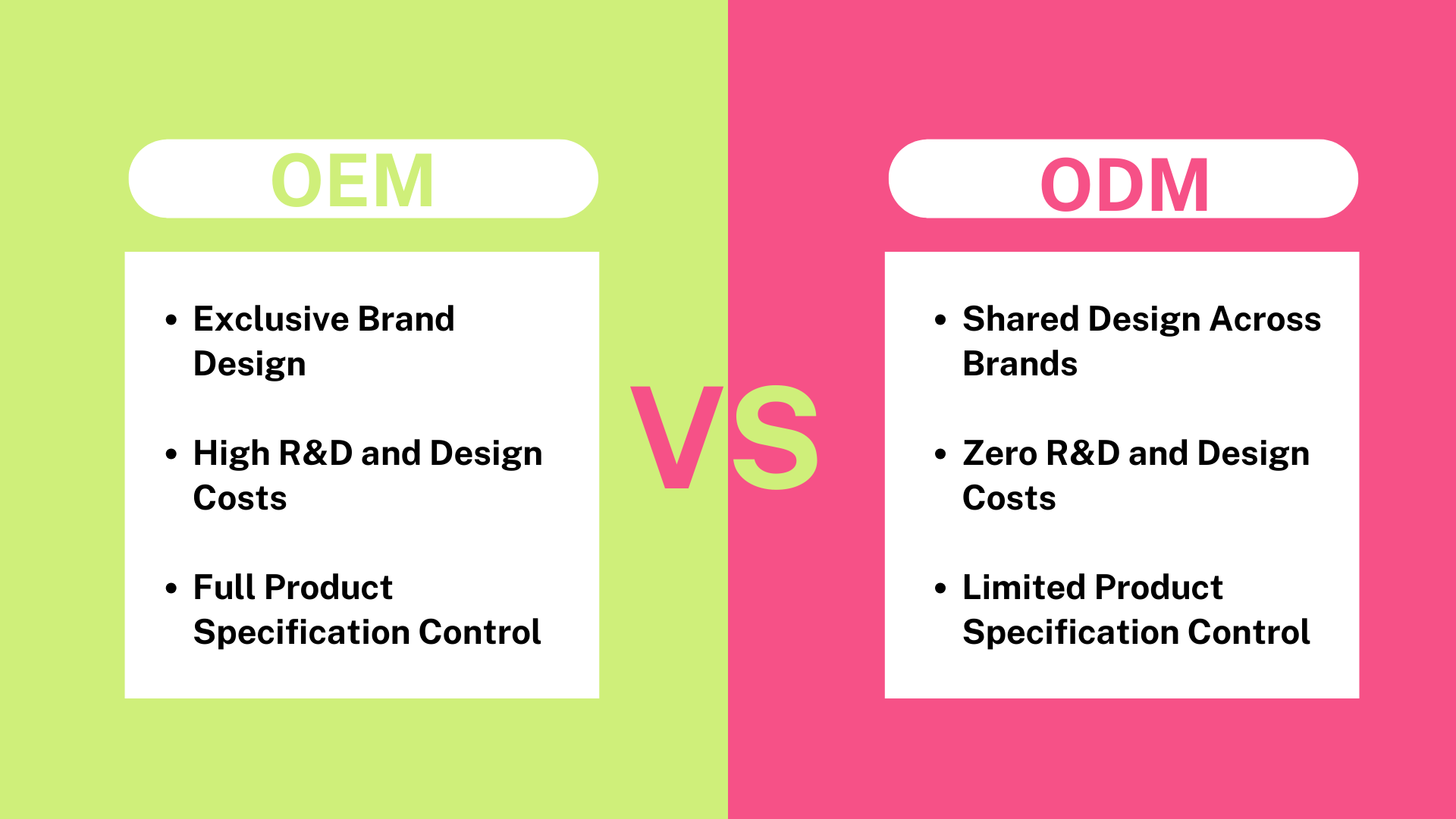
Original Design Manufacturing (ODM) represents a pivotal model in the manufacturing world, where companies design and manufacture a product to be branded by another firm for sale. This approach allows brands to leverage the expertise and capabilities of specialized manufacturers to bring products to market more efficiently. Unlike OEM (Original Equipment Manufacturing), where products are made according to the hiring firm's specifications, ODM offers companies a way to adopt existing designs and innovations, reducing development time and costs.
The advnatgaes of ODM apply to many industries, from electronics and consumer goods to fashion and beyond. It enables companies, especially those lacking in-house design capabilities or seeking to expand their product lines rapidly, to tap into the creativity and technical expertise of ODM providers. This collaboration can lead to the introduction of innovative products without the substantial investment typically required for research and development.
Furthermore, ODM plays a crucial role in facilitating global trade, allowing companies to enter new markets more swiftly and efficiently. By partnering with ODM firms, businesses can ensure product quality and compliance with international standards, leveraging the ODM's experience in manufacturing and regulatory requirements. In an increasingly competitive business environment, ODM offers a strategic advantage for companies looking to innovate, expand, and succeed.
What is Original Design Manufacturing (ODM)?
Original Design Manufacturing (ODM) is a business model that has become increasingly significant in the global manufacturing landscape. This model involves companies, known as ODMs, that design and manufacture a product which is then branded and sold by another firm. ODM services offer a comprehensive package, covering the product's conception, design, testing, and manufacturing. This approach allows the client company to market a new product without having to invest in research and development (R&D), design, and manufacturing facilities.
Definition of ODM
ODM stands for Original Design Manufacturing, a process where manufacturers design and produce products that are then branded by their clients. Unlike traditional manufacturing services, ODM providers take on the responsibility of R&D and product conceptualization based on their clients' specifications or market needs. The final product is sold under the brand name of the purchasing company but is entirely designed and built by the ODM service provider.
How ODM Differs from OEM
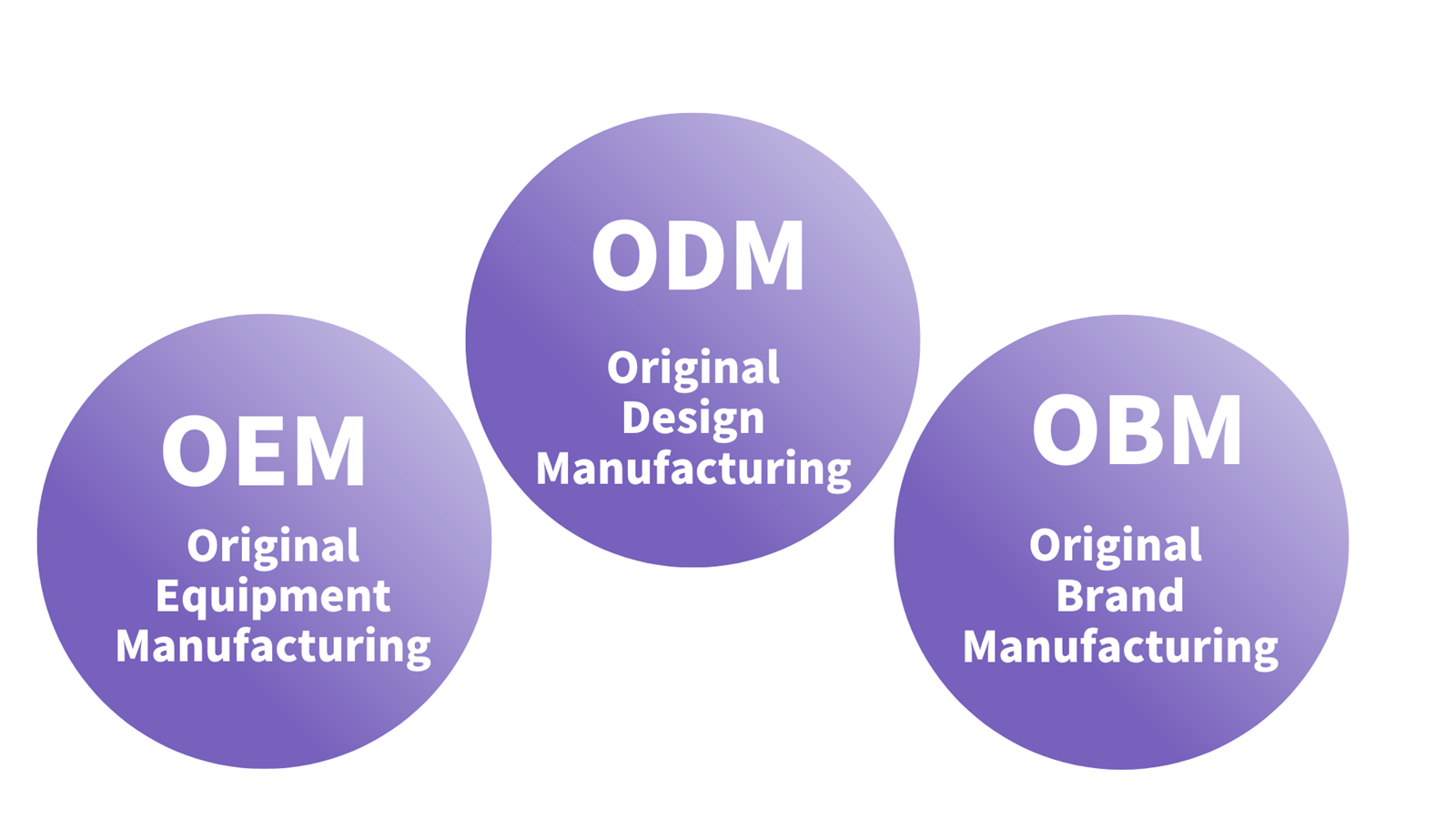
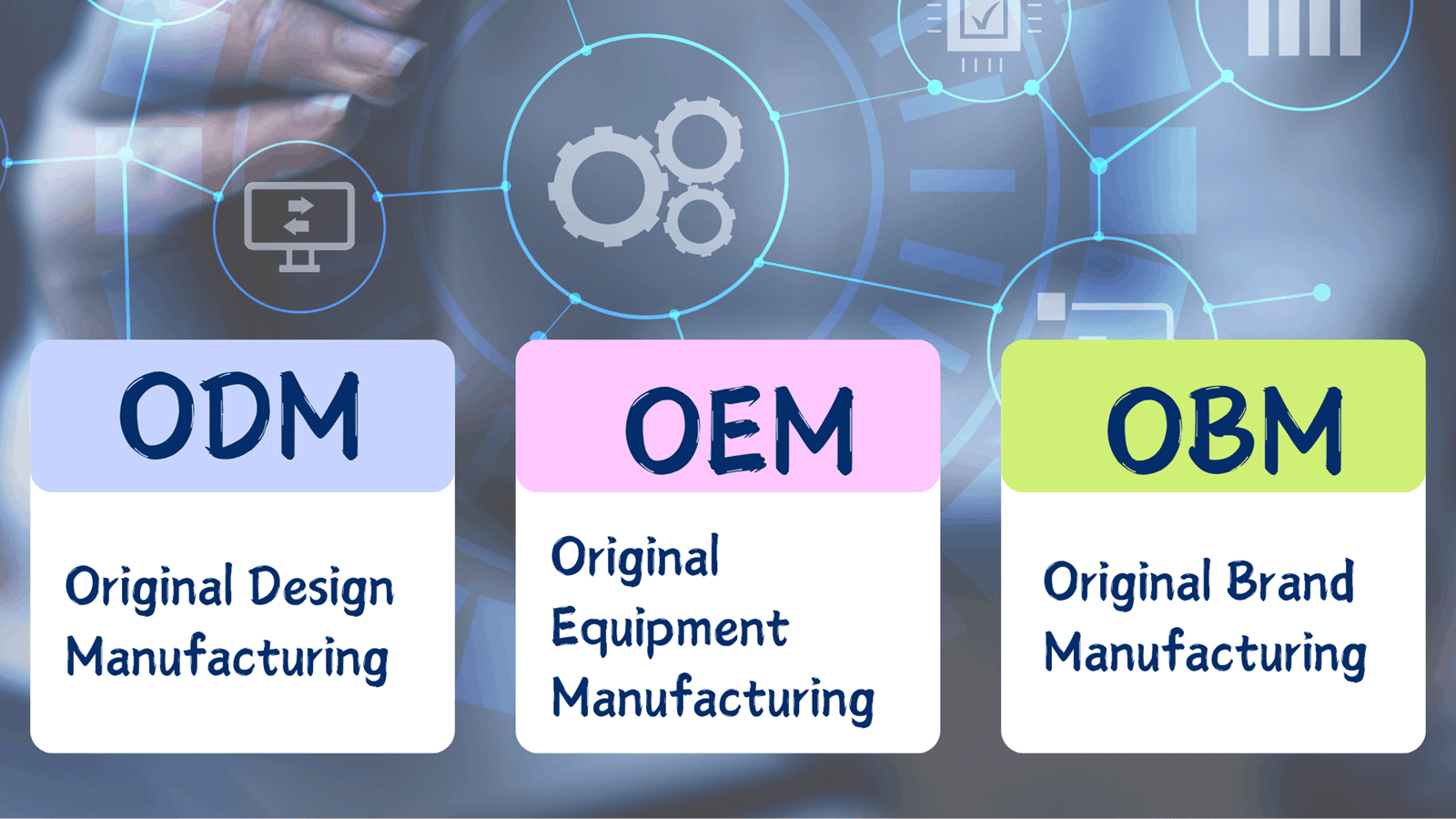
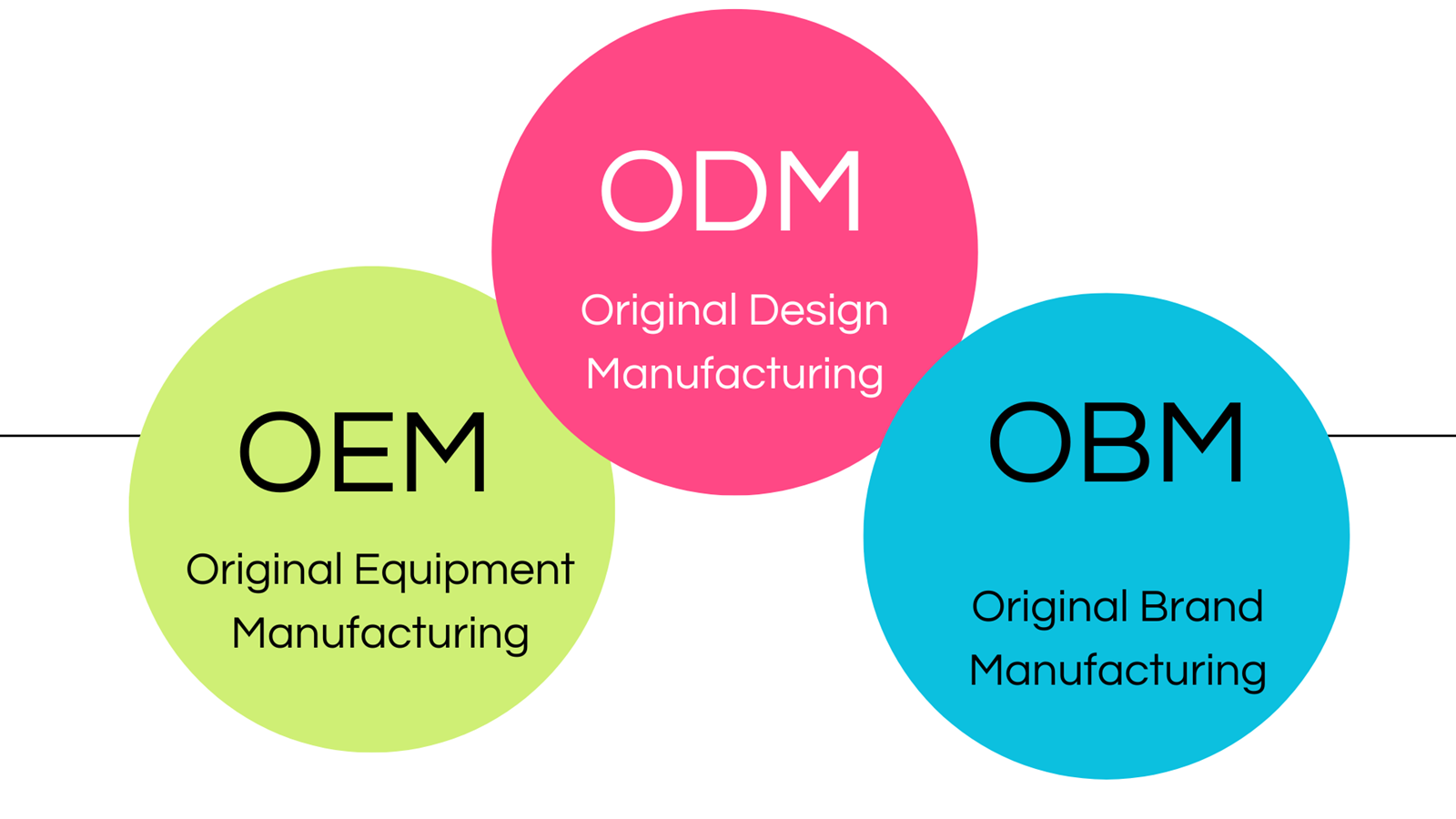
The distinction between ODM and OEM (Original Equipment Manufacturing) is crucial in understanding the dynamics of modern manufacturing. OEM involves manufacturing products based on the design specifications provided by the client. The client owns the design and brand, while the OEM solely focuses on the production process. In contrast, ODM services encompass both the design and manufacturing of the product. This means that while the client company gets a product to sell under its brand, the intellectual property of the product design typically remains with the ODM provider. This key difference highlights the ODM's role in innovation and design, in addition to manufacturing.
The Role of ODM Companies in Product Development
ODM companies play a pivotal role in product development, particularly for firms looking to expand their product lines quickly or enter new markets without substantial upfront investment in R&D. By leveraging the expertise and resources of ODMs, companies can:
- Reduce Time-to-Market: ODMs have the infrastructure and expertise to develop products efficiently, significantly reducing the time it takes to move from concept to market-ready product.
- Reduce Costs: Outsourcing design and manufacturing to an ODM can result in significant cost savings, as it eliminates the need for in-house design teams and production facilities.
- Access Expertise: ODM providers often specialize in specific product categories, offering a level of expertise that can be difficult for companies to develop internally.
- Focus on Core Competencies: By outsourcing product development to ODMs, companies can concentrate on their strengths, such as branding, marketing, and sales.
ODM companies have become integral partners for businesses across various industries, from electronics and consumer goods to medical devices. These partnerships allow companies to stay competitive by rapidly introducing innovative products that meet market demands without diverting significant resources away from their core operations.
In summary, understanding the role and capabilities of ODMs is crucial for companies looking to leverage external expertise for product development. The ODM model offers a pathway to innovation and market expansion that balances cost, efficiency, and speed, making it an attractive option for businesses aiming to navigate the complexities of global markets.
Step-by-step Breakdown of the ODM Process
The Original Design Manufacturing (ODM) process represents a comprehensive approach to product development and manufacturing, wherein companies design and produce products to be branded by another firm. It's a model that allows businesses to leverage the design and manufacturing expertise of ODM companies, facilitating the introduction of products without the overhead of extensive R&D and production facilities. This collaborative process not only streamlines product development but also accelerates time to market. Here’s a detailed breakdown of the ODM process, illustrating its phases from concept to production, and highlighting the collaboration between clients and ODM companies.
Concept and Design
The journey begins with the conceptualization phase, where the client identifies a market need or product idea but lacks either the design expertise or manufacturing capabilities to bring it to fruition. The client then partners with an ODM company that has the requisite expertise in the product’s domain. Together, they refine the initial concept, considering factors such as target audience, desired features, and market trends.
In the design phase, the ODM takes the lead, translating these ideas into tangible designs. This involves detailed engineering work, including the creation of CAD models and design schematics. The ODM's design team works closely with the client to ensure that the product aligns with their vision, brand identity, and market expectations. This phase is iterative, with ongoing communication ensuring that feedback is incorporated and designs are optimized for both performance and manufacturability.
Prototyping and Testing
With a finalized design in hand, the process moves to prototyping. The ODM produces a prototype, which serves as a physical representation of the product for evaluation. Prototyping is crucial for identifying any design flaws or areas for improvement before mass production begins.
Testing follows, where the prototype undergoes various tests to assess its functionality, durability, and compliance with industry standards. This stage may involve both the ODM's in-house testing facilities and external certification bodies, ensuring that the product meets all necessary regulatory requirements. The client is involved throughout this phase, providing feedback and approval before moving forward.
Production
Upon successful testing and client approval, the project advances to the production phase. The ODM company scales up operations, utilizing its manufacturing capabilities to produce the product in volume. This stage encompasses material procurement, assembly line setup, and the fine-tuning of manufacturing processes to ensure efficiency and quality.
Quality Control and Certification
Throughout production, quality control is paramount. The ODM conducts continuous inspections and quality assurance tests to ensure that every product meets the established standards. This phase is critical for maintaining brand integrity and customer satisfaction.
Simultaneously, the product may undergo additional certification processes if required by specific markets or regulatory bodies. The ODM facilitates this, ensuring that all products are compliant and certified before shipment.
Collaboration between Clients and ODM Companies
Central to the success of the ODM process is the collaboration between clients and ODM companies. This partnership is built on clear communication, mutual respect, and shared goals. Clients provide insights into their market and brand, while ODMs bring their design and manufacturing expertise. Regular updates, feedback loops, and adjustments ensure that the final product not only meets but exceeds expectations.
This end-to-end process demonstrates how ODM partnerships can be instrumental in bringing innovative products to market efficiently. By leveraging the strengths of each party, businesses can navigate the complexities of product development with greater ease and success.
Benefits of ODM for Businesses
Original Design Manufacturing (ODM) stands as a pivotal model in the business and manufacturing landscape, offering a unique blend of efficiency, innovation, and strategic advantage to companies looking to expand their product offerings without the extensive overheads of in-house production and design. This model, where manufacturers design and produce products that are then branded and sold by other companies, provides a multitude of benefits that can significantly impact a business's bottom line and market presence. Here’s an insight into the key advantages of utilizing ODM services for businesses.
Cost-effectiveness of Using ODM Services
One of the most compelling benefits of ODM is its cost-effectiveness. By partnering with ODM providers, companies can bypass the substantial investments required for research, development, and setting up manufacturing processes. ODMs leverage their expertise and economies of scale to produce high-quality products at a fraction of the cost, allowing client companies to enjoy lower production costs. This financial efficiency makes it easier for businesses to allocate resources towards other critical areas such as marketing, sales, and customer service, fostering overall growth and competitiveness.
Access to Specialized Manufacturing Capabilities
ODM services grant businesses access to advanced manufacturing capabilities and technologies without the need for significant capital investment. These manufacturers specialize in their respective fields, possessing the technical know-how, sophisticated machinery, and experienced personnel necessary to produce complex and high-quality products. For companies outside the manufacturing sector or those in industries with rapid technological advancements, this access can be invaluable. It ensures that products meet current market standards and consumer expectations without the company having to continually invest in new technologies and training.
Shorter Time-to-Market for New Products
In today’s fast-paced market, the speed at which a company can launch new products is crucial. ODM providers can significantly reduce the time-to-market for new offerings. With their expertise in design and manufacturing, ODMs can quickly turn concepts into ready-to-sell products, complete with packaging and branding as required by the client company. This swift product development cycle allows businesses to respond rapidly to market trends and consumer demands, maintaining relevance and competitive edge.
Ability to Focus on Core Business Activities While Outsourcing Manufacturing
ODM enables companies to concentrate on their core competencies—be it branding, marketing, sales, or customer service—while leaving the complexities of product design and manufacturing to expert partners. This strategic division of labor allows businesses to optimize their operations, focusing on areas that drive growth and profitability. Outsourcing manufacturing to ODMs also reduces the burden of managing production-related challenges, such as quality control, supply chain logistics, and compliance with manufacturing standards. Companies can thus dedicate more time and resources to strategy, innovation, and building strong customer relationships.
In conclusion, leveraging Original Design Manufacturing services offers businesses a pathway to expand their product lines and enter new markets with reduced risk, lower costs, and enhanced operational efficiency. The strategic advantages provided by ODM—cost savings, access to specialized capabilities, shorter time-to-market, and the ability to focus on core activities—make it an attractive option for companies aiming to grow and compete in today's dynamic business environment.
Industries That Benefit from ODM
Original Design Manufacturing (ODM) is an important model in the global manufacturing landscape, where manufacturers design and produce products that are then branded by another firm for sale. This model is especially beneficial in industries where innovation, speed to market, and cost efficiency are critical. By leveraging the expertise and capabilities of ODMs, companies can focus on their core competencies such as branding, marketing, and sales, while outsourcing the complexities of product design and manufacturing. Several industries stand out for their reliance on and benefit from ODM partnerships, including electronics and consumer gadgets, fashion and apparel, health and beauty products, and automotive parts and accessories.
Electronics and Consumer Gadgets
The electronics industry is perhaps the most prominent beneficiary of the ODM model. In a sector characterized by rapid technological advancements and short product life cycles, leveraging ODMs allows brands to bring innovative products to market quickly without the extensive R&D and manufacturing infrastructure typically required. ODMs specialize in developing and manufacturing a wide range of electronic products, from smartphones and tablets to wearables and home automation devices. This arrangement enables brands to offer the latest technologies under their banner, maintaining competitive edge while controlling costs.
Fashion and Apparel
The fashion and apparel industry benefits immensely from ODM services due to the fast-paced nature of fashion cycles and the constant demand for new designs. ODMs provide a full spectrum of services from design conceptualization to production, allowing fashion brands to refresh their offerings frequently in line with current trends. This model is particularly advantageous for smaller brands or those looking to expand their product lines quickly without incurring significant upfront costs in design and manufacturing facilities.
Health and Beauty Products
In the health and beauty sector, ODMs play a crucial role in product development and manufacturing. This industry demands high standards of quality and compliance with various regulatory requirements. ODMs with expertise in health and beauty products can manage the entire product development process, including formulation, testing, packaging design, and manufacturing. This allows brands to launch innovative products such as skincare items, cosmetics, and nutritional supplements with confidence in their quality and compliance.
Automotive Parts and Accessories
The automotive industry, known for its stringent quality standards and complex supply chain networks, also benefits from partnerships with ODMs. Automotive ODMs specialize in designing and manufacturing a wide range of parts and accessories, from interior components to electronic systems. This model enables automotive brands to enhance their product offerings with high-quality parts and accessories, optimizing production costs and efficiency. It also allows for greater flexibility in responding to market demands and technological advancements.
In conclusion, the ODM model offers substantial benefits across various industries by enabling companies to leverage external expertise for product design and manufacturing. This not only accelerates time-to-market and innovation but also allows brands to focus on building their core strengths in marketing and brand development. As industries continue to evolve, the strategic importance of ODM partnerships is likely to grow, further shaping the global manufacturing landscape.
Choosing the Right ODM Partner
Choosing the right Original Design Manufacturer (ODM) partner is a critical decision for businesses looking to outsource the design and manufacturing of their products. An ODM provides a one-stop solution, offering both design and production services, which can significantly speed up the time to market and reduce costs. However, selecting the most suitable ODM partner involves careful consideration of several factors to ensure that the partnership aligns with your business goals, quality standards, and market expectations. Here’s a guide to help you navigate this process effectively.
Experience and Expertise in Your Industry
The ODM's experience and expertise in your specific industry cannot be overstated. An ODM with a strong track record in your sector will bring invaluable insights into product design, materials, manufacturing processes, and market trends. They are likely to have encountered and solved many industry-specific challenges, reducing the risk of costly mistakes. Before choosing an ODM partner, review their portfolio of projects and products, focusing on those that are similar to your requirements. This can give you a clear indication of their capability to deliver on your project.
Quality Assurance Processes
Quality assurance is paramount when selecting an ODM partner. A reliable ODM should have robust quality control systems in place throughout the design and manufacturing process. This includes initial design reviews, prototype testing, pre-production trials, and final inspections. Ask potential ODM partners about their quality assurance processes, certifications (such as ISO 9001), and how they handle quality issues when they arise. It's also beneficial to inquire about their suppliers and how they ensure the materials used meet quality standards.
Intellectual Property Protection Policies
Intellectual property (IP) protection is a critical consideration when working with an ODM. The collaborative nature of the relationship means sharing sensitive information and ideas, which could be vulnerable to theft or misuse. Ensure that your ODM partner has clear policies and agreements in place to protect your IP rights. This includes non-disclosure agreements (NDAs), clear delineation of IP ownership in the contract, and their history of IP protection practices with other clients.
Communication and Project Management Capabilities
Effective communication and project management are essential for a successful partnership with an ODM. The ability to communicate clearly, promptly, and in your preferred language will help avoid misunderstandings and ensure that your project stays on track. Additionally, your ODM partner should have solid project management capabilities, including timelines, milestones, and regular updates. Before committing, discuss their communication tools, frequency of updates, and project management methodologies.
Tips for Successful Collaboration with an ODM Partner
- Define Clear Objectives: Before engaging with an ODM, have a clear understanding of your product requirements, quality expectations, and timelines.
- Conduct Due Diligence: Research potential ODM partners thoroughly, including visiting their facilities if possible.
- Build a Relationship: Establishing a good working relationship based on mutual respect and understanding can significantly enhance collaboration.
- Stay Engaged: Regularly review progress, provide feedback, and be prepared to make decisions quickly to keep the project moving forward.
- Protect Your IP: Take all necessary legal precautions to protect your intellectual property throughout the partnership.
Selecting the right ODM partner is a strategic decision that can influence the success of your product in the market. By considering these factors and tips, you can establish a fruitful partnership that aligns with your business objectives and drives your product towards success.
Challenges and Considerations in ODM
Original Design Manufacturing (ODM) is a business model where companies design and manufacture a product that is eventually branded by another firm for sale. This approach allows brands to leverage the design and manufacturing capabilities of ODMs to reduce costs and accelerate time to market. However, this model also presents unique challenges and considerations, particularly in the areas of intellectual property rights, product quality, compliance with standards, and managing cross-border communication and cultural differences.
Navigating Intellectual Property Rights and Patents
One of the primary concerns in an ODM partnership is the protection of intellectual property (IP). Since ODMs are responsible for the design and development of the product, issues can arise regarding who holds the patents and copyrights. There's a risk of IP theft or misuse, where the ODM could sell the design to competitors or produce similar products under a different brand.
Solution: Detailed contracts and agreements are crucial. These should clearly define the ownership of IP, outline patent rights, and include non-disclosure agreements (NDAs) to protect sensitive information. Engaging in thorough due diligence before selecting an ODM partner can also mitigate risks.
Ensuring Product Quality and Compliance with Standards
Maintaining high product quality and ensuring compliance with international standards can be challenging when outsourcing design and manufacturing. Differences in quality control processes, materials used, and understanding of compliance requirements can lead to products that don't meet the brand's standards or regulatory demands.
Solution: Brands should establish clear quality benchmarks and compliance requirements from the outset. Conducting regular audits, either in-house or through third-party inspectors, can help ensure that ODMs adhere to agreed-upon standards. It's also beneficial to involve ODMs in the quality assurance process, fostering a partnership approach to problem-solving.
Managing Long-Distance Communication and Cultural Differences
Working with an ODM often means navigating time zones, languages, and cultural differences, which can complicate communication and project management. Misunderstandings can lead to delays, errors in product development, or dissatisfaction on both sides.
Solution: Effective communication is key. Utilizing technology for regular meetings, clear documentation, and project management tools can help bridge the distance. Hiring bilingual staff or employing professional translators can alleviate language barriers. Additionally, understanding and respecting cultural differences can improve business relationships and facilitate smoother interactions.
While the ODM model offers significant advantages for brands looking to expand their product lines efficiently, it requires careful management of intellectual property rights, product quality, compliance, and communication. By addressing these challenges proactively and fostering transparent, respectful relationships with ODM partners, companies can leverage the benefits of ODM while mitigating its risks. Successful navigation of these considerations is critical to achieving a competitive edge in today’s fast-paced market.
Finding ODM Suppliers on Globalsources.com
Finding Original Design Manufacturing (ODM) suppliers is a crucial step for businesses looking to source products that can be branded with their own name. Global Sources (Globalsources.com) stands out as a premier platform for connecting with reliable ODM suppliers across a wide range of industries. This platform offers a comprehensive ecosystem designed to facilitate the sourcing process, ensuring businesses can find, vet, and collaborate with suppliers efficiently. Here’s an introduction to navigating the world of ODM suppliers on Global Sources.
Understanding ODM on Global Sources
ODM suppliers specialize in designing and manufacturing products that other companies rebrand and sell under their own names. These suppliers offer the advantage of reducing development time and investment in product design, allowing businesses to focus on branding and market penetration. Global Sources is an ideal marketplace for finding such suppliers due to its extensive network of verified manufacturers.
How to Find ODM Suppliers on Global Sources
1. Utilize the Search Function: Start by using the search bar on Globalsources.com. Enter keywords related to your industry or the specific product you're looking for, followed by "ODM". This will filter the results to show suppliers that offer ODM services in your desired category.
2. Explore Product Categories: Global Sources categorizes suppliers by product types, making it easier for you to navigate through potential ODM partners in your industry. Whether you’re in electronics, fashion, home products, or any other sector, you can browse through relevant categories.
3. Supplier Verification: One of the standout features of Global Sources is its supplier verification system. Look for suppliers with verified business credentials to ensure reliability and quality. Verified suppliers have undergone a rigorous vetting process, including checks on their business licenses, factory audits, and product certifications.
4. Analyze Supplier Profiles: Each supplier on Global Sources has a detailed profile that includes information about their business scope, product range, R&D capabilities, and previous clients. Review these profiles carefully to assess whether a supplier's expertise aligns with your ODM needs.
5. Attend Trade Shows: Global Sources also organizes several trade shows throughout the year. These events offer an excellent opportunity to meet ODM suppliers face-to-face, examine their products firsthand, and discuss potential collaboration in detail.
Tips for Engaging with ODM Suppliers on Global Sources
1. Communication is Key: Clear and concise communication is essential when discussing your requirements with potential suppliers. Specify your product specifications, quality standards, and branding guidelines from the outset.
2. Request Samples: Before finalizing any partnership, request samples to evaluate the quality of the supplier’s work and ensure it meets your expectations.
3. Discuss Customization Options: Since ODM products are designed for rebranding, discuss customization options with suppliers. This includes packaging, design tweaks, and any specific features you want to include.
4. Negotiate Terms: Be clear about payment terms, production timelines, and minimum order quantities (MOQs). Negotiating these details upfront will help avoid misunderstandings later on.
5. Plan for Quality Control: Establish a quality control plan with your supplier. This may involve third-party inspections or factory visits to ensure products meet your standards before shipment.
Finding the right ODM supplier on Global Sources can significantly impact your product line's success. By leveraging the platform's resources and following these guidelines, businesses can establish fruitful partnerships with ODM suppliers that meet their quality standards and market needs.
Conclusion
In the evolving landscape of global business, Original Design Manufacturing (ODM) emerges as a transformative strategy, enabling companies to leverage innovation and accelerate growth. Throughout our discussion, we've explored the intricacies of ODM, its benefits, and the compelling reasons for businesses to integrate this model into their operations. As we conclude, let's recap the key points covered and underscore the potential of ODM to redefine the future of business.
Recap of the Key Points Covered
ODM stands at the intersection of creativity and efficiency, offering businesses the opportunity to outsource product design and manufacturing to specialized companies. This model not only streamlines production processes but also injects a high level of expertise and innovation into product development. We've seen how ODM allows businesses to focus on their core competencies, such as brand development and market expansion, while relying on the technical and manufacturing prowess of their ODM partners.
A significant advantage of the ODM model is its ability to reduce time-to-market for new products. By collaborating with ODM providers, companies can access cutting-edge technologies and design capabilities, ensuring that their products remain competitive and relevant. Furthermore, ODM partnerships can lead to cost efficiencies, as economies of scale and specialized manufacturing techniques lower production costs.
The Potential of ODM to Transform Businesses and Drive Innovation
The potential of ODM to transform businesses is vast. In an era where innovation is a key differentiator, ODM provides a pathway for companies to introduce novel products that meet changing consumer demands. This model fosters a collaborative environment where businesses and ODM providers work closely to push the boundaries of what's possible, leading to breakthrough products and technologies.
Moreover, ODM can be a catalyst for business growth, enabling small and medium-sized enterprises (SMEs) to compete on a global scale. By partnering with ODM firms, SMEs can access resources and capabilities that would otherwise be beyond their reach, leveling the playing field with larger competitors.
For businesses looking to innovate and grow in today's competitive market, exploring ODM opportunities is a strategic move. Whether you're aiming to launch new products, enter new markets, or enhance your competitive edge, ODM offers a viable pathway to achieve your objectives.
We encourage you to delve deeper into the world of ODM and consider how it can be integrated into your business strategy. Reach out to industry experts and ODM providers to gain insights into how this model can be tailored to your specific needs. With the right partnership and approach, ODM can unlock new horizons for your business, driving innovation and growth in ways you may not have imagined.
In conclusion, the journey towards business transformation and innovation is ongoing, and ODM represents a key piece of the puzzle. By embracing this model, companies can not only streamline their operations but also foster a culture of innovation that propels them forward. Take the step today—explore the opportunities that ODM presents and contact industry experts for more information. The future of your business could be reshaped by the strategic decisions you make now.