




As the e-commerce landscape continues to grow and evolve, running a successful online business requires more than just great products. Sellers need efficient operations to meet growing customer expectations. That’s where Amazon's Fulfillment by Amazon (FBA) program becomes a game-changer. The FBA program remains a popular and efficient way for sellers to manage their online businesses. By partnering with FBA, sellers can focus on growth while Amazon handles the heavy lifting—storage, packing, shipping, customer service, and even returns. For businesses looking to scale up and maintain a competitive edge, sourcing products from reliable wholesale suppliers is crucial. Whether you're new to FBA or a seasoned seller, finding the right wholesale partners can make all the difference in expanding your business. This article provides an overview of how to find and work with Amazon FBA wholesale suppliers.
Understanding Amazon FBA wholesale
Before diving into the specifics of finding suppliers, it's important to understand what Amazon FBA wholesale entails. In this business model, a seller purchases bulk products directly from manufacturers or distributors at a discounted rate. These products are then resold on the Amazon platform under the seller's own account. The primary advantage of this approach is the potential for higher profit margins due to the reduced cost per unit when purchasing in bulk.
How to find the right suppliers
Identifying the right wholesale suppliers is a critical step in establishing a successful Amazon FBA business. Here are some strategies to help you find reputable suppliers:
1. Trade shows and exhibitions
Attending industry-specific trade shows and exhibitions is not just about observing the latest trends; it's a strategic move to forge direct connections with manufacturers and wholesalers. These events are invaluable for retailers and Amazon FBA sellers because they offer a unique platform for face-to-face interactions, allowing you to engage with suppliers, understand their production capabilities, and even negotiate terms on the spot. Moreover, trade shows give you the advantage of examining the products firsthand, assessing their quality, and determining their suitability for your target market. This immersive experience is crucial for making informed decisions about which products to stock. Additionally, trade shows often feature seminars and workshops from industry experts, providing insights into market trends, consumer behavior, and new technologies. These learning opportunities can beef up your business strategy and help you stay ahead in a competitive marketplace.
2. Wholesale directories
Utilizing online wholesale directories is a practical approach to kickstart your search for potential suppliers. These directories feature lists of verified wholesalers, making it easier to find reputable sources for your Amazon FBA business. However, while these platforms offer a convenient starting point, it's essential to approach them with a critical eye. Conducting thorough research and due diligence on listed suppliers is necessary to ensure their reliability and compatibility with your business needs. Look into their history, read reviews from other buyers, and compare their pricing and product quality. Additionally, consider reaching out to these wholesalers directly to ask specific questions about their products, minimum order quantities, and shipping logistics. This proactive approach will help you gauge their customer service quality and responsiveness, which are critical factors in a successful supplier relationship.
To help streamline your search, we’ve compiled a list of 10 trusted wholesale directories where you can begin finding potential suppliers. These platforms offer a wide range of wholesalers that cater to Amazon FBA sellers, giving you a solid foundation to build your inventory:
A. Global Sources
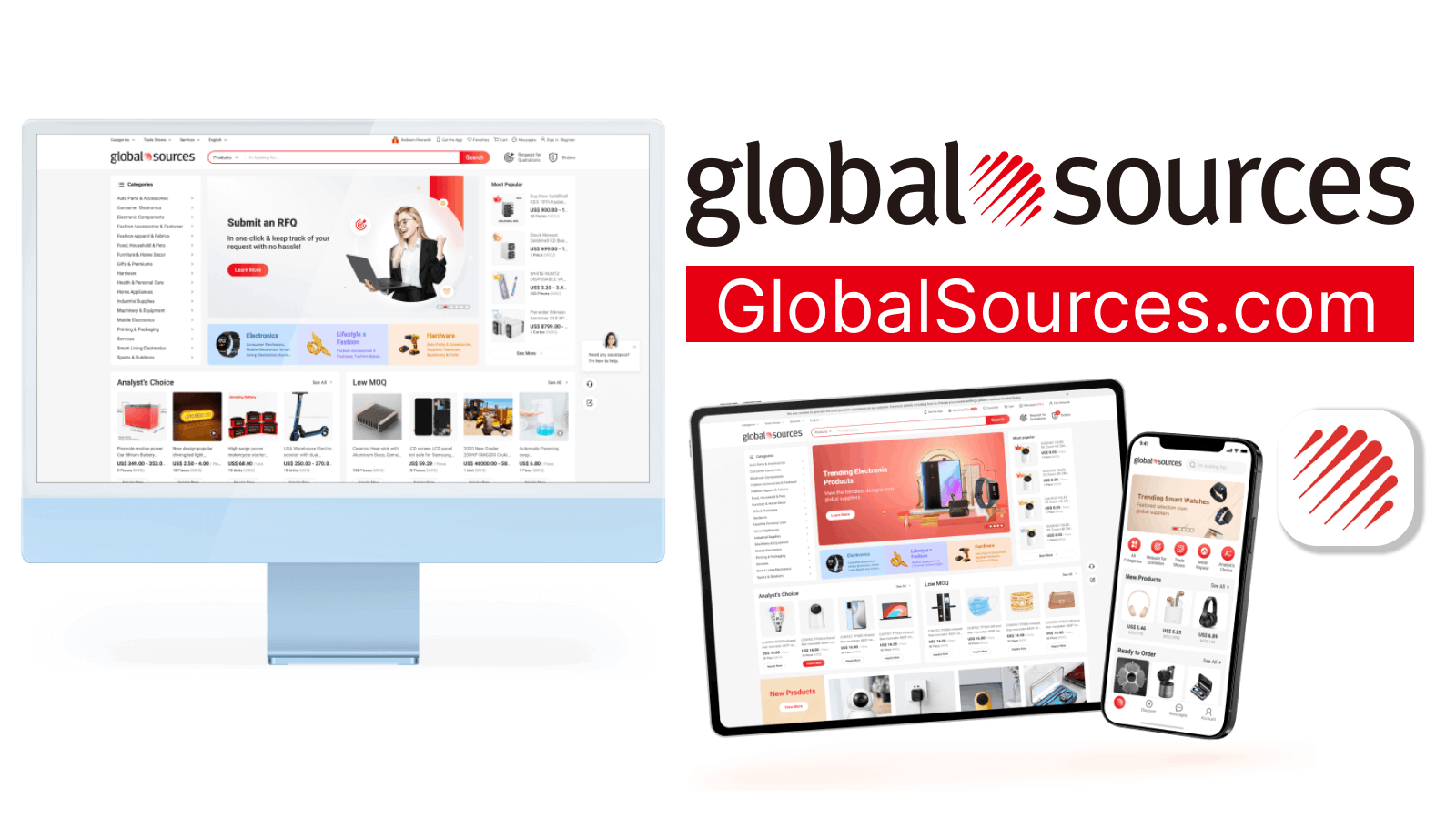
- Key Features: Large-scale sourcing platform with a focus on high-quality suppliers, trade shows, and smart sourcing features.
- Benefits: Access to verified suppliers and manufacturers, especially in electronics and consumer goods. The platform also facilitates attending or getting insights from major trade shows.
- Limitations: The platform is better suited for medium to large businesses, given its emphasis on bulk orders and its specialization in electronics and industrial products.
B. Worldwide Brands
- Key Features: Thousands of wholesalers and dropshippers, lifetime access with a one-time fee, market research tools.
- Benefits: Extensive supplier network without recurring fees, useful for product trend analysis.
- Limitations: The high initial cost may deter some sellers.
C. ThomasNet
- Key Features: North American supplier focus, extensive industrial product categories, custom manufacturing capabilities.
- Benefits: Ideal for sourcing industrial and commercial products, access to custom manufacturers.
- Limitations: May not be suitable for all retail or consumer product needs.
D. TradeKey
- Key Features: Global supplier base, variety of industries including apparel, electronics, and more, B2B marketplace.
- Benefits: Diverse product offerings, opportunities for international trade.
- Limitations: Vetting suppliers is crucial to avoid scams.
E. EC21
- Key Features: Global B2B marketplace with a strong Asian supplier presence, free and premium membership options.
- Benefits: Access to innovative products and suppliers in Asia, flexible membership options.
- Limitations: Language and communication barriers with some suppliers.
F. eSources
- Key Features: UK's largest wholesale directory, international supplier base, extensive range of categories.
- Benefits: Ideal for UK-based sellers looking for local and international suppliers, wide product variety.
- Limitations: Premium membership required for full access to all features and suppliers.
G. SaleHoo
- Key Features: Over 8,000 pre-vetted suppliers, market research tools, training materials.
- Benefits for Amazon Sellers: Access to a wide range of reliable suppliers, insights into profitable products, and educational resources to help grow your business.
- Potential Limitations: Requires an annual membership fee, which might be a barrier for new or small sellers.
H. Inventory Source
- Key Features: Dropship automation software and integrated supplier network, over 180 pre-integrated suppliers.
- Benefits: Automates the dropshipping process by syncing products to your sales platform and automating order routing to suppliers.
- Limitations: Monthly subscription fee required; primarily focused on dropshipping rather than bulk wholesale purchasing.
I. Alibaba
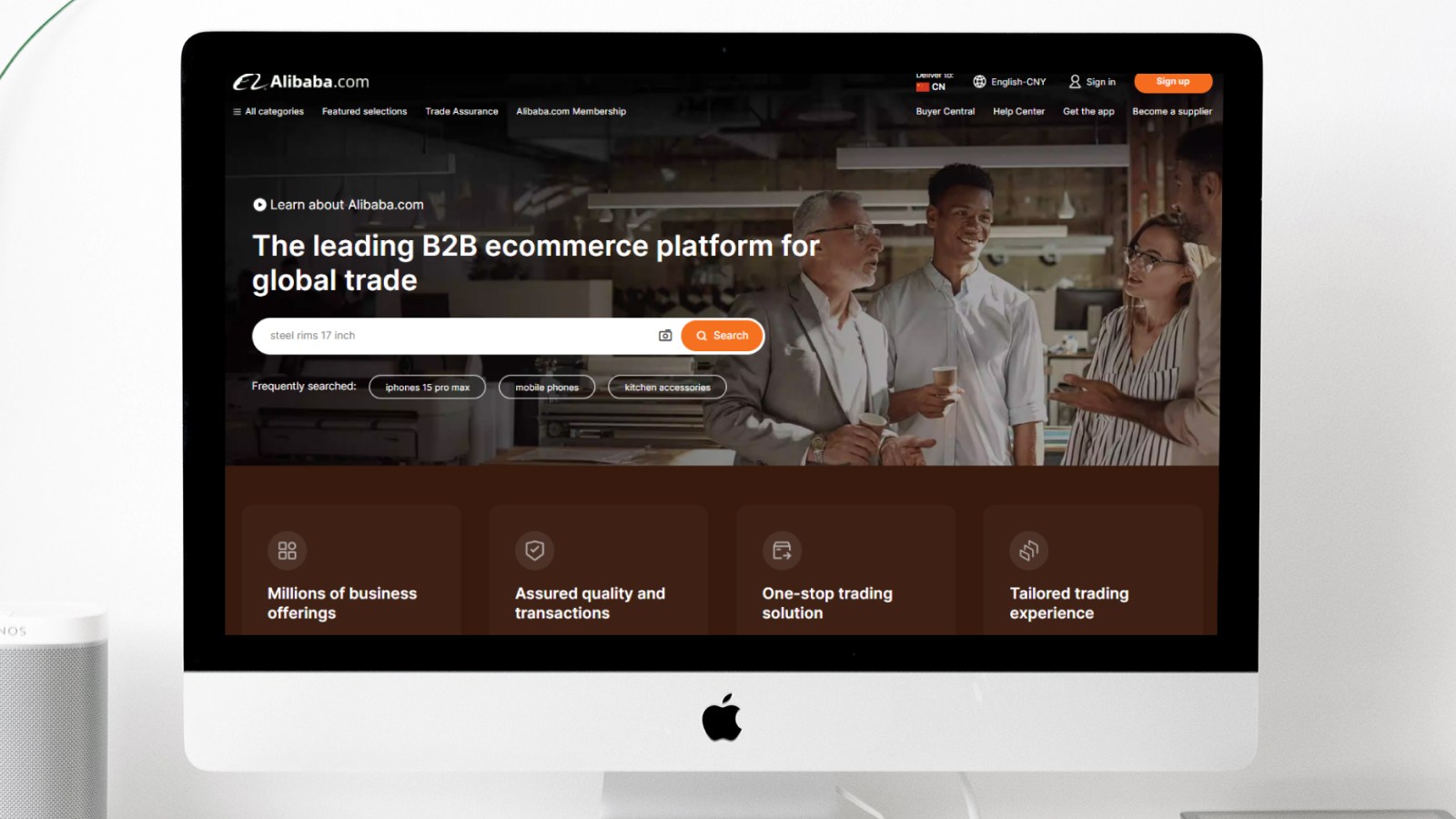
- Key Features: Global marketplace with thousands of manufacturers, Trade Assurance program, customizable products.
- Benefits: Direct access to manufacturers for bulk orders, payment protection, and product customization options.
- Limitations: Requires careful vetting of suppliers to avoid scams or low-quality products.
J. DHGate
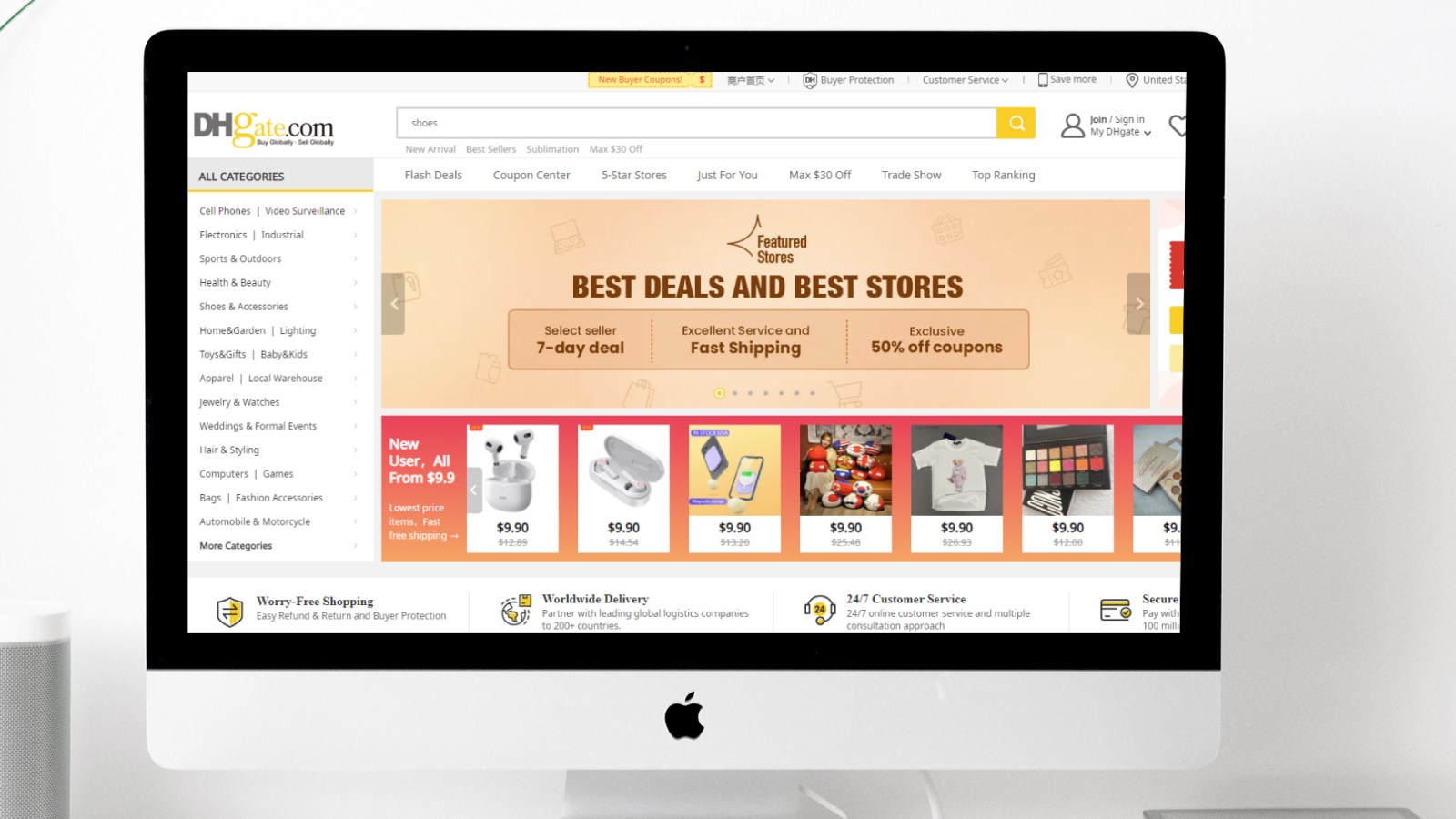
- Key Features: Wide range of products, especially from China, buyer protection policies, wholesale and dropshipping options.
- Benefits: Competitive pricing, protection against fraud, flexibility in ordering sizes.
- Limitations: Mixed quality among suppliers; some diligence is required to find reliable partners.
Each of these directories offers unique advantages to Amazon sellers looking to source products efficiently. Whether you're just starting out or looking to expand your product line, these platforms can provide valuable connections to reputable suppliers worldwide. However, it's crucial to conduct thorough research and due diligence on potential suppliers to ensure product quality and reliability. Additionally, understanding the specific needs of your business model and target market will help you choose the most suitable directory and suppliers to partner with.
3. Manufacturer contact
Directly contacting manufacturers presents a unique opportunity to secure exclusive deals or become an official distributor of their products on Amazon. This strategy can be particularly beneficial for Amazon FBA sellers looking to differentiate their offerings in a crowded marketplace. By establishing a direct relationship with manufacturers, you can negotiate better prices, access new products before they hit the broader market, and potentially secure exclusive selling rights. This direct line of communication also allows for more transparent discussions about product customization, packaging, and branding options, enabling you to tailor products more closely to your target audience's preferences.
Moreover, working directly with manufacturers provides greater flexibility when it comes to product customization, branding, and packaging. Many manufacturers are open to adjusting product features or packaging to better suit your target audience's needs. This could include adding custom logos, adjusting packaging design for enhanced customer appeal, or even modifying product specifications to meet market demand more precisely. Tailoring your offerings like this can help you create unique products that stand out on Amazon and drive customer loyalty.
However, there are challenges to consider. Not all manufacturers are willing to engage in direct sales, especially for smaller businesses, and some may impose high minimum order quantities that could stretch your initial budget. Overcoming these hurdles often requires persistence, thorough research, and a clear value proposition. Demonstrating how you can effectively expand their brand’s presence on Amazon through targeted marketing, optimization of product listings, and excellent customer service can help persuade manufacturers to partner with you.
4. Networking
In the world of Amazon FBA selling, networking can be as valuable as any direct supplier relationship. Building strong relationships with other sellers, industry professionals, and even competitors can open up avenues to recommendations and insights into reliable suppliers that you might not find through traditional searches.
Participating in online seller forums, attending industry meetups, and joining seller-focused conferences are excellent ways to connect with peers. These interactions can provide valuable tips, highlight red flags about unreliable suppliers, and lead to recommendations for wholesalers with proven track records of reliability and product quality.
But networking isn’t just about finding supplier contacts—it can open doors to collaboration, too. For example, teaming up with other sellers for bulk-buying can help lower costs and boost profitability by taking advantage of economies of scale. Plus, exchanging strategies and experiences with others who have been through similar challenges can help you avoid common mistakes, solve problems more quickly, and improve how you run your Amazon FBA business.
In gist, the real value of networking comes from the shared knowledge and opportunities that can help you grow and succeed in the Amazon marketplace.
Vetting suppliers
Once you have identified potential suppliers, it's essential to vet them carefully to ensure they are legitimate and capable of meeting your business needs. Consider the following factors when evaluating suppliers:
- Product Quality: Request samples to assess the quality of the products. It's important that the items meet your standards and those of your customers.
- Reliability: Check references and reviews from other customers to gauge the supplier's reliability.
- Pricing: Ensure that the supplier's pricing allows for a profitable margin once all Amazon FBA fees are accounted for.
- Minimum Order Quantities (MOQ): Understand the supplier's MOQ requirements and ensure they align with your inventory management and cash flow capabilities. For example, if a supplier's MOQ is 500 units but you sell 100 units monthly, this could strain your cash flow, so it's important to negotiate a lower MOQ or find a supplier whose requirements better match your cash flow and inventory turnover.
- Lead Times: Discuss lead times for production and delivery to ensure they fit within your business model. Make sure the supplier can meet your deadlines consistently, especially during peak sales periods, to avoid stockouts and maintain optimal sales flow.
- Communication: Effective communication is key in any business relationship. Always test a supplier's communication quality early in your relationship, perhaps by asking detailed questions before placing a large order, to ensure they meet your standards.
Building relationships with suppliers
A successful partnership with a wholesale supplier is based on mutual benefit and trust. To build a strong relationship, consider the following factors:
- Be Professional: To approach interactions professionally and respectfully, always communicate clearly and courteously, responding promptly to inquiries and providing detailed information when needed. Additionally, honor agreements, meet deadlines, and address any issues calmly and collaboratively to maintain a positive and productive relationship.
- Negotiate Terms: When negotiating, outline your specific needs, such as payment terms, delivery schedules, or return policies, and ensure these are communicated upfront. For example, request flexible payment terms that align with your cash flow, and discuss return policies that protect you from defective products, while also being open to compromise to create a mutually beneficial agreement.
- Place Orders Consistently: Establish a regular ordering schedule based on your sales forecasts and inventory needs, such as monthly or quarterly orders. Additionally, maintain open communication with your supplier to discuss upcoming needs, which can help secure better pricing or terms as your relationship develops.
- Provide Feedback: Share customer feedback with suppliers by compiling specific insights or suggestions gathered from reviews or direct customer interactions. For example, if customers frequently mention a desire for improved packaging or highlight a product flaw, relay this information to the supplier in a constructive manner, emphasizing how these changes could enhance customer satisfaction and boost sales for both parties.
Conclusion
Sourcing products from wholesale suppliers for your Amazon FBA business requires careful planning, research, and relationship management. By attending trade shows, using wholesale directories, contacting manufacturers directly, networking, and thoroughly vetting potential suppliers, you can build a robust supply chain that supports your business goals. Remember to maintain professionalism, negotiate effectively, and stay compliant with Amazon policies to ensure long-term success in the competitive world of e-commerce.
You May Also Like:
- Chinese Websites Like Amazon
- Buy Products to Sell on Amazon FBA
- Buy Wholesale Products for Amazon
- Best Distributors for Amazon FBA
- Wholesale Suppliers for Amazon Sellers
- Guide to Selling Wholesale on Amazon
- Sell on Amazon Without Inventory
- Buying from Alibaba for Amazon FBA
- Temu vs Amazon
- Profitable Product Categories for Amazon FBA
- India Sourcing for Amazon Sellers

