
- Growing demand for data center infrastructure drives US electrical equipment market to double by 2030
- Industrial suppliers like Generac and Timken expand production and hire new workers
- Sector remains cautious amid broader US manufacturing slowdown and economic uncertainties
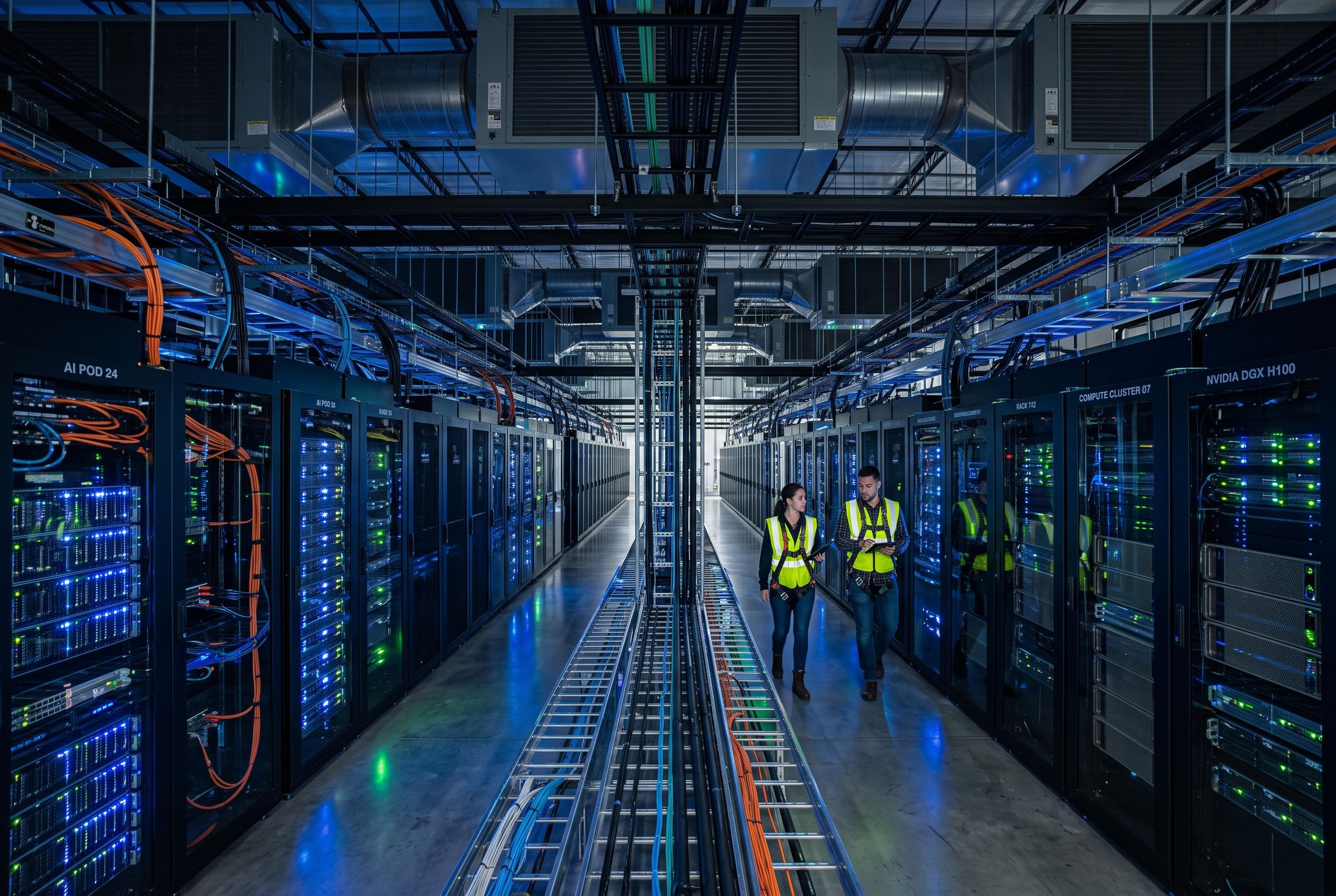
The surge in artificial intelligence development isn’t just benefiting chipmakers and cloud service providers, it’s also triggering a manufacturing upswing for the companies that supply much of the hardware behind U.S. data centers.
According to Reuters, there’s rising demand for generators, transformers, electric cables, pipes, cement, and prefabricated metal wall panels, as builders rush to install the power and cooling systems data centers need. That uptick is spreading into factories that, just a few years ago, had little direct connection to the AI industry.
Wood Mackenzie predicts that the U.S. market for electrical equipment related to data centers could double, from $33 billion in 2025 to about $66 billion by 2030. That’s a strong sign of how quickly this sector is expanding. Meanwhile, the Labor Department said manufacturing jobs in the U.S. increased by 5,000 in July, which contrasts with a decrease of 113,000 in the same period last year.
Some of the clearest winners are specialized industrial suppliers. Take Generac, best known for home backup systems, they’re planning to invest around $250 million to expand their production lines. They’re betting that data center-related orders will help keep a backlog of roughly $1.6 billion, and they also plan to hire about 1,000 new workers. Timken, a steel bearing manufacturer, has also secured new customers beyond defense and aerospace as orders increase for parts used in data center buildings and equipment.
But Reuters also notes that the current data center boom shouldn’t be mistaken for a full recovery in U.S. manufacturing overall. A survey by the Institute for Supply Management showed the sector remains sluggish, and demand for consumer goods has declined because of high inflation and a slump in the dwellings market.
This caution is influencing strategy. Siemens is investing in new plants while locking in demand by signing multi-year contracts with customers, and it has spread investment risk by imposing millions of dollars in penalties if customers fail to take the volumes they contracted. Southeastern Hose, a metal hose company, has tripled its data center-related sales and hired 60 new employees, but it is also working to maintain relationships with existing customers. To prepare for a potential decline in data center demand, its strategy is to keep its traditional customer base, such as steel mills it has had a transaction with for 60 years.
