
- Revenue growth driven by premium pricing and advanced features
- Smartwatches and wireless earbuds dominate, with evolving form factors gaining traction
- Preventive health and AI integration becoming key differentiators in device development
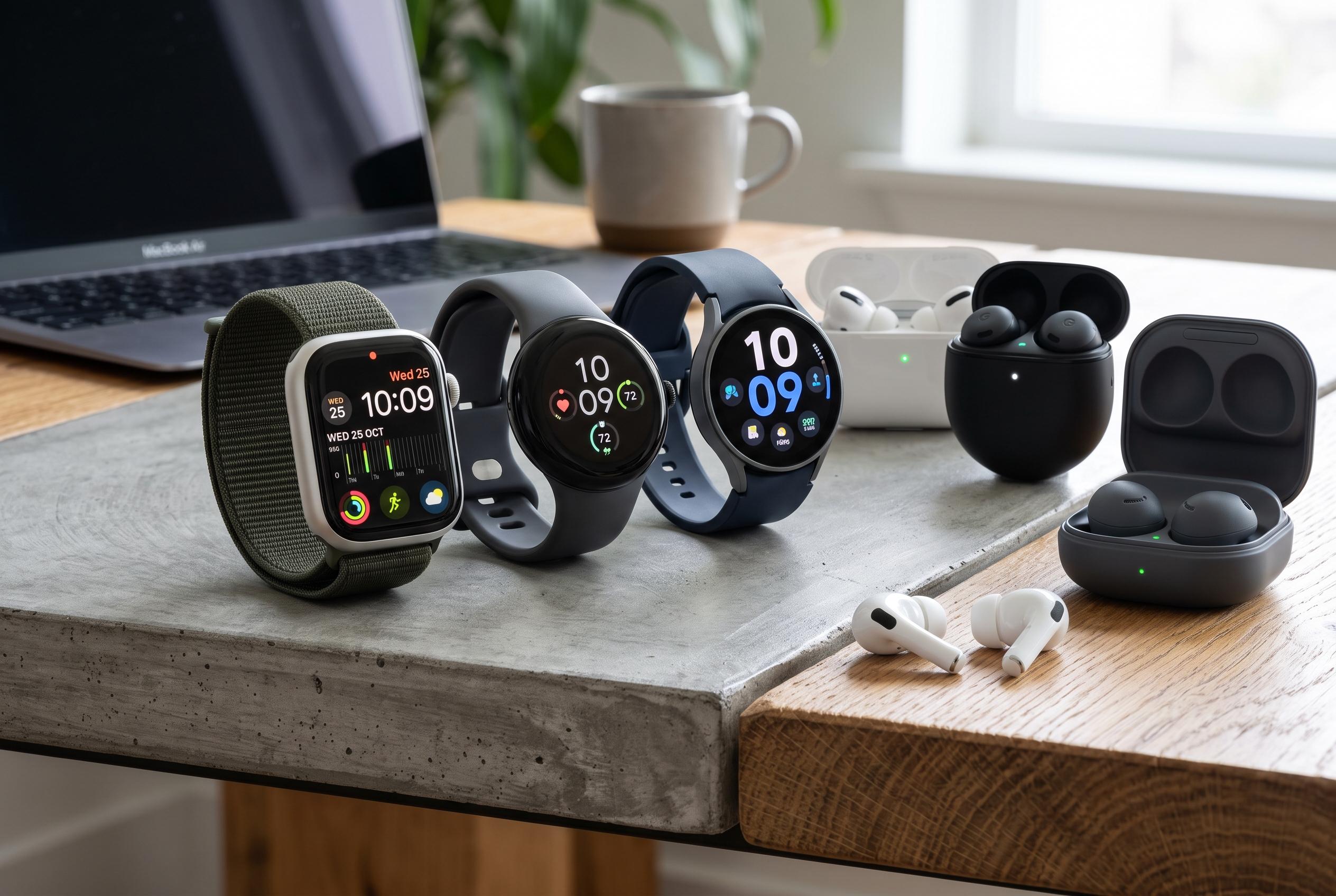
Counterpoint Research anticipates that by 2032, the overall consumer wearables market could surpass $1 trillion in total revenue. Interestingly enough, most of this growth is expected to come from pricier devices rather than just an increase in the sheer number of units sold. From what the analysis suggests, smartwatches and wireless earbuds will remain the dominant players in the space, highlighting how deeply intertwined these devices now are with our daily communication, entertainment, and health monitoring routines. Also, it’s worth noting that the market’s evolution indicates a broader shift in what consumers actually want from their wearables: not solely fitness tracking, but more versatile gadgets that can serve as personal, always-on companions.
Looking ahead, the forecast estimates that cumulative revenue from hearables alone could hit around $360 billion , edging out smartwatches, which are projected at about $304 billion, while smart glasses are expected to reach roughly $168 billion. The strength of the top two categories, according to Counterpoint, is driven by their large installed bases, consistent demand for replacements, and tight integration with smartphone ecosystems. That combo seems to make these products especially attractive to manufacturers and suppliers, who like the idea of reliable upgrade cycles and steady accessory sales.
Pricing dynamics are also shifting. Counterpoint believes smartwatch prices will continue to go up as these devices incorporate more premium hardware, like advanced health sensors and onboard AI capabilities. They see smartwatches gradually transforming into platforms for both preventive healthcare and personal computing, pretty handy if you ask me. On the other hand, wireless earbuds are expected to see only modest price hikes, mainly because their features tend to be quite standard, and the competition among brands remains fierce.
Beyond the main categories, the report highlights a growing roster of smaller yet rapidly developing products. For instance, health patches could generate about $120 billion in revenue, smart rings around $44 billion, smart pendants roughly $24 billion, smart shoes at approximately $18 billion, and fitness bands about $14 billion. There’s also potential for smart socks, clothing, and belts to each reach up to $10 billion. Interestingly, Counterpoint pointed out that revenue is expanding at roughly twice the rate of unit shipments. This trend underscores how the market is shifting from basic fitness trackers toward more advanced, often more expensive, devices. Plus, a bigger emphasis on preventive health use cases is emerging, where wearables help spot issues before users even realize something’s wrong. It’s pretty fascinating how this shift is happening, right?
As the market matures, the sourcing and logistics side of wearables is likely to become just as important as the consumer-facing features. Premium components, mobile connectivity, and tighter software integration can all shape how quickly brands bring new devices to market, while suppliers have to balance innovation with dependable production. For electronics companies, that means the next wave of competition may not be only about design or lifestyle branding, but also about who can assemble a more resilient supply chain, reduce friction in logistics, and keep pace with changing consumer expectations.
Another key takeaway is that wearables are no longer just “nice-to-have” accessories. They are becoming part of a broader mobile ecosystem that includes smartphones, earbuds, smartwatches, and emerging health-focused devices working together in the background. That ecosystem effect helps explain why revenue can rise faster than shipments: consumers may buy fewer devices overall, but they are increasingly choosing more capable, higher-margin products. In other words, the value of each device matters more than ever.
For brands, this points to a clear strategic challenge. If the future of wearables is centered on premium features, preventive health, and AI-powered personalization, then product teams will need to think beyond simple step counting and music playback. The most successful products may be the ones that blend lifestyle convenience with medical-style utility, all while staying easy to use. That balance could define the next phase of the wearables market, especially as consumers expect their devices to feel both intelligent and seamlessly connected.
For readers following the electronics and mobile industries, this forecast is a reminder that wearables are moving from a niche category into a core consumer segment. Whether the product is a smartwatch, a pair of wireless earbuds, or a new form factor like a smart ring or health patch, the market appears to be rewarding devices that offer ongoing value instead of one-time novelty.
Takeaways
- - Revenue growth in wearables is being driven more by premium pricing than by shipment volume alone.
- - Smartwatches and wireless earbuds remain the biggest categories because they fit naturally into daily mobile use.
- - Preventive health features and on-device AI are becoming major differentiators.
- - Smaller form factors like rings, patches, and pendants may gain traction as users look for more specialized lifestyle tools.
- - The wearables market is increasingly a story about electronics, sourcing, and logistics as much as design and software.
Disclaimer: This article may have been created with AI assistance and reviewed by our editorial team. It is provided for general informational purposes only. Readers should verify information independently before relying on this content.
