
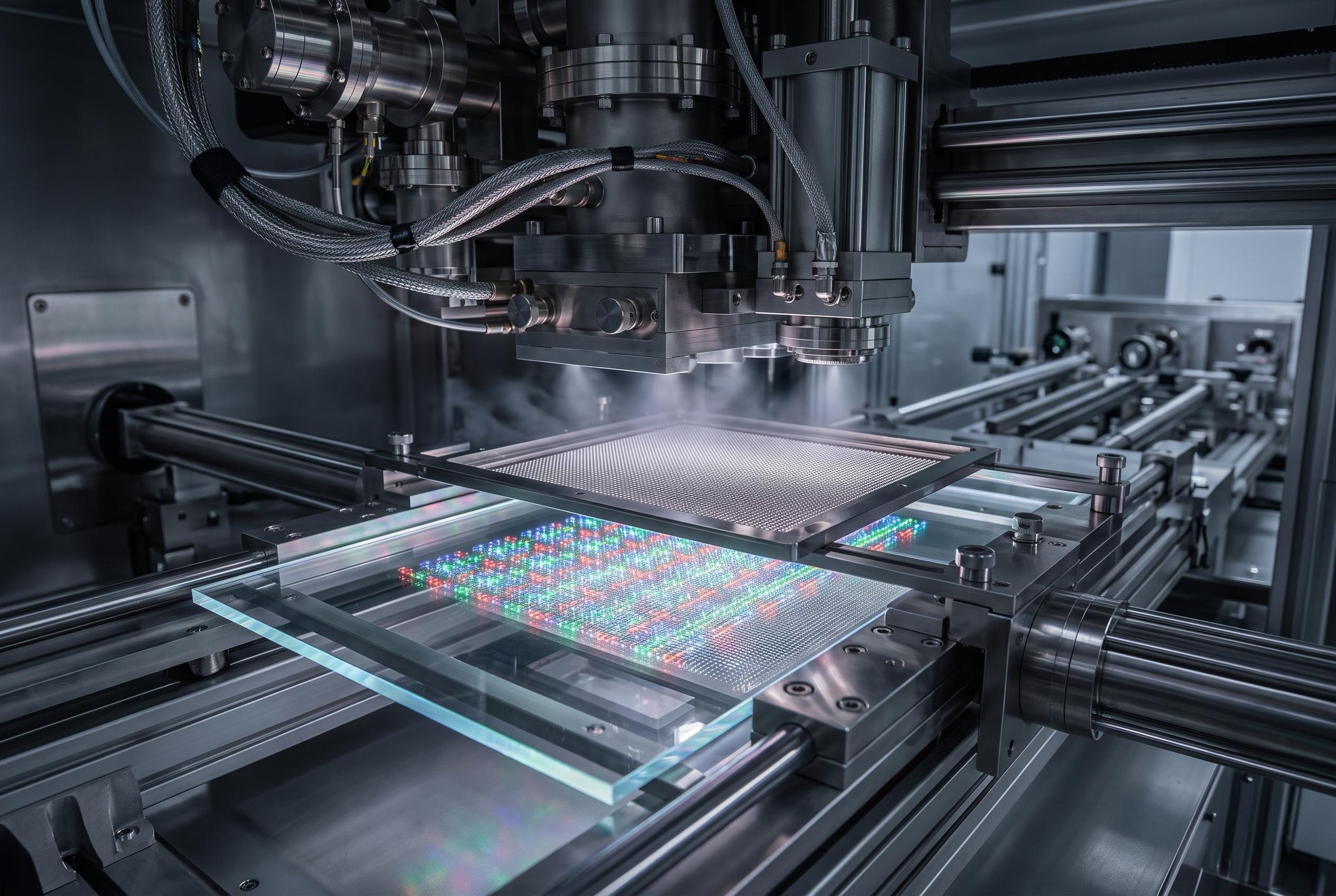
Apple’s OLED iPad ambitions are facing a fresh supply-chain worry as BOE works through recurring glass fractures at a newer Chinese production line. The setback could complicate supplier qualification, limit display availability and make future OLED iPads harder, or more expensive, to produce as Apple expands beyond its established display partners.
One broken panel can stop an entire production line
Large OLED glass sheets sound simple enough, but they're among the most unforgiving parts of modern display manufacturing. When one fractures, the result isn't merely a rejected panel. The line may need to stop while workers clear shards, examine machinery and check whether other substrates were affected.
The recurring issue is affecting BOE's B16 facility in Chengdu, where an 8.6-generation production line has been experiencing substrate fractures since entering early production. Investigators are reportedly still weighing several possible causes, including equipment faults, material quality and demanding process conditions.
That's why the problem matters even if the actual breakage rate looks tiny. A handful of failures per thousand substrates can still interrupt a factory built for near-continuous output. In display production, boring consistency is the real superpower.
BOE’s Apple opportunity arrived at a delicate moment
BOE has been trying to strengthen its position in Apple's display supply chain, but the timing of these failures couldn't be less convenient. The company has reportedly only recently begun qualification work, a process that tests far more than whether a screen simply lights up.
Brightness, colour accuracy, durability and defect rates all come under scrutiny. The MacRumors report on BOE's manufacturing problem noted that prolonged instability could delay or jeopardise potential OLED iPad orders, particularly if the line can't show reliable yields during evaluation.
Apple is also working toward a broader OLED tablet range. Industry reporting has pointed to OLED iPad Air models as a possible 2027 development, with Samsung Display expected to play a major role. BOE wanted a share of that business, but a supplier that can't keep production moving risks losing both timing and negotiating leverage.
The bigger OLED iPad plan is getting more complicated
Apple's shift from LCD to OLED promises richer contrast, slimmer hardware and potentially better power efficiency. Those benefits are attractive, but OLED panels are difficult to make at scale, especially when manufacturers move to larger substrates designed for multiple panels at once.
The iPad Air is only part of the conversation. MacRumors has also reported that several Apple products could adopt OLED displays, while separate coverage has pointed to a possible OLED iPad mini with a notably higher price than the current model. If supply remains tight, that kind of upgrade could feel less like a routine refresh and more like a premium jump.
For shoppers, the practical takeaway is simple: the first generation of a new OLED iPad design may not be the cheapest entry point. New screen technology, limited initial production and supplier disruptions can all push pricing upward. Waiting for a later generation could offer better availability and a calmer price tag.
Why Samsung and LG still have an advantage
BOE has invested heavily in advanced OLED manufacturing, and China's display industry has made rapid technical progress. But Samsung Display and LG Display have years of experience refining yields, equipment settings and quality controls across demanding production lines.
That experience gives established suppliers an important cushion when Apple sets fixed launch windows. If BOE can't isolate the cause of the fractures, Apple may lean more heavily on partners that can deliver predictable volumes, even if that reduces its supplier-diversification goals.
The situation also reflects wider tensions in the electronics supply chain. Apple wants more than one dependable display source, while governments and manufacturers are focused on building domestic technology capabilities. A factory-level problem can therefore become a strategic issue, not just an engineering nuisance.
What buyers should watch before upgrading
The most useful signals will be whether BOE confirms stable output, progresses through Apple's qualification process and earns a meaningful production role. Neither Apple nor BOE has publicly detailed the issue, so reports about line performance and supplier assignments will remain especially important.
If BOE resolves the problem, its involvement could help Apple increase OLED iPad supply and keep future models from relying too heavily on Samsung. If not, Apple may delay certain models, trim initial availability or accept higher component costs.
For now, anyone considering an OLED iPad should watch launch timing, storage pricing and early stock levels rather than assuming every announced model will be easy to find. New displays are exciting, but a beautifully vivid screen is less useful when the tablet is expensive or perpetually out of stock.
It's a small crack in a factory, but it could leave a surprisingly large mark on Apple’s next iPad cycle.
Disclaimer: This article may have been created with AI assistance and reviewed by our editorial team. It is provided for general informational purposes only. Readers should verify information independently before relying on this content.
