
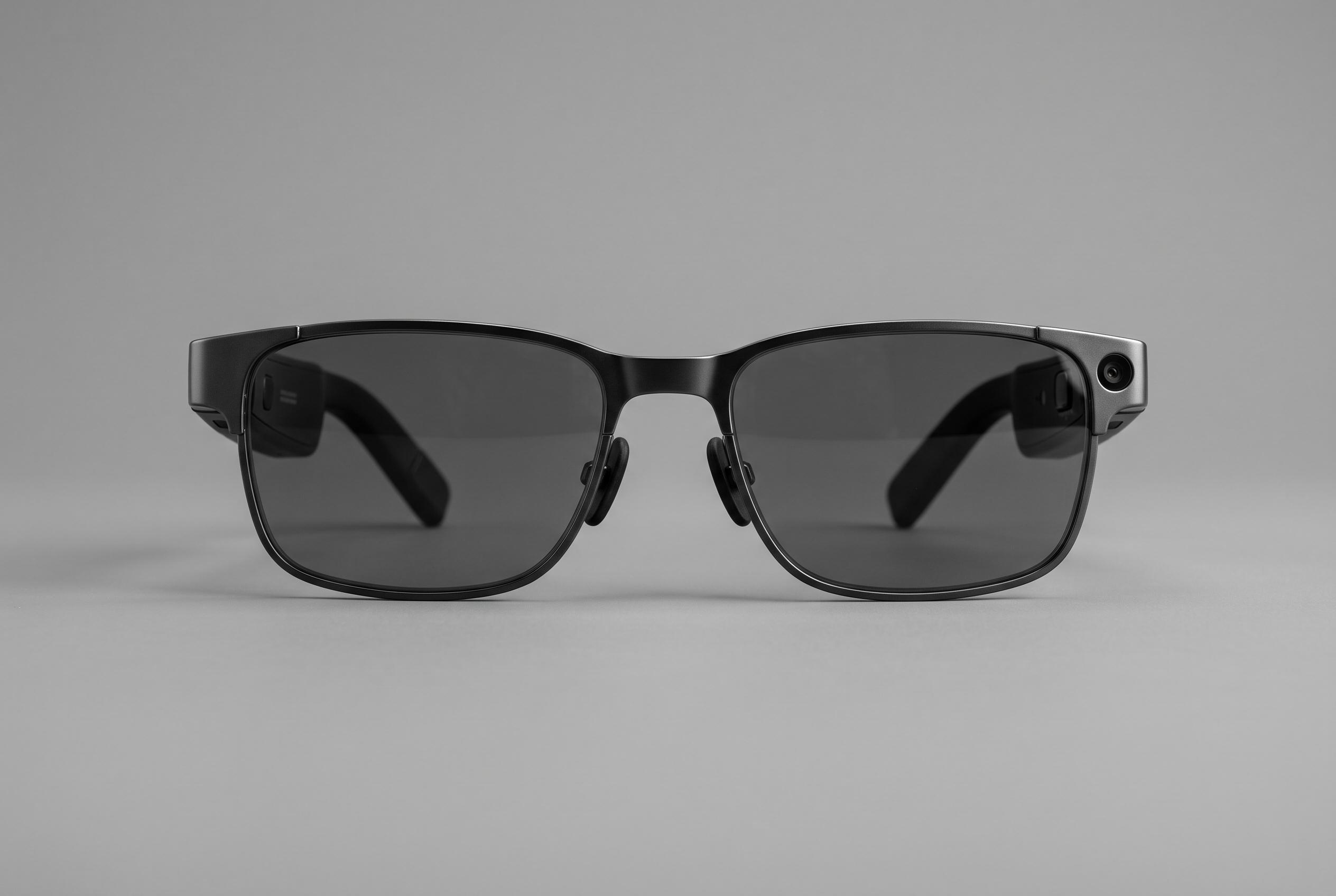
- Emphasizes extending the lifespan of smart eyewear through repairability and software support
- Highlights the importance of durable design, replaceable components, and realistic expectations for long-term use
- Discusses EU policies promoting durability and repairability in electronic products
Technology companies continue to introduce new product generations with faster processors, improved cameras and expanded artificial intelligence capabilities. These features can influence consumer demand for newer devices.
From a sustainability perspective, product lifespan is another consideration, particularly how long consumers continue using existing products before replacing them.
This question becomes relevant when electronics are incorporated into products that traditionally have longer useful lives. Eyeglasses are one example. A pair of frames can be worn regularly over several years, while prescription lenses can be replaced as a wearer’s optical requirements change.
Adding cameras, microphones, speakers, batteries, wireless connectivity and software introduces components and functions associated with shorter technology development cycles.
Smart glasses therefore combine characteristics of traditional eyewear with those of connected electronic devices. Their production requires materials, electronic components, manufacturing, energy and transportation. Product design can influence how long these devices remain in use before replacement.
The E-Waste Problem Makes Product Lifespan Matter
The volume of electronic waste has increased the focus on product lifespan and end-of-life management. According to the Global E-waste Monitor 2024, the world generated 62 billion kilograms of electronic waste in 2022. The report states that 22.3% was documented as formally collected and recycled through environmentally sound systems.
The same report projects global e-waste generation could reach 82 million tonnes by 2030.
Smart glasses represent a small portion of the overall electronic waste stream. However, they combine multiple materials and electronic components in a compact product. These can include plastics, metals, glass, printed circuits, speakers, sensors and rechargeable lithium-ion batteries.
The combination of these materials can affect how the products are handled at the end of their useful lives. Product lifespan is therefore one consideration alongside end-of-life recycling. Extending the period during which a functioning product remains in use can reduce the frequency with which a replacement product needs to be manufactured.
For smart eyewear, product longevity can involve repairability, battery performance, software support and the availability of replaceable components.
Smart Eyewear Has One Longevity Advantage: People Already Wear Glasses
Many technology products require users to adopt new usage patterns. Eyewear is already part of daily routines for people who wear glasses.
People may wear glasses while walking, working, traveling and performing everyday activities. Integrating technology into an established eyewear format can allow connected functions to be incorporated into an existing routine.
Ray-Ban Meta glasses use cameras, audio, voice controls and connected functions within conventional eyewear designs rather than requiring a separate wearable format.
Current Ray-Ban Meta models are also available with prescription options. For people who require corrective lenses, the glasses serve an optical function in addition to their electronic capabilities.
This combination means that connected eyewear can serve both an optical and electronic purpose within the same product. Product design, comfort, appearance and functionality can therefore influence how frequently and how long the device is used.
Prescription Compatibility Can Turn a Gadget Into Everyday Equipment
Prescription compatibility is one factor that distinguishes smart eyewear from some other wearable electronics. A product used primarily for electronic functions may depend on those functions to maintain its relevance to the user. Prescription eyewear also serves an ongoing optical requirement.
Ray-Ban currently offers Meta frames with corrective-lens options, including current-generation models. This allows the same frame to support both prescription and connected functions.
Prescription compatibility also creates a longer-term consideration when a wearer’s vision changes. If the electronic frame remains functional, the availability of compatible replacement or updated prescription lenses can affect whether the product continues to be used. Optical servicing and information about compatible lenses can therefore form part of the product lifecycle.
The same consideration applies to other connected products that can accommodate changes in user requirements through replacement components or software updates.
Physical Durability Is Only Half the Problem
Traditional glasses can remain in use as long as their frames and lenses remain functional and suitable for the wearer.
Smart glasses also depend on electronic and software components.
The physical frame may remain usable while the software ecosystem changes. Connected eyewear can rely on mobile applications, smartphone operating systems, wireless standards, cloud services and artificial intelligence features.
Software support can therefore affect the functional lifespan of a connected product. Meta continues to provide firmware and feature updates for its current smart-glasses products in 2026. For consumers evaluating long-term use, information about the expected duration of software and security support can also be relevant.
A product can remain physically functional while experiencing reduced compatibility if software or connected services are discontinued.
This issue applies across connected electronics, where software requirements and hardware development cycles can influence how long devices remain compatible with current services.
Good Software Updates Should Extend Life, Not Shorten It
Software updates can affect the functional lifespan of electronic products.
Updates can address security issues, maintain compatibility, improve reliability and introduce features without requiring new hardware. Conversely, changes in software requirements can affect processing demands, battery consumption or compatibility with older hardware.
For connected products with longer intended lifespans, manufacturers can provide information covering:
- - Security-support periods
- - Compatibility requirements
- - Advance notice of service changes
- - Software requirements for older hardware
- - The availability of core functions if cloud-based services are discontinued
Providing this information allows consumers to assess the expected software lifespan of a connected product alongside its hardware specifications.
Repairability Matters Before Anything Breaks
Eyewear can be exposed to repeated physical use. Frames may be opened and closed frequently, placed in bags, dropped or exposed to heat and other environmental conditions.
Traditional glasses can often be serviced through component adjustment or replacement. Lenses can be replaced, while screws, nose pads and other components can be serviced depending on the frame. Integrated electronics introduce additional repair considerations.
Ray-Ban provides an aftersales pathway for repairs and warranty claims, while Meta directs owners of its AI glasses toward the Ray-Ban repair system. The availability of an established service channel provides consumers with a route for addressing certain product issues.
Repairability can also be influenced by product architecture, diagnostic access, spare-parts availability and professional servicing options.
Not every component needs to be designed for consumer replacement. Batteries, cameras and sensors in compact eyewear can involve requirements related to weather resistance, alignment, safety, size and comfort. Professional servicing can provide another approach to extending product use.
These considerations are also part of broader right-to-repair discussions covering electronic products and access to repair services, components and technical information.
The Battery May Be the Hardest Longevity Problem
Rechargeable batteries present a specific longevity consideration for smart glasses because battery capacity decreases over time and with use.
The frame may remain functional while the battery provides progressively less operating time. As a result, battery performance can affect the practical lifespan of the complete product.
Meta currently states that the battery inside Ray-Ban Meta glasses cannot be replaced. The charging case battery is also not replaceable, although replacement charging cases are available.
Battery management can influence performance through charging software, thermal management and user guidance, but these measures do not eliminate the effects of battery aging.
Future smart-eyewear designs may consider different approaches to battery servicing while balancing factors such as product size, safety, weather resistance and comfort.
Charging Accessories Should Not Become a Reason to Replace the Product
Charging systems are another component of the product lifecycle.
Proprietary charging solutions are used in some wearables because compact products may not have sufficient space for conventional charging ports. These systems can create a requirement for compatible charging accessories throughout the product’s useful life.
The continued availability of replacement charging cases, cables and other essential accessories can therefore affect product usability.
Standardized charging approaches can provide compatibility where technically feasible. Where proprietary components are required, manufacturers can provide information about replacement accessory availability and support periods.
Europe Is Increasingly Treating Durability as a Design Requirement
Product durability and repairability are increasingly addressed through European regulatory frameworks. The European Union’s Ecodesign for Sustainable Products Regulation entered into force in July 2024 and establishes a framework under which product-specific requirements can address factors including durability, repairability, recyclability and resource efficiency.
The regulation does not establish identical repair requirements for every electronic product. Specific requirements are developed for individual product groups.
The EU’s right-to-repair rules also entered into force on July 30, 2024, with measures intended to make repair more accessible for covered products.
Smart eyewear is part of the wider discussion around connected products as more traditional consumer goods incorporate batteries, software and wireless connectivity. Product lifespan can therefore depend on both physical components and electronic support.
Multifunctionality Only Helps If It Actually Replaces Something
Smart glasses can combine functions that are traditionally provided by separate devices or accessories. Current models can capture photographs and video, play audio, support calls and provide voice-based functions while also serving as eyewear.
Combining multiple functions in one product does not automatically reduce the number of electronic devices owned by a consumer.
For example, a person may use smart glasses while continuing to own a smartphone, headphones and a camera. In this case, the connected glasses add functions without necessarily replacing another electronic product.
The environmental effect of multifunctionality therefore depends partly on whether the product replaces an existing device or changes purchasing and replacement patterns.
For consumers who require prescription glasses, smart eyewear that also provides audio or connected functions could combine the roles of multiple products. Other consumers may continue using separate devices for the same functions.
Design Should Make People Want to Keep the Same Product
Product longevity can also be influenced by appearance and design preferences.
Eyewear is a personal product that is visible during everyday use. Changes in frame styles and consumer preferences can therefore affect replacement decisions independently of physical or electronic functionality. A frame design that remains compatible with changing preferences may be used for a longer period than a design associated with a short-term trend.
Manufacturers can also support longer use through compatible replacement lenses, accessories and repair services across product generations where technically and commercially feasible.
Product design can therefore affect both the physical lifespan of eyewear and the likelihood that consumers continue using it as styles and preferences change.
Consumers Need Better Information Before Buying
Product longevity also depends on the information available to consumers before purchase.
Specifications commonly cover features such as camera resolution, battery runtime and available functions. Information about longer-term support can provide additional context when evaluating a connected device. For smart glasses and other wearable electronics, relevant questions can include:
- - Can the product be professionally repaired?
- - Can prescription or damaged lenses be replaced?
- - What happens when battery capacity declines?
- - Are replacement chargers and cases available?
- - How long will software and security support continue?
- - Which functions depend on cloud services?
- - What happens if those services are discontinued?
- - Does the manufacturer provide a take-back or recycling program?
These factors can help consumers assess the expected hardware, software and service lifespan of a connected product.
Recycling Should Be the Last Useful Stage, Not the First Sustainability Strategy
Electronic products eventually reach the end of their useful lives, making collection and recycling part of end-of-life management.
Connected eyewear contains materials and electronic components that require appropriate handling when discarded. Recycling can recover some of these materials and reduce the amount of electronic waste sent to disposal.
Recycling, however, takes place after manufacturing, material extraction, processing and product use have already occurred. Extending product use can reduce the frequency of replacement manufacturing during the product’s active lifespan.
For manufacturers, product longevity can therefore be addressed during design through factors such as durability, repair options, software support, battery considerations, replacement accessories and end-of-life collection.
Takeaways
- - Smart glasses are only sustainable if they last.
- - Software support is as important as frame durability.
- - Replaceable lenses and repair options matter.
- - Battery design may decide whether a product is truly long-lived.
- - Buyers should ask support and repair questions before purchase.
Disclaimer: This article may have been created with AI assistance and reviewed by our editorial team. It is provided for general informational purposes only. Readers should verify information independently before relying on this content.
Smart Technology Needs a Healthier Relationship with Time
There is nothing inherently sustainable about putting electronics into eyewear.
Doing so introduces batteries, circuits, software dependencies and additional materials into a product category that can otherwise be remarkably simple and durable.
But connected eyewear also provides a useful test of whether the technology industry can build products around a different objective.
Instead of asking only how much functionality can fit into the next generation, designers can ask how much of the current generation can remain useful.
Can prescription needs change without replacing the electronics? Can damaged parts be serviced? Can batteries survive long enough, or eventually be replaced? Can software remain compatible with older hardware? Can accessories remain available? Can a frame avoid looking obsolete simply because another model launched?
Those questions will become increasingly important as intelligence and connectivity enter more everyday objects.
The future of sustainable technology is unlikely to be a world without sophisticated electronics. A more realistic goal is technology that does not demand constant renewal simply to remain useful.
For smart glasses, success should eventually mean something rather unremarkable: putting on the same pair year after year and having no particularly good reason to replace them.
