
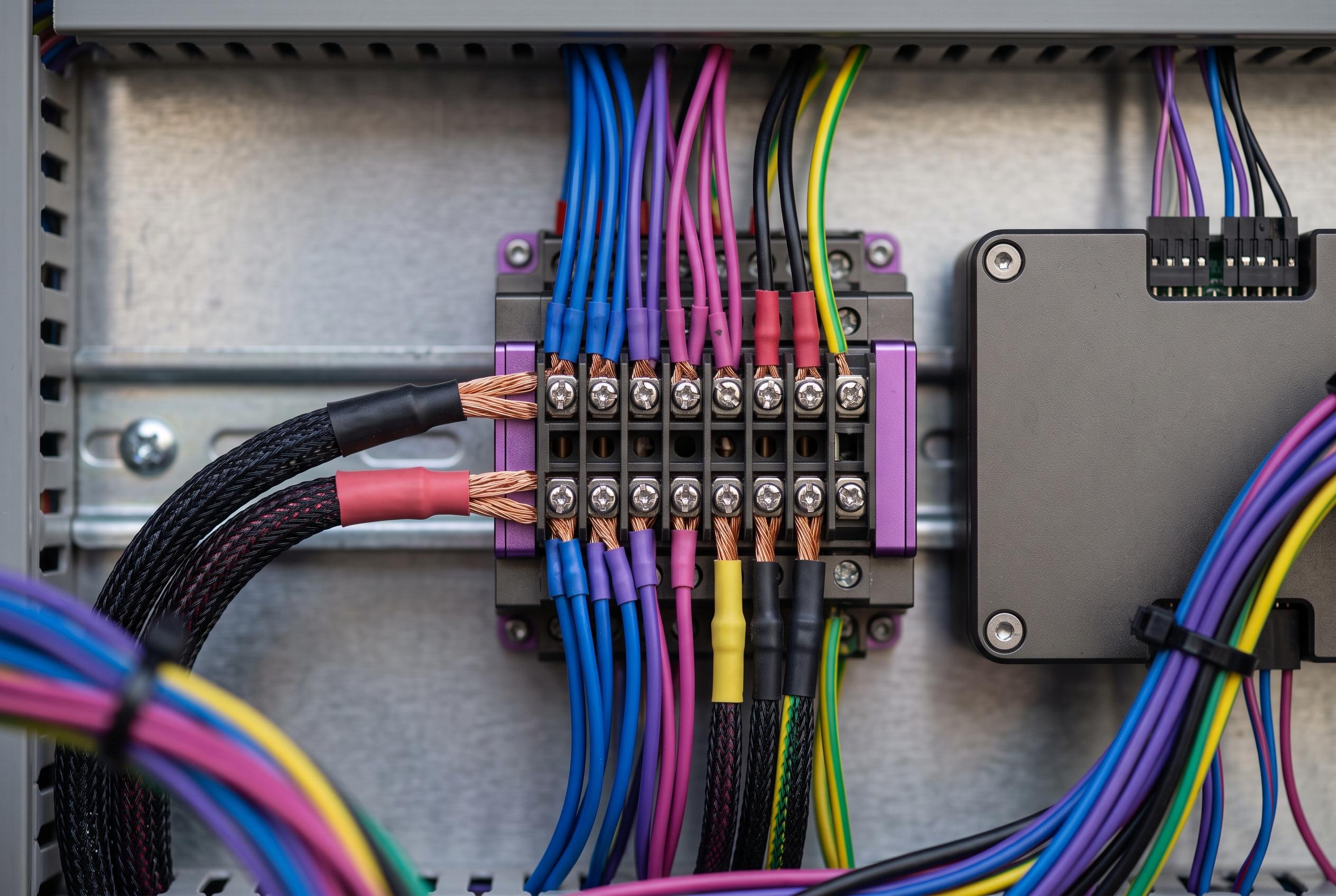
Tinkerers are turning the Raspberry Pi 5 into a surprisingly capable automation hub with Needle 3, a compact AI model built for tool calling rather than conversation. Its small footprint, fast local performance, and ability to connect with services such as Home Assistant make it an intriguing option for private, low-cost smart-home projects.
This Raspberry Pi AI model skips the chatbot baggage
The clever part of Needle 3 is what it doesn't try to do. Unlike a conventional large language model, it isn't designed to write essays, debate philosophy, or act like a general-purpose assistant. Instead, it interprets an instruction and selects a function that can carry out a specific task.
That narrower remit dramatically reduces the computing burden. The Raspberry Pi Foundation describes Needle as a compact function-calling model that turns text into actions, while Cactus Compute positions it for edge applications where speed, privacy, and low memory use matter. It's less like chatting with an AI and more like giving a smart control panel a little language sense.
Needle 3 can also convert loose, unstructured information into JSON and create vector representations from text. Those features make it useful for structured workflows, search, and automation, even though it won't replace a full conversational model for broad questions.
Why Needle 3 suits a Raspberry Pi 5
Running AI locally usually means accepting a compromise. Bigger models offer richer responses but demand more memory and processing power, while smaller chat models can feel slow or limited on single-board computers. Needle 3 takes a different route by making the task itself smaller.
Its sliceable architecture lets builders choose how many layers to use, from two through 20. That matters because a Raspberry Pi 5 can handle a more substantial configuration than an older microcontroller, while a lower-power board can use a reduced version. In practical terms, the same model family can scale from a compact gadget to a more capable edge server.
The result is unusually brisk local performance. In the reported Raspberry Pi 5 test, Needle 3 decoded at 280.2 tokens per second and prefetched input at 996.4 tokens per second. Those figures don't mean it can suddenly become a fast general chatbot, but they do explain why a simple automation command feels almost instant.
Home Assistant turns the tiny model into a useful tool
The most compelling demonstration is pairing Needle 3 with Home Assistant. A small Python program can expose functions such as switching a smart plug on or off, then let the model decide which function matches a plain-English request.
That approach keeps the actual automation logic explicit. The script defines the allowed service, device, and action, while the model handles the interpretation. For a home automation enthusiast, that's a reassuring middle ground: the system feels natural, but it's not handing unlimited control of the network to a mysterious black box.
The same pattern could extend to lights, thermostats, sensors, ESP32 projects, and other Home Assistant entities. It could also support document processing, email workflows, spreadsheet tasks, or carefully scoped self-hosted services. The model's usefulness grows with each tool added, although so does the amount of code that needs testing and maintenance.
Setup is approachable, but this isn't plug-and-play
Getting Needle 3 running on a Raspberry Pi 5 involves installing Python packages, creating a virtual environment, installing the Cactus runtime, and building the model for the board's ARM64 platform. The process is manageable for anyone comfortable with a terminal, but beginners shouldn't expect an app-store-style installation.
Hardware compatibility matters too. The tested Raspberry Pi 5 uses ARM64, while an older first-generation Raspberry Pi Zero with ARMv6 support isn't compatible with the model build described in the experiment. Checking the board architecture first can save a frustrating afternoon of failed compilation.
Security deserves equal attention. Home Assistant access relies on a long-lived access token, so it should be stored outside public code, protected with sensible permissions, and limited to the services the tool genuinely needs. Start with one harmless device, such as a lamp or plug, before expanding the model's reach across your home.
The future of local AI may be smaller and narrower
Needle 3 points to a practical direction for edge AI: models don't always need to be broadly intelligent to be genuinely useful. A compact system that reliably understands "turn on the desk lamp" can be more valuable than a heavyweight chatbot that consumes far more electricity and still needs custom integrations.
That doesn't make Needle 3 a universal AI replacement. Its strength comes from specialisation, and its usefulness depends on the tools a developer connects. But for private automation, quick responses, and projects that should keep working without cloud access, that trade-off feels sensible.
The Raspberry Pi remains a lovely little playground for this kind of experiment. With a few scripts, a modest board can become a responsive local interface for the machines around it, and that's a much more exciting use of AI than another chatbot window.
A smaller model can still make a big difference when it knows exactly what job to do.
Disclaimer: This article may have been created with AI assistance and reviewed by our editorial team. It is provided for general informational purposes only. Readers should verify information independently before relying on this content.
