
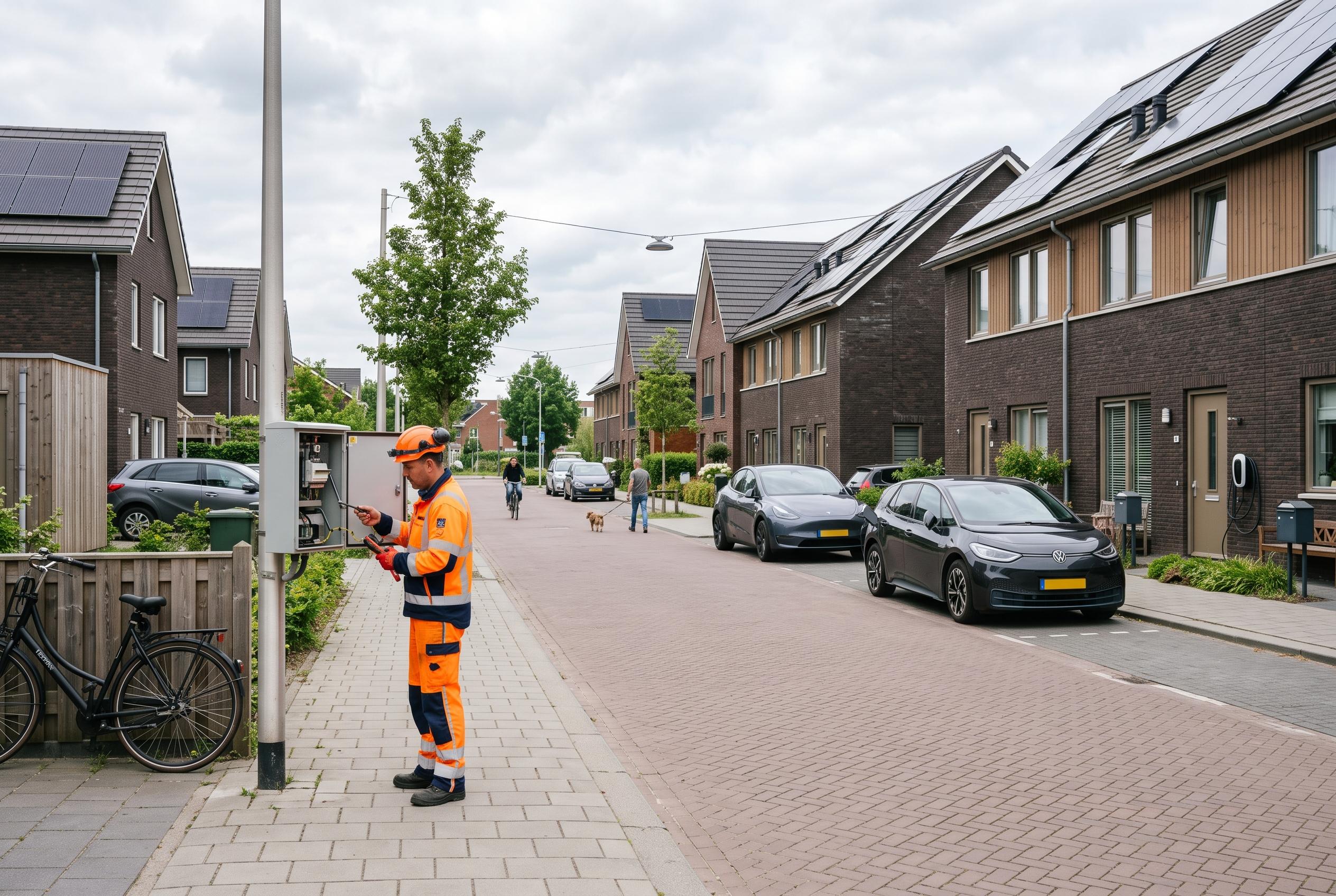
Smart home energy systems are spreading quickly across Europe, but Dutch officials warn that the cloud platforms controlling home batteries, inverters, heat pumps, and EV chargers may not yet be protected for a grid-scale threat. The concern isn't one vulnerable device, but thousands of connected systems responding to one faulty update, attack, or remote command.
One Cloud Platform Could Affect Thousands of Homes
Home batteries are often sold as quiet, helpful boxes that store solar power and lower electricity bills. Behind the scenes, though, many depend on manufacturer software, energy management platforms, and aggregators that can adjust settings or issue commands remotely.
That centralised control is efficient, but it also creates a tempting target. According to the Dutch digital infrastructure inspectorate, a compromised backend could influence inverters, batteries, heat pumps, and EV chargers across many homes at the same time. The risk feels less like one device breaking and more like a single switch being connected to an entire neighbourhood.
The inspectorate says the problem could stem from a bad software update, an attacker exploiting a weakness, or a government pressuring a company under its jurisdiction to cooperate. Each scenario is different, but the potential result is similar: a large block of flexible electrical demand or supply changes suddenly.
Why the Electricity Grid Is Feeling More Exposed
Europe's energy transition is adding more powerful internet-connected equipment to homes. In the Netherlands, the number of heat pumps and EV chargers increased fivefold between 2019 and 2024, according to the inspectorate's position paper.
That growth brings obvious benefits. Smart devices can absorb excess solar energy, delay EV charging until prices fall, and help balance renewable generation. But the more equipment responds to the same software instructions, the more important the control layer becomes.
SolarPower Europe research cited by the inspectorate suggests that an imbalance of at least 3 gigawatts could disrupt the grid. That doesn't mean every cloud-managed battery is an immediate danger, but it does underline why regulators are looking beyond the security of individual products.
Current EU Rules Don't Cover Every Player
The EU Cyber Resilience Act introduces cybersecurity requirements for connected products, but the rules will apply to products placed on the market from December 11, 2027. The inspectorate also says the requirements are broad and rely heavily on manufacturers assessing their own compliance.
NIS2, meanwhile, generally focuses on the size and type of a company rather than the amount of energy capacity it can control. Smaller businesses may fall outside the rules unless national authorities specifically designate them. Companies without an EU establishment can also escape coverage, even if their software influences devices inside Europe.
The emerging Network Code on Cybersecurity doesn't fully close the gap either. Its provisional list of covered entities, with obligations expected from mid-2028, doesn't yet include manufacturers or energy management system providers. For homeowners, that means a product can look modern and well connected while the organisation operating its control platform remains less visible.
Regulators Want Security Tied to Power Capacity
The Dutch inspectorate is calling for device-specific, harmonised EU standards and wants more of these products added to the Cyber Resilience Act's important class II category. That classification would bring independent assessment before products could be sold in the EU, rather than leaving security largely to internal checks.
It also proposes expanding NIS2 to cover companies that can remotely control enough capacity to threaten grid stability, regardless of their headcount or country of incorporation. That's a practical shift. A small aggregator managing thousands of batteries may deserve closer scrutiny than a much larger firm with no ability to alter energy flows.
A European Commission expert group has already recommended classifying solar inverters as important class II products and limiting exposure to high-risk suppliers. Its review didn't yet cover EV chargers, heat pumps, or battery storage, leaving some of the most relevant equipment waiting for a fuller assessment.
What Homeowners Should Check Before Buying
Consumers can't audit a manufacturer's cloud architecture, but they can ask a few useful questions before choosing a home battery or energy management service. Look for clear information about software updates, vulnerability reporting, data hosting, account security, and what happens if the cloud service goes offline.
It's also worth checking whether the system has local controls or a safe fallback mode. A battery that can continue basic operation without a permanent internet connection may be less exposed than one that depends entirely on remote commands. Strong passwords and multifactor authentication matter too, especially when an app controls high-power equipment.
Security researchers at the European Network for Cyber Security demonstrated how a compromised smart-home device could send commands to a residential inverter or battery on the same network. That is a useful reminder that the weakest device in a connected home may not be the battery itself.
The Next Test Is Independence, Not Just Convenience
At a Brussels cybersecurity forum, ENCS researcher Harm van den Brink said more high-power internet-connected devices are being deployed every day and called for independent security testing based on the amount of power that could be affected. He also emphasised ongoing vulnerability management by manufacturers.
That approach makes sense as batteries and flexible loads become part of everyday grid operations. A sleek app and clever tariff optimisation are appealing, but resilience matters just as much when the device can influence the electricity system beyond one home.
Researchers have also identified thousands of internet-facing systems at European solar and wind sites that should not be openly reachable online. The message for regulators is clear: connected energy will need stronger guardrails before convenience turns into concentration risk.
Safer smart-energy systems will depend on secure devices, tougher cloud oversight, and rules that measure influence rather than company size alone.
Disclaimer: This article may have been created with AI assistance and reviewed by our editorial team. It is provided for general informational purposes only. Readers should verify information independently before relying on this content.
