
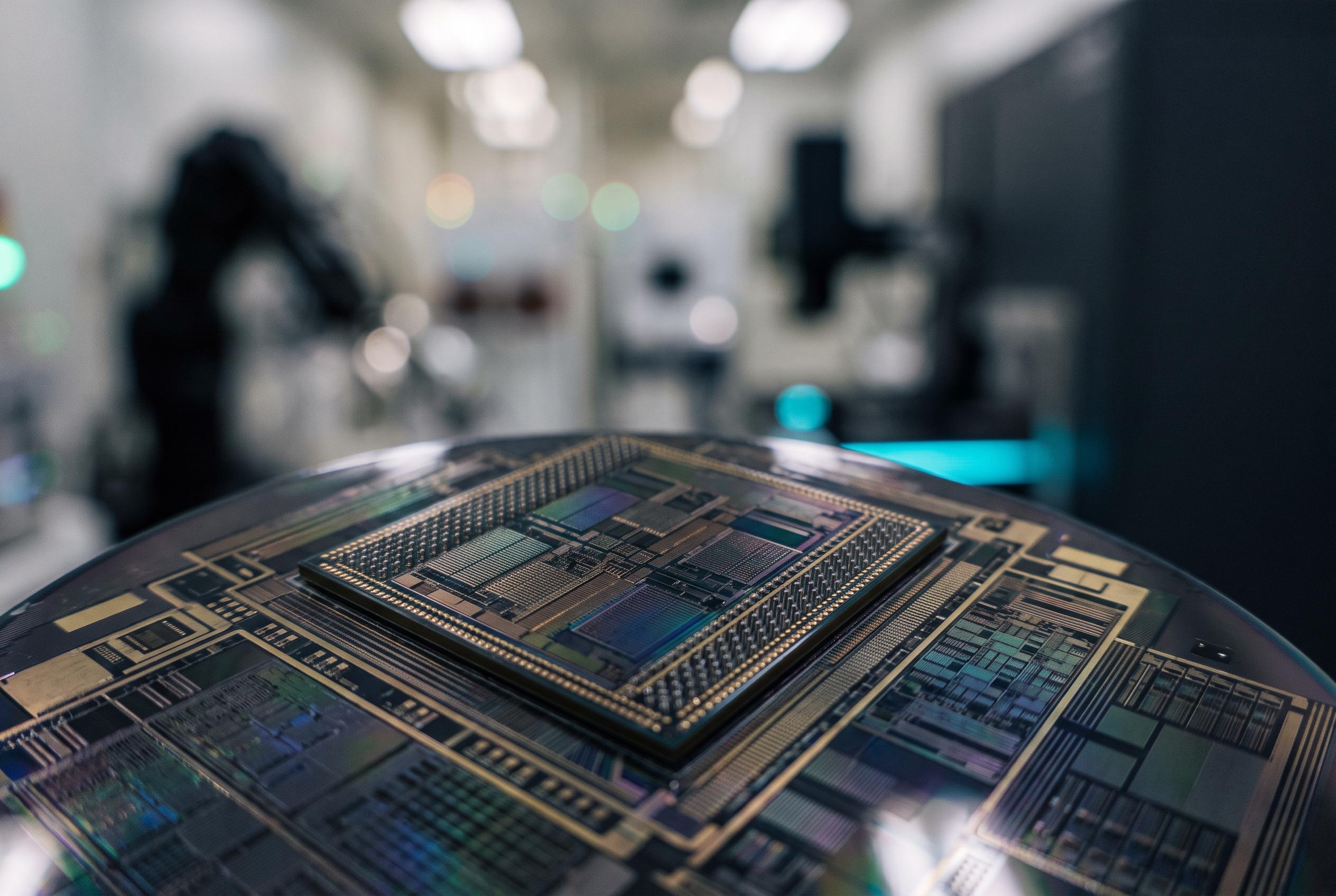
Huawei is extending its LogicFolding chip strategy beyond its latest foldables, with chairman Richard Yu confirming that more smartphones will use the technology. The move matters because demand for Huawei phones is rising while China’s advanced chip production capacity remains tight, making each new device a careful balancing act.
Huawei is betting on LogicFolding for its next phones
Huawei isn't treating LogicFolding as a one-device experiment. At a Global Media Roundtable, Consumer Business Chairman Richard Yu said the company plans to use the architecture in more smartphones, giving its chip strategy a clearer long-term direction.
The technology has already appeared in premium hardware, including the Mate XT 2 triple-foldable and the Mate 90 series. According to Huawei Central, the Kirin 9050 Pro is the first major chip associated with this new approach, placing it at the centre of Huawei's latest push for greater in-house silicon capability.
That makes the announcement more significant than a routine component update. Huawei is effectively saying that its newest chip platform will move from showcase products into a broader phone lineup.
Why chip supply is still the biggest hurdle
The enthusiasm comes with a sizeable caveat: production capacity remains limited. Yu said China's current ability to manufacture advanced semiconductors can't yet keep pace with rapidly increasing demand, so Huawei has created a planning system to map chip requirements across its future phones.
That sounds practical, but it also underlines how carefully the company must manage its product schedule. A striking foldable can attract attention quickly, while a wider smartphone portfolio requires a steadier flow of processors, memory and other components. The machinery behind the glossy handset is far less glamorous, but it's what determines how many people can actually buy one.
Rising memory prices have added another layer of pressure. Huawei says it still expects to meet current shipment needs, but maintaining that pace will be more difficult if component costs and manufacturing constraints continue to squeeze the market.
The Mate XT 2 and Mate 90 set the pattern
Huawei's rollout follows a familiar technology strategy: introduce new hardware in an expensive flagship, then extend it to more mainstream premium devices. The Mate XT 2 triple-foldable provided the dramatic debut, while the Mate 90 family gave the chip a more conventional smartphone home.
That progression matters for buyers. Foldables are useful showcases because their unusual designs create room for new software and hardware ideas, but standard flagship phones remain the volume drivers. If LogicFolding performs well across both categories, Huawei will have a stronger case for making it a recurring part of its mobile range.
For now, however, consumers shouldn't assume every upcoming Huawei handset will receive the newest processor. Capacity limits could mean the technology appears first in carefully selected models, especially while the company works through its requirement plan.
What LogicFolding could mean for future buyers
The name points to a chip architecture intended to improve how Huawei approaches advanced smartphone processing, although the company hasn't publicly provided enough detail to judge every practical benefit. Buyers should therefore focus less on the label and more on familiar measures such as battery life, camera performance, network support, heat management and app compatibility.
That last point is particularly important for shoppers outside China. A faster or more efficient chip won't solve every international buying concern if software services, regional networks or retail availability remain limited. Huawei's hardware progress is clear, but the everyday experience still depends on the complete phone ecosystem.
If you're comparing a future Huawei model with rival flagship phones, check independent performance tests and real-world battery reviews rather than relying on architecture names alone. A clever chip design is promising, but the quiet details, like sustained speed and heat during gaming, are what users notice after the unboxing excitement fades.
Huawei's global ambitions depend on manufacturing scale
Huawei wants to increase semiconductor output so it can develop more advanced products for customers in China and overseas. That goal could eventually help the company release LogicFolding-powered phones more widely, but expanding advanced chip production is a slow, expensive process rather than a quick switch.
The timing will also matter. Smartphone buyers are becoming more selective as prices rise, and premium foldables already occupy a narrow slice of the market. Huawei has the technology story and the high-end products, but it still needs dependable supply, competitive pricing and broad distribution to turn momentum into lasting global growth.
For now, LogicFolding looks like an important building block in Huawei's smartphone recovery plan. The next test is simple: can the company make enough of these chips to put them in the hands of more people?
It's a promising chip strategy, but scale will decide how far it travels.
Disclaimer: This article may have been created with AI assistance and reviewed by our editorial team. It is provided for general informational purposes only. Readers should verify information independently before relying on this content.
