
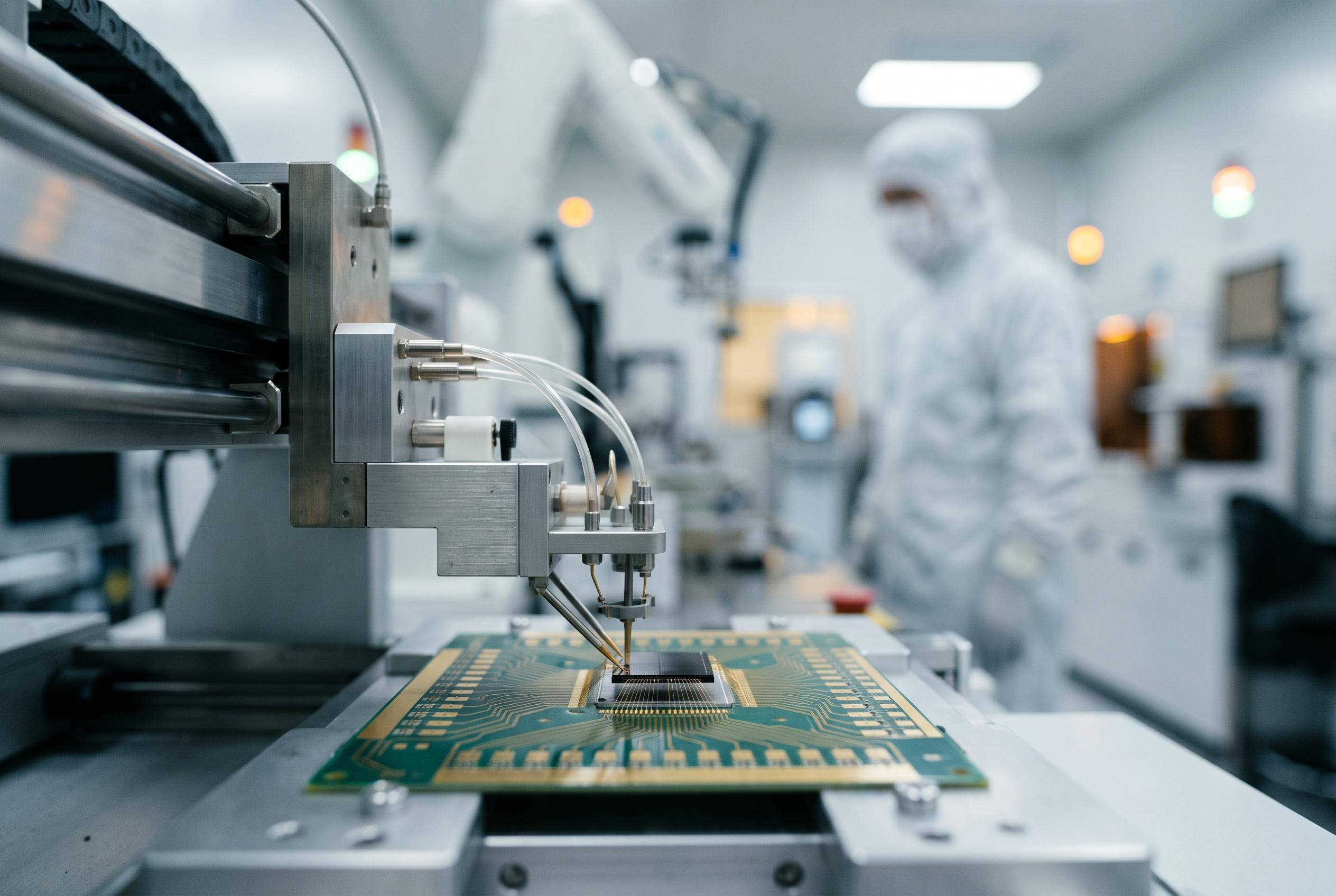
Visitors to SEMICON India 2026 saw India’s semiconductor ambitions take a more practical shape, from homegrown processors and AI chips to packaging, talent, and manufacturing. Held at Yashobhoomi in New Delhi, the three-day event showed why the country’s chip strategy is moving beyond fabs toward a connected, end-to-end technology ecosystem.
Essential Takeaways
- - A broad industry showcase: More than 600 companies presented chip design, equipment, materials, packaging, AI, and computing technologies.
- - Homegrown processors took the stage: C-DAC and other Indian organisations highlighted RISC-V designs, compute systems, and connectivity hardware.
- - AI is moving closer to the edge: New chips are being developed for surveillance, robotics, drones, smart sensors, and mobility.
- - Talent remains central: More than 100,000 engineers have joined government-backed chip-design and training programmes.
- - Production is beginning: Twelve semiconductor projects have been approved across six states, with three facilities already in commercial production, according to the event material.
India’s chip story is getting more tangible
The most striking feature of SEMICON India 2026 wasn't a single glamorous gadget. It was the sheer range of activity on display. At Yashobhoomi, the exhibition connected processor design, AI, packaging, testing, equipment, materials, and system integration in one sprawling view of India's technology ambitions.
That matters because semiconductor strength isn't built by opening a fab and waiting for results. It depends on the less visible pieces too, including specialist suppliers, design software, skilled engineers, testing capacity, and companies capable of turning chips into useful products. Reports from the India Brand Equity Foundation described the event as a sign that India's semiconductor push is shifting from ambition toward a functioning ecosystem.
The theme, "Silicon to Systems: Building the Ecosystem", captured that change neatly. India's pitch is no longer limited to making chips. It's increasingly about designing them, embedding them in products, and building the surrounding industrial network.
RISC-V and local processor design move forward
C-DAC showcased its AUM HPC-AI Processor and RUDRA-AUM compute node, offering a glimpse of India's effort to develop computing capability at both chip and system level. The exhibition also featured domestic work in application-specific chips for telecommunications, automotive systems, AI, and surveillance.
RISC-V was another important thread. C-DAC's indigenous 64-bit processor uses the open architecture, while InCore Semiconductors presented processor intellectual property and system-on-chip design tools. According to coverage from India Science and Technology, these efforts reflect a broader push to give Indian companies and institutions more control over processor development.
For readers outside the chip industry, the appeal of RISC-V is fairly simple: it provides an open instruction set that designers can adapt for particular uses. That can make it easier to build specialised processors for edge AI, embedded devices, industrial equipment, and connected products, rather than relying entirely on off-the-shelf designs.
The quiet chips behind everyday products
Some of the most practical developments at the exhibition involved products that rarely get the spotlight. Vervesemi Microelectronics, for example, is working on chips for motor control, energy meters, data acquisition, appliances, electric mobility, and drones.
These are the components that can help make washing machines smarter, electric vehicles more efficient, and industrial systems easier to monitor. They may lack the instant drama of a supercomputer, but they represent a valuable commercial opportunity. Industry coverage from SEMICON Leaders Asia also pointed to the event's emphasis on applications, talent, and partnerships across the wider value chain.
Aheesa Technology showed an internet connectivity device capable of speeds of up to 1 Gbps and able to connect roughly 64 homes through a single optical line terminal. Built around an Indian software platform and C-DAC's processor, it was a useful example of how local chip design can combine with networking hardware and software.
AI chips are heading into cameras, robots, and drones
Artificial intelligence had a particularly visible role at SEMICON India 2026. Netrasemi presented AI-capable systems-on-chip aimed at secure surveillance, smart sensors, robotics, drones, and mobility applications.
The company has taped out an AI SoC for CCTV surveillance using a 12 nm process. The chip combines machine-learning acceleration with vision processing and video functions, allowing more analysis to happen at the edge instead of sending every image to a remote data centre.
That shift can reduce latency and limit the amount of data that needs to travel across a network. It also creates fresh demand for chips designed around specific tasks, whether that's recognising activity on a camera feed, guiding a drone, or helping a machine respond quickly to its surroundings. The India Brand Equity Foundation's reporting highlighted this movement from individual chip projects toward complete systems.
Can policy support become production?
India's next challenge is turning a strong policy platform into dependable commercial output. The Semicon 2.0 programme, approved in July 2026 with an outlay of Rs 1,27,500 crore, focuses on six areas: design, machines and materials, fabs, advanced packaging, research, and talent.
The programme builds on Semicon 1.0, while the broader Semicon India Programme has approved 12 projects across six states with investment commitments above Rs 1.64 lakh crore. According to SemiconHunt, five semiconductor plants were expected to be operational by the end of 2026, while event materials said three facilities had already begun commercial production. That distinction underlines how quickly this sector is changing, and why project timelines matter as much as headline investment figures.
Training is equally important. The Chips to Startup Programme and Design Linked Incentive Scheme have brought more than 100,000 engineers from over 500 organisations into chip-design initiatives, with participation from hundreds of academic institutions and start-ups. Government information cited by India Science and Technology says these programmes have supported more than 300 chip designs and provided access to advanced design tools, fabrication services, and specialised training.
A bigger test than building one successful chip
SEMICON India 2026 made one point hard to miss: a semiconductor ecosystem is a team sport. Designers need foundries, foundries need equipment and materials, and all of them need researchers, technicians, customers, and reliable infrastructure.
The event's start-up and workforce pavilions were therefore just as significant as the demonstrations of processors and AI hardware. They showed an attempt to create a pipeline from classroom and research lab to commercial product, rather than treating innovation as a handful of isolated breakthroughs.
India still faces stiff competition from established semiconductor hubs, and building a resilient supply chain takes years. But the direction is becoming clearer. As SEMICON Leaders Asia reported, the country's latest showcase brought scale, talent development, and global engagement into the same conversation. That's a more grounded story than simply promising to become the next chip superpower.
The real measure will come when locally designed components appear reliably in telecom networks, vehicles, appliances, industrial machines, and AI systems. For now, SEMICON India 2026 suggests that the foundations are being assembled, one processor, package, training programme, and production line at a time.
Explore the ecosystem, not just the headline chip.
Disclaimer: This article may have been created with AI assistance and reviewed by our editorial team. It is provided for general informational purposes only. Readers should verify information independently before relying on this content.
