
Japan is rebuilding its supply-chain safety net, from restarting domestic penicillin production to testing a vast rare earth deposit beneath the Pacific. The push matters for hospitals, electric vehicle makers, electronics companies, and anyone watching how geopolitical tensions are reshaping the global economy.
Japan is rebuilding what globalization left behind
The most striking part of Japan’s supply-chain strategy is its contrast. One project looks backward, reviving a familiar pharmaceutical process, while the other reaches 6,000 meters beneath the Pacific in search of a future resource.
Together, they show how quickly “cheap and efficient” has given way to “available when needed.” The Japan Times has reported growing concern over the country’s exposure to China’s dominance in critical minerals, while Japan News 24 highlighted the parallel effort to restore penicillin manufacturing.
That shift has a very practical consequence. A medicine or magnet can be relatively inexpensive, but if one missing ingredient stops production, the entire supply chain can grind to a halt.
Why penicillin production is returning
Meiji Seika Pharma ended domestic penicillin production in 1994 after Chinese manufacturers gained a powerful cost advantage. Lower labor and energy costs, larger industrial complexes, and integrated production helped make overseas sourcing difficult for Japanese companies to match.
But the business case has changed. Japan reportedly relies on imported active ingredients and raw materials for roughly 70% of its medicines, leaving hospitals exposed to shipping problems, factory interruptions, and geopolitical shocks. Japan News 24 described the penicillin revival as part of a broader effort to reduce that vulnerability.
The project also carries a human element. Veteran engineer Koichiro Yamada is helping pass older production knowledge to younger staff before his retirement. That matters because restarting a plant isn't simply a matter of switching on old equipment. Fermentation, purification, contamination control, and quality testing all require specialist experience.
The Pacific mud could reshape Japan’s rare earth outlook
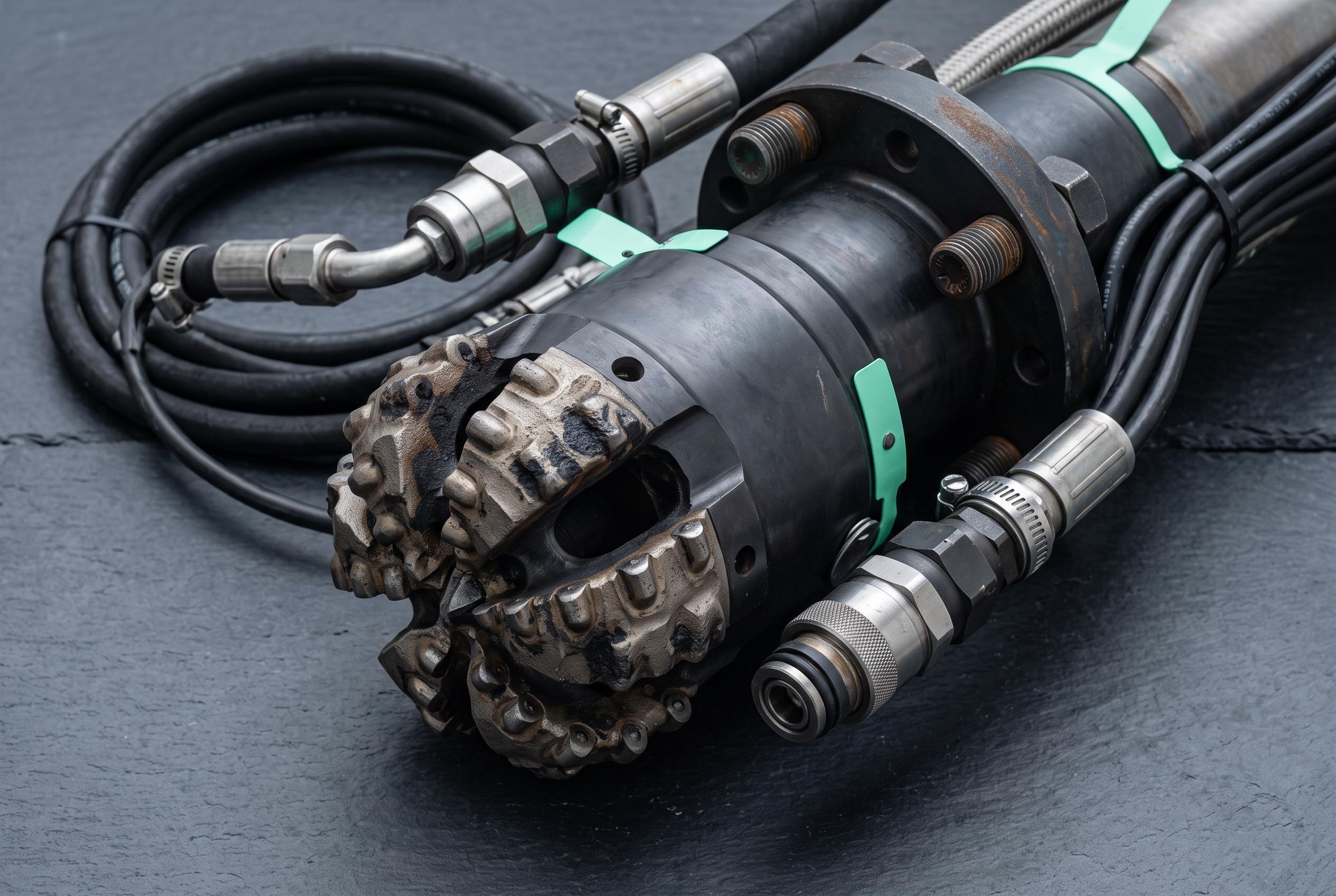
Far offshore near Minamitorishima, researchers have recovered dark seabed sediment packed with rare earth elements. Japan’s government-backed expedition used the scientific drilling vessel Chikyu, marking an important technical step in exploring the deposit.
The potential scale is eye-catching. Researchers estimate that an area of roughly 2,500 square kilometres could contain about 16 million tons of rare earth elements, including yttrium and dysprosium. Japan Times coverage has focused on the deposit’s possible importance as China tightens control over some mineral exports.
Rare earths are used in electric vehicle motors, smartphones, industrial equipment, lighting, and defense systems. They aren't usually needed in large amounts, but that’s precisely why they can be so troublesome. A tiny shortage of one specialized element can delay an entire product.
Huge reserves don't guarantee cheap supplies
This is where the exciting headline meets the messy engineering reality. Recovering sediment from a depth of around 6,000 meters requires equipment that can withstand crushing pressure, operate reliably, and bring large quantities of material to the surface.
The mud then has to be transported, separated, refined, and processed into usable elements. Because rare earths have similar chemical properties, separating them efficiently is technically demanding. Kantenna’s reporting on the JAMSTEC-led work underlines that collecting a sample is only the beginning of a much longer industrial journey.
Cost is another concern. Estimates suggest seabed-derived rare earths could initially be many times more expensive than Chinese supplies. The Japan Times has also noted that development may take years, with demonstration projects expected before any serious commercial operation.
A backup supply may be worth paying for
Japan’s calculation is no longer based solely on the lowest possible price. A domestic or allied source can serve as insurance when shipping routes close, export permits are delayed, or political tensions disrupt normal trade.
That logic is especially relevant for high-performance magnets containing neodymium, terbium, or dysprosium. These components support electric vehicles, consumer electronics, industrial machinery, and military systems. According to the International Institute for Strategic Studies, Japan’s critical-minerals policy is increasingly tied to economic security rather than simple commodity purchasing.
The same principle applies to antibiotics. A hospital may not need enormous quantities of penicillin, but it needs dependable access when patients need treatment. Paying more for a resilient supply can look wasteful in calm periods, yet painfully sensible during a shortage.
What happens next?
The rare earth programme is expected to move toward a larger demonstration before potential industrial development later in the decade. Researchers still need to establish extraction rates, processing methods, environmental safeguards, and realistic costs.
For penicillin, the challenge is different but no less demanding: rebuild a modern, competitive production base and preserve the people who know how to run it. NTV’s coverage has reflected the wider concern that Japan must strengthen domestic capability before another disruption exposes the gap.
Neither project is a quick fix, and neither is guaranteed to beat Chinese producers on price. Still, Japan appears to be making a deliberate trade: a little more cost and complexity today in return for fewer unpleasant surprises tomorrow.
It's a small shift in wording, but a major change in strategy: supply security now matters almost as much as supply price.
Disclaimer: This article may have been created with AI assistance and reviewed by our editorial team. It is provided for general informational purposes only. Readers should verify information independently before relying on this content.
