
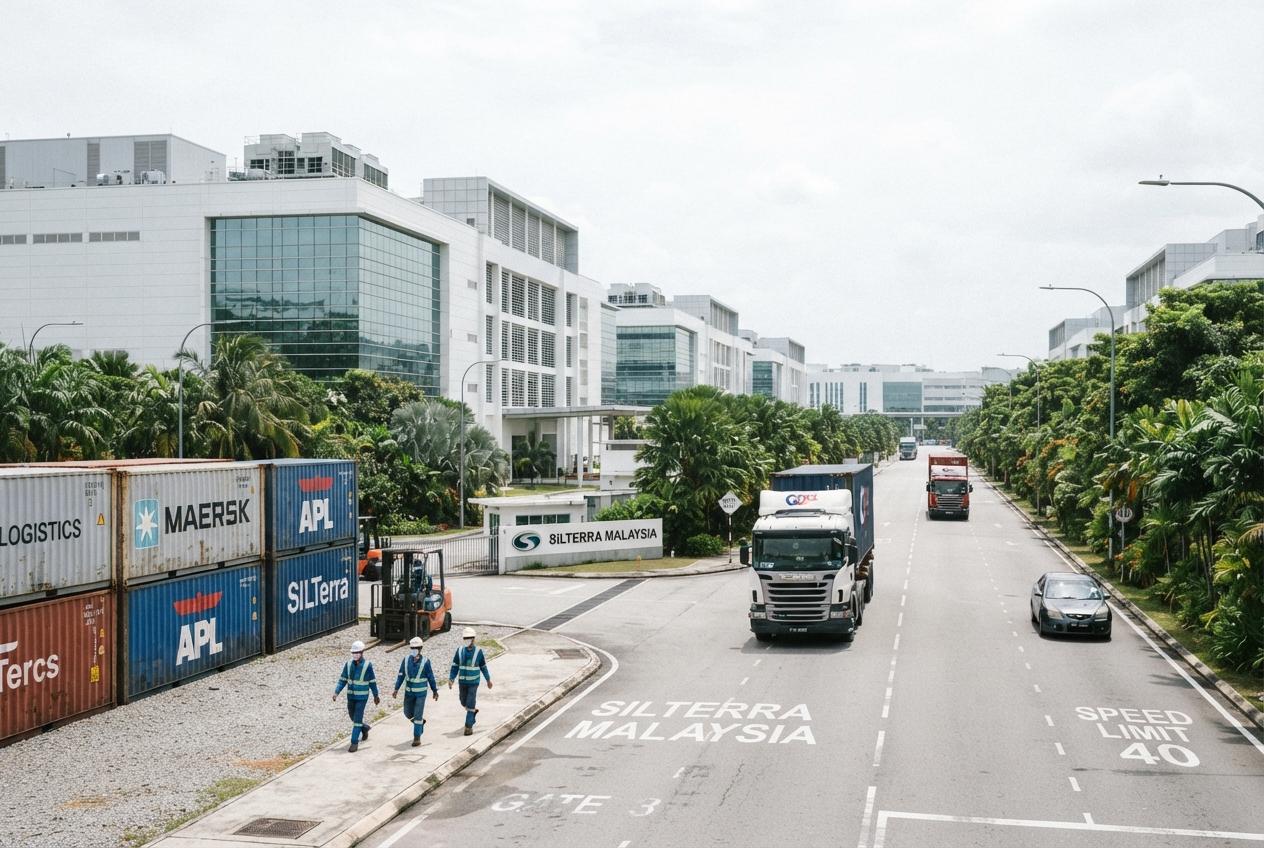
Malaysia aims to upgrade from assembly and testing to design and advanced packaging, while Vietnam strives to climb the value chain, as regional strategies focus on talent development and industry diversification amid global supply chain shifts.
Southeast Asia’s semiconductor scene is really undergoing some major changes these days, thanks to geopolitics, efforts to diversify supply chains, and the race to handle more high-value work. Malaysia, in particular, is trying to make the most of this shift, kind of stepping beyond its longtime role of just handling assembly and testing. According to Malaysia’s National Semiconductor Strategy, the country aims to shift from relying mainly on outsourced boring old assembly and test work into design, advanced packaging, and eventually more capital-heavy manufacturing. Plus, they’re focusing on nurturing local talent and deepening the local ecosystem. Meanwhile, Vietnam’s got its own ambitions, set on climbing the value chain, with plans targeting around $100 billion in annual semiconductor revenue by 2050, starting with workforce improvements and attracting selected foreign investments. (mida.gov.my)
This comparison sort of lies at the heart of what Chin-Yoong Wong, an economics professor at UTAR in Malaysia, is arguing. He believes Vietnam really needs to learn from Malaysia’s mistake of staying too long at the low-margin back-end work, you know, the assembly, testing, and packaging stuff. Malaysia’s spent decades being a go-to place for those activities, but that part of the industry only takes a tiny slice of the global value pie, unlike design and front-end manufacturing, which are much more lucrative. So, Kuala Lumpur is eager to upgrade and diversify its industry. Wong added that Vietnam shouldn’t repeat Malaysia’s pattern by treating factories as isolated enclaves that just do assembly, but rather should design its investment policies to promote research, design, and local supplier growth from the get-go. (mida.gov.my)
Now, one of the clearest hurdles both countries face is the talent shortage. Malaysia’s strategy includes pouring money into training tens of thousands of engineers and upgrading skills, but officials admit they still lack a fully integrated ecosystem, especially when it comes to chip design. On the other hand, Reuters has reported that Vietnam still faces a significant risk, namely, a shortage of engineers, that could hold back its plans to become a serious semiconductor hub, even as foreign companies ramp up testing and packaging work there. That tension highlights why both nations are now more focused than ever on not just attracting investments but also retaining skilled workers and helping local firms tap into global supply chains. (mida.gov.my)
Wong sees cooperation, rather than trying to outdo each other, as probably the more practical regional approach. Global chipmakers are keen on spreading out their manufacturing to spread risk, and Southeast Asia is becoming more vital as companies look to diversify their production across several locations instead of relying heavily on just the low-cost base. Malaysia is pushing toward higher-value activities like advanced packaging, mature-node production, and even incubating design talent. Meanwhile, Vietnam is drawing more back-end investments and could turn into a major hub for high-volume assembly and electronics manufacturing. Within that context, these two countries could easily complement each other as parts of a broader ASEAN chip corridor rather than compete directly. (marketscreener.com)
