
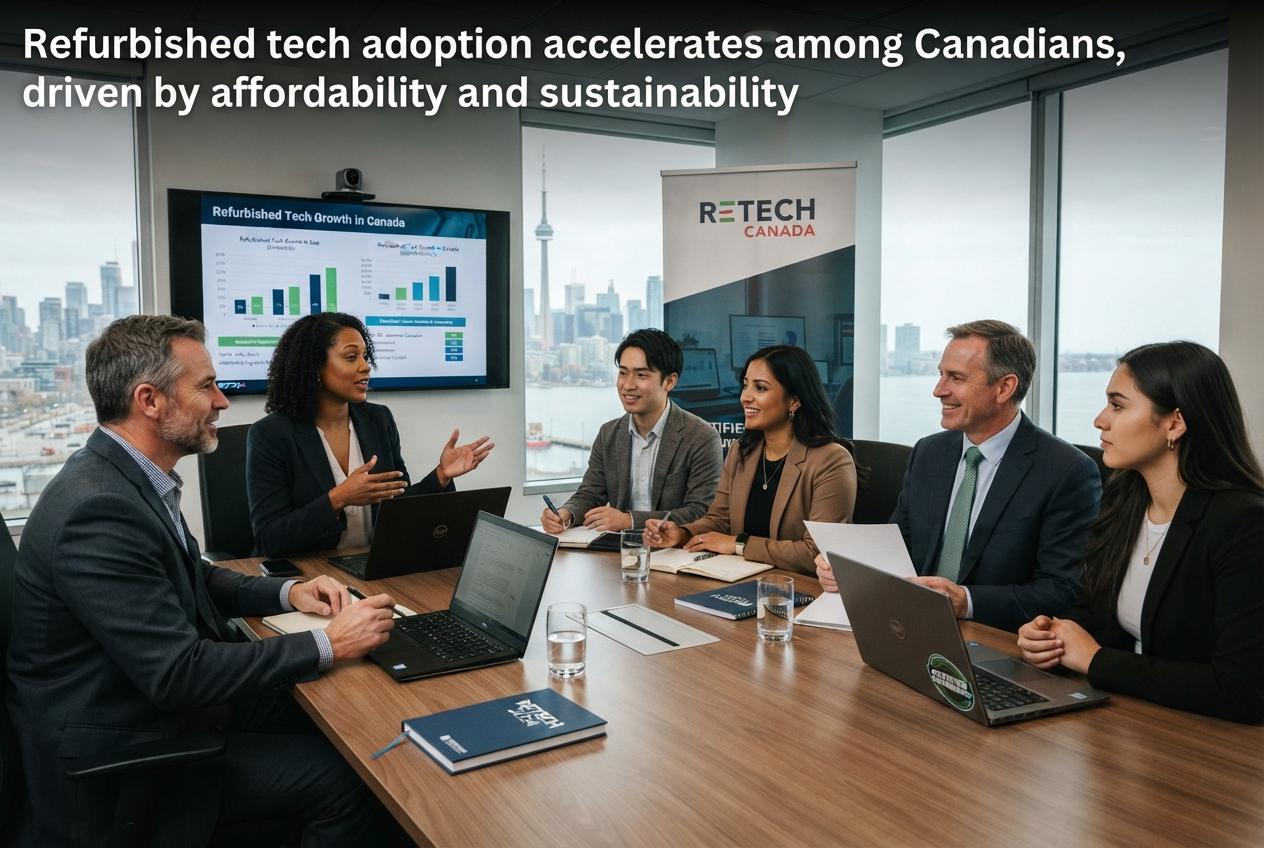
- More than 60% of Canadians have purchased pre-owned electronics, with younger shoppers leading the trend
- Savings and warranties are key factors, alongside growing environmental concerns among younger generations
- Open-box and traded-in devices are becoming mainstream options facilitated by increased availability and standardization
Buying refurbished, open-box, and traded-in electronics no longer counts as just a small niche within the Canadian tech scene. It’s actually turning into a pretty common way for folks to shop, according to this new study. Basically, about 63% of consumers have bought some form of pre-loved tech before. What once was mainly a go-to for bargain hunters is now increasingly part of the regular shopping process when households are trying to find a balance between cost, convenience, and feeling confident about the quality of what they're buying.
The trend is especially noticeable among younger shoppers. The report highlights that 71% of Gen Z respondents said they’ve purchased used tech at some point, compared to only 55% of Boomers. That kind of gap hints at a pretty clear generational shift in how people view ownership, value, and the role of pre-owned devices in their everyday mobile and home electronics. For a lot of younger buyers, the idea of choosing refurbished or open-box gear isn’t weird or new anymore. In fact, it’s just another practical route in a market where new devices tend to cost a lot, and where the logistics of returns, trade-ins, and reselling make non-brand-new options more accessible.
Price is still the biggest driver behind this movement. Best Buy Canada points out that refurbished products can be up to 40% cheaper than their brand-new counterparts, and that savings, honestly, continue to be one of the main reasons people are open to the idea of recirculated tech. Plus, many consumers feel more at ease when there’s at least a three-month guarantee included, which helps mitigate the perceived risk of buying something that’s not brand new. When budgets are more influential than ever, that combo of lower prices plus some warranty coverage makes the category more appealing overall.
Demand seems to be strongest in groups of products where buyers are already more willing to consider pre-owned options. Wireless devices, laptops, desktops, tablets, and gaming consoles tend to be the categories that attract the most interest. These are also products where folks might prioritize function and price over pristine packaging or who originally owned the device. In real terms, this means consumers are often okay with open-box or refurbished items if they believe those electronics will still perform well for daily tasks, school work, entertainment, or on-the-go productivity.
Looking at the generational breakdown really shows just how much affordability is at the heart of this shift. Among Gen X shoppers, 86% said saving money was a key reason they bought used gear, compared to 69% of Boomers. That difference actually underscores a broader pattern: older consumers might still be cautious about pre-owned tech, but the pressure of rising costs is making many households rethink where they get their electronics. So, refurbished tech isn’t just fighting on price, it's also about practicality. Buyers are now weighing the overall value, considering condition, warranties, and how easy it is to buy, rather than just assuming brand-new is the only right choice when it comes to quality.
Environmental concerns are also part of the conversation, though, interestingly enough, not equally across all age groups. The study found that only 29% of Baby Boomers said reducing electronic waste influences their buying habits. But among younger groups, that number is higher: 44% of Gen Z, 40% of Millennials, and 33% of Gen X. That suggests that sustainability is becoming increasingly important to younger Canadians, especially those who have grown up hearing about climate change and the problems caused by planned obsolescence. For them, buying second-hand isn’t just about saving money; it’s also about aligning with their values, helping to cut down on waste while still getting what they need.
Mark Leahy, who’s Best Buy's senior director of service centers and reverse logistics, mentioned that the market has grown because there are now more places to find these kinds of devices. “Canadians have more options for non-new technology than ever before,” he said. “Getting a refurbished, open-box, or traded-in product is a way to cut down on initial costs , plus you’re still getting a device in great shape.” The fact that access is improving is a big part of this growth. As more channels open up, consumers aren’t just limited to a few second-hand shops anymore. Refurbished and traded-in products are showing up in more places, and with clearer guarantees. That kind of visibility is helping normalize the whole category. Plus, the logistics of collecting, checking, repairing, and reselling gadgets are becoming more standardized, making the entire process more streamlined for stores and for buyers. It’s a win-win, they get more choice, and fewer barriers keep people from exploring non-new options.
This increased availability is also influencing buying habits in smaller, more subtle ways. The study found that open-box items are especially popular among Gen Z and Millennials, they can save about 28% off the original retail price. These open-box products sit somewhere between brand-new and used, which is pretty smart. They kind of strike a balance for folks who want to pay less but still prefer a product that’s seen minimal handling. Honestly, as the line between new and refurbished becomes fuzzier, these items seem like a practical middle-ground for many shoppers.
Now, when you factor in the back-to-school period, the picture gets even more interesting, showing how family needs influence where folks buy their tech. Over half of parents with young kids aged 4 to 5 bought open-box items, and families with older children were more likely to trade-in or consider used options, especially for phones and gaming consoles. Makes sense, right? Younger kids often need simpler, cheaper devices, while as children grow older, they might require more expensive smartphones and gaming gear. In these cases, trade-ins and recirculated gadgets help families manage costs without losing access to the gear their children need.
And regional differences? Yeah, they’re there. Manitobans tend to spend the most on electronics each year, while Atlantic Canadians spend the least. The provinces of Quebec and Ontario are the most price-sensitive, about a third of shoppers in Quebec and 31% in Ontario say cost drives their decision most. That suggests that even with a broader trend toward used tech, local economic conditions and personal preferences still play big roles. And interestingly, Atlantic Canada is three times more likely than other regions to consider financing, which adds another layer of complexity. For some consumers, it’s not just about choosing new or used; it’s about how they structure their purchase to fit their household cash flow. In that sense, both financing options and recirculated tech can serve the same goal, to ease the immediate financial burden.
Long-term, this all points to a real shift in Canadian buying behavior, not just a temporary response to inflation or back-to-school shopping. According to Statista, electronics are among the most common secondhand purchases in Canada, right behind clothing. Other surveys also show that interest in used goods is on the rise, driven by affordability and sustainability concerns. Taken together, these signals suggest that consumers are getting more comfortable with non-new electronics across the board, especially when the value is clear, and the buying process feels trustworthy.
Statistics Canada also points out that the market for electronics is huge, but it also highlights the challenge of electronic waste, many unwanted devices just sitting unused at home instead of being reused, recycled, or resold. That’s part of why reverse logistics, collecting, inspecting, and refurbishing devices, has become more important. For retailers, this means being able to recover value from devices and give consumers more budget-friendly options. It’s a cycle that supports both better sourcing and waste reduction, helping keep the environment cleaner while ensuring affordable access to the tech we all rely on.
For the lifestyle-oriented consumer, the benefit isn’t just about a discount. Choosing refurbished or open-box tech often fits into a broader mindset of flexible spending, sustainability, and smarter money management, especially across essential categories. Whether it’s a more affordable smartphone or tablet, a budget-friendly laptop, or a gaming console, it’s all about keeping access available without paying full retail prices.
All in all, the study suggests recirculated tech isn’t just a fringe option anymore. Its presence in the mainstream market is growing, thanks to increased availability and consumer confidence. As this trend continues, the mix of easier access, lower prices, and environmental considerations will surely shape future buying habits for Canadians when it comes to technology.
Quick Key Takeaways
- - Refurbished, open-box, and traded-in tech is now a common choice for many Canadians.
- - While price remains the biggest motivator, eco concerns are increasingly resonating, especially with younger buyers.
- - Open-box items are especially attractive to Gen Z and Millennials because of the savings they offer.
- - Regional differences and family needs influence how people approach purchasing decisions, think logistics, financing, and household dynamics.
- - The rise of reverse logistics makes non-new electronics easier to find and more widely accepted.
Sources by paragraph:
- - Paragraph 1: [2], [4]
- - Paragraph 2: [1], [3]
- - Paragraph 3: [1], [2]
- - Paragraph 4: [1]
- - Paragraph 5: [1], [4]
- - Paragraph 6: [1]
- - Paragraph 7: [2], [4], [5], [6], [7]
Disclaimer: This article may have been created with some AI assistance but was reviewed by our editorial team for clarity and accuracy. Always verify important details independently.
