
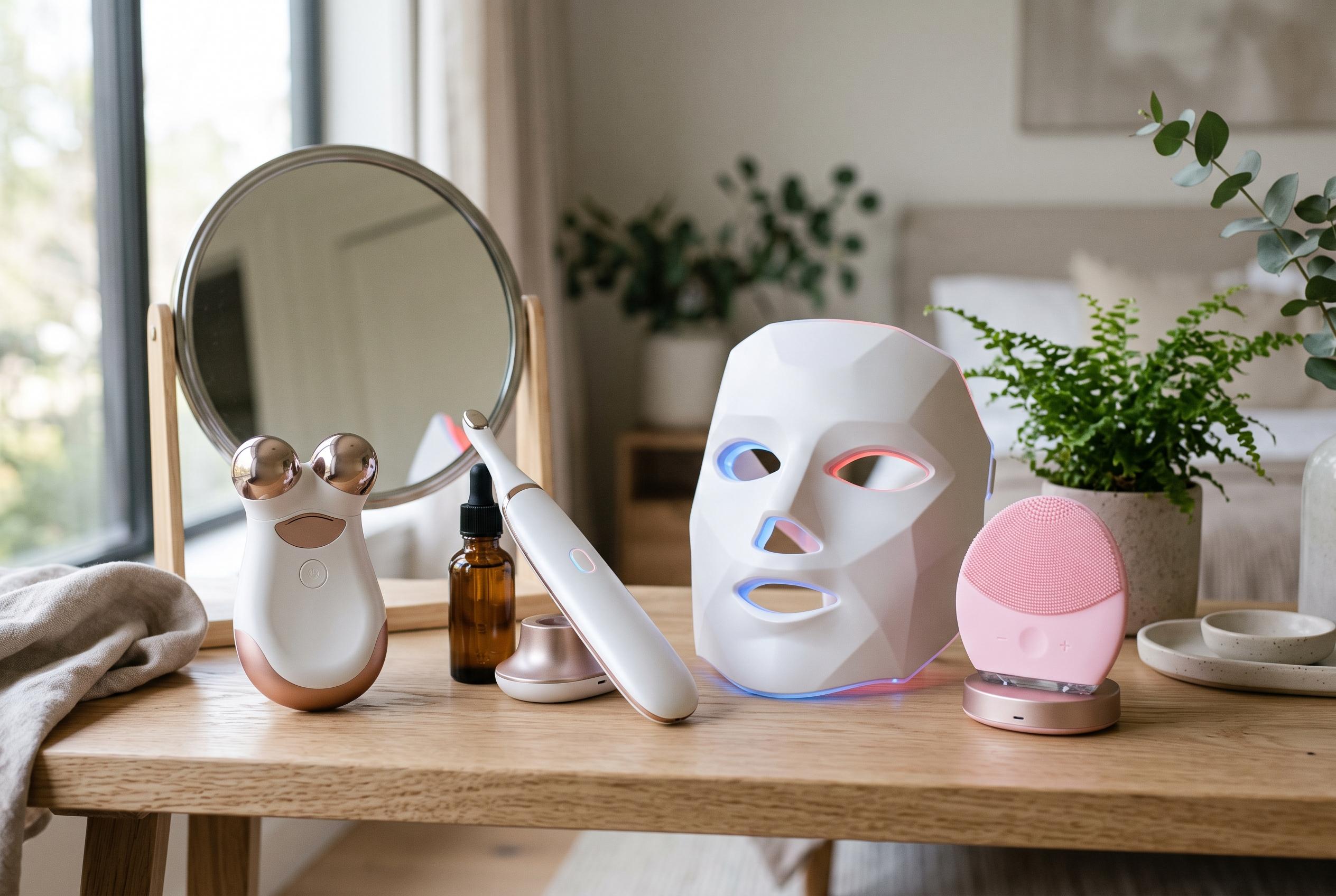
- Beauty devices are evolving into integrated consumer health ecosystems
- Focus shifts from hardware to personalized, subscription-based experiences
- Global expansion hinges on local customization and AI-driven data analysis
Beauty devices are shifting beyond simple hardware purchases and moving into a more integrated consumer health space, according to a report from Samjong KPMG published on August 19. The report suggests that this market is increasingly shaped by the connections between devices, cosmetics, data, and services. Brands across beauty, medical devices, pharmaceuticals, biotech, and household appliances are all vying for a bigger role in building stronger customer relationships.
The report makes the case that the industry is being reshaped by what they call "skin longevity," a change from merely addressing wrinkles or pigmentation after they show up, toward focusing on maintaining skin resilience over time. That kind of shift is boosting demand for home-use tools that can offer more specialized care, tools that, until recently, were only available in clinics. Consumers are embracing slower aging, routine self-care at home, and a wellness-driven approach to skincare overall, which is clearly influencing this trend.
What started as devices primarily meant for cleansing or helping cosmetics absorb better has now grown into a more advanced realm, incorporating technologies like radio frequency, high-intensity focused ultrasound, LED therapies, and electrical muscle stimulation. In fact, Samjong KPMG notes that newer products are often combining multiple energy sources into a single device, along with AI-powered skin analysis and tailored routines, meaning these gadgets are transforming into a personal health infrastructure.
The market isn’t just about facial care anymore either. Fueled by what’s called the "skinification" trend, companies are now developing high-functionality products for the scalp, hair, and even the body. Think LED-based scalp treatments, electroporation devices, and body tools utilizing microcurrents or ultrasound. This expansion reflects a broader push to make professional-grade skincare solutions a natural part of everyday routines.
One major challenge, well, it’s pretty common, is that these devices often have long lifespan cycles before they need replacing, which limits the frequency of repeat sales. To combat this, businesses are turning to “BaaS” or Beauty-as-a-Service models. This approach links hardware with cosmetics, apps, data, and subscription services, encouraging ongoing usage. Samjong KPMG points out that this setup can help turn device usage into steady revenue streams by driving subscriptions for consumables like ampoules and gels, rather than relying solely on hardware sales.
This kind of thinking also fuels the race toward what’s called "Precision Beauty," where AI-driven skin analysis, sensors, usage history, and dedicated apps automatically adjust treatment routines based on each person's unique needs. In this space, the report argues, success will probably depend less on raw device power and more on proprietary skin data, algorithms, and overall user experience. Companies like APR, which pairs its AGE-R devices with Medicube cosmetics, and Dalba Global, which has expanded bundle sales through international online channels, are already pushing in that direction.
Samjong KPMG emphasizes that going global is equally essential as demand for home care and slow-aging products continues to rise worldwide. Exporters will need more than just shipping products, they’ll need to create devices tailored to local markets, develop region-specific algorithms based on diverse skin data, and build distribution channels that connect directly with consumers. The report suggests that winners in this space will be those able to combine technical barriers, clinical backing, and global certification with a broader ecosystem that encompasses cosmetics, services, and data platforms.
Takeaways and FAQ
Takeaways
- - Beauty devices are no longer just standalone electronics; they are becoming part of a connected lifestyle and consumer health ecosystem.
- - The most important value is shifting from the device itself to the full experience around it: sourcing, cosmetics, apps, data, logistics, and recurring service.
- - “Skin longevity” and “precision beauty” are guiding the next wave of product development.
- - Growth is likely to come from bundled offerings, subscriptions, and personalized routines rather than one-time hardware purchases.
- - Global expansion will depend on local market fit, certification, and the ability to adapt devices and software for different skin types and consumer habits.
FAQ Q: What is “Beauty-as-a-Service” in this context? A: It is a business model that combines beauty devices with consumables, apps, and subscriptions so customers keep engaging after the initial purchase.
Q: Why are AI and skin data so important? A: They help brands personalize routines and build better user experiences, which can make products more useful over time.
Q: Is this trend limited to facial skincare? A: No. The report says the market is expanding into scalp, hair, and body care through specialized devices and treatments.
Q: What should brands focus on next? A: They should think beyond hardware, and consider sourcing, logistics, software, and service design as part of one connected strategy.
Disclaimer: This article may have been created with AI assistance and reviewed by our editorial team. It is provided for general informational purposes only. Readers should verify information independently before relying on this content.
Source Reference Map
Inspired by the headline at: [1]
Sources by paragraph:
- - Paragraph 1: [2], [3]
- - Paragraph 2: [2], [4]
- - Paragraph 3: [2], [6]
- - Paragraph 4: [2], [3], [4], [5]
- - Paragraph 5: [2], [5]
- - Paragraph 6: [2], [3], [4], [5], [6], [7]
