
- AI's rapid growth is turning electricity into a crucial strategic constraint.
- Industry shifts from megaflops to gigawatts, emphasizing power and infrastructure.
- Innovation in photonics and hardware optimization could define the next AI growth phase.
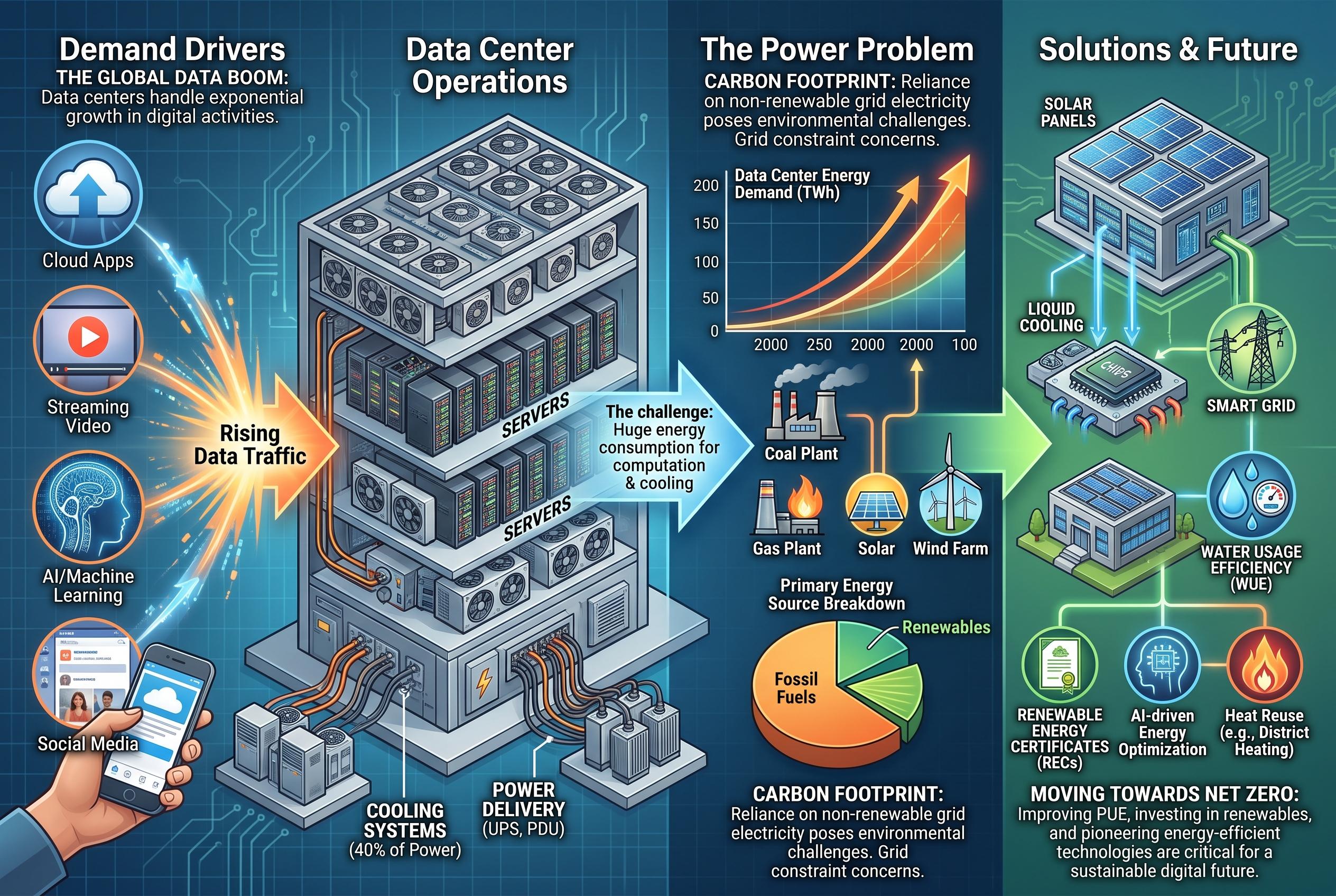
The rapid rise of AI has effectively turned electricity from a simple utility cost into a crucial strategic constraint. In a commentary published by SemiEngineering, the point is clear: the same inefficiencies that drive up data center power usage also increase the cost of inference. That means energy efficiency has become a significant business concern for any company deploying AI at scale. And this matters even more as data center energy consumption keeps climbing. According to the International Energy Agency, data centers consumed about 460 terawatt-hours of electricity in 2025, and that figure is projected to more than double to 945 TWh by 2030.
The situation is especially intense in the US. The original article says data center energy consumption has tripled over the past decade, and projections suggest it will triple again in just five years. At the same time, AI infrastructure spending is rising at a dizzying pace: top players invested about $100 billion for data centers in 2020, and that is expected to increase tenfold to about $1 trillion in 2026. The trend is easy to see: as AI compute expands, power demand rises with it, and the old data center model is under increasing strain.
This surge in energy use is also changing the way industry folks think about capacity. The SemiEngineering article notes that AI business transactions are now being announced in gigawatts rather than megaflops, which says a lot about how the industry is evolving. It also points out that token consumption is becoming a key measure of AI workload and cost, with daily token usage in the US projected to rise from about 200 trillion units per day to about 2,250 TUs/day by 2030. In other words, AI is getting more expensive to run, and the pressure on budgets is only increasing.
SemiEngineering also argues that this shift is where the next big business opportunity lies. As AI moves beyond the computer screen and into the physical world , into robots, drones and wearables, energy efficiency becomes even more critical because these devices run on limited batteries. They cannot rely on constant data center connectivity, so they must have edge intelligence for real-time decision-making. The implication is straightforward: system-level optimization across the entire AI stack is no longer a luxury; it is a necessity.
The conclusion is equally direct: innovation is the only practical way to turn these challenges into opportunities. And to that end, SEMI’s Smart Data-AI Initiative, with its Alliance Partner, the City of San Jose, will hold a workshop on September 9 to explore how to bend the curve for energy, cost and performance for future AI computing. The focus will include photonics, hardware-software co-optimization and chip-to-grid enhancements. For companies that can align performance goals with energy efficiency, the next phase of AI investment may offer real advantage.
Takeaways
- - AI is no longer just a software story; it is a power, logistics and infrastructure story too.
- - Energy efficiency now directly affects the economics of inference, especially at scale.
- - Data centers, electronics and mobile/edge devices face different constraints, but all benefit from better system-level optimization.
- - The shift from megaflops to gigawatts shows how deeply electricity has become embedded in AI strategy.
- - Companies building AI products should think about sourcing, hardware, cooling, deployment and grid capacity together, not separately.
- - For robots, drones and wearables, battery life and real-time performance make efficiency even more important.
- - Innovation in photonics, chip design and hardware-software co-optimization may shape the next phase of AI growth.
Disclaimer: This article may have been created with AI assistance and reviewed by our editorial team. It is provided for general informational purposes only. Readers should verify information independently before relying on this content.
