
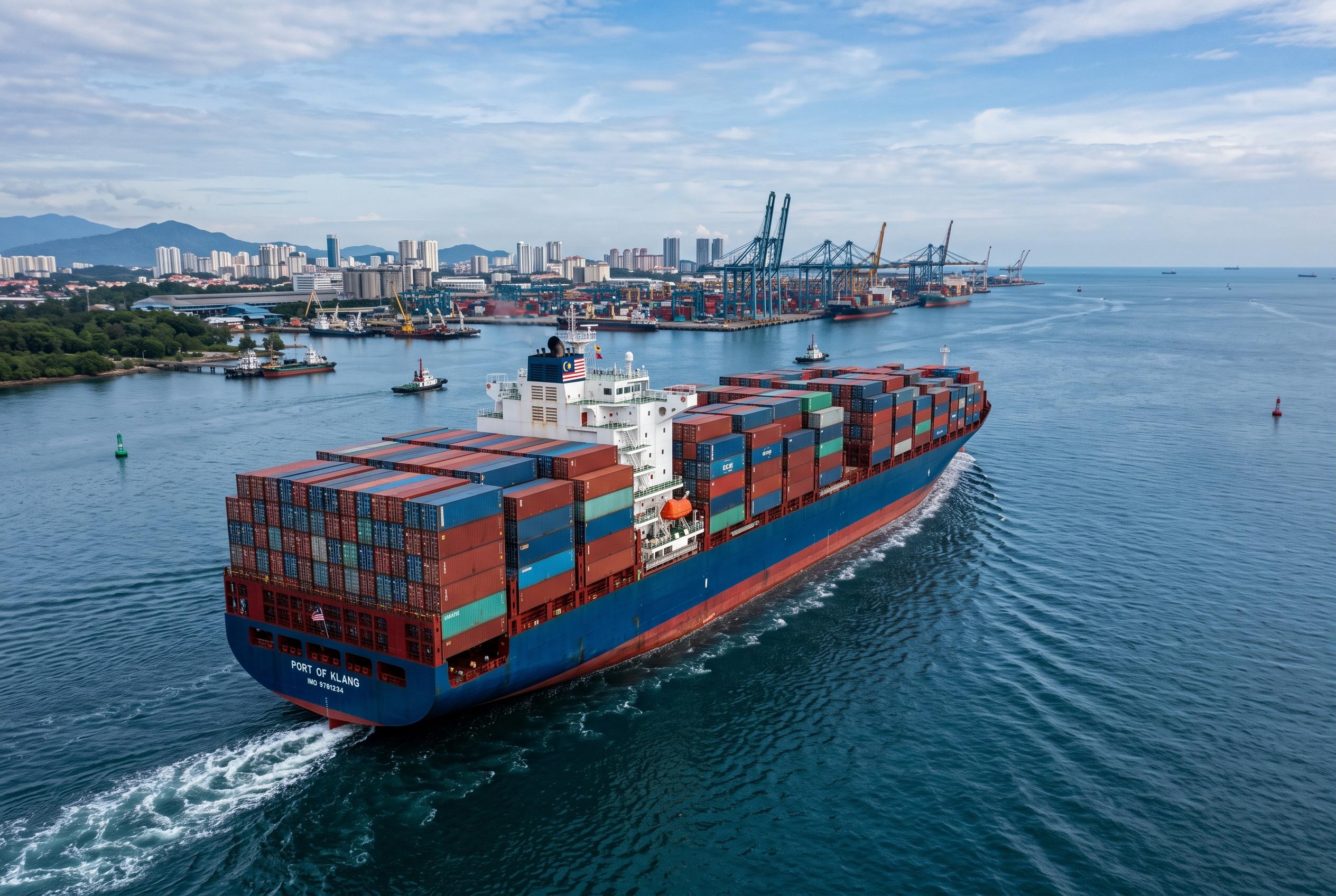
- Exports rose 38%, reaching RM193.6 billion for July 2026
- Semiconductor and electronics exports saw a 51% jump, fueling growth
- Trade surplus extends to 75 consecutive months, with regional markets playing key roles
Malaysia’s trade figures shot up noticeably in July 2026, with total trade hitting a new high of around 364.74 billion ringgit. That’s a substantial jump of about 37.3% from the same month last year, according to reports from The Star, which based its figures on data from the Ministry of Investment, Trade, and Industry. The big increase reflected overall strength across exports of manufactured goods, agriculture, and mining products.
Exports grew by approximately 38% year-over-year to roughly 193.6 billion ringgit, while imports also saw a solid rise of about 36.4%, reaching approximately 171.14 billion. As a result, Malaysia recorded a trade surplus of nearly 22.46 billion ringgit, extending its streak of monthly surpluses to 75 months straight since May 2020.
Now, the main driver behind this growth was clearly semiconductors along with other high-value electrical and electronic products. Exports in that segment jumped about 51%, totaling around 95.65 billion ringgit. Shipments of machinery, equipment, and parts also rose markedly, by roughly 41.6%. Petroleum products grew as well, up about 26.9%.
On the import front, intermediate goods went up by about 40.8%, reaching around 80.04 billion ringgit. That suggests factories are pulling in more parts and accessories to support their production lines. Capital goods also increased, but by a smaller margin, about 24%. Meanwhile, consumer goods only saw a modest rise of roughly 5.2%.
Demand from regional partners remained especially significant. Exports to ASEAN countries increased by nearly 29%. Additionally, exports to China hit a record high after climbing by over 30%. Shipments to Taiwan nearly doubled, hitting a new peak, primarily driven by increased demand for electronics products.
Broader context
This July 2026 performance matters not only as a headline figure, but also as a signal about the structure of Malaysia’s economy. Trade is deeply connected to the country’s industrial base, and the latest data suggest that manufacturing-linked exports still play a leading role. For readers following sourcing trends, the numbers reinforce Malaysia’s status as a major node in the global electronics ecosystem. That is especially relevant for companies that rely on cross-border production networks, where semiconductors, components, and precision machinery move through complex logistics channels before reaching final markets.
The data also highlight how closely trade and industrial activity are linked. A rise in intermediate goods imports often points to preparation on the factory floor. That can mean stronger demand for parts, expanded output, or more active sourcing strategies by manufacturers. In practical terms, this kind of movement can be an early indicator of how the electronics sector and related industries may perform in the coming months.
At the same time, the regional pattern is just as important as the product mix. ASEAN remains a core trade partner, while the gains in China and Taiwan show that Malaysia’s trade balance is being shaped by broader East Asian demand. This is especially meaningful in sectors where mobile devices, chips, circuit boards, and other electronics components move across multiple borders before final assembly or export. In that environment, even small shifts in demand can have outsized effects on trade flows, production planning, and logistics scheduling.
Key takeaways
- - Malaysia’s trade momentum remains strong. A 37.3% jump in total trade is not a minor fluctuation. It points to broad-based strength in the country’s external sector, especially in electronics, manufacturing, and resource-linked exports.
- - Electronics continue to anchor export performance. The biggest story in the July 2026 data is the surge in semiconductors and other electrical and electronic products. This underscores Malaysia’s important role in global electronics sourcing and supply chains.
- - Imports rose for productive reasons. The strong increase in intermediate goods imports suggests businesses are actively replenishing parts, components, and accessories. In other words, the rise in imports may be supporting future production rather than signaling only consumer demand.
- - Regional trade remains vital. ASEAN, China, and Taiwan were all major growth destinations. This shows how closely Malaysia’s trade outlook is tied to nearby manufacturing hubs and electronics demand across Asia.
- - The trade surplus streak is still intact. Seventy-five consecutive months of surplus is a notable sign of consistency. Even as global logistics and demand conditions shift, Malaysia has continued to post positive trade balances.
- - Manufacturing and supply-chain confidence appear solid. Rising shipments of machinery, equipment, and parts, along with strong intermediate imports, imply that businesses may be preparing for continued activity in the months ahead.
Q&A
Q: What was the main reason Malaysia’s trade rose so sharply in July 2026? A: The biggest factor was the strong performance of semiconductors and other high-value electrical and electronic products, which saw a major year-over-year increase.
Q: Did imports rise for the same reason as exports? A: Not exactly, but they were closely related. Imports of intermediate goods grew strongly, which usually supports manufacturing and export production, especially in electronics and industrial sectors.
Q: Why is the surplus important? A: A trade surplus means exports exceeded imports. Malaysia’s continued surplus suggests the country remains competitive in global markets and continues to benefit from demand for its manufactured and electronic goods.
Q: Which markets stood out most? A: ASEAN, China, and Taiwan were key destinations. In particular, exports to Taiwan nearly doubled, and China reached a record high after strong growth.
Q: What should observers watch next? A: Future trade figures will show whether the electronics-led surge continues and whether higher imports of intermediate goods translate into sustained export growth. Logistics conditions, global demand, and supply-chain shifts will also matter.
Disclaimer: This article may have been created with AI assistance and reviewed by our editorial team. It is provided for general informational purposes only. Readers should verify information independently before relying on this content.
