
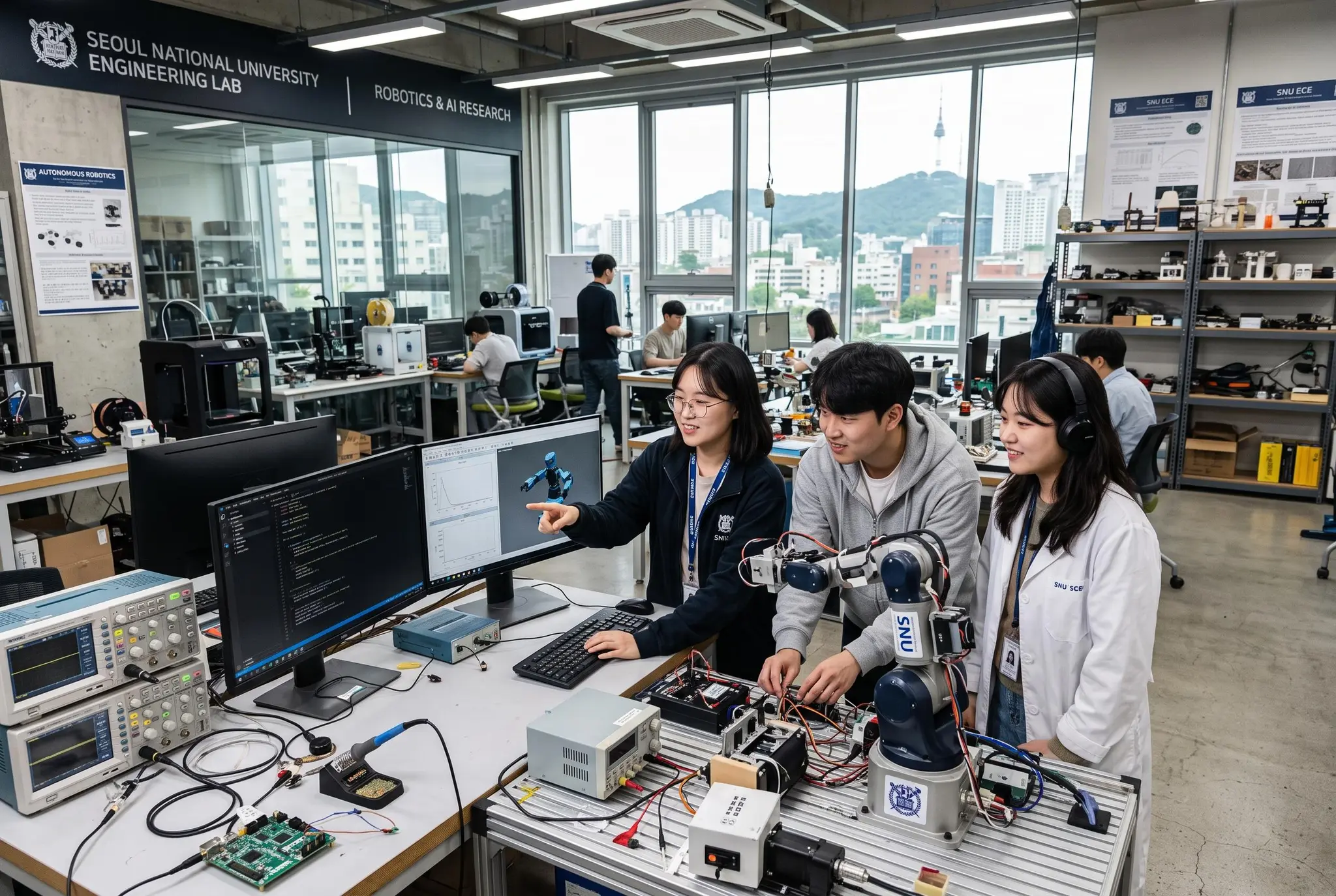
On August 13, 2026, Samsung Electronics announced that it is bringing on two new specialists in artificial intelligence and data engineering as part of its effort to strengthen AI capabilities within its semiconductor division. The move is aimed at improving research and development efficiency in semiconductor technology.
One of the new hires is Professor Han Bo-hyung from Seoul National University. According to the original reporting, Seoul National University approved his concurrent position with Samsung Electronics, marking the first full-time position of an incumbent professor. Han will focus on developing AI models tailored for semiconductor research and development. Samsung also hired data engineering specialist Hahn Tai-rin, who will concentrate on creating AI-compatible data, which is important for the effective functioning of AI systems.
As the world’s largest memory chip manufacturer, Samsung Electronics operates in the technology sector, specifically within the hardware industry. The company has a market capitalization of approximately $1.2 trillion and is known for its diverse product range, including smartphones, televisions, and semiconductor components. The integration of AI into semiconductor areas such as chip design, process technology, and manufacturing is expected to enhance productivity and efficiency.
The broader significance of this move goes beyond two individual hires. It reflects a wider shift in electronics manufacturing, where AI is becoming a practical tool for sourcing insights, process optimization, and workflow automation rather than just a long-term concept. In semiconductor development, the ability to analyze large volumes of experimental data quickly can shorten iteration cycles, improve decision-making, and reduce bottlenecks across research and manufacturing.
For a company like Samsung Electronics, the appeal of AI is easy to understand. Semiconductor development is data-intensive, highly technical, and dependent on constant refinement. Engineers must assess material behavior, process outcomes, and design trade-offs across a vast number of variables. AI can help organize this complexity, identify patterns that may be difficult to spot manually, and support more efficient use of engineering talent. That is especially important when competition in mobile chips, memory devices, and advanced electronics continues to intensify.
The hiring of a professor with direct academic expertise also highlights the value of collaboration between universities and industry. In technology sectors, this kind of cross-pollination can accelerate innovation because it connects theoretical research with practical manufacturing challenges. By bringing in specialized talent, Samsung is signaling that AI is not just a software initiative, it is becoming part of the semiconductor sourcing and development pipeline itself.
The role of data engineering is equally important. AI systems are only as effective as the data they are trained on, and semiconductor production generates enormous amounts of information that must be structured, cleaned, and made usable. That means a strong data foundation can have a direct impact on model quality, research speed, and operational consistency. In this sense, data engineering is not a behind-the-scenes function; it is a core enabler of AI-driven manufacturing strategy.
There is also a strategic dimension tied to Samsung’s broader electronics business. Semiconductors support the company’s consumer products, including mobile devices and connected lifestyle electronics. As chips become more powerful and efficient, they can support better performance, lower power consumption, and more advanced functionality across device categories. This creates a feedback loop in which improvements in semiconductor R&D can influence downstream products and the user experience in everyday life.
From an investor perspective, the news reinforces a familiar theme: operational strength does not always translate into an attractive valuation. Samsung’s financial profile appears robust, and its scale provides meaningful advantages in manufacturing, sourcing, and logistics. However, the premium reflected in its current pricing may already account for much of the optimism around AI integration and semiconductor leadership. That makes discipline important for anyone evaluating the stock.
It is also worth noting how AI adoption can affect logistics and supply chain management across the semiconductor industry. While the article focuses on R&D, AI tools often help companies better forecast demand, optimize inventory, and coordinate complex production schedules. In a business where timing, precision, and component availability matter, better logistics can support efficiency from the lab to the factory floor. Even small improvements in coordination can have outsized effects in hardware manufacturing.
For consumers, the practical benefits may show up in the form of improved mobile performance, more capable devices, and potentially more energy-efficient electronics over time. The relationship between semiconductor innovation and lifestyle products is direct: advances in chip technology shape how quickly devices respond, how long batteries last, and how seamlessly connected services operate. In other words, the company’s internal AI push could eventually influence the products people use every day.
At the same time, this announcement should be viewed as part of a longer transition rather than an instant transformation. Hiring specialists is an important step, but building AI-driven semiconductor workflows takes time, disciplined execution, and sustained investment. Success will depend on how effectively Samsung turns talent and data into real improvements in design, process technology, and manufacturing efficiency. The market often rewards these strategic moves only when they translate into measurable results.
For readers following the technology and hardware sectors, this development is another reminder that AI is moving deeper into industrial applications. It is no longer confined to consumer apps or cloud services. It is now shaping the infrastructure behind electronics production, chip development, and advanced research. That shift may create opportunities across the semiconductor ecosystem, but it also raises the bar for execution, especially for companies operating at Samsung’s scale.
Takeaways:
- Samsung is expanding AI capabilities inside its semiconductor division.
- The move highlights the growing importance of AI in sourcing, data engineering, and R&D efficiency.
- Semiconductor innovation can affect mobile, electronics, and broader lifestyle products.
- Strong operations do not necessarily mean an attractive valuation.
- Investors may want to balance Samsung’s solid GF Score™ against its premium pricing.
