
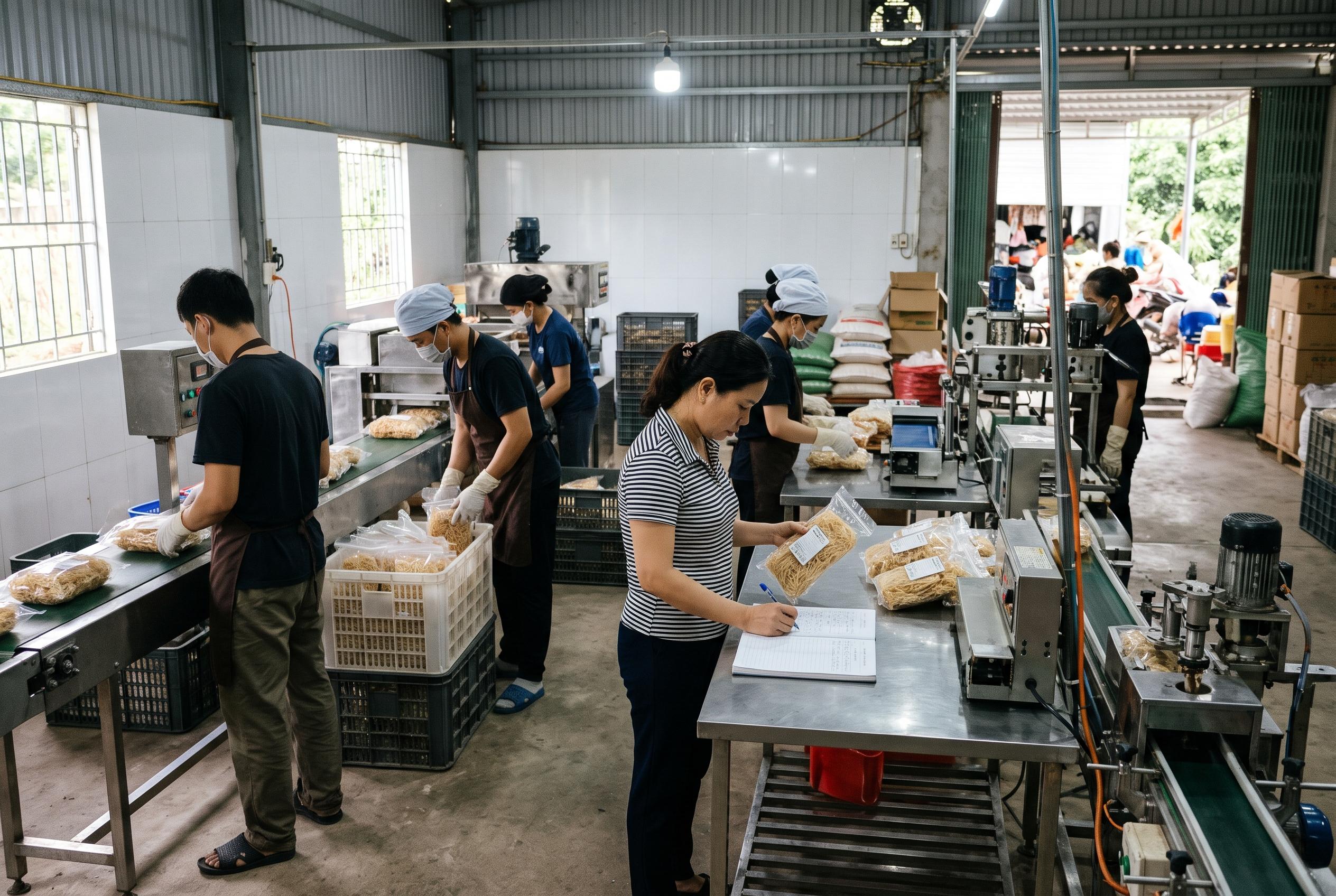
Vietnamese exporters could gain new openings in Switzerland, Norway, Iceland and Liechtenstein through the Vietnam-EFTA free trade agreement. The deal may reduce tariffs and encourage investment, but its biggest promise comes with a practical test: businesses must meet demanding rules on product quality, sustainability and sourcing to turn market access into lasting sales.
The real export opportunity goes beyond lower tariffs
Lower tariffs can make Vietnamese goods more competitive in EFTA markets, but the opportunity isn't simply about selling more of the same. Vietnam's exporters could also use closer ties with the four-country bloc to access advanced manufacturing technology and improve the value added in their products.
That matters for a manufacturing base still strongly associated with processing and assembly. Cooperation with European businesses could help local firms improve production, processing and research capabilities, while investment in logistics and technology may support broader upgrades.
Diversifying export destinations is another potential benefit. When a large share of exports goes to a handful of major markets, policy shifts or trade disruptions there can have an outsized impact; new customers in Europe offer a way to spread that risk.
Which Vietnamese products could find new customers?
Electronics, computers and components, along with textiles and footwear, are already established Vietnamese exports to European markets. Lower duties could give these sectors more room to compete and expand in EFTA countries.
There may also be space for products with strong Vietnamese production capacity but smaller existing sales in the bloc. Seafood such as shrimp, pangasius and tuna, as well as processed seafood, coffee, tea, fruit, cashews and wooden goods, are among the areas identified as having potential.
Machinery and equipment could gain attention too, while rice may offer a narrower opportunity. The sensible takeaway for exporters is to match a product's strengths with the size and needs of the specific market, rather than assume that tariff cuts guarantee brisk demand.
The standards test is where exporters need to focus
A modern trade agreement reaches well beyond goods and customs duties. The Vietnam-EFTA deal also covers areas such as services, investment, intellectual property, government procurement, competition and sustainable development.
For businesses, that means reduced tariffs don't remove the need to meet non-tariff requirements. Technical specifications, food safety, origin rules, environmental protections, labour practices and social responsibility can all affect whether a shipment qualifies and whether a buyer is willing to work with a supplier.
Smaller companies may find those demands harder to manage if they have limited funding, technology or specialist staff. But treating compliance as part of product quality, rather than paperwork to tackle at the last minute, can make the process more manageable and help build buyer confidence.
A practical checklist before entering EFTA markets
Start with the market, not the tariff schedule. Exporters should investigate local consumer preferences, import requirements and potential buyers, then decide whether their product and route to market fit the opportunity.
Next, check the details: confirm applicable rules of origin, product standards and food-safety requirements, and keep clear records of materials and production. These basics can help businesses avoid surprises when seeking preferential access.
Finally, invest in improvements that customers can see and trust: more consistent quality, better productivity, updated technology and a recognisable brand. For smaller firms, support from government agencies and trade-promotion organisations may help fill gaps in expertise and market information.
The agreement rewards readiness, not just ambition
The Vietnam-EFTA agreement offers a route to wider market access, new investment and possible technology partnerships, but the gains won't arrive automatically. Businesses that understand the rules and build sustainability and quality into day-to-day operations will be better placed to compete.
That may sound like a demanding checklist, especially for smaller exporters. Still, meeting high standards can do more than open one market; it can strengthen a company's products and practices for customers elsewhere, too.
Check the requirements early, and treat market preparation as part of the export strategy.
Disclaimer: This article may have been created with AI assistance and reviewed by our editorial team. It is provided for general informational purposes only. Readers should verify information independently before relying on this content.
