





UV DTF printing is a relatively new printing technology that has emerged in the textile industry. It is a digital printing process that uses UV-curable inks to print on a variety of fabrics, including cotton, polyester, and blended fabrics. UV DTF printing offers several advantages over traditional printing methods, including faster production times, higher quality prints, and greater flexibility in design. In this article, we will provide you with an ultimate guide to UV DTF printing, including how it works, its benefits, and its applications.
What is UV DTF Printing?
UV DTF printing is a digital printing process that uses UV-curable inks to print designs directly onto fabric. The process involves printing the design onto a transfer film using a digital printer and then transferring the design onto the fabric using a heat press. The UV-curable inks are cured by exposure to UV light, which makes them more durable and resistant to fading.
How Does UV DTF Printing Work?
UV DTF printing involves several steps:
- Design Creation: The first step in UV DTF printing is to create the design that will be printed onto the fabric. This can be done using graphic design software like Adobe Illustrator or Photoshop.
- Printing: Once the design is created, it is printed onto a transfer film using a digital printer. The printer uses UV-curable inks that are cured by exposure to UV light.
- Transfer: The transfer film is then placed onto the fabric and pressed using a heat press. The heat and pressure cause the ink to transfer from the film onto the fabric.
- Curing: After the design has been transferred onto the fabric, it is cured using UV light. This makes the ink more durable and resistant to fading.
What are the Benefits of UV DTF Printing?
UV DTF printing offers several benefits over traditional printing methods:
- Faster Production Times: UV DTF printing is a faster process than traditional printing methods like screen printing or embroidery. This is because the design can be printed directly onto the fabric without the need for additional steps like creating screens or stitching.
- Higher Quality Prints: UV DTF printing produces high-quality prints with sharp details and vibrant colors. The UV-curable inks are more resistant to fading and peeling than traditional inks.
- Greater Flexibility in Design: UV DTF printing allows for greater flexibility in design because it can print complex designs with multiple colors and gradients. It also allows for printing on a variety of fabrics, including cotton, polyester, and blended fabrics.
What are the Applications of UV DTF Printing?
UV DTF printing has several applications in the textile industry:
- Apparel: UV DTF printing can be used to print designs onto t-shirts, sweatshirts, hoodies, and other apparel items.
- Accessories: UV DTF printing can be used to print designs onto hats, bags, and other accessories.
- Home Textiles: UV DTF printing can be used to print designs onto curtains, bedspreads, and other home textiles.
- Promotional Items: UV DTF printing can be used to print designs onto promotional items like tote bags, water bottles, and keychains.
In conclusion, UV DTF printing is a versatile and innovative technology that offers several advantages over traditional printing methods. It allows for faster production times, higher-quality prints, and greater flexibility in design. With its many applications in the textile industry, it is sure to become an increasingly popular choice for textile manufacturers and designers alike.
Choosing the Right Equipment and Supplies for UV DTF Printing
UV DTF (Direct Transfer Film) printing is an innovative technology that allows for the transfer of designs onto a wide range of substrates, including those that are hard to print on with traditional methods. This technology uses UV (ultraviolet) light to cure or dry the ink instantly, making it a fast and efficient way to produce high-quality prints. When setting up a UV DTF printing operation, choosing the right equipment and supplies is crucial for success. Here's a guide to help you make informed decisions.
UV DTF Printers: Key Features to Look For
- Print Resolution: High resolution is essential for producing detailed and sharp images. Look for printers with at least 1200 dpi (dots per inch) for quality prints.
- Ink Compatibility: Ensure the printer supports UV DTF inks, which are specifically formulated to cure under UV light and adhere to the transfer films.
- Print Speed: Consider the print speed, especially if you plan on high-volume production. Faster printers can significantly increase your output.
- Media Handling: The printer should accommodate various sizes and types of DTF films. Adjustable media holders are a plus.
- UV LED Curing System: A built-in UV LED curing system is essential for instant curing of the ink. Check the efficiency and lifespan of the UV LED system.
- Software Compatibility: Compatibility with popular graphic design and RIP (Raster Image Processor) software will streamline your workflow.
Types of Films and Adhesives
- PET Films: Most UV DTF processes use PET (Polyethylene Terephthalate) films. The film should have good ink absorption qualities and be heat-resistant. Typically, films come in two types: matte and clear, each serving different end-use requirements.
- Adhesives: The adhesive layer is applied after printing and curing. It's crucial for the transfer process. Look for high-quality, heat-activated adhesives that ensure strong adhesion to various substrates without leaving residues.
UV Curing Systems
- LED UV Lamps: LED UV lamps are preferred for their energy efficiency, long lifespan, and low heat output. Ensure the UV intensity is adjustable to suit different ink densities and speeds.
- Cooling System: A good cooling system prevents overheating of the lamps and substrate, ensuring consistent curing across all prints.
Maintenance and Care of UV DTF Printing Equipment
- Regular Cleaning: Ink channels, printheads, and the UV LED curing system should be cleaned regularly following the manufacturer's guidelines to prevent clogs and ensure longevity.
- Software Updates: Keep the printer's firmware and software updated to ensure compatibility with new features and improve performance.
- UV LED Lamp Maintenance: Monitor the UV LED lamps' performance and replace them as recommended by the manufacturer to maintain optimal curing efficiency.
- Environmental Conditions: Maintain a stable working environment, avoiding extreme temperatures and humidity levels, as these can affect print quality and equipment functionality.
By carefully selecting your UV DTF printing equipment and supplies and adhering to proper maintenance routines, you can ensure a smooth, efficient, and high-quality printing process. Always invest in high-quality materials and equipment from reputable suppliers to avoid common pitfalls and achieve the best results in your UV DTF printing projects.
Challenges and Solutions in UV DTF Printing
UV DTF (Direct Transfer Film) printing is a relatively new technology in the printing world, offering the ability to print designs onto a wide variety of substrates, including those that are not typically easy to print on directly, such as plastics, metals, ceramics, and more. Despite its versatility and the quality of output it can produce, UV DTF printing comes with its own set of challenges. Below, we'll explore some common issues encountered in UV DTF printing, offer troubleshooting tips and best practices, and discuss how to ensure consistent print quality.
Common Issues Encountered in UV DTF Printing
- Adhesion Problems: Sometimes, the printed design may not adhere well to the substrate, leading to peeling or flaking.
- Ink Curing Issues: UV inks require proper curing; if not done correctly, it can lead to smudging or not fully cured prints.
- Film Quality Issues: The quality of the transfer film can significantly affect the final output. Poor quality films may not transfer the ink effectively.
- Color Inaccuracy: Achieving the correct color output can be challenging, especially when working with transparent or colored substrates.
- Equipment Maintenance: UV DTF printers and curing units require regular maintenance to function optimally, and neglecting this can lead to various printing issues.
Troubleshooting Tips and Best Practices
Adhesion Problems
- Surface Preparation: Ensure the substrate is clean and free of oils or residues. Using a primer can also improve adhesion on difficult surfaces.
- Ink and Material Compatibility: Verify that the ink is compatible with the substrate. Conduct adhesion tests before proceeding with large batches.
Ink Curing Issues
- Proper Curing Settings: Ensure the UV lamp is at the correct intensity and the curing time is adequate for the type of ink and substrate used.
- Regular Equipment Checks: Regularly check the UV curing unit for any signs of wear or inefficiency, and replace UV lamps according to the manufacturer's recommendations.
Film Quality Issues
- Choose High-Quality Films: Invest in high-quality DTF films that are compatible with your inks and printer for better transfer efficiency and quality.
Color Inaccuracy
- Color Profiling: Use color profiling tools and software to ensure accurate color reproduction. Regularly calibrate your printer and monitors.
- Test Prints: Always run test prints on the actual substrate before final production to check for color accuracy and make necessary adjustments.
Equipment Maintenance
- Regular Cleaning: Follow the manufacturer’s guidelines for cleaning and maintaining your printer and curing units. This includes cleaning the printheads, checking for clogged nozzles, and ensuring all moving parts are lubricated.
- Firmware and Software Updates: Keep your printer’s firmware and any associated software up to date to ensure optimal performance and access to the latest features and fixes.
Ensuring Consistent Print Quality
- Standard Operating Procedures (SOPs): Develop and adhere to SOPs for every aspect of the printing process, from pre-treatment to post-curing.
- Quality Control Checks: Implement regular quality control checks throughout the printing process to catch and correct issues early.
- Training: Ensure all operators are properly trained on the equipment and are familiar with the troubleshooting procedures.
- Environmental Conditions: Maintain stable environmental conditions (temperature, humidity) in the printing area to ensure consistent print quality.
By understanding the common challenges associated with UV DTF printing and implementing these troubleshooting tips and best practices, you can significantly improve the reliability, efficiency, and quality of your UV DTF printing operations.
Final Thoughts
The versatility and efficiency of UV DTF Printing are poised to transform production processes, enabling customization and on-demand printing that could significantly reduce waste and inventory costs. In the fashion industry, for instance, it offers a sustainable alternative for creating intricate designs on fabrics. In electronics, it could lead to more creative and durable designs for gadgets. The potential is vast, and as the technology matures, we can expect its impact to broaden further.
The future of digital printing, with UV DTF Printing at the forefront, looks promising. As technology advances, we anticipate seeing improvements in print quality, material compatibility, and cost efficiency. The shift towards more sustainable printing methods will likely continue, driven by both technological innovations and increasing environmental awareness.
We encourage readers to explore UV DTF Printing for their projects. Whether you're an entrepreneur looking to innovate your product designs, a designer seeking more versatile and sustainable printing solutions, or simply a technology enthusiast curious about the latest advancements, UV DTF Printing offers a world of possibilities.
We invite comments and questions for further discussion. Whether you have insights to share, experiences with UV DTF Printing, or inquiries about how it can be applied to your specific needs, your contributions are welcome. Let's continue the conversation and delve deeper into the exciting world of digital printing technologies.
See OEM and private label suppliers offering similar products best for beginners:
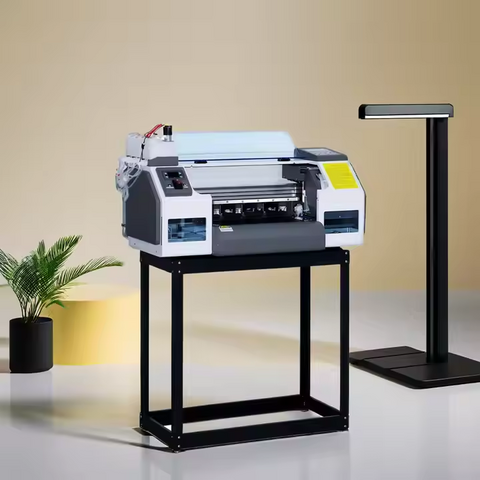
New DTF Printer Double XP600 Printhead A3 Direct To 30cm Film T shirt Printing Machine For All Fabrics
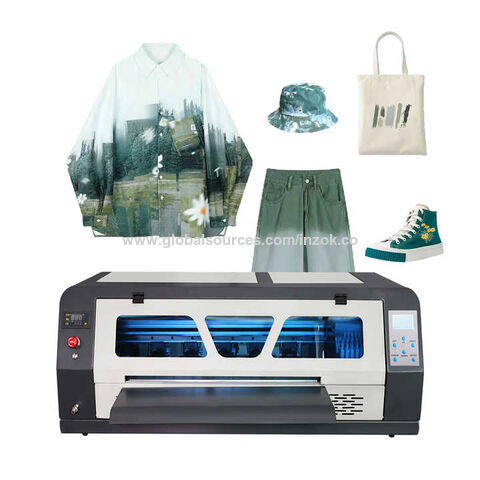
Wholesale Dual Print Head XP600 A3 30Cm 33Cm 50Cm DTF Digital Inkjet Printing Machine Xp600 DTF Printer
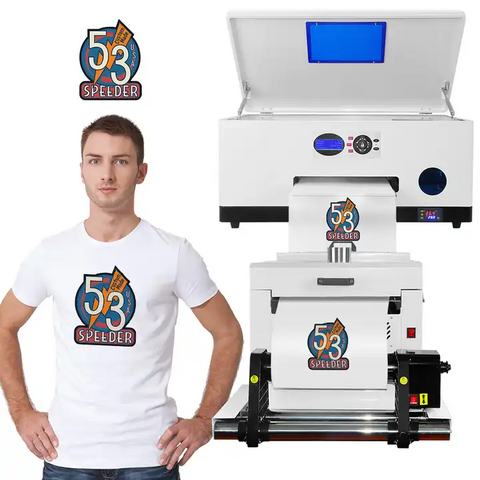
Refinecolor New DTF Printer Double XP600 Print head A3 Direct To 33cm Film T shirt Printing Machine For All Fabrics
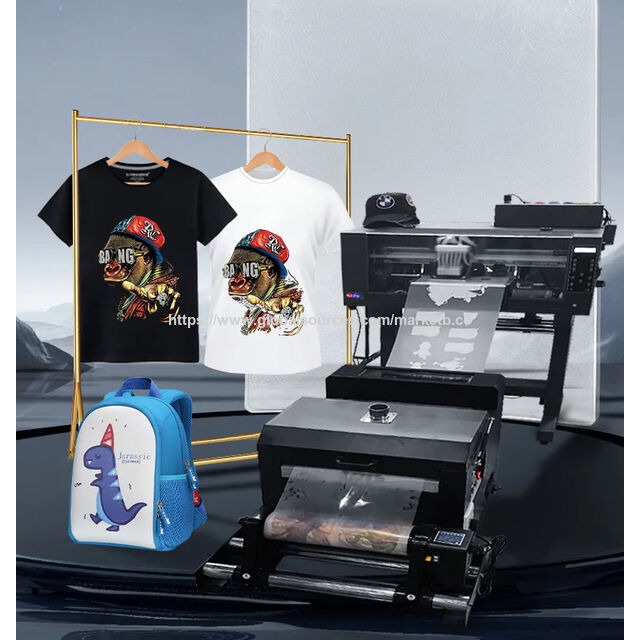
30cm T-Shirt Printing White Ink Printer Heat Transfer Pet Film Dual XP600 A3 Dtf Printer with Powder Shaker
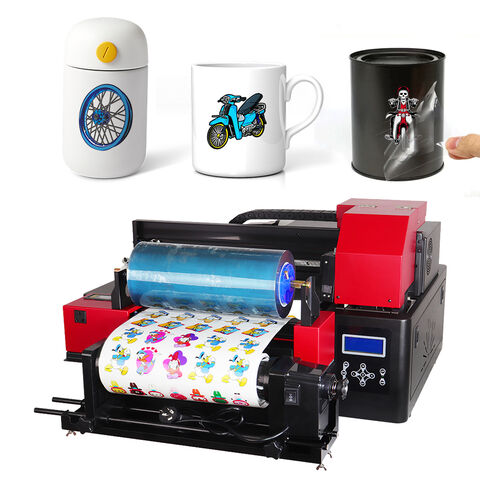
Refinecolor Roll To Roll UV DTF Sticker Printer Dtf Printing Machine
30cm T-Shirt Printing White Ink Printer Heat Transfer Pet Film Dual XP600 A3 Dtf Printer with Powder Shaker
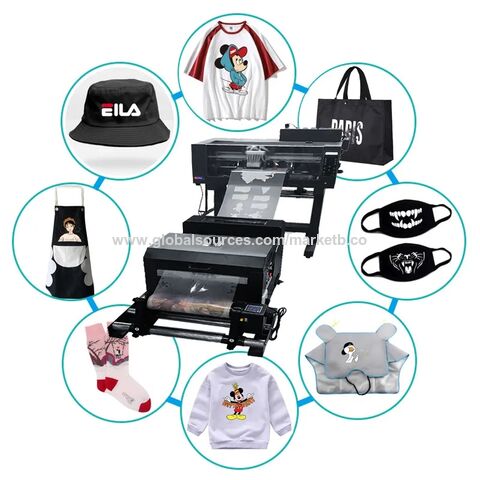
Dtf Printer A3 Pet Film XP600 Dual Head 30cm DIY Custom Heat Transfer DTG T Shirt Printing Machine Digital Pet Film Printer
FAQs
1. What is UV DTF printing?
UV DTF printing is a relatively new printing technology that has gained popularity in recent years. It stands for Ultraviolet Direct-to-Film printing, which involves printing designs onto a special film using UV-cured ink. The film is then transferred onto a variety of substrates, such as cotton, polyester, and other fabrics, using a heat press.
What sets UV DTF printing apart from other printing methods is its ability to print on a wide range of surfaces, including dark fabrics, without the need for pre-treatment. This is made possible by the use of white ink and a special adhesive layer that is applied to the film during printing.
UV DTF printing is known for producing vibrant and long-lasting prints that are resistant to fading and cracking. It is also a more eco-friendly alternative to traditional screen printing, as it does not require the use of harsh chemicals or water.
2. Can you print UV DTF on DTF printer?
Yes, it is possible to print UV DTF on a DTF (Direct-to-Film) printer. In fact, many DTF printers on the market today are specifically designed to handle UV-cured ink and are capable of producing high-quality UV DTF prints.
However, it is important to note that not all DTF printers are created equal. Some may not have the necessary features or capabilities to handle UV DTF ink, so it is important to do your research before investing in a printer.
When choosing a DTF printer for UV DTF printing, it is important to look for one that has a high-resolution printhead and can handle multiple passes of white ink. This will ensure that your prints come out clear and vibrant, even on dark fabrics.
3. What is the difference between UV DTF and DTF?
The main difference between UV DTF and DTF (Direct-to-Film) printing is the type of ink used. While both methods involve printing designs onto a special film that is then transferred onto a substrate using heat, UV DTF uses UV-cured ink, while traditional DTF uses dye-based ink.
UV-cured ink is known for its ability to produce vibrant and long-lasting prints that are resistant to fading and cracking. It also allows for printing on a wider range of surfaces, including dark fabrics, without the need for pre-treatment.
Dye-based ink, on the other hand, is known for its affordability and ease of use. It is typically used for printing on white or light-colored fabrics and requires pre-treatment to ensure proper adhesion.
Another difference between UV DTF and traditional DTF is the equipment required. UV DTF printers are typically more expensive than traditional DTF printers due to their advanced features and capabilities.
4. How do UV DTF transfers work?
UV DTF transfers work by printing designs onto a special film using UV-cured ink. The film is then placed onto the substrate (such as fabric) and pressed with a heat press to transfer the design onto the substrate.
The process begins with preparing the artwork in a design software program and sending it to the printer. The printer uses UV-cured ink to print the design onto a special release liner film, which has an adhesive layer applied during printing.
Once the design has been printed onto the film, it is removed from the printer and placed onto the substrate, face down. The film is then covered with a sheet of silicon paper and pressed with a heat press at a specific temperature and pressure for a set amount of time.
During this process, the adhesive layer on the film melts and fuses with the fibers of the substrate, creating a permanent bond between the design and the fabric. Once the transfer has been completed, the release liner film can be peeled away to reveal the finished product.
UV DTF transfers are known for their ability to produce vibrant and long-lasting prints that are resistant to fading and cracking. They are also more eco-friendly than traditional screen printing methods, as they do not require the use of harsh chemicals or water.
Also Read:

