




Table of Contents
What are 3D Printers for Kids?
Purchasing Wholesale 3D Printers for Kids at Factory Price on Global Sources
Top 10 Best 3D Printers for Kids
Market Analysis of 3D Printers for Kids
A Step-by-Step Guide to Using 3D Printers for Kids
3D printing, a technology once reserved for industrial manufacturing and professional design, has now become accessible to a much younger demographic. With the advent of 3D printers designed specifically for kids, children can now bring their imaginative ideas to life in a tangible form. This article provides a comprehensive overview of 3D printers for kids, discussing their features, benefits, and the exciting opportunities they offer for learning and creativity.
What are 3D Printers for Kids?
Just like their professional counterparts, 3D printers for kids use additive manufacturing technology to create three-dimensional objects from digital designs. However, these printers are designed with safety features, user-friendly interfaces, and simplified functionality to make them suitable for children. They often come with software that allows kids to create or modify 3D models with ease. Some models even offer mobile app compatibility, allowing children to design and print directly from their tablets or smartphones.
In addition to their user-friendly features, 3D printers for kids often have vibrant and colorful designs that appeal to children, making the technology more engaging and exciting for young users. These printers are typically smaller, making them easier to fit on a desk or in a child's workspace. This compact design saves space and ensures that the printer is more accessible for children, allowing them to participate in the printing process actively.
Moreover, 3D printers for kids often come with various pre-loaded templates and designs specifically tailored to children's interests. These templates can range from simple toys and figurines to educational models like solar system representations, animal anatomy, or historical landmarks. This pre-installed content sparks creativity and helps children get started with 3D printing immediately without the need for complex design skills.
To further enhance the educational value of 3D printers for kids, some manufacturers provide access to online communities and resources where children can share their creations, learn from others, and even collaborate on projects. These online platforms foster community and inspire kids to explore their imagination, develop problem-solving skills, and acquire a deeper understanding of technology and engineering concepts.
Features of Kids' 3D Printers
3D printers for kids are designed with a focus on safety, simplicity, and fun. They often come with enclosed printing areas to protect curious fingers from hot components. Some models feature filament sensors that pause printing when the filament runs out, preventing failed prints. The software provided with these printers is typically easy to navigate, with intuitive interfaces that children can understand and use.
In terms of materials, most kids' 3D printers use PLA (Polylactic Acid) filament. PLA is a biodegradable material derived from renewable resources like cornstarch or sugarcane. It's safe, non-toxic, and doesn't emit harmful fumes during printing, making it perfect for use by children.
The features of kids' 3D printers are specifically tailored to make the 3D printing experience safe, user-friendly, and enjoyable for children. Here are the key features you can expect to find in these printers:
1. Educational Software
One of the standout features of kids' 3D printers is the educational software that often accompanies them. These software packages are designed to not only make 3D printing accessible but also to provide a learning experience for children. They often include tutorials and guided projects that teach kids the fundamentals of 3D modeling and printing. This educational aspect fosters creativity and problem-solving skills early on, making these printers an excellent choice for parents and educators.
2. User-Friendly Controls
In addition to intuitive software, kids' 3D printers usually feature user-friendly controls. Large, easily understandable buttons and touchscreens make it simple for children to operate the printer independently. Some models even come with voice-guided instructions, further enhancing the user experience. These user-friendly interfaces empower kids to take ownership of their creative projects and develop a sense of accomplishment as they bring their ideas to life.
3. Pre-Loaded Templates and Libraries
To spark the imagination of young creators, many kids' 3D printers come pre-loaded with various templates and access to online libraries of printable designs. This feature encourages children to explore multiple objects, from toys and figurines to educational models and practical household items. It saves time on designing from scratch and provides a starting point for kids to customize and personalize their prints, instilling a sense of ownership and creativity.
4. Parental Controls and Monitoring
Manufacturers of kids' 3D printers understand the importance of parental oversight. These printers often have parental controls and monitoring options to ensure a safe and controlled printing environment. Parents can set up print queues, monitor progress remotely, and receive notifications about completed prints. This feature allows parents to guide and support their children's printing endeavors while ensuring a secure environment.
5. Encouragement of STEM Learning
Kids' 3D printers nurture creativity and promote STEM (Science, Technology, Engineering, and Mathematics) learning. As children experiment with designing and printing their creations, they naturally engage with concepts such as geometry, spatial reasoning, and problem-solving. These printers can be valuable tools to supplement STEM education, inspiring young minds to explore the fascinating world of science and technology.
6. Community and Sharing
Many manufacturers of kids' 3D printers have created online communities where young creators can share their projects and collaborate with others. These platforms facilitate the exchange of ideas and foster a sense of belonging within a community of like-minded individuals. By encouraging collaboration and sharing, these printers go beyond mere gadgets and become instruments for building a sense of camaraderie and support among young creators worldwide.
7. Safety Features
To ensure the safety of young users, kids' 3D printers often incorporate additional safety features. These can include automatic bed leveling to prevent accidents, temperature controls to avoid overheating, and emergency stop buttons to halt printing immediately. These safety measures provide peace of mind to parents and caregivers, knowing their children use technology responsibly and securely.
Kids' 3D printers are more than just innovative gadgets; they are educational tools that stimulate children's creativity, problem-solving skills, and STEM learning. With their user-friendly interfaces, pre-loaded templates, and safety features, these printers empower young minds to explore, create, and share in a safe and educational environment. Whether at home or in the classroom, kids' 3D printers have the potential to inspire the next generation of innovators and inventors.
Educational Benefits
One of the biggest advantages of introducing 3D printers to children is the educational benefit. 3D printing helps kids develop a wide range of skills. They learn about 3D modeling, spatial thinking, and basic engineering concepts as they design and print their creations. It also encourages problem-solving, as children figure out how to turn their ideas into 3D objects.
Moreover, 3D printing is a great way to introduce children to STEM (Science, Technology, Engineering, and Math) subjects. Many schools are now incorporating 3D printing into their curriculum, using it as a tool to teach everything from geometry to physics to computer science. Here are some of the education benefits:
Enhancing Creativity and Imagination
Beyond the technical aspects, 3D printing fosters creativity and imagination in children. When given the opportunity to bring their ideas to life in the form of physical objects, kids can explore their artistic side. They can design and print their own toys, sculptures, or even prototypes of inventions they envision. This creative outlet not only enhances their artistic skills but also stimulates their imagination, encouraging them to dream big and think outside the box.
Hands-On Learning Experience
3D printing provides a hands-on learning experience that is unparalleled in traditional classroom settings. Children can see the direct results of their efforts as they watch their designs materialize layer by layer. This tangible feedback loop is essential for their understanding of cause and effect, promoting a deeper grasp of concepts related to geometry, physics, and engineering. It also instills a sense of accomplishment, boosting their self-esteem and confidence in their problem-solving abilities.
Interdisciplinary Learning
Incorporating 3D printing into education promotes interdisciplinary learning. Students can seamlessly integrate various subjects into their projects. For instance, a history class can use 3D printing to recreate historical artifacts, merging history with technology. This interdisciplinary approach not only makes learning more engaging but also prepares students for a holistic understanding of real-world challenges, where knowledge from multiple fields often comes into play.
Encouraging Collaboration and Communication
3D printing often involves collaborative projects, where students work together to create complex designs. This fosters teamwork and communication skills, which are essential life skills. Children learn how to share ideas, divide tasks, and solve problems collectively. These collaborative experiences prepare them for future endeavors in the workplace, where teamwork is a valuable asset.
Adapting to Future Technologies
Introducing 3D printing in education equips children with valuable skills for the future. In a world where technology is rapidly evolving, being proficient in 3D printing and related software is an asset. It prepares students for careers in emerging fields such as additive manufacturing, product design, and even healthcare, where 3D printing is revolutionizing the production of medical devices and prosthetics.
Environmental Awareness
Teaching children about 3D printing also opens up discussions about sustainability and responsible technology use. Educators can emphasize the importance of using eco-friendly materials and techniques in 3D printing. This awareness can lead to a generation of environmentally conscious individuals who consider the impact of their actions on the planet.
The introduction of 3D printing into education offers a plethora of educational benefits. It enhances creativity, provides hands-on learning experiences, promotes interdisciplinary learning, encourages collaboration and communication, equips students with future-ready skills, and fosters environmental awareness. As schools continue to integrate this technology into their curricula, children will have even more opportunities to explore and reap the educational advantages of 3D printing.
Creativity and Fun
Beyond the educational benefits, 3D printers for kids offer endless possibilities for creativity and fun. Children can design and print their toys, accessories, or school projects. They can personalize their creations by choosing different colors and materials. Seeing their ideas come to life in a physical form can be incredibly rewarding and exciting for kids.
3D printers for kids are more than just a fun toy; they're a powerful educational tool. They provide a hands-on learning experience that can inspire creativity, foster problem-solving skills, and ignite an interest in STEM subjects. As this technology becomes more widespread and affordable, it's likely that more and more children will have the opportunity to explore the exciting world of 3D printing. It's essential to recognize that these devices allow kids to bring their imagination to life and encourage them to think critically and innovatively. When children engage with 3D printing, they start believing in three dimensions, which enhances their spatial reasoning skills. They learn how to translate abstract ideas into concrete, tangible objects, a fundamental aspect of creativity.
Moreover, 3D printing can turn learning into a captivating adventure. Kids can design and print historical artifacts for school projects, bringing history to life in a way that textbooks alone can't. They can create intricate puzzles and brain-teasers, challenging themselves and their friends to solve these self-designed challenges. In this way, 3D printing extends beyond just a creative outlet; it becomes a platform for intellectual growth and problem-solving.
Additionally, 3D printing can bridge the gap between the digital and physical worlds. It allows kids to understand the digital design process and see the direct impact of their digital creations in the real world. This connection between the virtual and physical realms can be fascinating for children, as it empowers them to realize their visions and experiment with new ideas.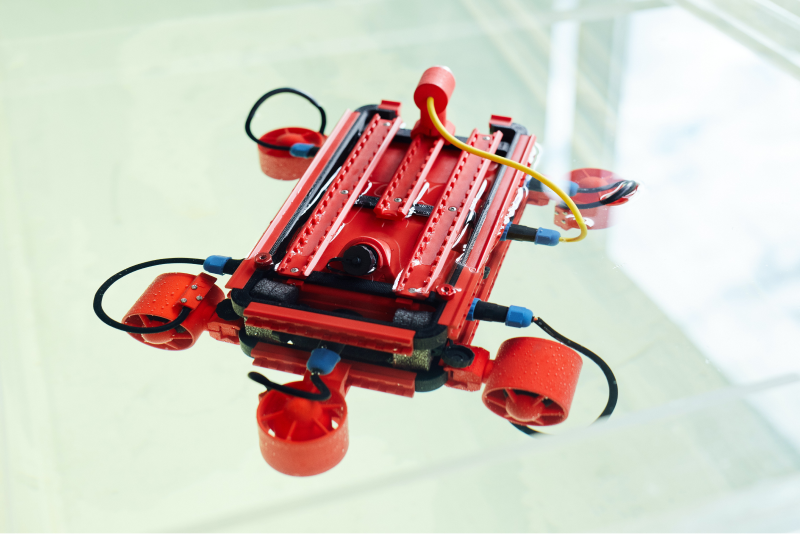
Purchasing Wholesale 3D Printers for Kids at Factory Price on Global Sources
In the rapidly evolving world of technology, 3D printers designed for kids have emerged as a niche yet growing market segment. These printers offer an interactive and educational platform for children to learn and create. For businesses, wholesalers, and retailers interested in tapping into this potential, Global Sources provides an excellent platform to purchase these printers at factory prices.
What is Global Sources?
Global Sources is a leading business-to-business (B2B) media company that connects buyers worldwide with verified suppliers from China and Asia. The platform offers a wide range of products across various categories, including electronics, home products, fashion, and more. In the context of 3D printers for kids, Global Sources offers an extensive selection of products at competitive wholesale prices.
Why Buy from Global Sources?
There are several advantages to purchasing wholesale 3D printers for kids from Global Sources. Firstly, the platform provides access to a wide range of manufacturers, allowing buyers to compare different products and prices to make an informed decision.
Secondly, all suppliers on Global Sources are verified, reducing the risk of fraud. The platform also provides detailed supplier information, including business type, production capabilities, product certifications, and more. This transparency helps buyers assess the credibility of suppliers and the quality of their products.
Thirdly, buying directly from manufacturers on Global Sources allows buyers to enjoy factory prices. This can significantly reduce costs, especially for bulk purchases. Additionally, the platform offers buyer protection services, ensuring secure transactions.
Wholesale 3D Printers for Kids on Global Sources
On Global Sources, you'll find a variety of 3D printers designed for kids from multiple manufacturers. These printers come with different features and specifications to meet varying needs. Some printers are designed for beginners with easy-to-use software, while others have advanced features for older kids and teens.
Most of these 3D printers use PLA filaments, which are safe and non-toxic, making them suitable for children. They also come with safety features such as enclosed printing areas and auto shut-off functions.
In terms of pricing, buying these 3D printers at factory price on Global Sources can lead to significant cost savings. This is particularly beneficial for businesses and retailers looking to resell these printers. With the growing popularity of 3D printers for kids, this could represent a lucrative business opportunity.
In conclusion, Global Sources offers a reliable and cost-effective platform for purchasing wholesale 3D printers for kids at factory prices. With a wide range of products, verified suppliers, and competitive pricing, it's an excellent choice for businesses, wholesalers, and retailers looking to tap into this growing market segment. As 3D printing continues to gain popularity among kids, the demand for child-friendly 3D printers is expected to rise, making this a promising investment opportunity.
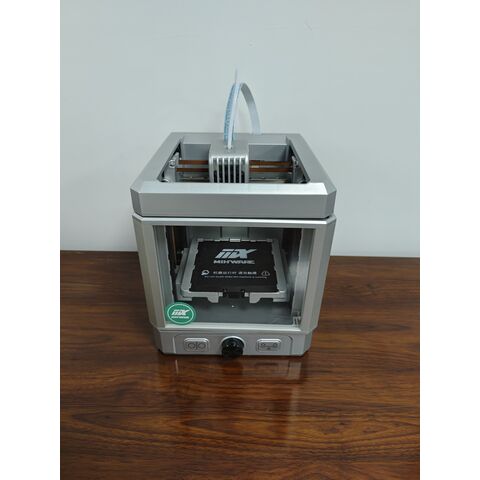
One-Key Mini 3D Printer for Kids Full Auto Leveling, Fully Assembled, Removable Build Plate, Small Enclosed FDM 3D Printers
3D printer education office high-precision desktop level FDM Small 3D Printer
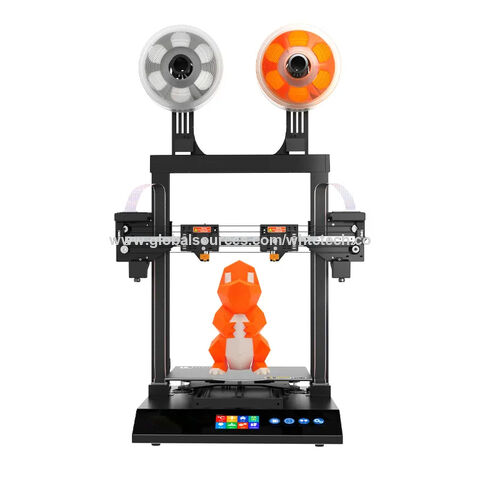
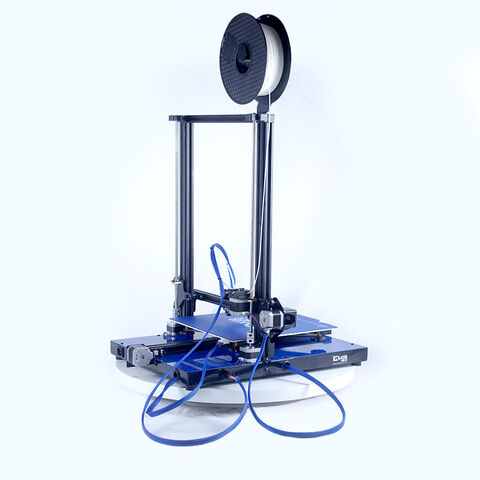
Hobby 3D Printing Machine, Quick Assembly, with Auto Leveling Bed 3D Printer
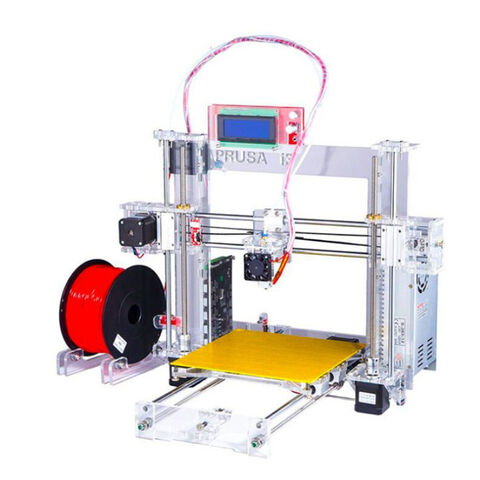
Hot sales Desktop acrylic 3d printer -
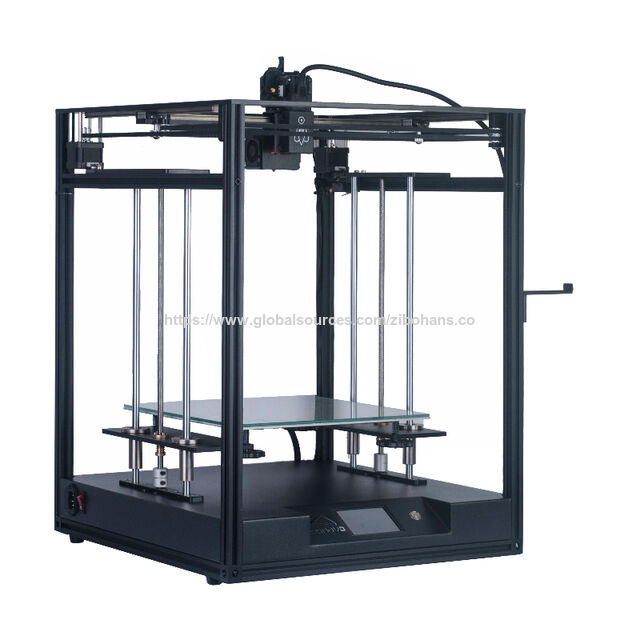
Double z-axis Core XY 3D printing/pinter,large size, fast and simple assembly,quick print
High Precision 3D printer, Industrial use, Quick Print, easy assemble, for ABS, PLA, nylon and wood
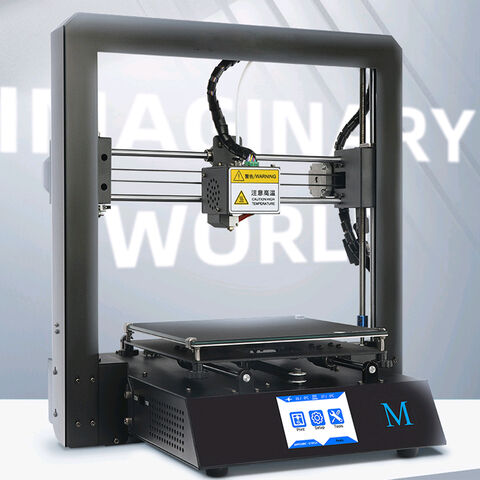
Top 10 Best 3D Printers for Kids
Introduction: In the swiftly evolving world of technology, 3D printing has emerged as a revolutionary tool, transforming the way we conceive, design, and produce objects. Not only has it become a game-changer in industries like manufacturing, medicine, and architecture, but it has also found its way into our homes, particularly in the hands of young, curious minds. The advent of 3D printers designed especially for kids has opened up a whole new world of creativity, learning, and fun. These devices enable children to bring their imaginative ideas to life, while also fostering critical thinking, problem-solving, and design skills.
In this comprehensive guide, we will delve into the top 10 best 3D printers for kids available in the market today. We have meticulously curated this list considering factors such as safety, ease of use, print quality, and educational value.
FlashForge Finder 3D Printer
Topping our list is the FlashForge Finder 3D Printer. With its user-friendly interface, quiet operation, and excellent safety features, it is an ideal starting point for kids venturing into 3D printing. The FlashForge Finder goes beyond just being a 3D printer; it's a gateway to a world of creativity and innovation. Its built-in Wi-Fi connectivity allows kids to print their designs wirelessly from their computers or smartphones, enhancing their technical skills and independence. The printer also features a built-in camera that lets kids monitor their print progress remotely, adding an element of excitement and engagement to the printing process.
Additionally, this printer's compatibility with popular slicing software like FlashPrint and its support for multiple file formats encourage kids to explore various design software and file types, thereby broadening their skill set in the world of digital design.
XYZprinting da Vinci Jr. 1.0
The da Vinci Jr. 1.0 from XYZprinting is an eco-friendly and compact printer that offers a safe and smooth printing experience for kids. It has a fully enclosed design for maximum safety and uses non-toxic PLA filament.
Its enclosed design not only keeps curious hands away from hot components but also prevents any accidental disruptions to the printing process. Moreover, it features a built-in filament auto-loading system, which eliminates the need for manual filament loading and ensures a hassle-free experience for young users.
In addition to safety, XYZprinting offers a wide range of educational resources and a kid-friendly design software, XYZmaker, designed specifically for young creators. This software simplifies the 3D design process, making it accessible to children and helping them unleash their creativity.
Dremel Digilab 3D20
The Dremel Digilab 3D20 is known for its reliability and high-quality prints. Its enclosed design and non-heated build plate make it safe for children to use.
What sets the Dremel Digilab 3D20 apart is its focus on education. Dremel provides access to an extensive library of lesson plans and projects designed for various age groups and skill levels. This means that kids can not only create their designs but also learn about real-world applications of 3D printing, from creating prototypes to solving everyday problems.
Furthermore, this printer encourages experimentation and customization through its compatibility with third-party filaments. Kids can explore different materials and colors, learning about material properties and the impact on their prints.
Monoprice Select Mini 3D Printer
This compact and budget-friendly printer is perfect for beginners. Despite its small size, the Monoprice Select Mini offers a wide range of features and delivers excellent print quality.
For kids, affordability can be a significant factor, and the Monoprice Select Mini fits the bill without compromising on performance. Its open-source nature means that young users can explore and modify the printer's software and hardware, promoting a deeper understanding of 3D printing technology.
Moreover, Monoprice provides a supportive online community where kids can seek advice, share their creations, and collaborate with fellow young makers. This sense of belonging to a community of creators can be a powerful motivator for kids to continue honing their 3D printing skills.
QIDI Technology X-one2
The X-one2 from QIDI Technology is a robust and durable printer with easy-to-use software, making it suitable for children and beginners. It also features a fully enclosed design for safe operation.
In addition to its user-friendly design, the QIDI X-one2 comes with dual extruders, allowing kids to experiment with multi-color and multi-material prints. This opens up a world of possibilities for creating intricate and visually stunning 3D models.
To further enhance the educational value, QIDI provides access to a range of online tutorials and resources. These resources help kids learn the finer details of 3D printing, from designing models to optimizing print settings for different projects.
Tiertime Up Mini 2
The Tiertime Up Mini 2 is a user-friendly and reliable printer that offers high-quality prints. It features a touch screen interface, HEPA filtration, and full enclosure for safety.
Its touchscreen interface simplifies the printing process, allowing kids to navigate through settings and monitor progress with ease. The HEPA filtration system ensures that the air remains clean and free from harmful particles during printing, providing a healthy environment for young users.
Moreover, Tiertime offers educational bundles that include 3D printing lesson plans and curriculum, making it an excellent choice for educators and parents looking to integrate 3D printing into a child's learning experience. These resources align with various educational standards and encourage the development of STEM (Science, Technology, Engineering, and Mathematics) skills.
Polaroid PlaySmart 3D Printer
The Polaroid PlaySmart offers an intuitive user experience with a mobile app for easy operation. It comes with a kid-safe filament and a sleek, enclosed design.
One standout feature of the Polaroid PlaySmart is its mobile app compatibility, which allows kids to control the printer directly from their smartphones or tablets. This feature not only enhances the user experience but also promotes familiarity with mobile technology.
The inclusion of kid-safe filament ensures that children can experiment with 3D printing without any safety concerns. This filament is non-toxic and easy to load, making it a perfect match for young creators. The printer's enclosed design adds an extra layer of safety, keeping curious fingers away from moving parts.
Toybox Labs Printer
Designed specifically for kids, the Toybox Labs Printer allows children to design and print their toys. It's easy to use, safe, and comes with a library of pre-designed toys, children can choose from a variety of ready-made templates or modify them to add their personal touch. This hands-on experience not only sparks imagination but also teaches kids the basics of 3D design.
The printer's user-friendly interface simplifies the printing process, making it accessible to kids of all ages. Additionally, the Toybox app allows kids to browse and select designs, fostering digital literacy and creativity.
Sindoh 3DWOX DP200
The Sindoh 3DWOX DP200 is a high-end printer that offers excellent print quality. It has an enclosed design, easy-to-use interface, and features like assisted bed leveling and filament auto-loading.
When it comes to print quality, the Sindoh 3DWOX DP200 excels. It's perfect for kids who are passionate about creating detailed and precise 3D models. The printer's assisted bed leveling feature ensures that prints adhere properly to the build plate, reducing the chances of print failures.
One remarkable aspect of this printer is its focus on user convenience. Kids can easily swap filament cartridges with minimal effort, thanks to the auto-loading mechanism. The Sindoh 3DWOX app provides step-by-step guidance for the printing process, making it an excellent choice for young learners.
Creality Ender 3 V2
The Creality Ender 3 V2 is an affordable, open-frame printer that offers high-quality prints and a large build volume. While it may require adult supervision due to its open design, it's an excellent choice for older kids and teens who are serious about 3D printing.
The Creality Ender 3 V2 caters to older kids and teenagers who are ready to take on more significant 3D printing challenges. Its open-frame design allows for a larger build volume, enabling kids to tackle more extensive and intricate projects. However, adult supervision is recommended due to the open structure.
The Ender 3 V2's affordability and robust features, such as silent printing and easy assembly, make it an attractive option for families looking to introduce older children to the world of 3D printing. Additionally, it supports various filament materials, encouraging kids to experiment with different textures and colors in their creations.
Incorporating 3D printing into your child's learning journey can be an exciting and enriching experience. The printers listed above come with unique features catering to the needs of different age groups and skill levels, ensuring that your young ones can safely explore, create, and learn. Remember, the best 3D printer for your child will depend on their interests, age, and your budget. So, take your time, do your research, and make an informed decision.
Market Analysis of 3D Printers for Kids
The 3D printing market has seen significant growth in recent years, and a niche segment that is fast gaining traction is the market for 3D printers designed specifically for kids. This market is driven by the increasing integration of 3D printing in education and the rising demand for child-friendly, educational, and interactive toys.
The global 3D printer market size is estimated to grow by USD 25,095.58 million between 2022 and 2027, accelerating at a compound annual growth rate (CAGR) of 23.49%[1]. While this statistic covers the entire 3D printer market, it's reasonable to infer that the market for 3D printers for kids will follow a similar growth trajectory. This is primarily due to the increase in consumer interest in 3D customized products, which extends to educational tools and toys for children.
In 2022, the global 3D printing market size was valued at USD 16.75 billion[2], and it is projected to grow at a CAGR of 23.3% from 2023 to 2030[2]. The market size was valued at USD 18.33 billion in 2022 and is projected to grow from USD 22.40 billion in 2023 to USD 105.99 billion by 2030[3]. This exponential growth showcases the potential of the 3D printer market, including the segment for kids.
The 3D Printing Market size is expected to grow from USD 20.24 billion in 2023 to USD 56.21 billion by 2028, at a CAGR of 22.66% during the forecast period (2023-2028)[4]. The growth of the 3D printing market, including the sub-segment of 3D printers for kids, is fueled by technological advancements, increasing consumer demand, and the wide-ranging applications of 3D printing.
Despite the lack of specific statistics for the 3D printers for kids market, these overall trends in the 3D printing market suggest a promising outlook for this segment. As more schools integrate 3D printing into their curriculum and as more parents recognize the educational value of these devices, the demand for kid-friendly 3D printers is expected to rise.
However, the growth of this market also depends on other factors, such as the development and accessibility of child-friendly design software and the ongoing efforts to ensure the safety and ease-of-use of these devices for children. As the market evolves, it will be interesting to see how manufacturers address these challenges to make 3D printing more accessible and appealing to the younger demographic.
Sources:
- 3D Printer Market Report, Share & Growth [2023 Global Report] - Technavio
- 3D Printing Market Size, Share & Trends Analysis Report, 2030
- 3D Printing Market Size, Growth, Share | Global Report [2030]
- 3D Printing Market - Size, Industry Trends, Growth & Forecast
A Step-by-Step Guide to Using 3D Printers for Kids
3D printers for kids are an excellent tool for fostering creativity, enhancing problem-solving skills, and introducing children to the fascinating world of technology. However, for beginners, the process might seem intimidating. This guide provides a step-by-step approach to using a 3D printer for kids.
Step 1: Understanding the Basics
Before diving into the printing process, it's crucial to understand the basics of 3D printing. Explain to your child that a 3D printer creates objects by laying down successive layers of material (usually plastic) until the object is complete. This process is controlled by a computer that tells the printer exactly where to place each layer.
Step 2: Safety First
Safety should always be your first concern when using a 3D printer. Ensure the printer is in a well-ventilated area to avoid any fumes from the heated plastic. Teach your child not to touch the printer while it's in operation, as some parts can become very hot. Most kids' 3D printers have safety features like enclosed printing areas and auto shut-off functions.
Step 3: Choose a Design
There are two main ways to get a design for a 3D print: download it or create it. Numerous online platforms offer free or paid 3D models suitable for kids. If your child is more adventurous, they can use 3D modeling software to create their own designs. Many kids' 3D printers come with kid-friendly design software.
Step 4: Prepare the Printer
Before starting the print, you'll need to load the filament into the printer. This process varies between models, so refer to your printer's manual for specific instructions. Ensure the print bed is clean and level - an uneven bed can lead to printing errors.
Step 5: Start the Print
Once the design is ready and the printer is prepared, it's time to start the print. This process involves transferring the design file to the printer, usually via USB or Wi-Fi, and then using the printer's control panel to begin the print.
Step 6: Monitor the Print
While the printer is working, it's important to keep an eye on the process. This doesn't mean you need to sit and watch the entire print, but check in periodically to ensure everything is running smoothly.
Step 7: Remove the Print
Once the printer has finished, give it some time to cool down before removing the print. Use a spatula or similar tool to gently remove the object from the print bed.
Step 8: Post-Processing
After the print is removed, there might be some post-processing work to do. This could include removing support structures or smoothing rough edges.
Remember, patience is key when working with 3D printers. The process can be slow, but the reward of seeing your child's design come to life is well worth the wait. Happy printing!
FAQs: 3D Printer for Kids
3D printing is a fascinating technology that has found its way into the lives of both adults and children. It's an excellent way to engage young minds in a creative and educational pursuit. In this article, we'll delve deeper into the world of 3D printing for kids, exploring various aspects and answering common questions.
What is the best 3D printer for kids?
Choosing the best 3D printer for kids depends on various factors such as the child's age, experience level, and interests. However, one model that consistently ranks high in reviews is the "FlashForge Finder 3D Printer".
The FlashForge Finder is specifically designed with kids and beginners in mind. It has a slide-in build plate, which makes it easy to remove printed objects. It also has an intuitive color touchscreen with clear icons that simplify the printing process.
The printer uses only non-toxic PLA, and its filament cartridges are easy to load. It also boasts impressive safety features, including a sturdy, plastic alloy construction for a stable print performance, and an enclosed printing area to protect users from the high temperatures needed to melt the plastic filament.
Moreover, it has Wi-Fi, USB, and flash drive connectivity, offering various ways to upload designs. The printer's noise level is below 50 dB, which is quieter than some other models, making it suitable for home use.
While the FlashForge Finder is an excellent choice, it's essential to consider the specific needs and capabilities of the child who will be using the printer.
Are 3D printers worth it for kids?
3D printers can be a worthwhile investment for kids for several reasons. They offer an engaging way to introduce children to STEM (Science, Technology, Engineering, Math) concepts. As they design and print their creations, kids learn about 3D modeling, spatial thinking, and basic engineering principles.
These printers also promote creativity and problem-solving skills. Children can bring their imaginative ideas to life in a tangible form or create practical items like pencil holders or custom toys. When a print doesn't turn out as expected, kids learn to troubleshoot and solve the problem.
However, parents should consider a few factors before deciding to buy a 3D printer. These include the child's interest level, the printer's cost, the cost of materials, and the time commitment required to learn and use the printer effectively.
Are there 3D printers for kids?
Yes, there are 3D printers specifically designed for kids. These printers are generally safer, simpler to operate, and more affordable than professional-grade 3D printers. They often come with user-friendly software that allows kids to create or modify 3D models with ease.
Many of these printers have safety features such as enclosed printing areas to protect children from hot components, and they typically use PLA (Polylactic Acid) filament, which is a safe, non-toxic material derived from renewable resources.
What age is appropriate for a 3D printer?
The appropriate age for a child to start using a 3D printer can vary greatly depending on the child's maturity level, interest, and ability to understand and follow safety guidelines. However, many 3D printer manufacturers recommend their products for children aged 8 and up.
At this age, children typically have the necessary motor skills to handle the equipment and the cognitive ability to grasp the basic concepts of 3D printing. They can also understand and follow safety instructions, which is crucial when using a device that involves heated elements.
Regardless of the child's age, adult supervision is always recommended when children are using a 3D printer.
How does 3D printing benefit children's education?
3D printing offers numerous educational benefits for children. It provides a hands-on learning experience to enhance their understanding of various subjects, including science, technology, engineering, and mathematics (STEM). When kids engage in 3D printing projects, they develop problem-solving skills as they encounter challenges in the design and printing process.
Additionally, 3D printing encourages creativity by allowing kids to turn their ideas into physical objects. This creative outlet can boost their self-esteem and motivation to learn. It's not just about creating decorative items; children can also make functional objects like simple machines, prototypes, or educational models. Press Tab to write more...
Furthermore, 3D printing can foster collaboration and teamwork among children. They learn valuable social and communication skills when they work on group projects or share ideas with peers.
What are some educational applications of 3D printing for kids?
The applications of 3D printing in education are vast and diverse. Here are a few educational scenarios where 3D printing can benefit kids:
Science Projects: 3D printing allows students to create accurate models of scientific concepts, from molecules to celestial bodies. These tangible representations can help children grasp complex scientific ideas more easily.
Historical Replicas: Students can use 3D printing to recreate historical artifacts, buildings, or archaeological finds. This hands-on approach to history can make learning more engaging and memorable.
Mathematics Demonstrations: 3D-printed geometric shapes and mathematical models can aid in teaching concepts like volume, surface area, and geometry visually and interactively.
Engineering Challenges: 3D printing enables kids to tackle engineering challenges by designing and building structures, bridges, or even simple robots. These projects promote critical thinking and problem-solving skills.
Custom Learning Aids: Teachers and students can collaborate to create customized learning aids tailored to individual needs, whether tactile maps for visually impaired students or interactive models for hands-on learning.
What are the environmental implications of 3D printing for kids?
While 3D printing offers numerous benefits for education and creativity, it's essential to consider its environmental impact. Most 3D printers use plastic filaments, which can contribute to plastic waste if not managed responsibly. Parents and educators can use this opportunity to teach kids about sustainability and responsible consumption.
To mitigate the environmental impact, recycling and properly disposing of unused or failed prints and plastic waste is crucial. Some 3D printers even allow for recycling and reusing plastic filaments, making them a more eco-friendly choice.
Moreover, educators can incorporate sustainability and eco-friendly design discussions into 3D printing projects. Encouraging kids to think about the environmental consequences of their creations can help instill a sense of responsibility and environmental consciousness from an early age.
In conclusion, 3D printing is valuable for kids' education and creativity. It offers various educational applications, enhances problem-solving skills, and promotes STEM learning. However, it's essential to balance the benefits with environmental considerations and ensure children use 3D printers safely and responsibly.
Also Read:

