




Dropshipping continues to be a prominent e-commerce strategy in 2026, with entrepreneurs seeking niche products that promise high profit margins. The following is a curated list of 10 such products, based on current market research and expert analysis from various sources.
1.Customized Jewelry
Personalized items are trending, and customized jewelry is no exception. This niche allows for high markups, especially when dealing with unique designs or personalized elements. Sellvia highlights the potential in this market as consumers seek individuality in their purchases [1].
2. Eco-Friendly Products
Sustainability is a growing concern, and products like biodegradable phone cases, reusable straws, and solar-powered chargers cater to environmentally conscious consumers. Forbes notes the increasing demand for eco-friendly products, which can command higher prices due to their perceived value [3].
3. Smart Home Devices
With home automation becoming more mainstream, items like smart thermostats, intelligent lighting systems, and Wi-Fi-enabled security cameras are popular. These products offer convenience and energy savings, which justify their higher price points [3].
4. Health and Wellness Supplements
Niche supplements, such as nootropics for cognitive enhancement or collagen for skin health, are in demand. The specificity of these products allows for targeted marketing and higher profit margins due to their specialized nature [2].
5. Outdoor Survival Gear
With an increase in outdoor activities, products like survival kits, water purifiers, and portable solar panels are essential for adventurers. E-commerce platforms suggests that these high-ticket items can generate significant profits due to their necessity and specialized use [4].
6. Remote Work Essentials
As remote work persists, products designed to enhance productivity at home, such as ergonomic chairs, standing desks, and high-quality webcams, have become increasingly profitable [2].
7. High-End Fashion Accessories
Luxury items such as designer sunglasses, watches, and handbags can be dropshipped with a considerable markup. The exclusivity and brand appeal drive their high profit margins [4].
8. Fitness Equipment
Home gym equipment like adjustable dumbbells, resistance bands, and yoga accessories are sought after by fitness enthusiasts who prefer to work out at home. These items have a consistent demand and offer substantial profit margins due to their higher selling prices [2].
9. Hobbyist Supplies
Niches catering to hobbies like painting, knitting, or model building have dedicated customer bases willing to pay more for specialty products that cater to their interests [1].
10. Educational Toys for Children
Toys that combine fun with learning, such as STEM kits or language learning apps for children, are not only popular but can also be sold at a premium due to their educational value [3]. For dropshippers looking to capitalize on these niches in 2025, it's essential to conduct thorough market research and understand the target audience's needs. Additionally, establishing reliable supplier relationships and offering excellent customer service can help maximize profits in these high-margin niches.
How Does the Dropshipping Business Model Work?
The dropshipping business model is a streamlined workflow designed for efficiency and scalability, ideal for entrepreneurs looking to enter the e-commerce space without a significant upfront investment in inventory. Here's a concise breakdown of the workflow:
- Product Selection: Business owners identify products to sell from suppliers, focusing on niche markets or popular items with high demand.
- Supplier Partnership: Owners partner with suppliers who are willing to ship products directly to customers. These suppliers could be manufacturers, wholesalers, or other retailers.
- Online Store Setup: The business sets up an online storefront using platforms like Shopify or WooCommerce, where customers can browse and purchase products.
- Order Processing: When a customer places an order, the store owner receives the order and payment at the retail price.
- Order Forwarding: The store owner then forwards the customer's order details and shipping information to the supplier and pays the wholesale price for the product.
- Shipping and Fulfillment: The supplier ships the product directly to the customer under the store's branding, completing the sales process without the store ever physically handling the product.
- Customer Service: Throughout this process, the business owner manages customer service, addressing any questions or issues that arise.
This model minimizes risk and cost by eliminating the need for inventory management, while allowing business owners to focus on marketing and customer relations.
Pros of Dropshipping
- Low Startup Costs: There’s no need to invest in inventory or warehousing space.
- Flexibility: Owners can run their business from anywhere with an internet connection.
- Wide Selection of Products: Since inventory isn’t purchased upfront, business owners can offer a wide array of products.
- Test Products Easily: It’s easy to test out which products sell well without purchasing bulk inventory.
Cons of Dropshipping
- Low Margins: Competitive niches may have lower margins due to heavy competition.
- Inventory Issues: Since inventory isn’t managed by the business owner, there might be issues with stock shortages from suppliers.
- Shipping Complexities: Shipping costs can be complicated if customers purchase items from multiple suppliers.
- Less Control Over Lead Times: The business owner relies on suppliers to ship products promptly, which can sometimes lead to delays.
Dropshipping is a popular e-commerce business model that allows entrepreneurs to start businesses with relatively low upfront investment. It offers flexibility and a wide range of products but also comes with challenges such as low margins and less control over inventory and shipping. Success in dropshipping requires careful selection of niches and suppliers, creating an effective online store, excellent customer service, and strong marketing strategies. As with any business model, it requires dedication, research, and a willingness to adapt to market changes.
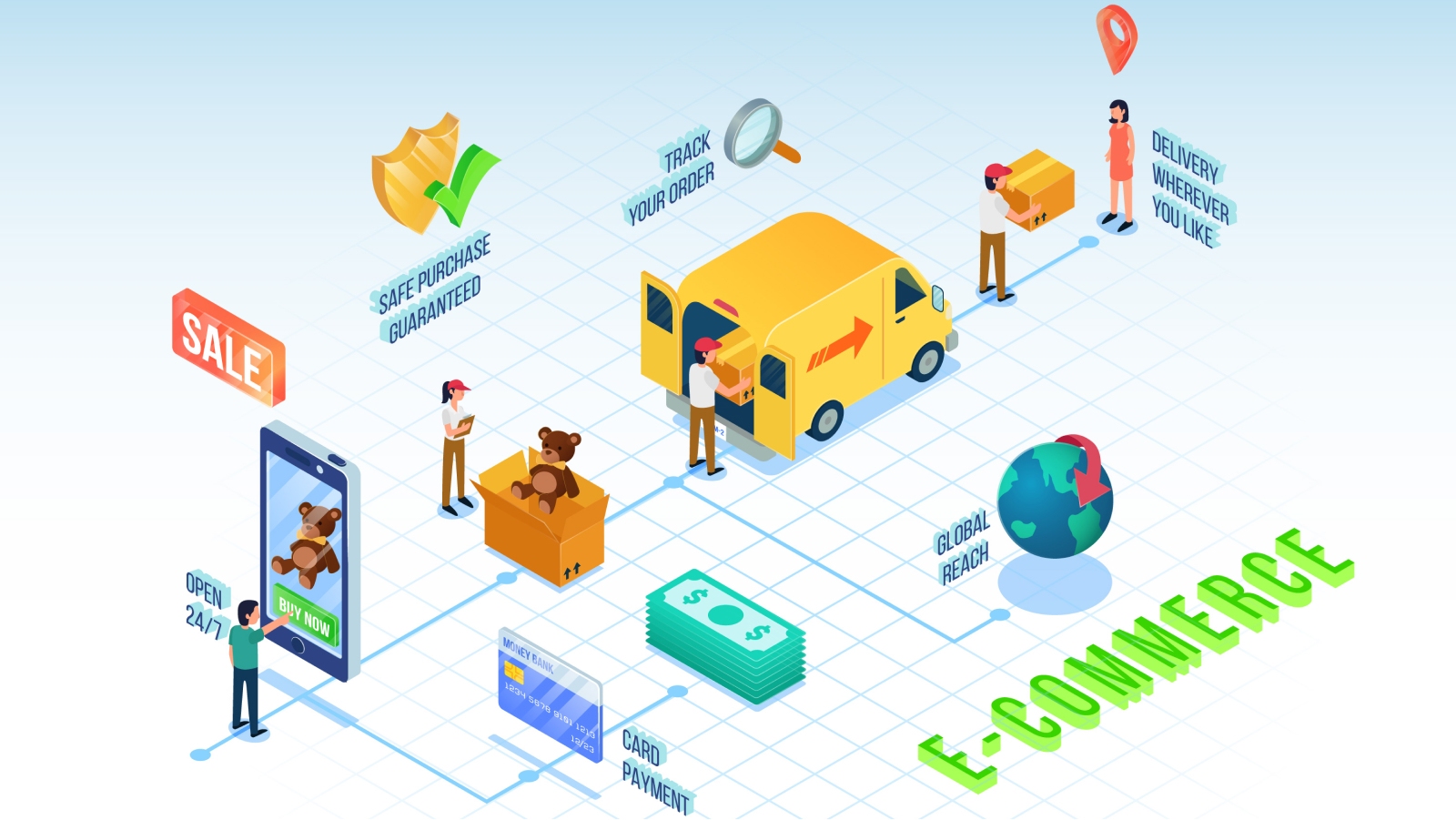
How to Start a Dropshipping Business
Starting a dropshipping business can be an attractive path for entrepreneurs due to its relatively low overhead, ease of setup, and the ability to scale quickly. Here's a comprehensive guide on how to start a dropshipping business in eight detailed steps:
Step 1: Choose a Niche
Research and Select a Niche: Begin by selecting a niche that interests you and has a viable market. Research potential products, understand the target audience, and analyze the competition. Look for products with high demand but not overly saturated in the market.
Validate Your Niche: Use tools like Google Trends, social media, and keyword research to validate the demand for your chosen products. Check out online communities related to your niche to understand customer pain points and desires.
Step 2: Perform Market Research
Analyze the Competition: Use competitive analysis tools to see what others in your niche are doing. Look at their pricing, marketing strategies, and customer reviews. This will help you identify gaps in the market and opportunities to differentiate your store.
Identify Your Target Audience: Understand who your potential customers are, their shopping habits, preferences, and which social platforms they frequent. This information will be crucial for marketing your products effectively.
Step 3: Find a Supplier
Research Suppliers: Look for reliable suppliers who offer dropshipping services. Platforms like Global Sources, SaleHoo, or Doba can be good starting points. Evaluate their product quality, shipping times, and reputation.
Build Relationships: Contact potential suppliers to inquire about their services, negotiate terms, and establish a working relationship. Ensure they are responsive and understand your business goals.
Step 4: Set Up Your Business
Choose a Business Name: Select a unique and memorable name that reflects your niche and is easy to spell and pronounce.
Create a Legal Entity: Depending on your location, you may need to register your business as a legal entity, such as an LLC or sole proprietorship.
Get a Sales Tax ID: If required in your country or state, obtain a sales tax ID. This will allow you to collect sales tax from customers where applicable.
Step 5: Build Your E-commerce Platform
Select an E-commerce Platform: Choose a platform like Shopify, WooCommerce, or Magento that supports dropshipping and aligns with your technical skills and budget.
Customize Your Store: Design your store with user experience in mind. Create professional-looking product pages, ensure easy navigation, and optimize for mobile users.
Set Up Payment Processing: Integrate secure payment gateways like PayPal, Stripe, or credit card processors to allow customers to make purchases easily.
Step 6: Plan Your Finances
Determine Your Pricing Strategy: Calculate your costs and set competitive prices while ensuring you maintain a reasonable profit margin.
Create a Budget: Develop a budget that includes initial setup costs, marketing expenses, and any other operational costs.
Keep Track of Finances: Use accounting software to manage your finances. Keep track of all income and expenses to understand your financial health at any given time.
Step 7: Implement a Marketing Strategy
Develop a Marketing Plan: Create a comprehensive marketing plan that includes SEO, content marketing, social media marketing, email campaigns, and pay-per-click advertising.
Create High-Quality Content: Develop engaging content that appeals to your target audience. Use high-quality images, write compelling product descriptions, and create informative blog posts or videos related to your niche.
Leverage Social Media: Build a presence on social media platforms where your target audience is most active. Use these channels to connect with customers, promote products, and drive traffic to your store.
Step 8: Manage and Optimize Your Business
Customer Service: Provide excellent customer service. Respond promptly to inquiries, resolve issues efficiently, and gather feedback to improve your business.
Analyze Performance: Regularly review analytics to understand which products are selling well and which marketing strategies are most effective.
Optimize for Growth: Continuously test and optimize your website and marketing campaigns. Consider expanding your product line or scaling up your advertising efforts as you grow.
Stay Updated: Keep up with industry trends, new marketing techniques, and changes in consumer behavior to stay competitive.
Starting a dropshipping business requires careful planning, research, and dedication. By following these eight steps, you can lay the groundwork for a successful online business that's scalable and sustainable in the long term. Remember that dropshipping is highly competitive, so it's important to find ways to differentiate yourself from the competition through unique product offerings, exceptional customer service, or innovative marketing strategies. With persistence and adaptability, you can navigate the challenges of dropshipping and build a profitable e-commerce business.
People Also Like:
- How to Start Dropshipping
- Top Dropshipping Websites
- Dropshipping vs eCommerce
- Is Dropshipping Still Profitable?
- Common Dropshipping Mistakes
- High-Margin Dropshipping Products
- Trending Dropship Products 2025
- Profitable Dropshipping Products
- Top Dropshipping Products
- Best-Selling Easter Items
- 150+ Dropshipping Ideas
- AliExpress Alternatives
- Dropship from Temu
- Best Laptops for Dropshipping
FAQs
1. What products have the best profit margin for dropshipping?
When selecting products for dropshipping with high-profit margins, several key factors come into play:
a. Demand: Choose products that are in high demand and have a consistent customer base. Analyze market trends, customer preferences, and seasonal variations to identify products with sustained demand.
b. Competition: Research your competitors and identify gaps in the market. Look for products that have relatively low competition or offer unique features that set them apart.
c. Supplier relationships: Establish strong relationships with reliable suppliers who offer competitive pricing and quality products. Negotiate bulk discounts or exclusive partnerships to secure better profit margins.
d. Product cost: Consider the cost of goods sold, including manufacturing, shipping, and any additional fees. Aim for products with a significant difference between the wholesale price and the retail price.
e. Shipping costs: Evaluate the shipping costs associated with the products you choose. Look for suppliers who offer affordable shipping options or provide free shipping for certain order values.
2. What product has the highest profit margin?
While specific products may vary, here are some examples of items with historically high-profit margins:
a. Luxury fashion accessories: Designer handbags, scarves, sunglasses, and jewelry can command premium prices and offer substantial profit margins.
b. High-end electronics: Top-of-the-line smartphones, laptops, and gaming consoles often have higher profit margins due to their advanced features and brand recognition.
c. Organic skincare products: Natural and organic skincare products with premium ingredients can fetch higher prices and appeal to health-conscious consumers.
d. Custom-made apparel: Personalized clothing and accessories, such as t-shirts, hats, and phone cases, can have high-profit margins, especially when leveraging print-on-demand services.
e. Home décor accents: Unique and stylish home décor items, such as decorative lamps, wall art, and throw pillows, can be sold at premium prices.
3. What is the best margin dropshipping?
The optimal profit margin for dropshipping can vary based on your business model, target audience, and competition. However, a general guideline is to aim for a profit margin of at least 30% to 40%. This margin allows you to cover expenses, reinvest in your business, and generate a sustainable income.
4. What is the most profitable product to sell?
The most profitable product to sell through dropshipping is one that combines the following characteristics:
a. High demand: The product should be in high demand and have a large target audience.
b. Competitive pricing: The product should be priced competitively to attract customers and stand out from competitors.
c. High-profit margin: The product should have a significant difference between the wholesale cost and the retail price, allowing for substantial profits.
d. Easy to ship: The product should be lightweight, compact, and easy to ship, minimizing shipping costs and logistical challenges.
e. Unique selling point: The product should offer a unique feature or benefit that differentiates it from similar products in the market.
By carefully considering these factors, you can select products with the best profit margins for your dropshipping business and maximize your earning potential.
References:
- https://sellvia.com/blog/best-dropshipping-niches-2024/
- https://www.forbes.com/advisor/business/dropshipping-products/
- https://sellvia.com/blog/high-ticket-products-2024/
- https://ecommerce-platforms.com/articles/high-ticket-dropshipping-products

