




Artificial intelligence is transforming food supply chains from farm to retail shelf. Through machine learning, computer vision, and predictive analytics, AI helps companies reduce waste, improve safety, optimize logistics, and respond to disruptions in real time.
Industry leaders like Kroger have cut food waste by 25% using AI tools, while manufacturers report 15-30% better defect detection and 20-40% less unplanned downtime. This guide explores how AI is reshaping the food supply chain, key advancements, benefits and challenges, and what lies ahead.
What is AI in Food Supply Chains? (And Why It Matters)
AI in food supply chains refers to the integration of advanced technologies—including machine learning, computer vision, predictive analytics, and autonomous systems—to optimize the journey of food from farm to fork.
Unlike traditional supply chain management, AI enables real-time decision-making by analyzing vast amounts of structured and unstructured data, from satellite imagery and soil sensors to warehouse inventory and weather patterns.
These intelligent systems can predict crop yields, detect quality defects on production lines with over 99% accuracy, reroute deliveries based on live traffic, and even pinpoint contamination sources at the batch level by combining AI with blockchain technology.
Why it Matters?
This matters because the global food system faces unprecedented pressure. With the world population projected to reach 10 billion by 2050, efficiency and waste reduction are no longer optional—they are essential. AI is already delivering measurable results: food manufacturers using AI-powered quality control report 15-30% better defect detection, while predictive maintenance reduces unplanned downtime by 20-40%.
Major players like Kroger have cut food waste by roughly 25% using AI inventory tools, and European grocers have lifted revenue by 2% simply by improving on-shelf availability. For an industry operating on thin margins and mounting sustainability demands, AI is shifting from experimental technology to operational necessity.
5 Key AI Advancements Reshaping Food Supply Chains(Applications)
Artificial intelligence is delivering measurable results across the food supply chain, from farm to retail shelf. Food manufacturers using AI quality control report 15-30% better defect detection, while predictive maintenance reduces unplanned downtime by 20-40%. Major retailers like Kroger have cut food waste by approximately 25% using AI inventory tools, and European grocers have boosted revenue by 2% through improved on-shelf availability. Here are five key advancements driving this transformation.
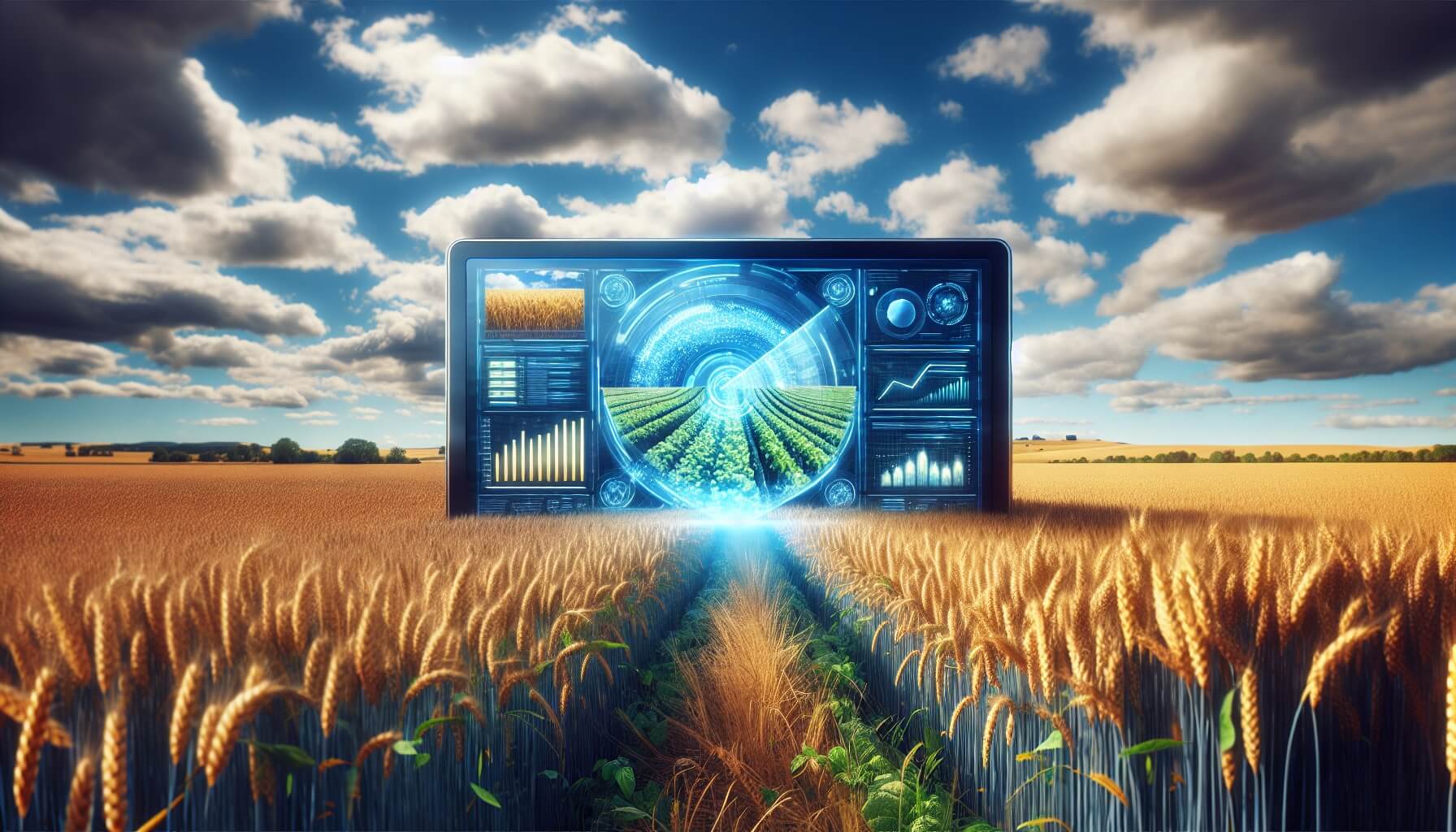
1. Predictive Analytics for Demand Forecasting
Modern AI forecasting models go far beyond historical sales data, pulling in real-world variables such as weather patterns, local events, social media trends, and promotional calendars. This multidimensional approach enables tighter inventory planning, reduced spoilage, and better product availability.
Companies using AI-driven demand forecasting can anticipate consumer needs with far greater accuracy, ensuring popular items are stocked while minimizing costly overproduction and excess inventory.
2. Computer Vision for Quality Control and Safety
AI-powered computer vision systems inspect food products at line speeds, detecting contamination, packaging errors, label mistakes, and defects with over 99% accuracy. These systems work in difficult conditions like low light and can interpret context among multiple codes simultaneously.
Major manufacturers like Nestlé are using visual inspection technology to catch product inconsistencies before they reach consumers, improving both safety and consistency without slowing down production lines.
3. Warehouse Automation and Intelligent Robotics
Warehouse management systems enhanced by AI now do more than track inventory—they optimize product placement based on real-time demand signals and coordinate with autonomous mobile robots for picking and packing operations.
This automation accelerates order fulfillment, reduces labor costs, and minimizes errors during peak periods. AI-guided robots handle complex sortation and delicate unit-picking tasks that were once solely the domain of human workers, filling critical labor gaps in distribution centers.
4. Dynamic Routing and Logistics Optimization
AI-powered logistics platforms reroute deliveries on the fly, responding to real-time traffic conditions, weather disruptions, and last-minute order changes.
These systems optimize across multiple variables simultaneously—fuel consumption, delivery windows, driver hours, and cold chain integrity—ensuring that perishable goods reach destinations efficiently while maintaining product quality. This dynamic responsiveness helps companies shift from reactive operations to resilient, adaptive supply chains.
5. Enhanced Traceability and Recall Management
AI combined with blockchain technology enables batch-level tracking of food products from source to shelf. In the event of contamination or safety concerns, this granular visibility allows companies to pinpoint affected batches and execute targeted recalls rather than broad, costly product withdrawals.
AI analytics also enhance supply chain transparency by identifying unauthorized substitutions or suppliers, protecting both consumer safety and brand reputation while minimizing waste during recall events.
AI in Action: Transforming the Entire Food Supply Chain
[Case 1]How AI Is Transforming the Agri-Food Supply Chain
Artificial intelligence is fundamentally reshaping the agri-food supply chain by enabling real-time data processing, predictive analytics, and automated decision-making across every stage from farm to fork.
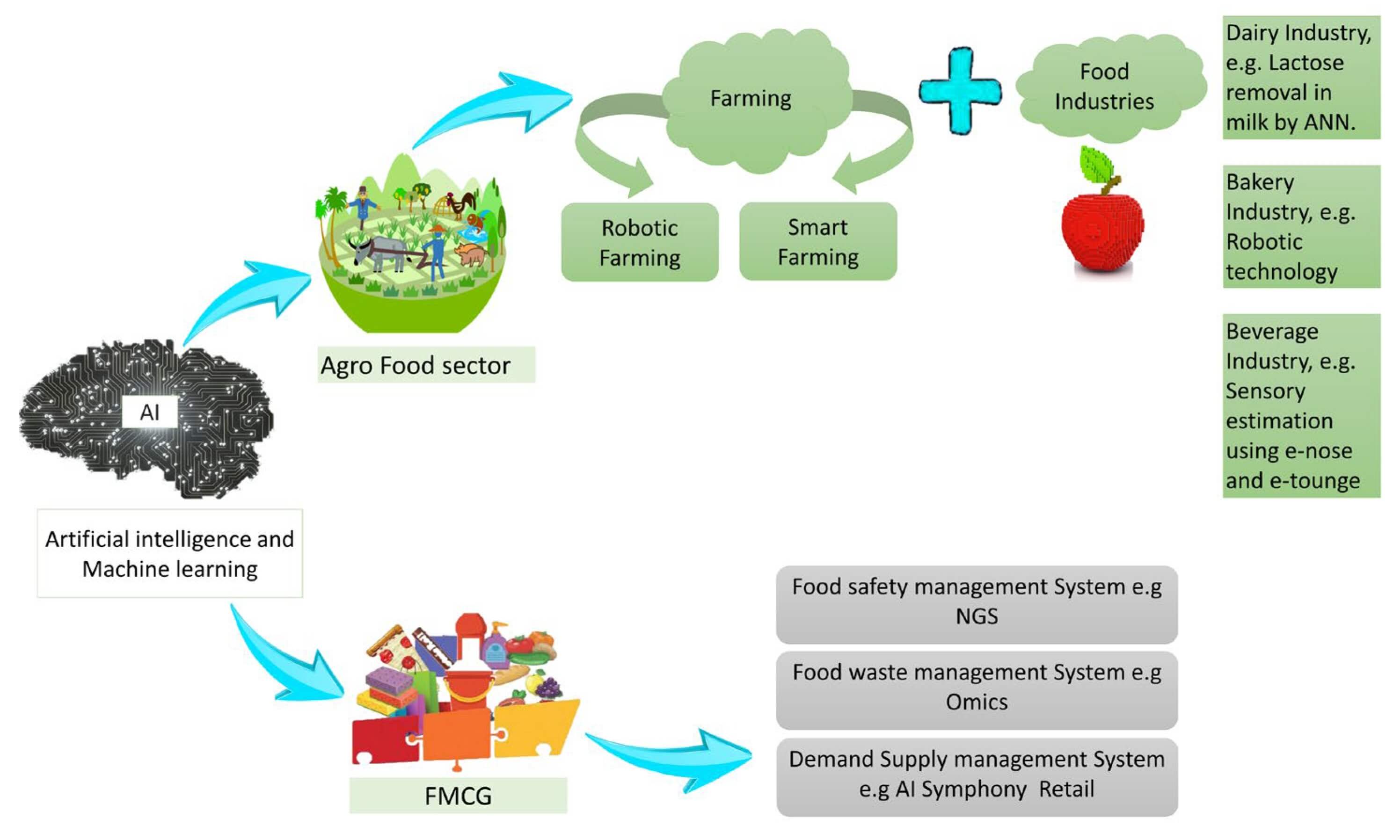
As geopolitical instability and climate change increasingly disrupt global food systems, AI technologies—including machine learning, computer vision, robotics, and expert systems—are helping organizations build resilience through enhanced forecasting, supplier management, and operational efficiency.
By processing vast and complex data sets, AI empowers agri-food businesses to anticipate disruptions, respond rapidly to changing conditions, recover quickly from shocks, and adapt their operations for long-term sustainability.
Predictive Analytics for Crop Management and Yield Optimization
AI-powered systems analyze satellite imagery, soil sensor data, weather patterns, and historical yields to provide farmers with actionable insights for planting, irrigation, and harvesting. This enables precision agriculture that maximizes output while minimizing resource use, helping producers prepare for variability caused by climate change and market fluctuations.
Intelligent Supplier Selection and Risk Mitigation
Machine learning algorithms evaluate supplier performance, geopolitical risks, and transportation reliability to support dynamic supplier reconfiguration. When disruptions occur—such as shipping route closures or trade restrictions—AI enables rapid identification and onboarding of alternative suppliers, maintaining continuity in the food supply chain.
Robotics and Automation in Food Processing
From robotic process automation handling administrative supply chain tasks to computer vision systems inspecting product quality on high-speed lines, AI-driven robotics are transforming food processing facilities. One major European meat processor eliminated over 15,000 hours of manual supply chain work annually through automation, significantly increasing operational resilience.
Real-Time Monitoring and Cold Chain Integrity
AI combined with Internet of Things sensors enables continuous monitoring of temperature, humidity, and storage conditions throughout the cold chain. Machine learning models detect anomalies and predict potential failures before they occur, ensuring food safety and reducing spoilage during transportation and warehousing.
Enhanced Traceability and Recall Management
By integrating AI with blockchain technology, agri-food companies can track products at the batch level across the entire supply chain. In the event of contamination, this enables precise identification of affected sources—allowing targeted recalls rather than costly, broad-scale product withdrawals that erode consumer trust and profitability.
Workforce Safety and Labor Optimization
Machine vision systems monitor employee compliance with safety protocols, including proper use of protective equipment, while AI-powered workforce management tools optimize scheduling and procurement of temporary labor. These applications address the looming labor shortage in agriculture while creating safer working environments.
[Case 2]How AI Is Optimizing Grocery and Retail Supply Chains
Artificial intelligence is revolutionizing grocery and retail supply chains by enabling real-time demand forecasting, automated inventory management, and intelligent logistics optimization. From the warehouse to the store shelf, AI-powered systems analyze vast amounts of data—including sales histories, weather patterns, local events, and even social media trends—to ensure the right products arrive at the right locations at the right time.
Major retailers like Kroger have leveraged AI inventory tools to reduce food waste by approximately 25%, while European grocers have boosted revenue by 2% simply by improving on-shelf availability through AI-driven monitoring. However, as reliance on AI deepens, the industry must also confront emerging vulnerabilities around cybersecurity and the erosion of human oversight in critical supply chain decisions.
Demand Forecasting and Inventory Optimization
Machine learning algorithms analyze historical sales data alongside real-time variables such as weather forecasts, local promotions, and community events to predict consumer demand with unprecedented accuracy. This enables grocers to optimize inventory levels, reducing both costly overstock and revenue-draining stockouts. Fresh inventory management tools from companies like Shelf Engine and Afresh have helped grocery chains cut food waste dramatically while ensuring popular items remain available.
On-Shelf Availability and Automated Replenishment
Computer vision systems combined with fixed cameras and mobile devices continuously monitor shelf conditions in real time. When products run low or become misplaced, automated alerts trigger replenishment orders before customers notice the gap. One European grocer implemented this technology and lifted revenue by two percent within six months—a significant gain in a low-margin industry—by fixing out-of-stocks before they impacted sales.
Warehouse Automation and Robotics
AI-guided robots and autonomous mobile vehicles are transforming grocery distribution centers. Warehouse management systems now do more than track inventory—they optimize product placement based on real-time demand signals and coordinate with robots for picking and packing operations. This automation accelerates order fulfillment, reduces labor costs, and minimizes errors during peak shopping periods.
Dynamic Routing and Last-Mile Delivery
AI-powered logistics platforms reroute delivery vehicles on the fly, responding to real-time traffic conditions, weather disruptions, and last-minute order changes. These systems optimize across multiple variables simultaneously—fuel consumption, delivery windows, and driver hours—ensuring that perishable goods reach stores and customers efficiently while maintaining cold chain integrity.
Cold Chain Monitoring and Food Safety
Internet of Things sensors combined with AI analytics continuously monitor temperature and humidity conditions throughout the cold chain. Machine learning models detect anomalies and predict potential equipment failures before they compromise product quality. This proactive approach ensures that dairy, meat, and produce arrive fresh while reducing spoilage during transportation and storage.
Traceability and Recall Management
AI integrated with blockchain technology enables batch-level tracking of products from distribution centers to individual store shelves. In the event of contamination or safety concerns, this granular visibility allows retailers to pinpoint affected batches and execute targeted recalls rather than broad, costly product withdrawals. This protects both consumer safety and brand reputation.
The Emerging Challenge: Cybersecurity and Over-Automation
As grocery supply chains become increasingly dependent on AI, new vulnerabilities emerge. Cyberattacks targeting wholesale distributors, meat processors, and retail parent companies have paralyzed operations and exposed sensitive employee data.
Perhaps more concerning, the gradual removal of human judgment from supply chain decisions means fewer personnel possess the skills to override automated systems when disruptions occur. Industry experts warn that a worst-case scenario—a coordinated cyberattack combined with natural disaster—could find grocery chains without the human expertise needed to keep shelves stocked.
Benefits vs. Challenges of AI in Food Supply Chains
Artificial intelligence is delivering measurable results across the food supply chain, from reducing waste and improving safety to optimizing logistics and enhancing transparency. However, adoption remains uneven, and organizations must navigate significant hurdles—including high implementation costs, integration complexity, workforce challenges, and emerging cybersecurity risks—before realizing AI's full potential.
Key Benefits
- Enhanced Production Efficiency
AI-driven systems analyze sensor data, production lines, and historical records to optimize manufacturing parameters, predict equipment failures, and enable proactive maintenance. Machine learning algorithms improve production schedules, inventory management, and supply chain logistics, resulting in faster turnaround times, reduced costs, and increased productivity. - Improved Quality Control and Food Safety
Computer vision technology detects contamination, packaging errors, and defects with over 99% accuracy at line speeds. AI algorithms monitor critical control points like temperature and humidity in real time, preventing spoilage and ensuring optimal storage conditions. This minimizes the risk of contaminated or substandard products reaching consumers. - Waste Reduction and Sustainability
By analyzing historical sales data, weather patterns, and consumer preferences, AI predicts demand more accurately, enabling better production planning and inventory management. This reduces overproduction and excess inventory. AI also optimizes distribution routes, cutting transportation distances and fuel consumption. - Enhanced Traceability and Transparency
AI combined with blockchain and IoT devices enables end-to-end batch-level tracking from source to shelf. When contamination occurs, companies can pinpoint affected batches for targeted recalls instead of broad product withdrawals. AI analytics also identify unauthorized suppliers and supply chain risks. - Personalized Nutrition and Product Innovation
Machine learning algorithms analyze consumer data—including dietary preferences, allergies, and health conditions—to provide personalized recommendations. AI helps manufacturers develop new products by leveraging insights on consumer trends, flavor preferences, and ingredient combinations.
Key Challenges
- High Implementation Costs
For many small and medium-sized businesses, AI remains financially out of reach. The investment required for hardware, software, integration, and training can be prohibitive, creating a adoption gap between large enterprises and smaller operators. - Integration with Legacy Systems
Many food companies operate on outdated infrastructure that was never designed for AI integration. Connecting modern AI solutions with legacy enterprise resource planning and warehouse management systems presents significant technical challenges. - Workforce and Skills Gaps
As AI automates tasks previously handled by humans, companies face pressure to reskill workers. More concerning, the gradual removal of human judgment from supply chain decisions means fewer personnel possess the skills to override automated systems when disruptions occur. - Trust and Explainability
When AI systems make high-stakes recommendations but cannot explain their reasoning, managers struggle to trust them. This "black box" problem is particularly acute in food safety, where decisions have serious consequences. - Vendor Overload and Hype
A flood of AI startups promising huge returns makes it difficult for operators to distinguish real solutions from hype. Sorting through options requires time and expertise that most food companies simply do not have. - Cybersecurity Vulnerabilities
As supply chains become more dependent on AI, new vulnerabilities emerge. Cyberattacks on wholesale distributors, meat processors, and retail parent companies have paralyzed operations and exposed sensitive data. The increasing connectivity of AI systems expands the attack surface for bad actors.
The Future of AI in Food Supply Chains: What's Next?
As the global agri-food sector heads toward $12 trillion by 2027, AI is moving beyond automation into true autonomy. The companies leading today aren't chasing trends—they're using AI to drive revenue, cut costs, and eliminate repetitive work. Tomorrow's supply chains will be self-optimizing, predictive, and resilient by design.
- Autonomous Supply Chain Agents
Agentic AI will soon manage orders, coordinate logistics, and optimize inventory independently. Instead of just flagging delays, future systems will reroute shipments, adjust production, and notify suppliers in real time—without human intervention. - Hyper-Personalized Forecasting
Forecasting will incorporate hyper-local variables like social media trends, regional events, and real-time traffic. Restaurants will stock ice pops or hot soup based on weekend weather forecasts, while retailers adjust promotions using live consumer sentiment data. - Generative AI for Unstructured Data
Large language models will process sensor outputs, operator comments, and supplier emails simultaneously—cutting data tasks from hours to seconds. This unified operational picture enables faster, smarter decisions across the enterprise. - Digital Twins and Simulation
Companies will stress-test entire supply chains virtually before disruptions hit. Digital twins simulate weather events, supplier failures, or demand spikes, turning network design into a continuous, proactive resilience strategy. - AI-Driven Sustainability
AI will align production with real demand, slashing overproduction and spoilage. Blockchain-integrated traceability enables targeted recalls instead of broad withdrawals, protecting brands and consumers while cutting waste. - The Human-AI Partnership
AI won't replace human judgment—it will elevate it. By handling spreadsheets, exceptions, and reports, AI frees experts to negotiate, innovate, and protect quality. The future belongs to companies that strengthen human decision-making with machine intelligence.
Conclusion
AI is no longer experimental for food supply chains—it is essential. Companies using AI strategically are seeing less waste, safer products, faster logistics, and greater resilience. Success requires clean data, skilled teams, and a focus on business outcomes. The organizations that thrive will use AI to strengthen human judgment, not replace it. As global population grows and sustainability pressures mount, AI will be vital to building food supply chains that are efficient, transparent, and ready for the future.

