




Image from iStock
Chargers are among the most ubiquitous yet overlooked pieces of technology in modern life. Every smartphone, laptop, electric toothbrush, and increasingly every car depends on a device whose sole job is to safely convert available electrical energy into a form that can replenish a battery. Behind the simple act of plugging in lies a surprisingly sophisticated field of engineering, one that has evolved dramatically over the past two decades and continues to advance at a rapid pace.
At its core, a charger performs two fundamental tasks. First, it converts electrical energy from a source into the direct current that batteries require. Second, and just as importantly, it regulates the flow of that current to protect the battery from damage. Modern lithium-ion batteries are sensitive to overcharging, excessive heat and improper voltage, so a good charger carefully manages the charging process, tapering off the current as the battery approaches full capacity and shutting down or trickle-charging once it is complete. The intelligence built into these small devices is often greater than most people realize, with dedicated microcontrollers monitoring voltage, current and temperature many times per second.
Types of chargers
The variety of chargers in use today reflects the enormous range of devices that need power, and they can be categorized in several overlapping ways.
Wired chargers remain the most common and reliable form. These include the familiar wall adapters that plug into a mains outlet, as well as car chargers that draw power from a vehicle's electrical system through the cigarette lighter or a USB port. Wired charging is generally the fastest and most energy-efficient method because power travels directly through a conductor with minimal loss. Within this category, USB-based charging has become dominant, with the USB-C connector emerging as a near-universal standard for phones, tablets, laptops and countless accessories.
Wireless chargers have grown enormously in popularity, particularly for smartphones and wearables. Rather than a physical connection, these use electromagnetic induction, in which a coil in the charging pad generates a magnetic field that induces a current in a matching coil inside the device. The Qi standard, maintained by the Wireless Power Consortium, governs most consumer wireless charging today. While convenient, wireless charging is typically slower and less efficient than wired methods because some energy is inevitably lost as heat during the transfer.
Portable chargers, often called power banks, are self-contained batteries that store energy for later use. They allow users to recharge devices while away from an outlet, making them indispensable for travel, outdoor activities and emergencies. These range from pocket-sized units capable of a single phone charge to large-capacity models that can power laptops or even small appliances.
Fast chargers represent a specialized category defined by their ability to deliver high power quickly. Technologies such as Qualcomm's Quick Charge, USB Power Delivery and various proprietary systems from manufacturers can replenish a substantial portion of a battery in a matter of minutes by negotiating higher voltages and currents between the charger and the device.
Solar chargers harness photovoltaic panels to convert sunlight into usable electricity. Ranging from foldable panels for backpackers to large installations, they offer a renewable and off-grid charging solution, though their output depends heavily on sunlight conditions.
Emerging technologies
The pace of innovation in charging technology has accelerated significantly, driven by consumer demand for speed and convenience.
Gallium nitride (GaN) represents one of the most significant recent advances. This semiconductor material allows chargers to operate at higher efficiencies and temperatures than traditional silicon, enabling manufacturers to build adapters that are dramatically smaller and lighter while delivering the same or greater power. A GaN charger the size of a matchbox can now power a laptop that once required a bulky brick.
Ultrafast charging continues to push boundaries, with some manufacturers demonstrating systems that can charge a phone from empty to full in under fifteen minutes. These systems require careful thermal management and often use techniques like splitting the battery into parallel cells to distribute the charging load and reduce heat.
Wireless charging is advancing toward greater distance and freedom. Beyond the contact-based pads of today, researchers and companies are developing resonant and radio-frequency systems capable of charging devices across a room, though efficiency and regulatory concerns remain significant hurdles. Standards like Qi2, which incorporates magnetic alignment inspired by Apple's MagSafe, aim to improve efficiency and user experience in the near term.
Finally, the growing emphasis on sustainability is shaping charger design. The European Union's mandate for USB-C as a common charging standard aims to reduce electronic waste by allowing a single charger to serve many devices. Manufacturers are also exploring recyclable materials and more energy-efficient standby modes to reduce the environmental footprint of the billions of chargers in circulation.
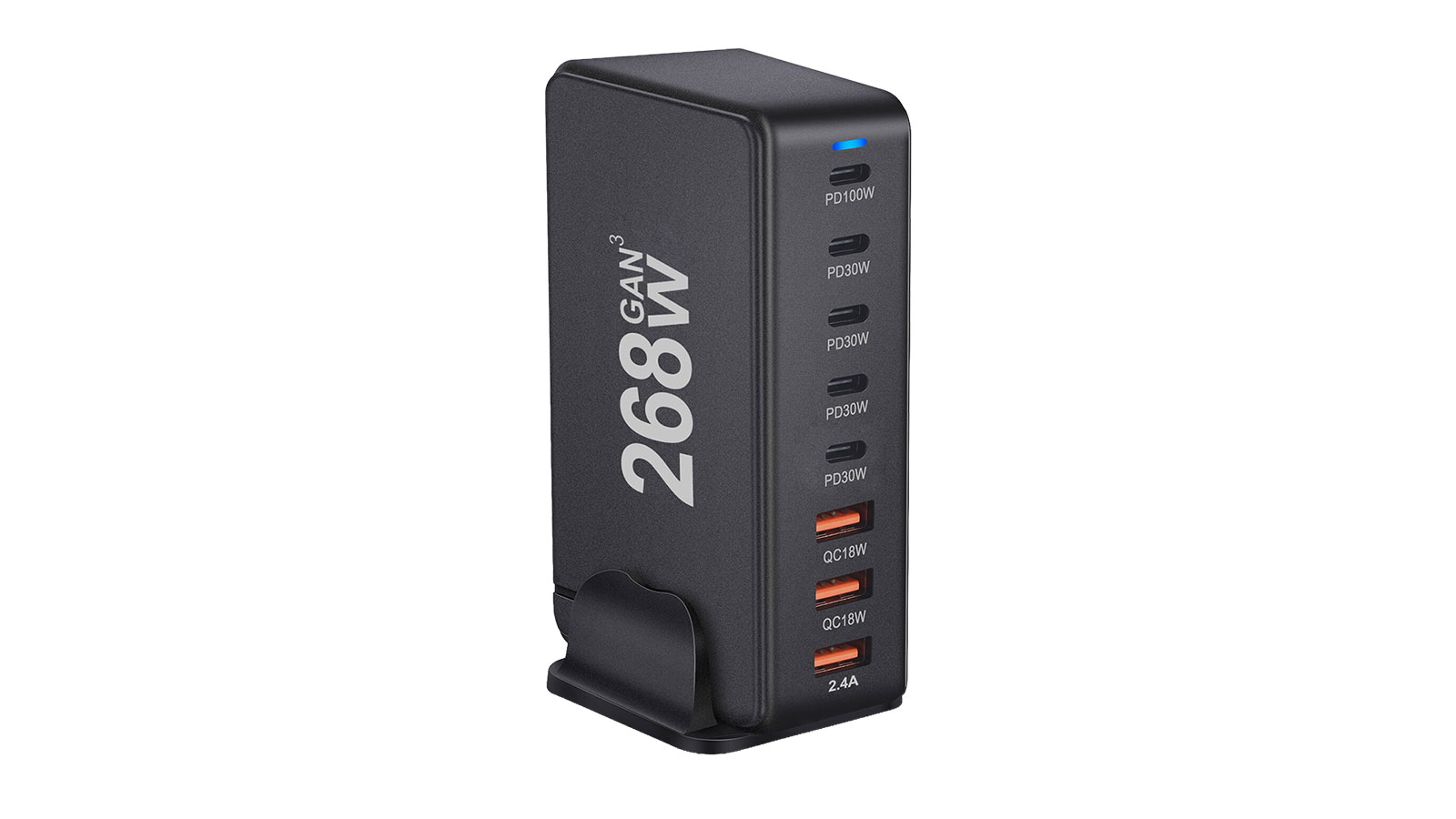
GaN3 desktop charger with eight ports
Company: E-Sun Technology Group Co. Ltd
E-Sun’s model ES-YMS-868-JC is a 268W GaN3 desktop charger with eight ports, of which five are USB-C PD 3.0 and three are USB-A. It has 110 to 240V, 50/60Hz, 1.5A input. This CE-marked device, with a space-saving design, has built-in protection from overcurrent, -voltage, -heating and short-circuit conditions. The MOQ is provided on direct inquiry.
Lead time: 7 to 15 days
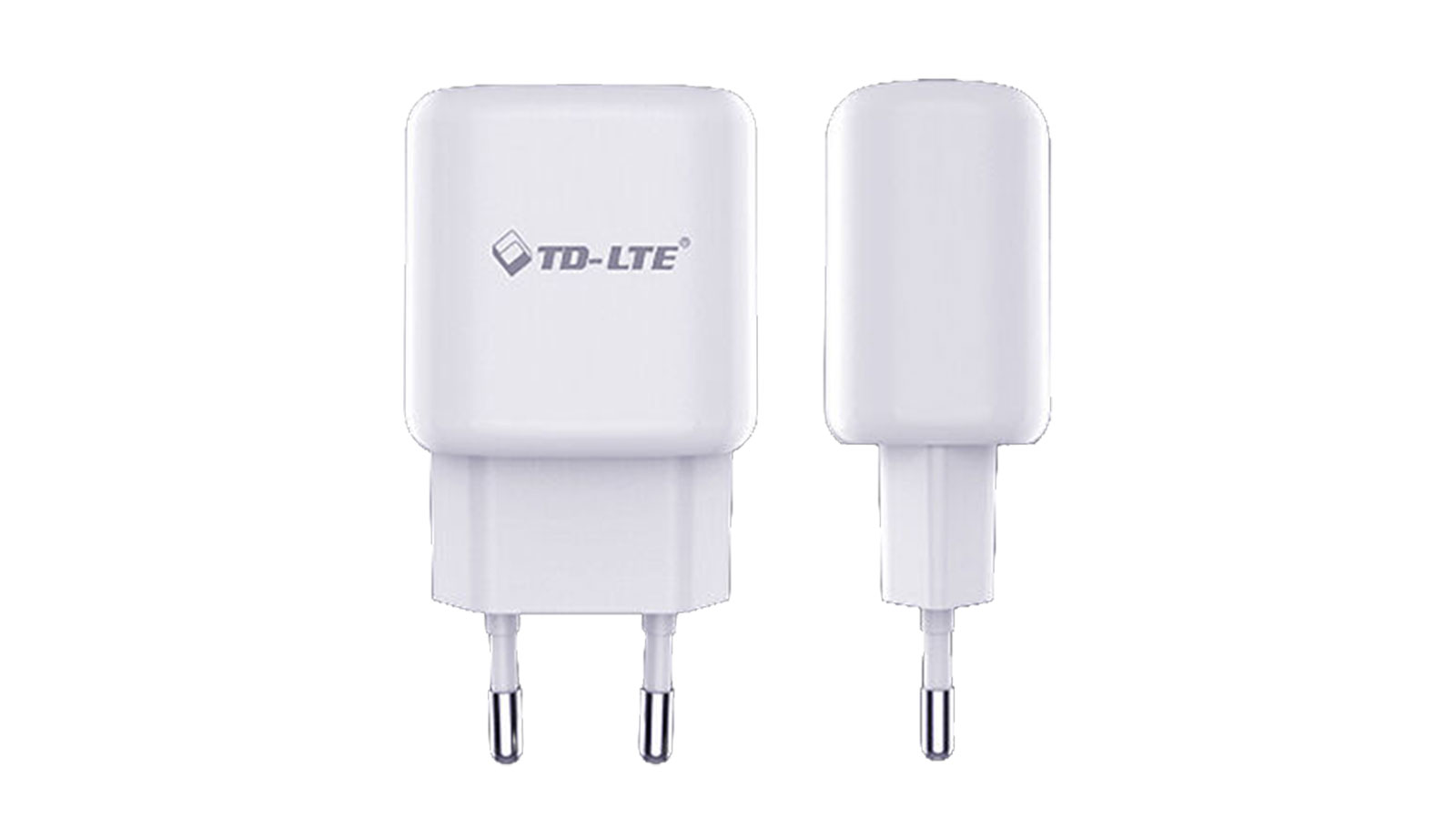
USB PD fast charger with Type-C, Type-A ports
Company: Guangzhou Ouyue Electronic Technology Co. Ltd
The TD-PA146-CL from Guangzhou Ouyue is a 20W USB PD fast charger with USB-C and USB-A ports. It has 100 to 240V, 50/60Hz input and 5V, 3A and 9V, 2.2A output. The operating temperature is -10 to 50 C. The housing is made of PC. The MOQ is provided on direct inquiry.
Lead time: 15 to 23 days
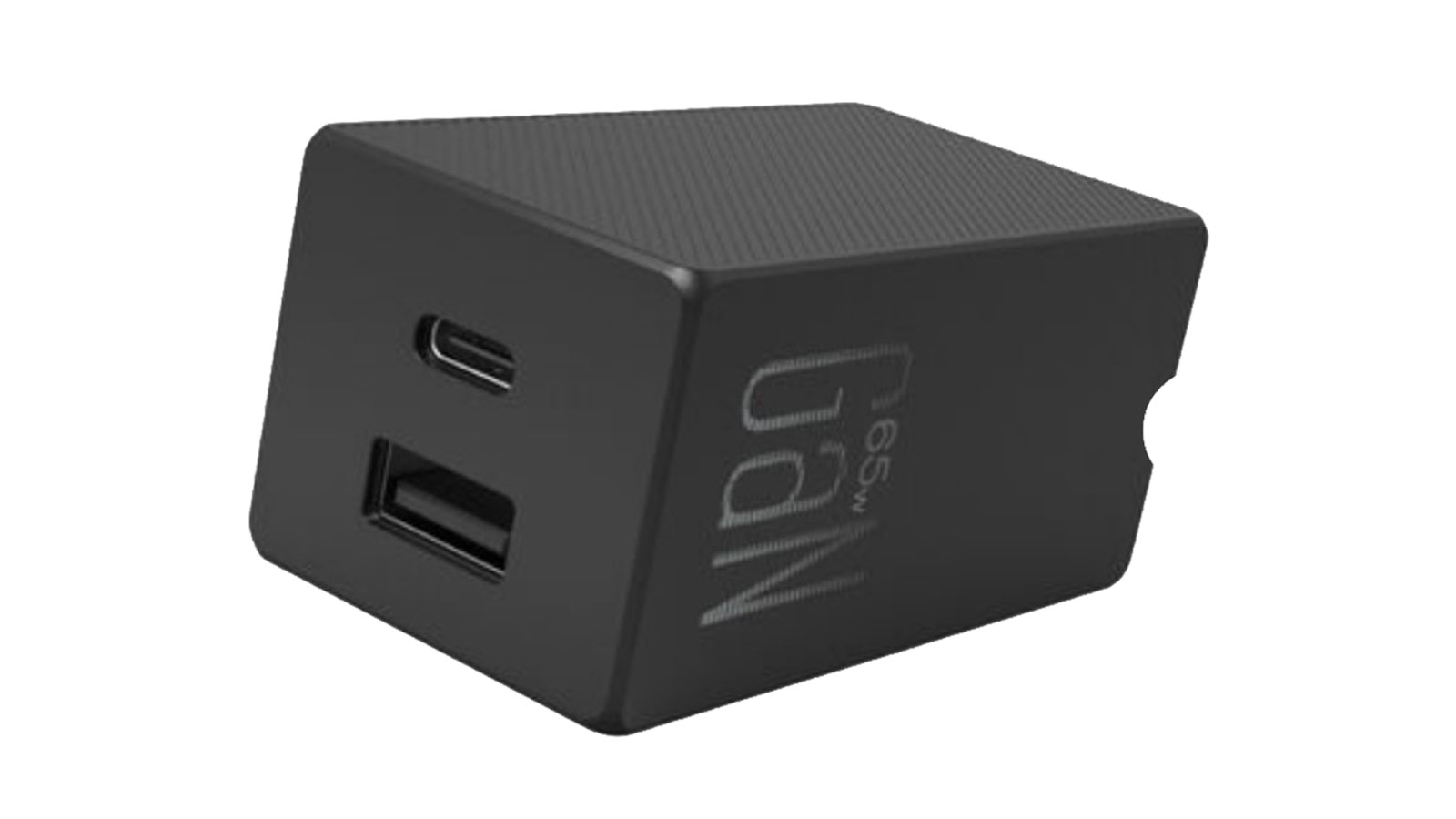
GaN wall charger with dual ports
Company: Winstars Technology Ltd
Winstars markets the G6502FA-03, a GaN wall charger with USB-C and USB-A ports and a US, EU, UK or AUS plug. This CE-marked device, with a flame-retardant PC housing, has 100 to 240VAC, 50/60Hz, 1.5A input, and 5, 9, 12, 15V, 3A and 20V, 3.25A output ratings, with total rated output power of 65W. It has 0 to 40 C operating temperature, short-circuit, overcurrent and -voltage protection and meets CE and FCC requirements. The MOQ is provided on direct inquiry.
Lead time: 30 to 45 days
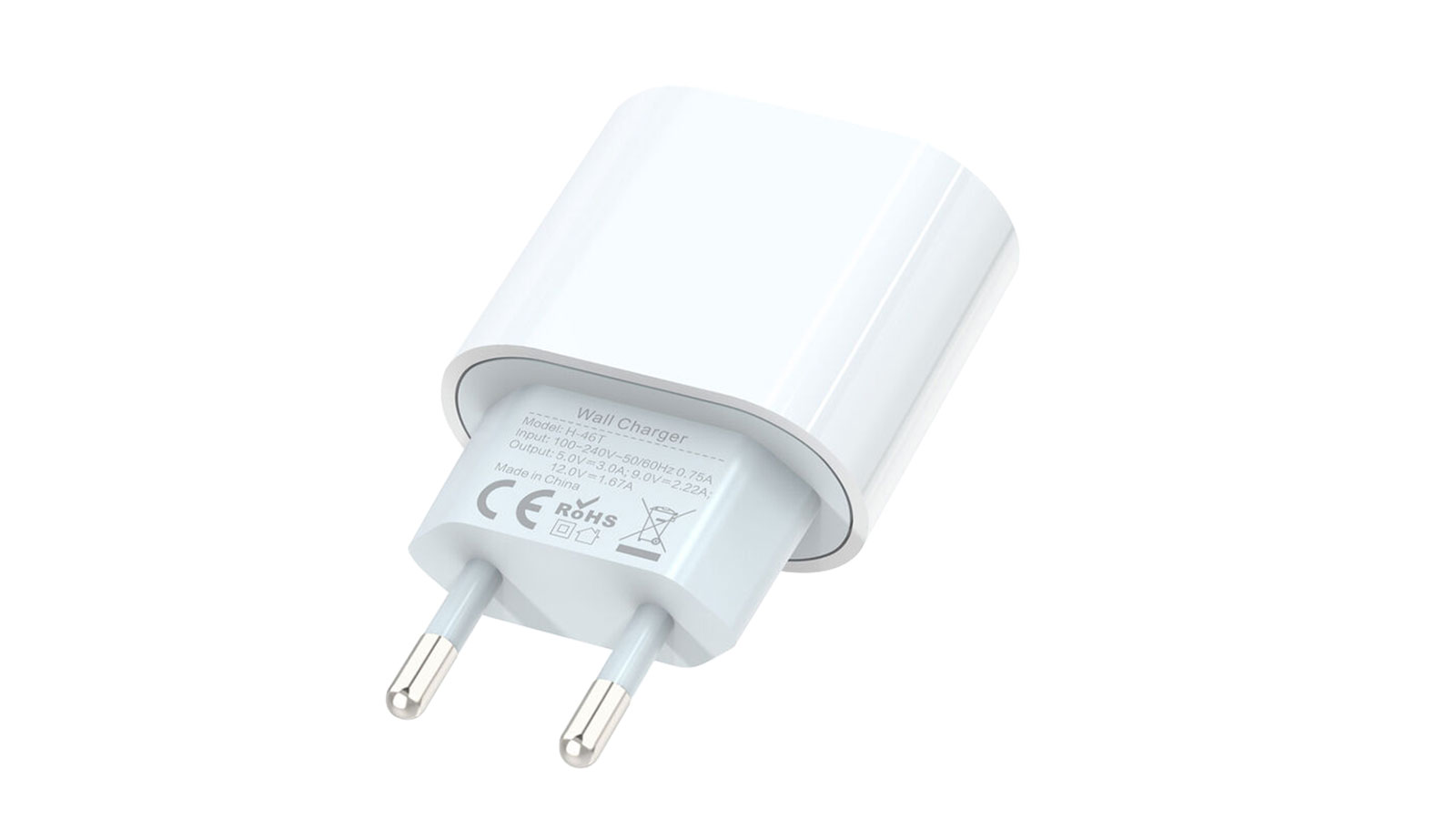
Travel charger with USB port
Company: Xiamen Yi Easy Buy Import and Export Trade Group Co. Ltd
This travel charger from Xiamen Yi Easy Buy, model DGNCDQ-007, has a USB-C port and supports QC 2.0 charging. It is available in various plug configurations. The MOQ is provided on direct inquiry.
Lead time: 5 to 7 days