




In the complex tapestry of global commerce, factory audits have emerged as a critical thread, weaving together quality assurance, ethical practices, and regulatory compliance. For B2B enterprises navigating the intricate landscape of international supply chains, factory audits serve as a compass, guiding them towards responsible and sustainable production practices.
The importance of factory audits has never been more pronounced. In an era where consumers and businesses alike are increasingly conscious of the ethical implications of their purchases, ensuring transparency and accountability throughout the supply chain has become a competitive necessity. Factory audits not only safeguard product quality but also protect brand reputation, mitigate legal risks, and foster long-term business relationships built on trust and shared values.
Key Components of Factory Audits
A. Quality Control Audit
Quality control audits form the bedrock of factory inspections, serving as a critical checkpoint in the production process. These audits encompass:
1. Production Process Evaluation: This involves a thorough examination of each step in the manufacturing process, from raw material handling to final product packaging. Auditors assess the efficiency of production lines, identify potential bottlenecks, and evaluate the implementation of lean manufacturing principles.
2. Quality Management System Review: Auditors scrutinize the factory's quality management systems, often using standards like ISO 9001 as a benchmark. This includes reviewing documentation, checking record-keeping practices, and assessing how effectively quality issues are identified and addressed.
3. Product Consistency Checks: Through statistical sampling and testing, auditors ensure that products maintain consistent quality across different batches. This may involve dimensional checks, functional tests, and durability assessments.
For instance, a B2B electronics manufacturer might conduct regular quality control audits to ensure that their suppliers' components meet stringent performance and reliability standards, crucial for maintaining the integrity of their final products.
B. Ethical Standards Audit
The ethical standards audit has gained significant prominence in recent years, reflecting a growing awareness of social responsibility in business practices. This component focuses on:
1. Labor Conditions and Rights: Auditors assess compliance with labor laws, examining aspects such as working hours, wage practices, and the absence of forced or child labor. They may conduct confidential worker interviews to gain unfiltered insights into working conditions.
2. Workplace Safety: This involves inspecting the physical work environment, checking for proper safety equipment, emergency procedures, and adherence to occupational health standards. In industries like textiles or chemicals, this aspect is particularly crucial.
3. Environmental Responsibility: Auditors evaluate the factory's environmental impact, including waste management practices, energy efficiency measures, and compliance with environmental regulations.
A notable example is the fashion industry, where ethical audits have become increasingly rigorous following high-profile incidents like the Rana Plaza collapse in Bangladesh. Many B2B textile suppliers now undergo regular ethical audits to ensure they meet the stringent standards set by global brands. [1] [3]
C. Compliance Audit
Compliance audits ensure that factories operate within the bounds of legal and industry-specific requirements:
1. Legal and Regulatory Compliance: This involves verifying adherence to local, national, and international laws relevant to the industry. For instance, food processing plants must comply with food safety regulations, while electronics manufacturers need to adhere to standards like RoHS (Restriction of Hazardous Substances).
2. Industry Standards Conformity: Auditors check if the factory meets industry-specific standards. For example, automotive parts suppliers might be audited for compliance with IATF 16949, the international standard for automotive quality management systems.
3. Certification and Licensing Verification: This includes checking the validity and scope of various certifications and licenses required to operate in the industry.
An illustrative case is the pharmaceutical industry, where compliance audits are rigorous and frequent due to the critical nature of the products. B2B pharmaceutical suppliers often undergo extensive compliance audits to ensure they meet Good Manufacturing Practice (GMP) standards.
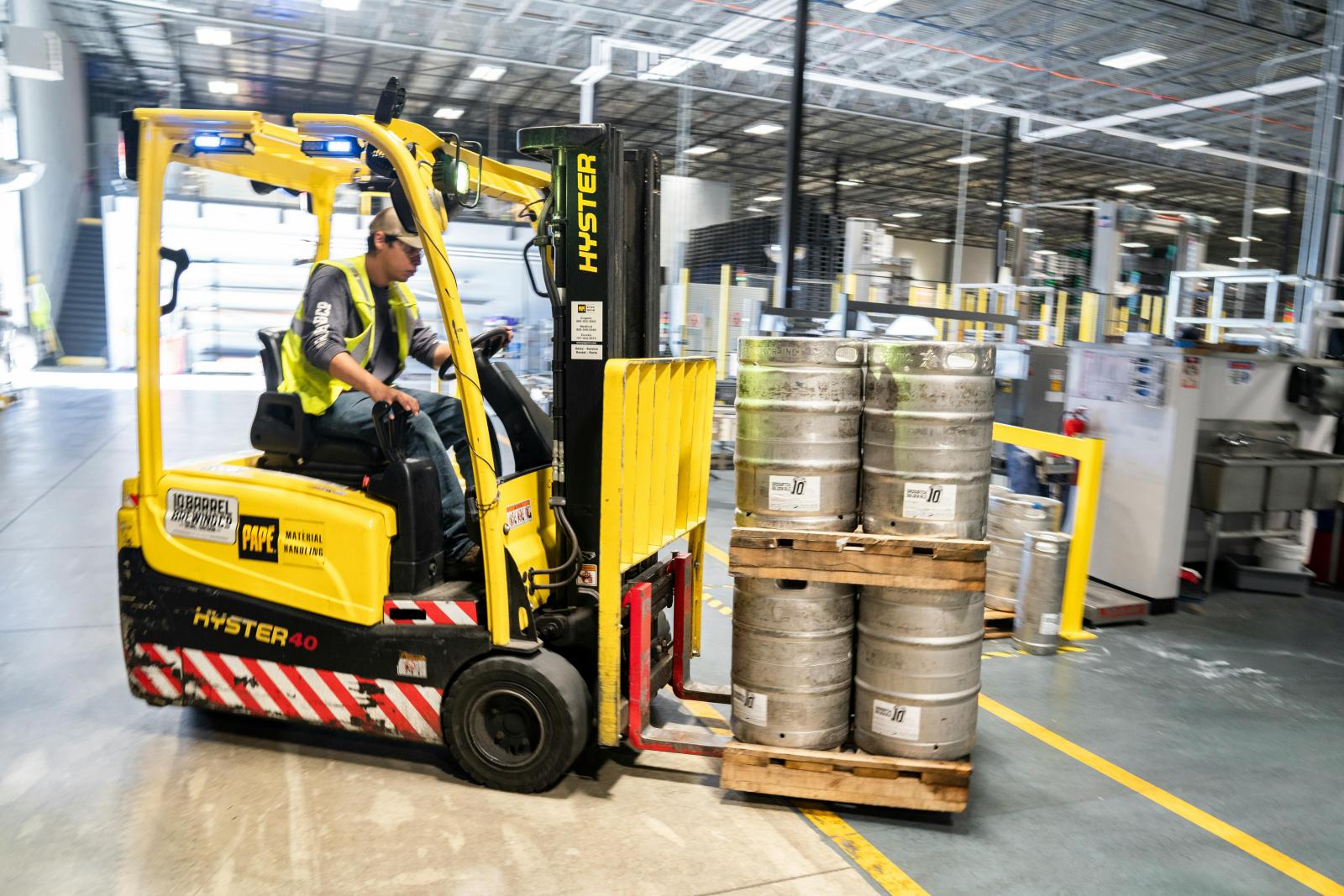
Factory Audit Process
The factory audit process is a structured approach designed to provide a comprehensive assessment of a facility's operations. It typically unfolds in three distinct phases:
A. Pre-Audit Preparation
1. Information Gathering: This involves collecting relevant documents, previous audit reports, and specific requirements from the client.
2. Audit Plan Development: Auditors create a detailed plan outlining the scope, objectives, and schedule of the audit.
3. Preliminary Risk Assessment: Based on available information, auditors identify potential risk areas that require special attention.
B. On-Site Audit
1. Opening Meeting: The audit team meets with factory management to explain the audit process and objectives.
2. Physical Inspection: Auditors tour the facility, observing production processes, safety measures, and working conditions.
3. Document Review: Relevant documentation, including quality records, employee files, and compliance certificates, are examined.
4. Employee Interviews: Confidential interviews with workers at various levels provide insights into actual working conditions and practices.
5. Process Verification: Auditors observe and verify key processes to ensure they align with documented procedures.
C. Post-Audit Follow-Up
1. Closing Meeting: Auditors present preliminary findings to factory management.
2. Audit Report Preparation: A detailed report is compiled, highlighting strengths, non-conformities, and areas for improvement.
3. Corrective Action Plan: The factory develops a plan to address identified issues.
4. Follow-Up Audit: Subsequent audits may be conducted to verify the implementation of corrective actions.
This structured process ensures a thorough evaluation of the factory's operations, providing B2B clients with valuable insights into their suppliers' practices and capabilities.
Benefits of Factory Audits
For B2B enterprises, factory audits offer a multitude of advantages that extend far beyond mere compliance:
1. Ensuring Product Quality:
- Reduces defects and returns by identifying and addressing quality issues at the source.
- Enhances product consistency, crucial for B2B clients who rely on components or materials for their own production processes.
- Example: An automotive parts manufacturer conducting regular audits of its suppliers significantly reduced defect rates, leading to improved vehicle reliability and reduced warranty claims.
2. Mitigating Supply Chain Risks:
- Identifies potential disruptions before they occur, allowing for proactive risk management.
- Ensures suppliers have robust business continuity plans in place.
- Case Study: A major electronics company avoided significant supply chain disruptions during the COVID-19 pandemic due to rigorous audits that had previously identified and addressed vulnerabilities in their suppliers' operations.
3. Enhancing Brand Reputation:
- Demonstrates commitment to ethical and sustainable practices, increasingly important in B2B relationships.
- Builds trust with customers and end-consumers who are more conscious about the origins of products.
- Example: A clothing retailer's strict audit program of its B2B suppliers led to positive media coverage and increased sales among ethically-conscious consumers.
4. Promoting Continuous Improvement:
- Encourages suppliers to constantly upgrade their processes and standards.
- Facilitates knowledge transfer and best practice sharing across the supply chain.
- Real-world Impact: A food processing company's audit program not only improved quality standards but also led to significant efficiency gains across its supplier network, resulting in cost savings for both the company and its suppliers.
5. Compliance and Legal Protection:
- Ensures adherence to international standards and local regulations, reducing legal risks.
- Provides documented evidence of due diligence in case of legal challenges.
6. Cost Reduction:
- Identifies inefficiencies in production processes, leading to cost savings.
- Reduces the likelihood of costly product recalls or quality issues.
7. Strengthening Supplier Relationships:
- Fosters a culture of transparency and collaboration between B2B partners.
- Helps align supplier practices with the company's own standards and values.
By leveraging these benefits, B2B companies can not only improve their operational efficiency but also gain a significant competitive advantage in the marketplace. [2] [3]
Challenges and Solutions in Factory Audits
While factory audits are invaluable, they come with their own set of challenges. Recognizing and addressing these challenges is crucial for B2B companies to maximize the effectiveness of their audit programs:
1. Cultural and Language Barriers:
Challenge: Misunderstandings due to cultural differences or language gaps can lead to inaccurate audit results.
Solution:
- Employ local auditors or use translators familiar with industry-specific terminology.
- Provide cross-cultural training to audit teams.
- Develop standardized, multilingual audit tools and questionnaires.
2. Transparency Issues:
Challenge: Some factories may attempt to hide issues or present an unrealistic picture of their operations.
Solution:
- Implement unannounced or semi-announced audits.
- Use technology like IoT sensors for real-time monitoring of key metrics.
- Establish whistleblower programs for employees to report issues confidentially.
3. Audit Fatigue:
Challenge: Suppliers subjected to multiple audits by different clients may become overwhelmed or complacent.
Solution:
- Participate in industry-wide audit sharing programs to reduce redundancy.
- Focus on collaborative improvement rather than punitive measures.
- Implement a tiered audit approach based on supplier risk and performance history.
4. Technological Limitations:
Challenge: Some suppliers, especially in developing countries, may lack technological infrastructure for advanced audit processes.
Solution:
- Provide technology support or training to key suppliers.
- Develop mobile-based audit tools that can work offline in areas with poor connectivity.
- Gradually introduce technology-driven audit components as supplier capabilities improve.
5. Cost Constraints:
Challenge: Comprehensive audit programs can be expensive, especially for smaller B2B companies.
Solution:
- Prioritize audits based on risk assessment and supplier importance.
- Explore cost-sharing models with other businesses using the same suppliers.
- Utilize remote auditing techniques where appropriate to reduce travel costs.

6. Evolving Regulations:
Challenge: Keeping up with changing international and local regulations across different markets.
Solution:
- Partner with local legal experts or consultancies in key markets.
- Implement a robust regulatory tracking system.
- Regularly update audit criteria to reflect the latest regulatory requirements.
7. Supplier Resistance:
Challenge: Some suppliers may view audits as intrusive or unnecessary.
Solution:
- Clearly communicate the mutual benefits of audits.
- Offer incentives for high audit performance, such as preferred supplier status.
- Provide support and resources for improvement rather than just identifying issues.
By addressing these challenges proactively, B2B companies can develop more effective and sustainable audit programs. The key lies in viewing audits not as a policing mechanism, but as a collaborative tool for mutual growth and improvement. [1] [4]
Future Trends in Factory Audits
The landscape of factory audits is rapidly evolving, driven by technological advancements, changing consumer expectations, and global economic shifts. B2B companies should be aware of these emerging trends to stay ahead in their audit practices:
1. Technology-Driven Audit Methods:
- IoT and Sensor Integration: Continuous monitoring of production processes, environmental conditions, and worker safety through connected devices.
- AI and Machine Learning: Predictive analytics to identify potential issues before they occur, and pattern recognition for more efficient auditing.
- Drone Technology: For safer and more comprehensive inspections of large facilities or hazardous areas.
- Virtual and Augmented Reality: Enabling remote audits and enhancing on-site audit experiences with real-time data overlays.
2. Increased Supply Chain Transparency:
- Blockchain Technology: Implementing immutable, transparent records of supply chain transactions and audit trails.
- Public Disclosure Platforms: More companies are expected to publish audit results publicly, increasing transparency for consumers and stakeholders.
- Real-Time Tracking: End-to-end visibility of products from raw materials to end consumers, allowing for more targeted and efficient audits.
3. Focus on Sustainable Development and Circular Economy:
- Carbon Footprint Audits: Increased emphasis on assessing and reducing greenhouse gas emissions throughout the supply chain.
- Circular Economy Metrics: Audits will increasingly evaluate how well factories implement circular economy principles, such as waste reduction and resource recycling.
- Biodiversity Impact Assessments: Growing importance of evaluating the impact of production processes on local ecosystems.
4. Global Standardization Trends:
- Harmonization of Audit Standards: Movement towards globally recognized audit criteria to reduce redundancy and improve consistency.
- Cross-Border Audit Sharing: Increased collaboration between companies and countries to share audit results and reduce audit fatigue.
- Integration of SDGs: Alignment of audit criteria with the UN Sustainable Development Goals for a more holistic approach to sustainability.
5. Enhanced Focus on Cybersecurity:
- Data Protection Audits: Growing importance of assessing suppliers' ability to protect sensitive information and comply with data protection regulations.
- IoT Security: As more devices become connected, ensuring the security of these networks will become a crucial part of factory audits.
6. Worker-Centric Audit Approaches:
- Increased Worker Participation: More direct involvement of workers in the audit process through confidential feedback mechanisms and participatory assessment methods.
- Mental Health and Well-being: Growing focus on assessing not just physical safety but also the psychological well-being of workers.
- AI-Driven Risk Assessment: Using big data and AI to determine audit frequency and depth based on supplier risk profiles.
- Dynamic Audit Schedules: Moving away from fixed audit cycles to more flexible, risk-responsive scheduling.
- Tailored Audit Protocols: Developing industry and company-specific audit protocols that focus on the most relevant risks and opportunities.
- Customized and Risk-Based Auditing:
- Social Listening: Incorporating social media monitoring into audit processes to identify potential issues or public concerns about suppliers.
- Big Data Analytics: Utilizing public data sources to enhance audit planning and risk assessment.
- Integration of Social Media and Public Data:
- Multi-Tier Visibility: Extending audits beyond immediate suppliers to include sub-suppliers and raw material sources.
- Geospatial Analysis: Using satellite imagery and location data to verify supplier claims and assess environmental impacts.
- Enhanced Supply Chain Mapping:
- Crisis Preparedness Audits: Evaluating suppliers' ability to maintain operations during various crisis scenarios.
- Climate Change Adaptation: Assessing suppliers' long-term strategies for adapting to climate-related risks.
- Emphasis on Resilience and Business Continuity:
These emerging trends highlight the evolving nature of factory audits in the B2B sector. As technology advances and global challenges become more complex, audit practices will need to adapt to provide more comprehensive, real-time, and actionable insights.
Conclusion
Factory audits have evolved from a simple quality control measure to a comprehensive tool for managing risk, ensuring ethical practices, and driving continuous improvement across B2B supply chains. In an era of global commerce, where supply chains span continents and involve multiple tiers of suppliers, the importance of robust audit practices cannot be overstated.
Also Read:

